

Paper
Douglas H. Paal
{
  "authors": [
    "Douglas H. Paal"
  ],
  "type": "legacyinthemedia",
  "centerAffiliationAll": "dc",
  "centers": [
    "Carnegie Endowment for International Peace"
  ],
  "collections": [],
  "englishNewsletterAll": "asia",
  "nonEnglishNewsletterAll": "",
  "primaryCenter": "Carnegie Endowment for International Peace",
  "programAffiliation": "AP",
  "programs": [
    "Asia"
  ],
  "projects": [],
  "regions": [
    "North America",
    "United States",
    "East Asia",
    "China"
  ],
  "topics": [
    "Foreign Policy"
  ]
}
Source: Getty
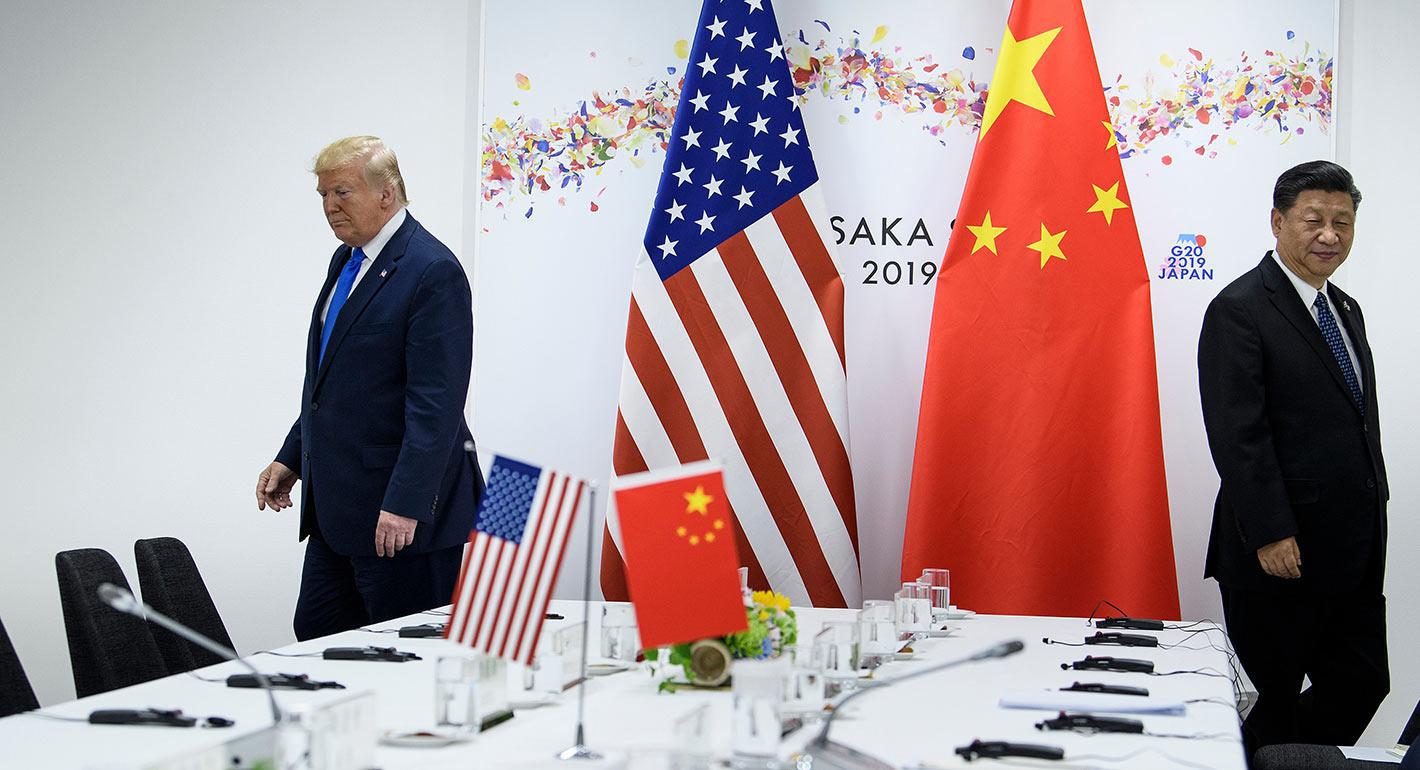
The American public is far more focused on his mismanagement of the pandemic and its effects at home than on Beijing’s responsibility for it.
Source: South China Morning Post
After defying world opinion to impose the national security law on Hong Kong, Beijing has suddenly started trying to soften its international image. Politburo member Yang Jiechi and Foreign Minister Wang Yi have recently made conciliatory-sounding speeches, seemingly trying to arrest the deterioration in relations with the United States and others.
The logic behind this shifting of gears is probably complex, but an important component must be to rein in relations with Washington. As I told some scholars in China during a recent webinar, the upcoming US presidential election seems to offer both good and bad news for China. Beijing is trying to head off the bad news.
If you have trouble imagining what the good news might be, amid systematic efforts by the Trump administration to decouple the two countries, think about the US election. Despite four major speeches from cabinet-level officers, a host of executive orders and endless tweets from President Donald Trump, the American public remains focused on three major sets of issues: social disorder, the Covid-19 pandemic and the sorry state of the economy and employment. China is not high among them.
Since April, Trump and his team have tried to shift responsibility for the epidemic’s effects to China and its behaviour when the virus first appeared. Despite Trump calling it the “Chinese virus” and the “kung flu”, the American public is far more focused on his mismanagement of the pandemic and its effects at home than on Beijing’s responsibility for it. It’s quite a statement about Trump’s degree of mismanagement that efforts to stick the blame on China have failed.
This is where the bad news comes in. China has avoided moving to the top of the US election agenda partly because voters traditionally focus on domestic conditions and not foreign affairs during elections. The current triple-headed crisis will be difficult to dislodge.
The potential for that to change and China to become a central issue cannot be discounted, though. As the Pew Research Centre reported in late July, 73 per cent of US adults say they have an unfavourable view of China, up 26 per cent since 2018. The coronavirus and its effects have combined with rising authoritarianism, trade disputes and news from Hong Kong and Xinjiang to erode opinion towards China.
Anecdotally, I can attest that ordinary voters, whether for or against Trump, often say that at least he has tried to produce a long-overdue reset in relations with China. This is mirrored in the widespread notion that relations with China are due for a change, though not about exactly how to do so.
In this context, Beijing would be smart to call off its recent “wolf warrior” diplomacy and set a lower-key tone for its public rhetoric. Why? It would not take much more for all the anti-China sentiment to coalesce into an issue that Trump can use to change the topic from his mismanagement of the virus to China’s responsibility for the harm to the US population and economy.
If Trump succeeded in dislodging one or two of the major issues working against his re-election and put the focus on China, there would be no relief coming for Beijing from his Democratic opponent, former vice-president Joe Biden. The competition would more likely to be over who could be tougher on Beijing.
Between now and November would be an inauspicious time for tensions to rise suddenly in China’s activities with Taiwan, India or in the South or East China seas. It might help to avoid being seen as excessively draconian with Hong Kong and Xinjiang, as well.
Lo and behold, China has dialled back its fiery rhetoric in the past two weeks, especially from the representatives of the Foreign Ministry. Beijing only ritually protested at the arrival of a US cabinet secretary in Taiwan, an event perhaps intended to provoke a stronger response. Troops have disengaged on the Line of Actual Control with India, and Chinese fishermen have been ordered to stay out of waters of the Diaoyu/Senkaku islands.
Beijing is not out of the woods yet. Trump and Secretary of State Mike Pompeo have suggested there is more to come in efforts by the administration to dismantle relations with China. It might be argued that some of Trump’s China hawks already see the writing on the wall for his defeat, believing now is their last chance to leave a legacy of significantly reducing relations with China.
The hawks have less than three months before the election to raise the ante, and a strong Chinese reaction could give them a win-win. They would win if Trump regains an electoral advantage over Biden, or they could win if they leave Biden a mess to clean up.
This article was originally published by the South China Morning Post.
Distinguished Fellow, Asia Program
Paal previously served as vice chairman of JPMorgan Chase International and as unofficial U.S. representative to Taiwan as director of the American Institute in Taiwan.
Recent Work
Douglas H. Paal


Douglas H. Paal, Tong Zhao, Chen Qi, …
Carnegie does not take institutional positions on public policy issues; the views represented herein are those of the author(s) and do not necessarily reflect the views of Carnegie, its staff, or its trustees.
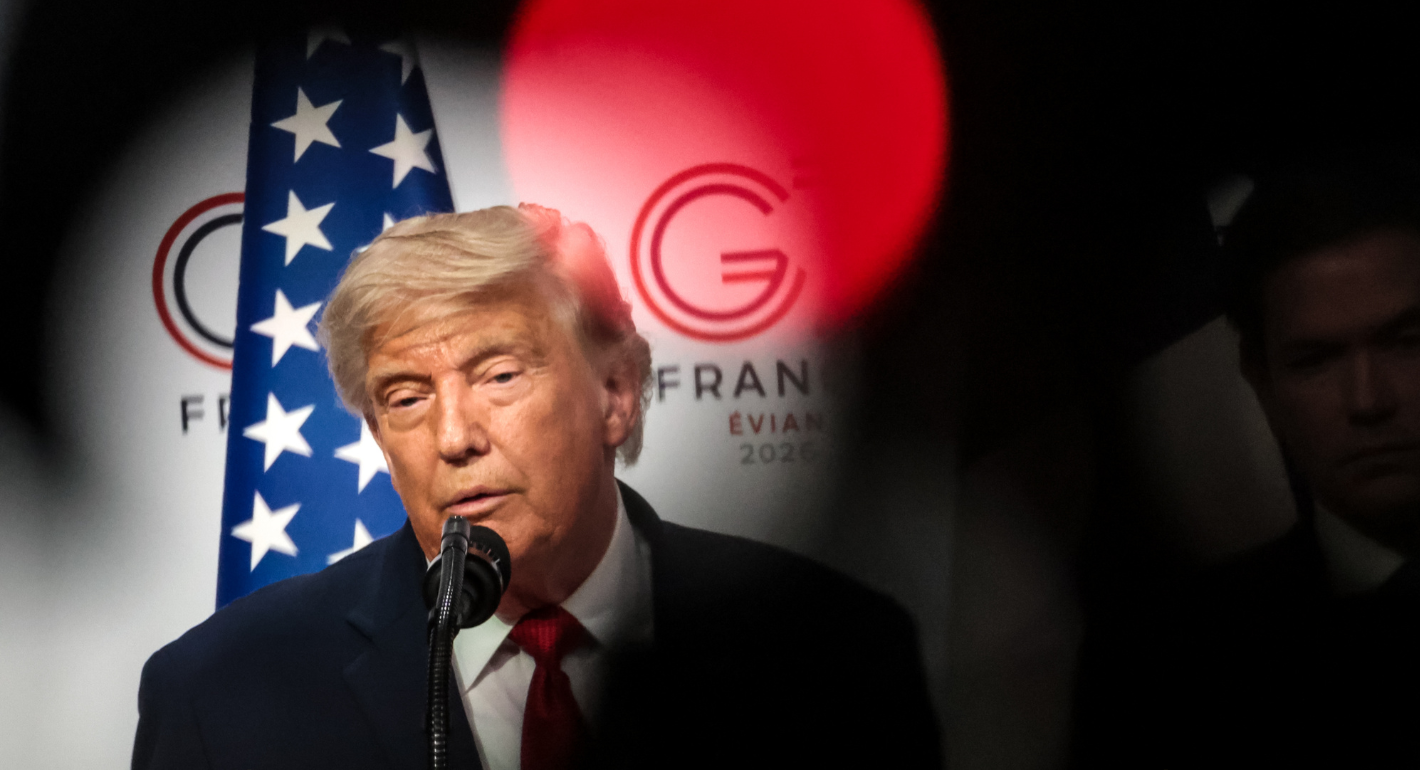
There is an elephant in the room when it comes to the EU’s upcoming security strategy: Donald Trump. Unless European leaders acknowledge the depth of the transatlantic crisis, true autonomy will remain out of reach.

Stefan Lehne
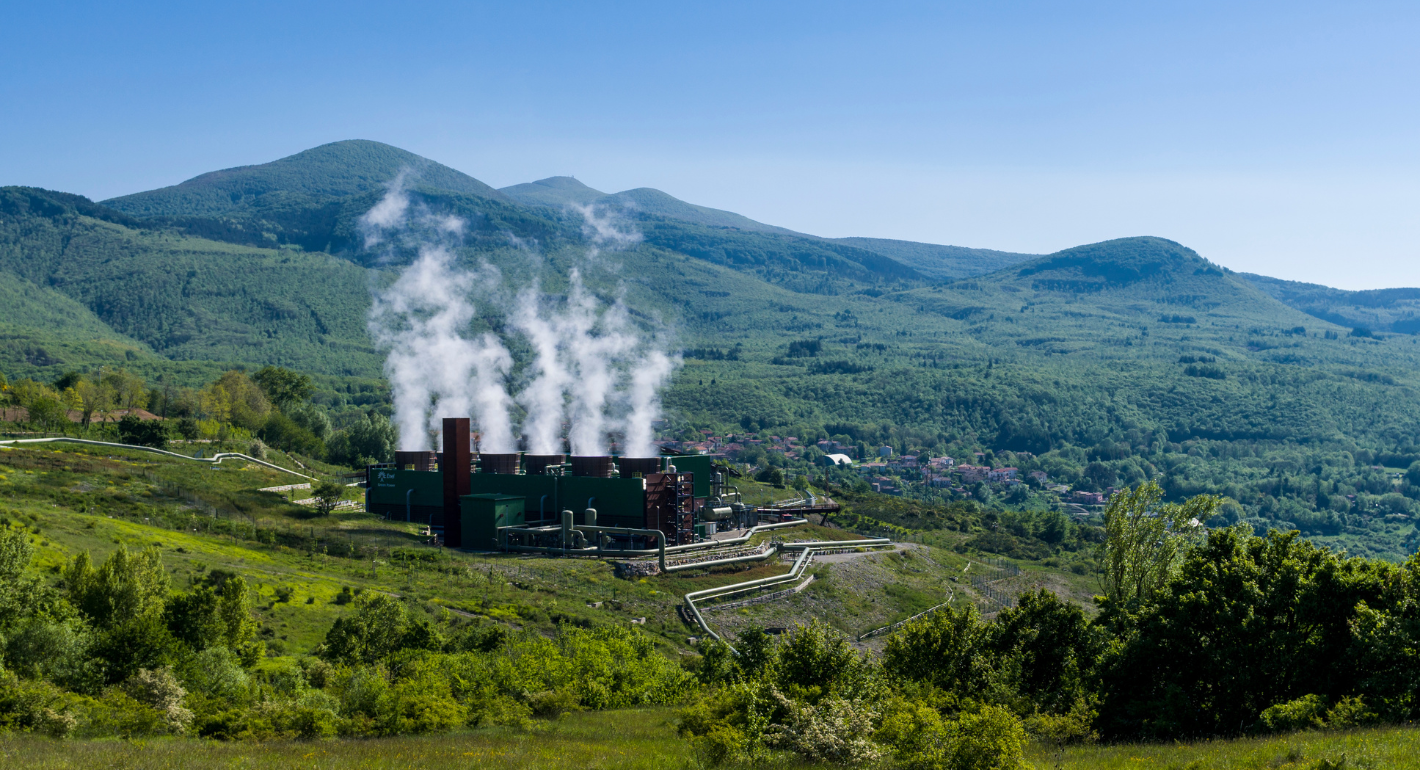
Europe’s industrial supply chains leave it vulnerable to global shocks. The EU needs a pragmatic green industrial strategy that balances durable partnerships and bolsters homegrown clean tech without sacrificing low-carbon ambition.


Milo McBride, Pauline Gerard
Defense tech innovations will be at the heart of Europe’s new security strategy. But so far, Brussels has been making moves without a broader plan, undermining readiness and credibility.

Raluca Csernatoni

When the U.S.-Iran memorandum of understanding was announced, the UK, France, Germany, and Italy declared their readiness to help demine the Strait of Hormuz and lift nuclear sanctions on Tehran. But does Europe need new tools to recover a diplomatic role?

Rym Momtaz, ed.
The Franco-German relationship is on the rocks again. But unlike previous moments of tension, the epochal changes on the world stage require that both step up investment in their bilateral ties.
Rym Momtaz