

Q&A
Jon Bateman, Andy Masley
{
  "authors": [
    "Jon Bateman"
  ],
  "type": "legacyinthemedia",
  "centerAffiliationAll": "dc",
  "centers": [
    "Carnegie Endowment for International Peace"
  ],
  "collections": [],
  "englishNewsletterAll": "ctw",
  "nonEnglishNewsletterAll": "",
  "primaryCenter": "Carnegie Endowment for International Peace",
  "programAffiliation": "TIA",
  "programs": [
    "Technology and International Affairs"
  ],
  "projects": [],
  "regions": [
    "Iran"
  ],
  "topics": [
    "Technology"
  ]
}
Source: Getty
Modern businesses face a level of cyber risk that vastly exceeds the protections they can rely on from either insurance or government relief. To address this shortfall, business leaders must work with insurers and policymakers to devise practical, long-term solutions.
Source: Harvard Business Review
In 2017, Merck lost an& eye-popping $1.3 billion when it got caught in the crossfire of a Russian cyberattack targeting Ukraine. The event, later dubbed NotPetya, was the largest cyberattack in history, costing $10 billion worldwide — economic damage akin to a medium-sized hurricane, or a small war. Western governments vowed to hold Russia accountable, yet none stepped forward to support the companies that were hit by the attack.
Insurance was more helpful — to a point. The insurance industry sells policies specifically designed for cyber incidents, but their scope and scale remain limited. Cyber insurance paid for just 3% of NotPetya’s global damage, leading some NotPetya victims to turn to other insurance policies with more ambiguous terms. For example, Merck invoked property and casualty policies that covered all manner of hazards without explicitly mentioning cyber incidents. These policies had so-called “war exclusions,” which barred coverage for damages due to “hostile or warlike actions” by governments or their agents. Many insurers cited these clauses to push back on the claims, triggering high-stakes legal battles that continue to this day.
This article was originally published in the Harvard Business Review.

Senior Fellow and Co-Director, Technology and International Affairs Program
Jon Bateman is a senior fellow and co-director of the Technology and International Affairs Program at the Carnegie Endowment for International Peace.
Recent Work

Jon Bateman, Andy Masley

Jon Bateman, Steve Feldstein
Carnegie does not take institutional positions on public policy issues; the views represented herein are those of the author(s) and do not necessarily reflect the views of Carnegie, its staff, or its trustees.

The hybrid warfare landscape is evolving rapidly, leaving policymakers without clear strategies. To better inform their work in addressing emerging challenges, governments must dig deeper into the underlying dynamics at play.


Raluca Csernatoni, Alicia Wanless

Autonomous AI agents are increasingly prevalent in cyberspace. The EU needs a real-time monitoring strategy, to invest in AI defenses, and to reduce its strategic dependence on U.S. frontier models.

Raluca Csernatoni, Patryk Pawlak
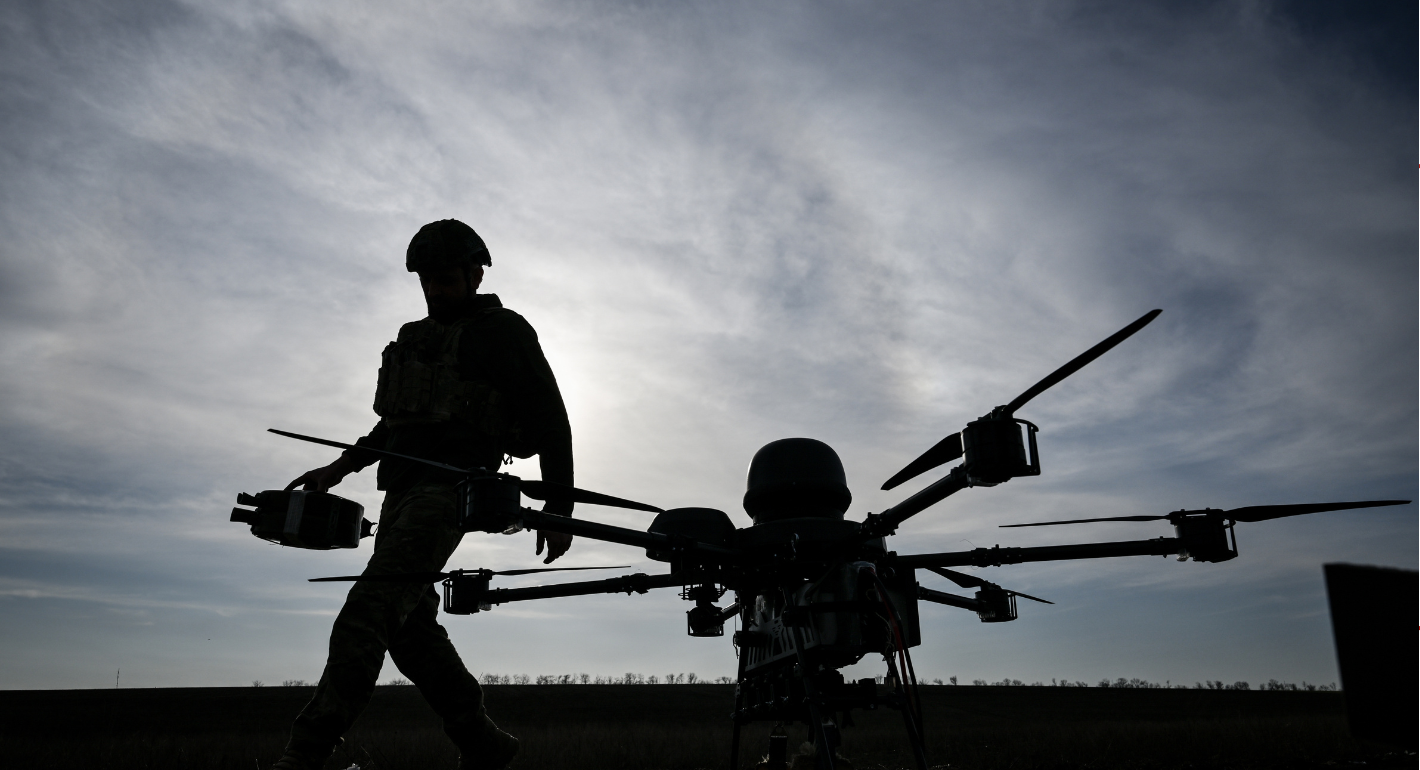
Defense tech innovations will be at the heart of Europe’s new security strategy. But so far, Brussels has been making moves without a broader plan, undermining readiness and credibility.
Raluca Csernatoni

When the U.S.-Iran memorandum of understanding was announced, the UK, France, Germany, and Italy declared their readiness to help demine the Strait of Hormuz and lift nuclear sanctions on Tehran. But does Europe need new tools to recover a diplomatic role?

Rym Momtaz, ed.

Amid uncertainty caused by the Iran war, the global drive for nonproliferation has stalled. With Europe diplomatically marginalized and countries reassessing their nuclear options, efforts to curb the spread of nuclear weapons risk becoming irrelevant.

Jane Darby Menton