

Research
- +11
Frances Z. Brown, Nate Reynolds, Priyal Singh, …
{
  "authors": [
    "Frederic Wehrey"
  ],
  "type": "legacyinthemedia",
  "centerAffiliationAll": "dc",
  "centers": [
    "Carnegie Endowment for International Peace"
  ],
  "collections": [],
  "englishNewsletterAll": "menaTransitions",
  "nonEnglishNewsletterAll": "",
  "primaryCenter": "Carnegie Endowment for International Peace",
  "programAffiliation": "MEP",
  "programs": [
    "Middle East"
  ],
  "projects": [],
  "regions": [
    "North America",
    "United States",
    "Middle East",
    "North Africa"
  ],
  "topics": [
    "Foreign Policy"
  ]
}
Source: Getty
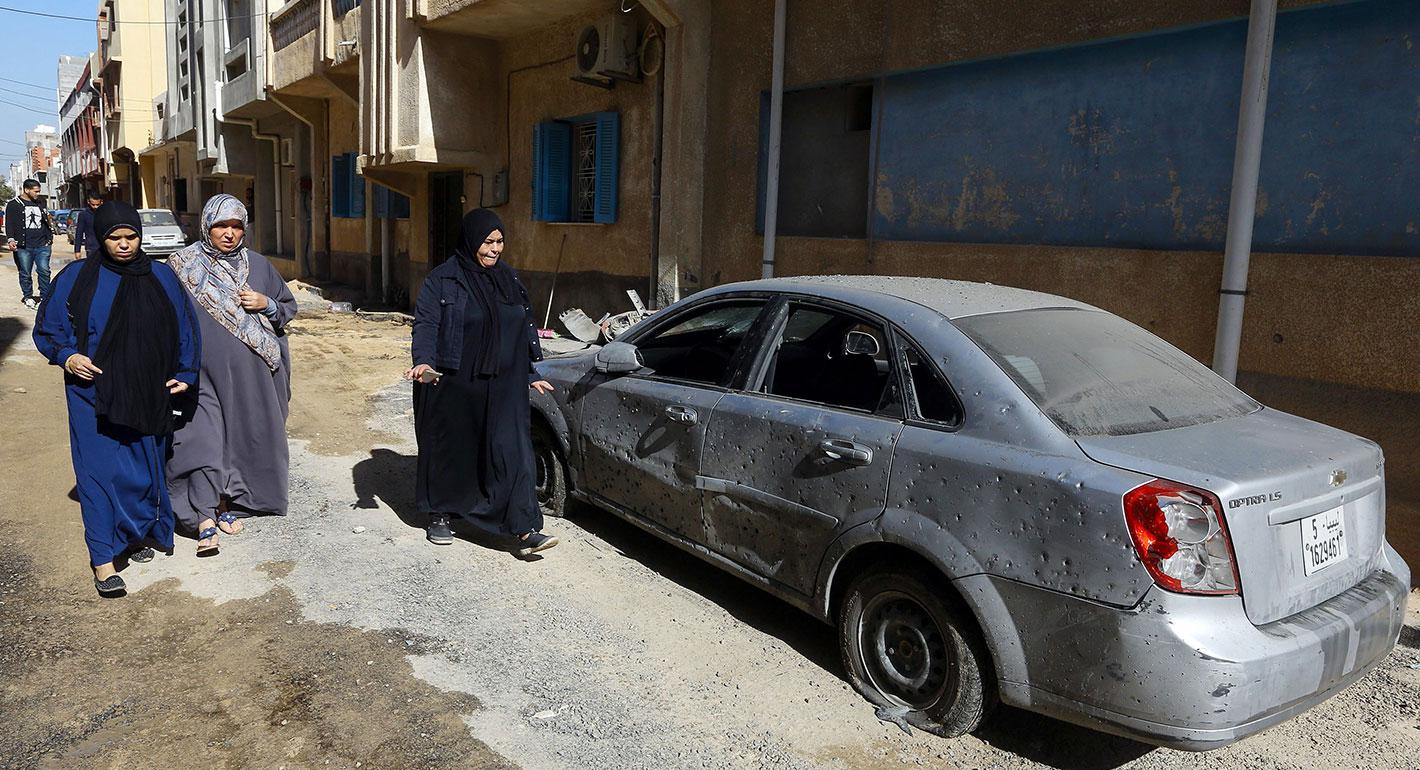
As president, Joe Biden will have to grapple with the aftermath of Emirati adventurism and the habits of other authoritarian Arab allies that have been lavished with American military support, not just under Trump but under previous administrations, as well.
Source: Politico
One evening last November, while reporting on the front lines outside the Libyan capital of Tripoli, I got caught in an Emirati drone bombardment aimed at Libyan pro-government fighters. Alerted by the whirr of the craft overhead, the fighters whisked me inside a concrete villa, and we watched the streaks of the airstrikes from inside. A few days later, a group of foreign and Libyan workers at a biscuit factory east of Tripoli got no such warning. Around midmorning, an Emirati drone fired the first of five missiles through the roof of a storage hangar, destroying some supplies but sparing lives. The panicked workers fled north to an alfalfa field. The missiles followed them.
I arrived on the scene a few hours later to find the smoldering wreckage and impact craters in the field. The corpses had been removed, but the site was strewn with bits of skull and flesh, tufts of hair, and an orphaned sandal. In total, eight civilians died in the bombing, and more than two dozen were wounded.
Senior Fellow, Middle East Program
Frederic Wehrey is a senior fellow in the Middle East Program at the Carnegie Endowment for International Peace, where his research focuses on governance, conflict, and security in Libya, North Africa, and the Persian Gulf.
Recent Work

Frances Z. Brown, Nate Reynolds, Priyal Singh, …
Charles H. Johnson, Frederic Wehrey
Carnegie does not take institutional positions on public policy issues; the views represented herein are those of the author(s) and do not necessarily reflect the views of Carnegie, its staff, or its trustees.
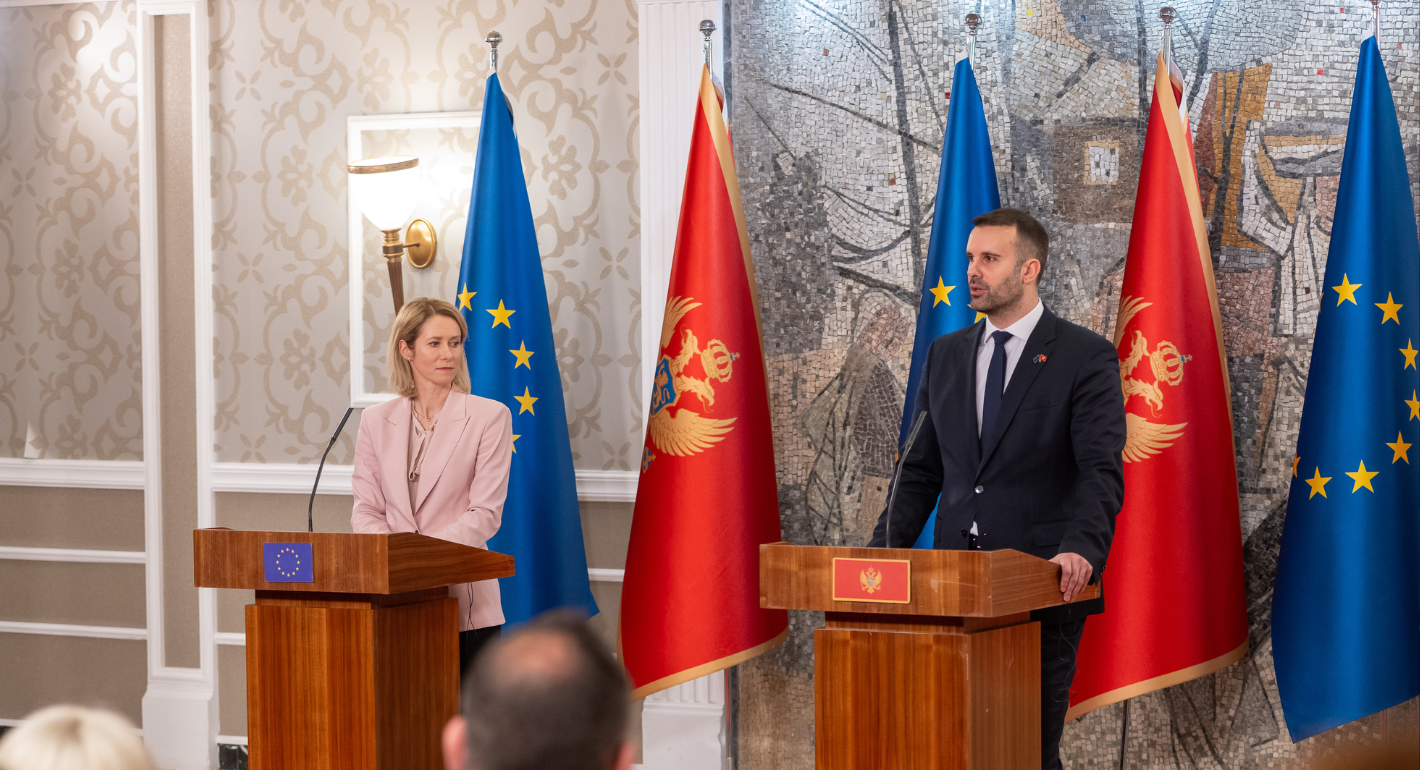
Montenegro and Albania are frontrunners for EU enlargement in the Western Balkans, but they can’t just sit back and wait. To meet their 2030 accession ambitions, they must make a strong positive case.


Dimitar Bechev, Iliriana Gjoni
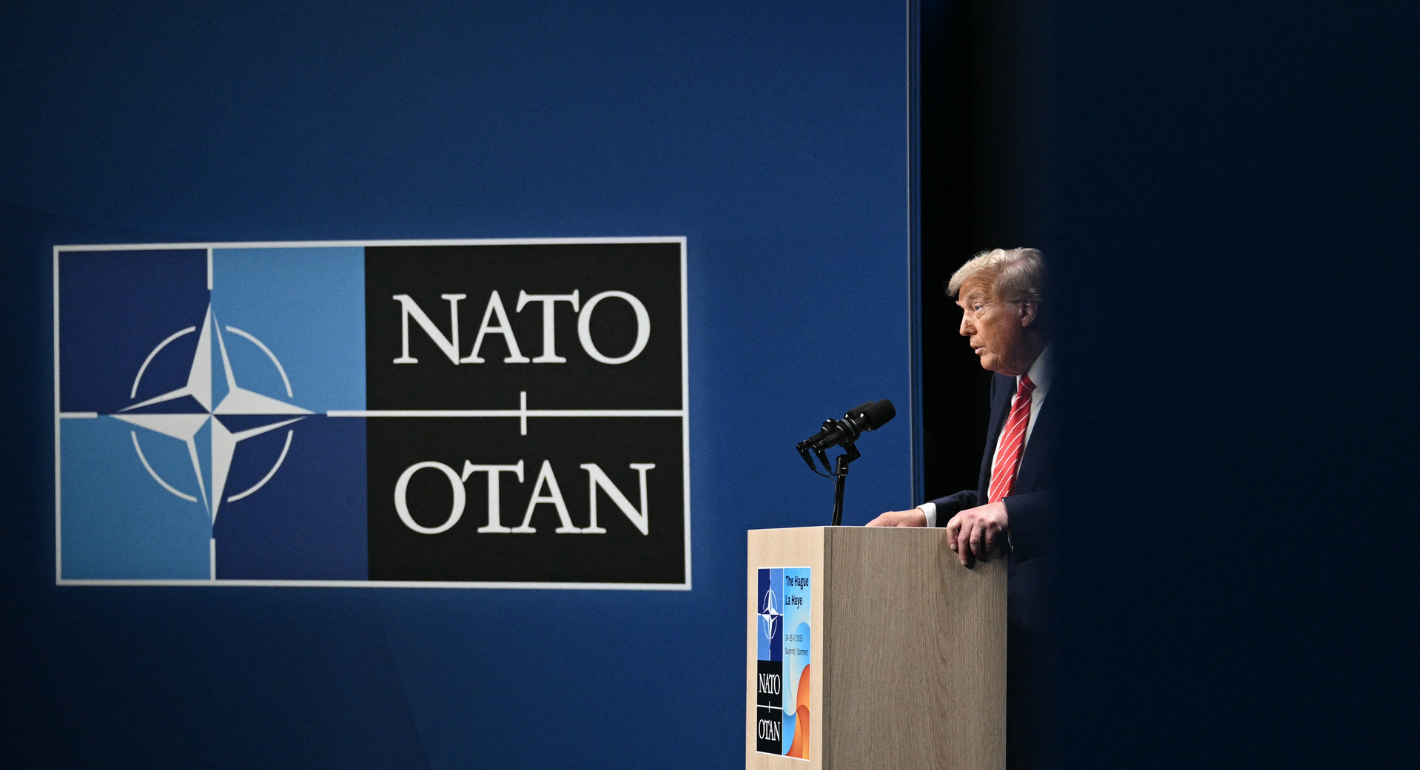
Donald Trump has repeatedly bashed NATO and European allies, threatening to annex Canada and Greenland and deploring their lack of enthusiasm for his war of choice in Iran. Is this latest round of abuse the final straw?

Rym Momtaz, ed.
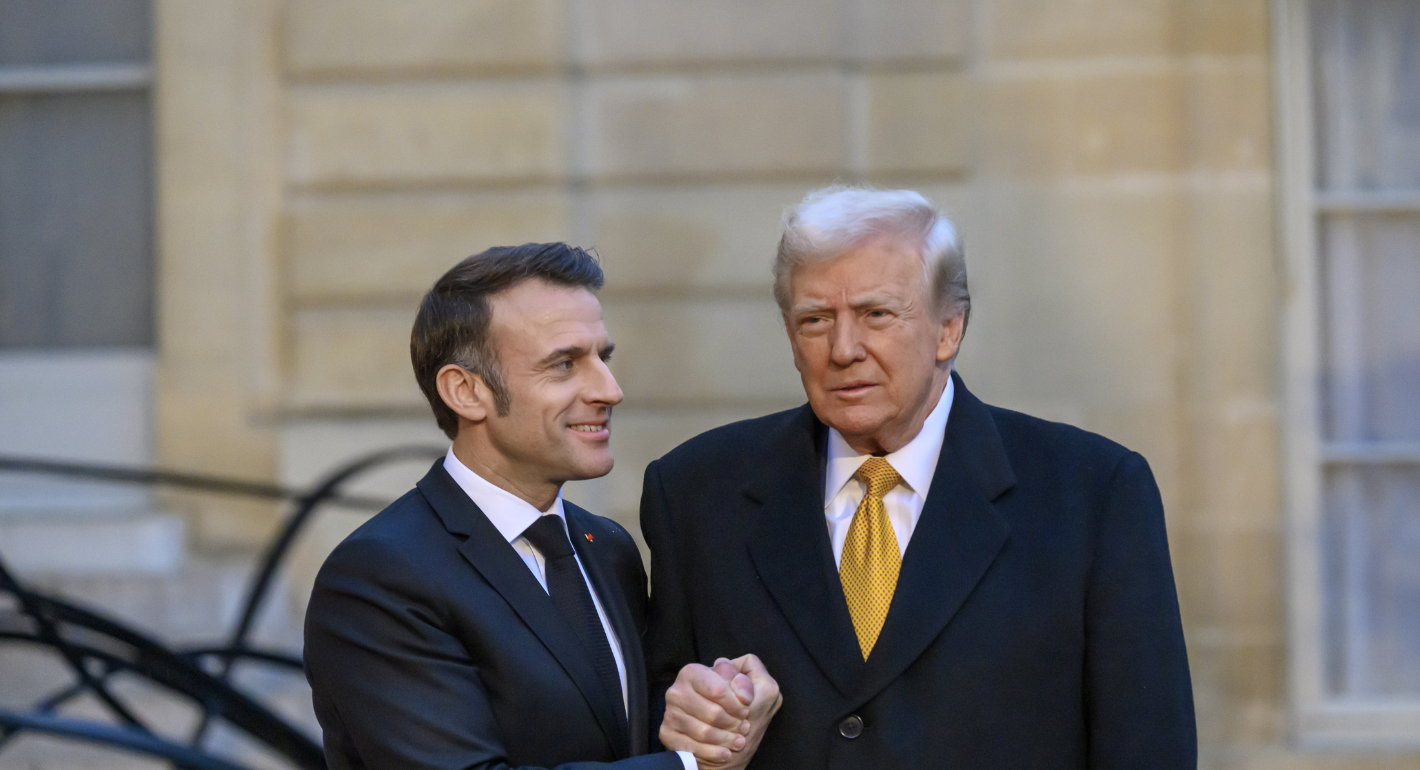
Donald Trump’s repudiation of NATO goes against the Make America Great Again vision of a U.S.-centered foreign policy. If the goal is to preserve the alliance by boosting Europe’s commitments, leaning into France’s vision is the most America First way forward.
Rym Momtaz
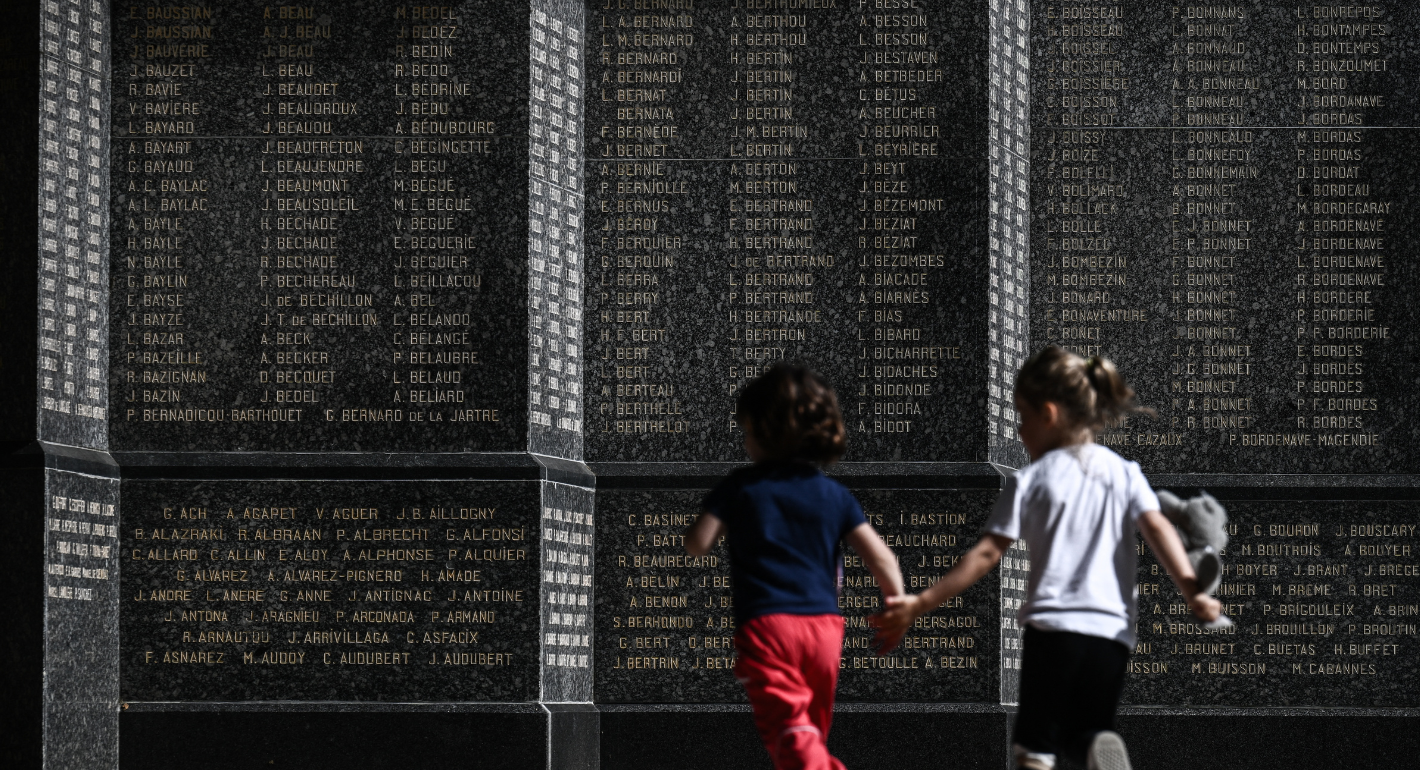
The wars in Ukraine and the Middle East are existential threats to Europe as a peace project. Leaders and citizens alike must reaffirm their solidarity to face up to today’s multifaceted challenges.

Marc Pierini
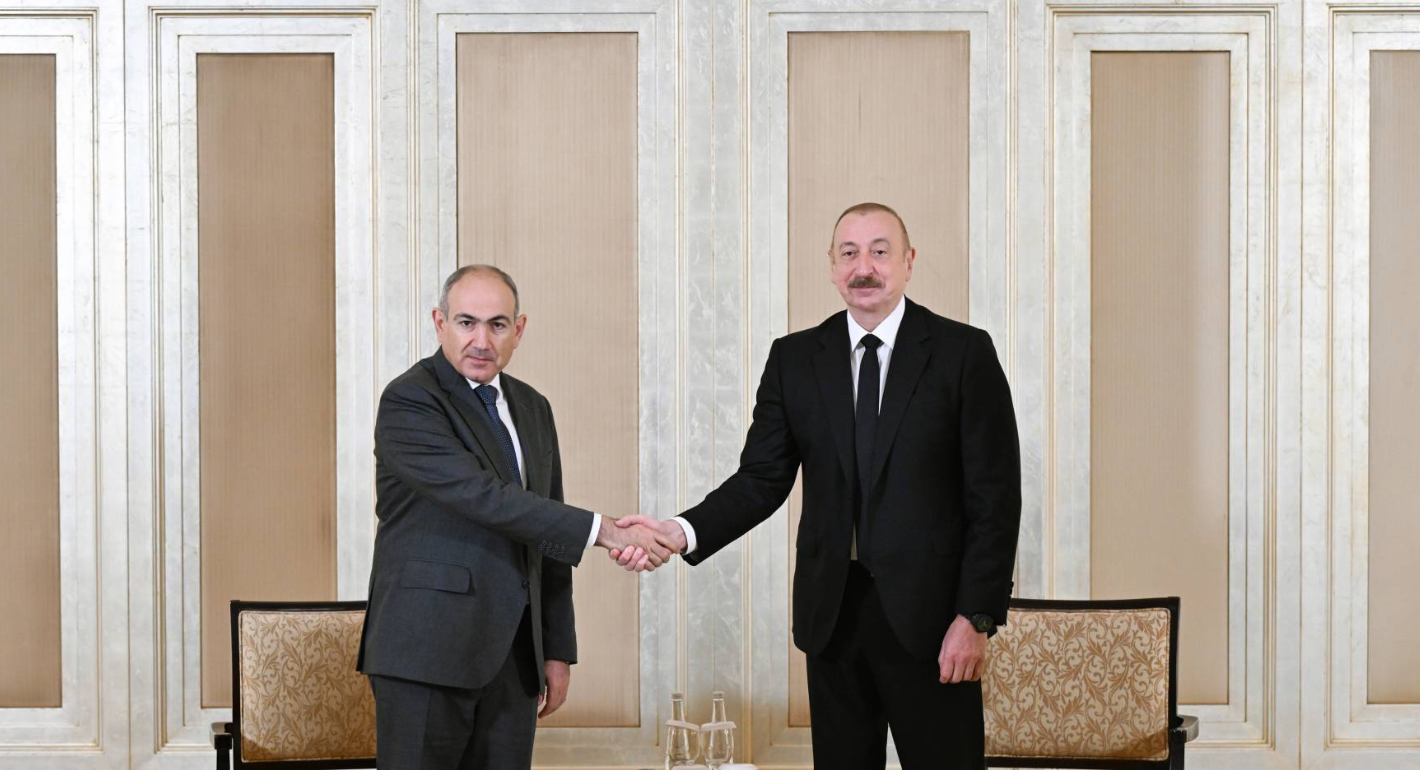
The U.S.-sponsored TRIPP deal is driving the Armenia-Azerbaijan peace process forward. But foreign and domestic hurdles remain before connectivity and economic interdependence can open up the South Caucasus.


Thomas de Waal, Areg Kochinyan, Zaur Shiriyev