

Commentary
Tatiana Stanovaya
{
  "authors": [
    "Tatiana Stanovaya"
  ],
  "type": "commentary",
  "centerAffiliationAll": "",
  "centers": [
    "Carnegie Endowment for International Peace",
    "Carnegie Russia Eurasia Center"
  ],
  "collections": [],
  "englishNewsletterAll": "",
  "nonEnglishNewsletterAll": "",
  "primaryCenter": "Carnegie Endowment for International Peace",
  "programAffiliation": "",
  "programs": [],
  "projects": [],
  "regions": [
    "Russia"
  ],
  "topics": [
    "Economy"
  ]
}
Source: Getty
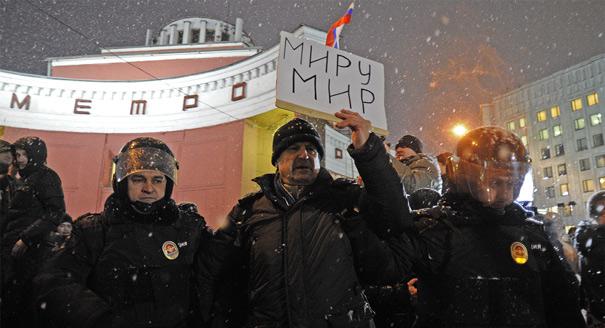
A new spiral of international escalation would rapidly accelerate and entrench the repressive trends that have been in ascendancy in Russian public life in recent years. Any dissatisfaction will be crushed with redoubled strength, including when it emerges within the in-system opposition.
Two months after Russian President Vladimir Putin demanded the Foreign Ministry obtain “serious, long-term security guarantees” from the West, it has become obvious that there will be no major successes. Having promised a “military-technical” response if negotiations fail, Russia is currently amassing its military might on the Ukrainian border.
If a military conflict does occur, its repercussions would be no less significant for domestic Russian politics than for foreign relations. Repression would increase and the forces of conservatism would very much gain the upper hand.
Some believe a war would lead to internal upheaval in Russia. They argue that tough new Western sanctions and a rise in military spending would worsen the socioeconomic situation and increase the risk that the authorities could lose control. This would result in a spike in support for protests, the radicalization of the in-system opposition (the parties which are generally politically cautious), and conflict within the ruling elite.
While that certainly looks logical, there is actually more evidence to suggest events would develop very differently. Rather than losing control, the authorities would actually be able to strengthen their grip. And, unlike the aftermath of the annexation of Crimea in 2014, it would not be accompanied by public euphoria, but by coercion and repression.
There are several compelling reasons to believe this latter scenario is far more likely. First and foremost is the growing influence of a conservative, anti-liberal, and anti-Western elite in decisionmaking. The security services, or siloviki, are squeezing out not only Kremlin officials responsible for “managing” domestic politics, but also diplomats, who are being forced to adopt hawkish rhetoric and a confrontational style, and push for a conscious and demonstrative escalation. For the siloviki and their allies, the collapse of negotiations with the West, growing confrontation, and new sanctions would not be a problem: on the contrary, their positions would be strengthened and they would be gifted more opportunities to grow their power and influence.
A military escalation would heighten the sense of a national emergency, in which laws can be disregarded; the ends justify the means; and there is no space for compromise with opponents. It would focus the president’s attention on the geopolitical agenda, and hand the siloviki more freedom of maneuver inside Russia.
Inevitably, war would lead to increased isolation, closer control over the media and the internet, pressure on foreign IT companies, and tighter control of political parties. More repression would be certain: not against the real political opposition, which has already been decimated, but against cultural figures, bloggers, apolitical civic activists, journalists, experts, and so on. The authorities would resent any wielding of “unsanctioned” influence, whether via social media posts, songs, articles, or interviews. Of course, this process is already under way, but it would become widespread, routine, and messy.
There will be no one prepared to seriously oppose such a course. Tellingly, the Moscow Times has reported that—despite expectations of a financial and economic shock—no one in Russia’s business elite would publicly question the leadership in the event of a war. This is entirely understandable: remaining unnoticed and not giving anyone a reason to doubt your loyalty is the best survival strategy in modern Russia.
Faced with financial difficulties, the government would inevitably increase the tax burden on business. One recent initiative of the Federal Antimonopoly Service was to look at the requisitioning of foreign investors’ shares in “strategic businesses”: a clear signal that foreign businesses in Russia will become more vulnerable.
There is a feeling among the Russian leadership that the country has enough money to see itself through. Unlike then prime minister Dmitry Medvedev’s infamous 2016 utterance—“there’s no money, but you hang in there”—the Finance Ministry today is saying publicly that there is plenty of money. While the size of Russia’s foreign currency reserves did hit a historic high in 2021, this is not a question of objective data but subjective opinions: Putin’s speeches about the economic situation in Russia are full of optimism, creating the impression that the country is sitting pretty.
The Kremlin has shown that it is willing to engage in opportunistic social spending to calm the public mood or ease the passage of political change, such as ahead of the nationwide vote on changing the constitution in 2020, and the 2021 parliamentary elections. The authorities are ready to make financial investments to preserve a minimum level of loyalty to the regime.
Since at least 2020, the Kremlin has focused on not only suppressing the non-system opposition, which it has never afforded representation, but also sidelining the in-system opposition. Relations with the in-system Communist Party are becoming more strained, and pressure on the party’s radical wing has been growing. But an international escalation will make the Kremlin focus on the total political neutralization of the Communists. Control over elections will increase, and voting at all levels will become, once and for all, nothing more than plebiscite campaigns with preapproval from the Kremlin required for all candidates. This will push Russian society into a deep political depression.
A drive to increase Kremlin control will inevitably reach other areas of life as well. Current conversations about “traditional values” will grow into a full-fledged moral campaign impacting everything from employment and education to interaction with foreigners and social media.
A new spiral of international escalation would accelerate and entrench the repressive trends that have been in ascendancy in Russian public life in recent years. Any dissatisfaction will be crushed with redoubled strength, including when it emerges within the in-system opposition. The Kremlin’s political managers could also face a reshuffle, which would likely result in an increased role for the siloviki in domestic politics.
As for society, there would likely be some sort of forced patriotic mobilization. Instead of a natural coming together, as in 2014, it would be characterized by coercion and displays of sham loyalty. The divergence between a fake system marching in lockstep and a mood of doom and gloom would quickly become a yawning chasm—with all the risks that entails.

Senior Fellow, Carnegie Russia Eurasia Center
Tatiana Stanovaya is a senior fellow at the Carnegie Russia Eurasia Center.
Recent Work
Tatiana Stanovaya
Tatiana Stanovaya

Trump is distracted and Ukraine wants Europe to step up. The continent’s leaders must find their voice and assert it in talks with Russia.

Alissa de Carbonnel

Mounting economic strain and battlefield losses will not necessarily make the Kremlin less dangerous. They could instead push Moscow toward a more aggressive hybrid campaign designed to test NATO’s Eastern flank, exploit allied hesitation, and fracture European resolve.

Maksym Beznosiuk
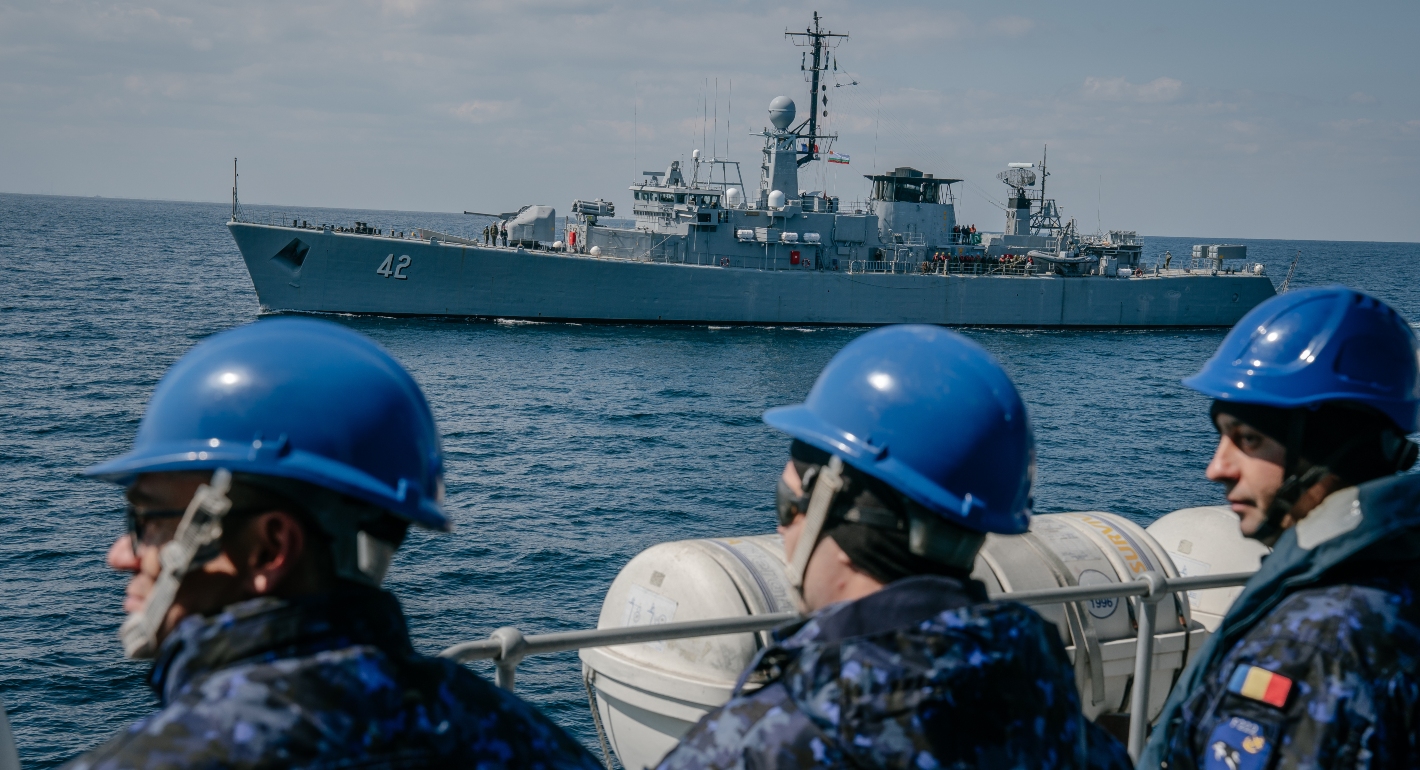
As Russia's war on Ukraine drags on, NATO is expanding its footprint in the Black Sea. Turkey, Romania, and Bulgaria are upgrading their fleets and deepening trilateral cooperation.

Dimitar Bechev
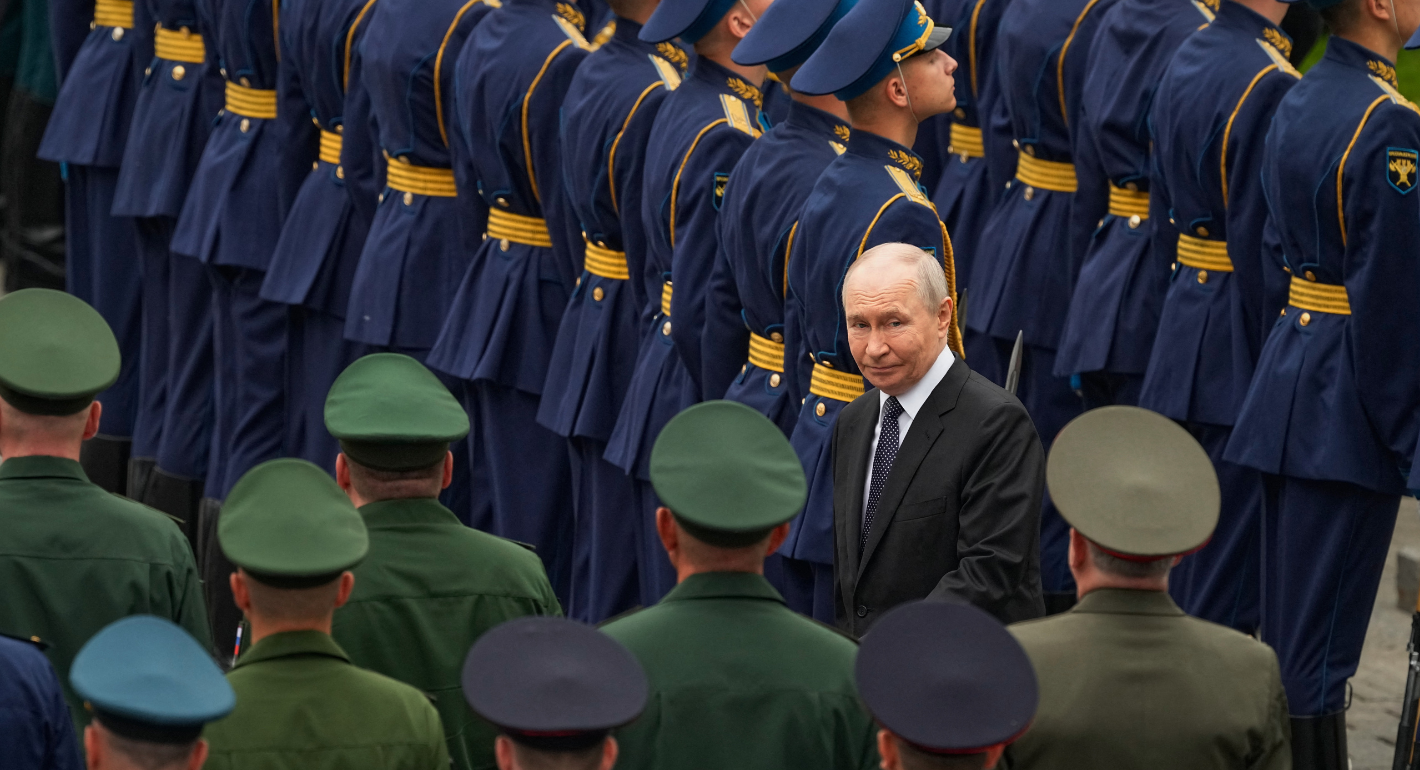
While Russia is not ready to sue for peace on Europe’s terms, it could still either seek a ceasefire in Ukraine or try escalation. Brussels needs to prepare for both and prioritize that preparation over normative discussions.
Kadri Liik
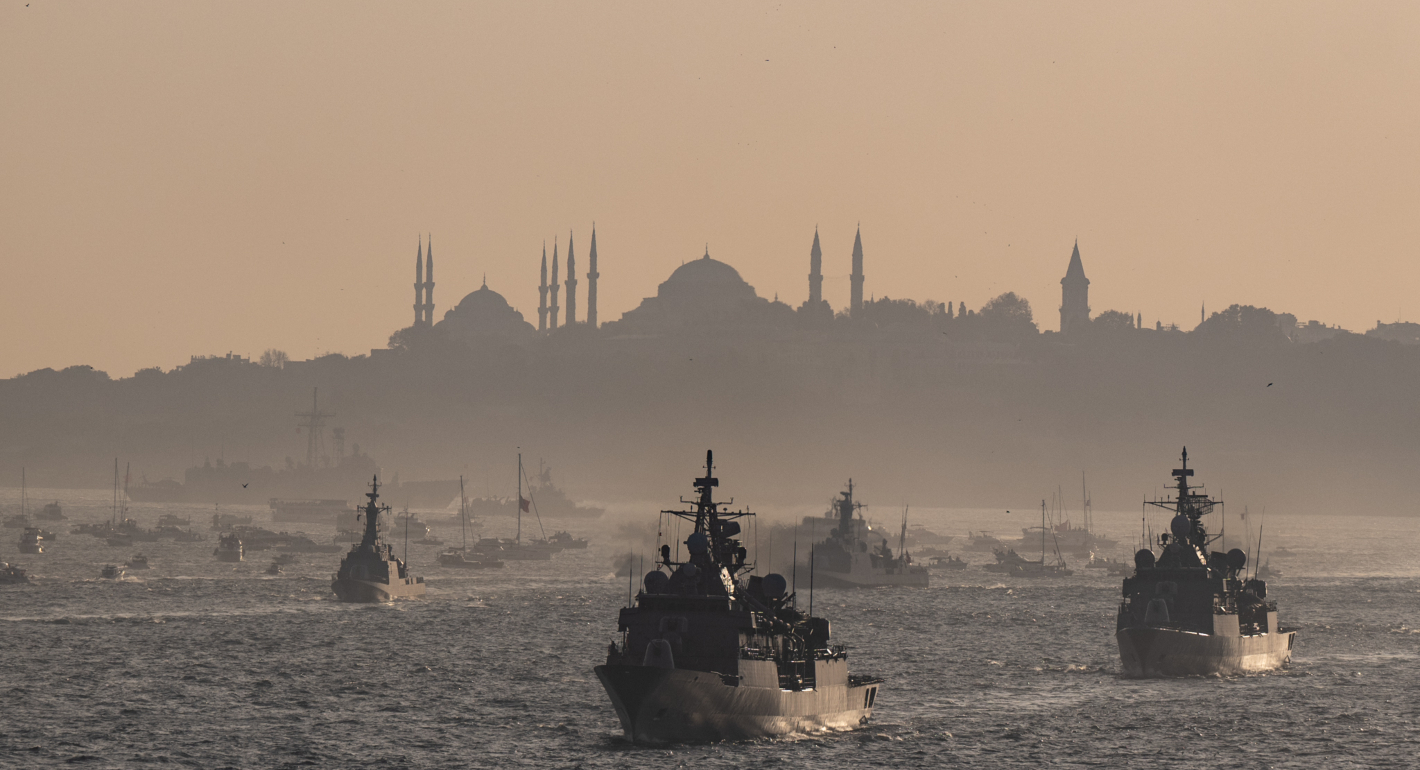
For ninety years, Turkey has been positioned as the principal gatekeeper of Black Sea security. As a result, European and NATO efforts to support Ukraine will require closer engagement with Ankara.

Thomas de Waal