

Paper
Noah Gordon, Liana Schmitter-Emerson
{
  "authors": [
    "Noah Gordon"
  ],
  "type": "commentary",
  "centerAffiliationAll": "dc",
  "centers": [
    "Carnegie Endowment for International Peace"
  ],
  "collections": [
    "Clean Energy Transition"
  ],
  "englishNewsletterAll": "ctw",
  "nonEnglishNewsletterAll": "",
  "primaryCenter": "Carnegie Endowment for International Peace",
  "programAffiliation": "SCP",
  "programs": [
    "Sustainability, Climate, and Geopolitics"
  ],
  "projects": [],
  "regions": [
    "North America",
    "United States"
  ],
  "topics": [
    "Climate Change"
  ]
}
Source: Getty
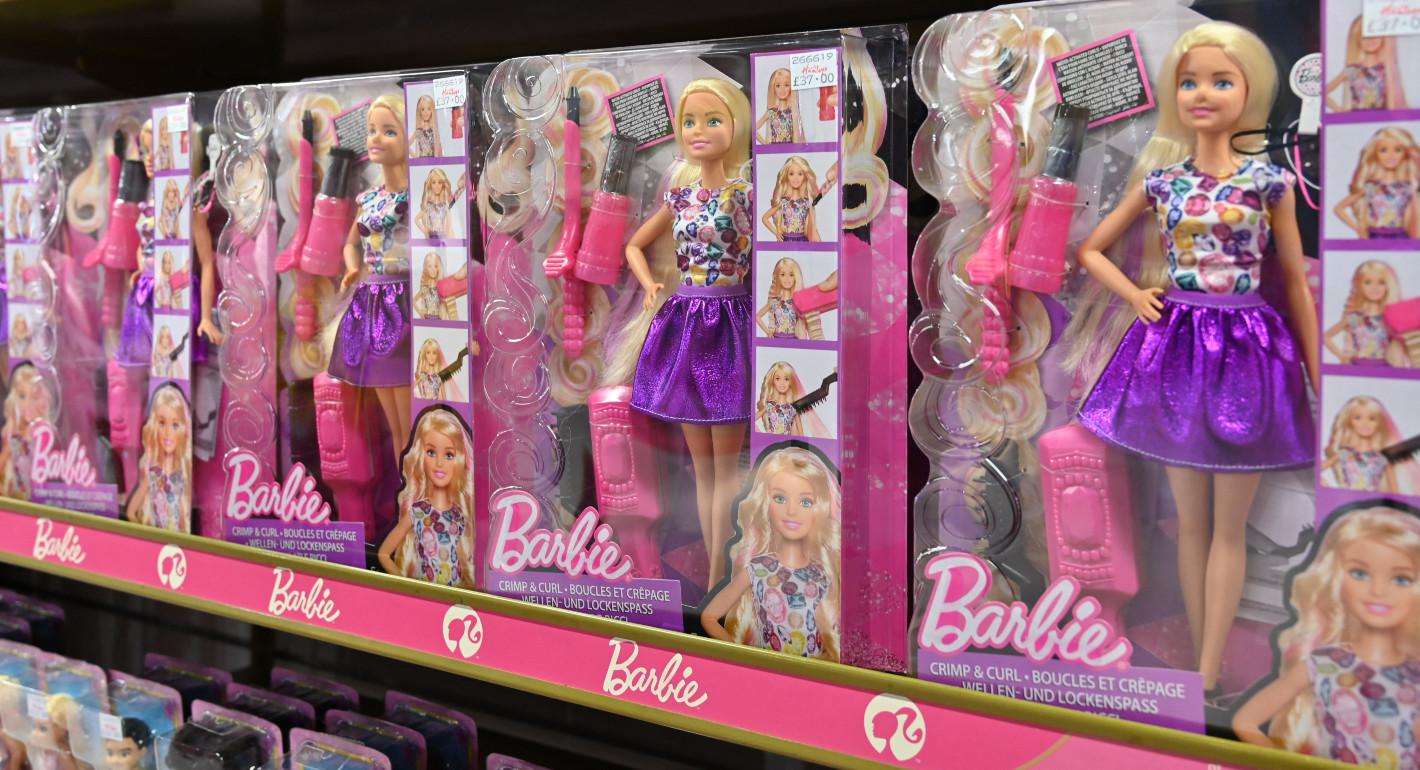
The material to make the famous children’s toy—and now highly anticipated film—contributes to greenhouse gas emissions.
As much of the world eagerly awaits the new Barbie film starring Margot Robbie, UN negotiators are trying to address the parts of our plastic world that aren’t so fantastic.
Plastic products—from dolls to sneakers to tires—are often essential to modern life, but they’re also harmful to our planet and our health. Most plastic is produced using gas and oil, so it contributes to global warming. It also damages the environment by contaminating oceans and harming marine life.
UN negotiators are trying to hammer out a global, legally binding plastics treaty by the end of 2024 that would aim to halt the explosion of plastic waste by focusing on reuse and recycling. The goal is to cut plastic waste 80 percent by 2040. In addition, several countries formed the High Ambition Coalition to End Plastic Pollution, which advocates for global standards and restrictions on certain types of plastic.
But another group, including major oil and gas producers, is pushing for countries to be allowed to set their own goals in national action plans rather than following guidelines set at the UN level. Given that 20 percent of global oil could be used to make plastic by 2050, global standards could be hugely important for the future of fossil fuel extraction and associated greenhouse gas emissions.
Mattel, the company that makes Barbie, is at least trying to clean up its plastic use: by 2030, it aims to use 100 percent recycled, recyclable, or bio-based plastic in its toys and packaging. Fantastic—if it happens.

Former Fellow, Sustainability, Climate, and Geopolitics Program and Fellow, Europe Program
Noah J. Gordon was a fellow in the Sustainability, Climate, and Geopolitics Program at the Carnegie Endowment for International Peace in Washington, DC.
Recent Work
Noah Gordon, Liana Schmitter-Emerson



Sophia Besch, Eric Ciaramella, Steve Feldstein, …
Carnegie does not take institutional positions on public policy issues; the views represented herein are those of the author(s) and do not necessarily reflect the views of Carnegie, its staff, or its trustees.

While the EU and European governments are embracing the much-lauded middle-power moment, this entails three difficult conundrums.

Richard Youngs

Europe is facing rising populism internally as well as external pressures from Russia, China, Turkey, and the United States.

Dimitar Bechev

European NATO countries are wrestling with the possibility of U.S. disengagement from the alliance. With the continent’s security increasingly uncertain, governments must restore the credibility of their collective defense.



Hans-Dieter Lucas, Adam Thomson, Pierre Vimont

The new U.S.–Denmark–Greenland agreement will help Washington exert political, economic, and financial dominance under the guise of security. Yet, it acknowledged Copenhagen’s and Nuuk’s sovereignty on the island.

Marc Pierini

European Commission President Ursula von der Leyen is about to give her annual address on the state of the EU. Here’s what she won’t—but should—say.

Rym Momtaz