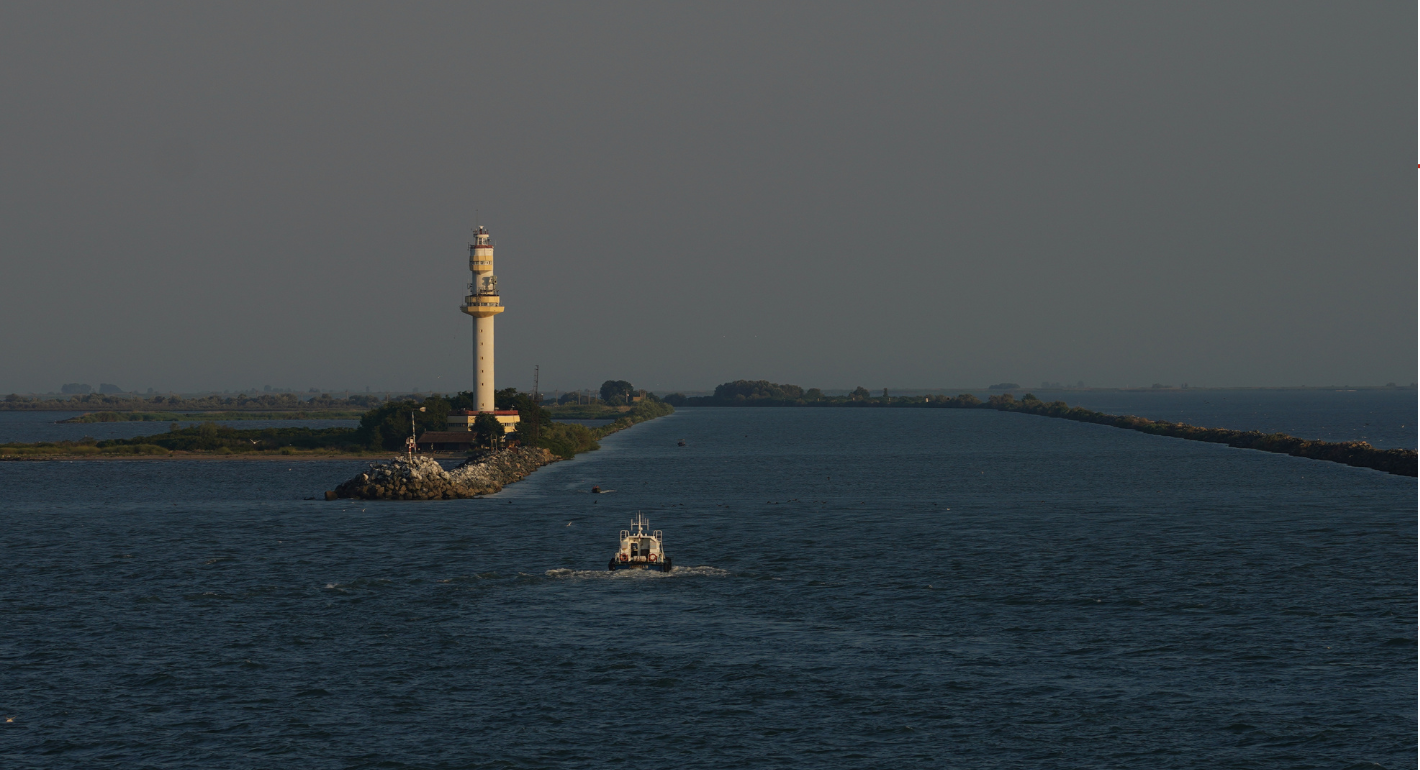

A prophetic Romanian novel about a town at the mouth of the Danube carries a warning: Europe decays when it stops looking outward. In a world of increasing insularity, the EU should heed its warning.
Thomas de Waal
test
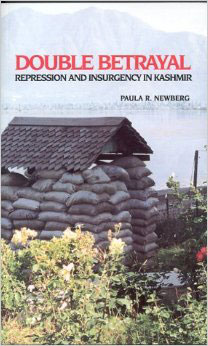
Source: Washington, DC: Carnegie Endowment for International Peace, 1995
Since 1989, the crisis in Kashmir has become an emblem of post-Cold War conflict. Irredentism and insurgency, coupled with the ambitions of India and Pakistan, have created an atmosphere that threatens regional peace. In varying degrees and different ways, the rights of Kashmiris have been violated by all parties to these conflicts. The author examines the nature of rights abuses since the insurgency began; the ways that the politics of human rights have been manipulated by governments, military forces, and insurgents alike; and the polarizing effects of these policies.
Carnegie does not take institutional positions on public policy issues; the views represented herein are those of the author(s) and do not necessarily reflect the views of Carnegie, its staff, or its trustees.
A prophetic Romanian novel about a town at the mouth of the Danube carries a warning: Europe decays when it stops looking outward. In a world of increasing insularity, the EU should heed its warning.
Thomas de Waal
The debate on the future of European deterrence has intensified, as NATO allies seek to balance three key aims. Going forward, they will need to cooperate more deeply to craft a coherent strategy for confronting new threats.
Sophia Besch, Jamie Kwong
A populist movement has taken power in Czechia, reinforcing the steady rise of far-right parties across Central Europe. While united by the idea of regaining sovereignty, these forces remain divided on vital issues such as their stance toward Russia.
Judy Dempsey
Moldova’s parliamentary election is make-or-break for the country’s European future. The outcome will test whether Chișinău will stay on the EU accession path or fall prey to Russia’s multi-domain interference campaign.
Oana Popescu-Zamfir
In recent weeks, Russia has tested NATO by sending drones and fighter jets into the alliance’s territory. NATO has opted so far for a restrained response, but should it have done more to deter Moscow?
Rym Momtaz