

Commentary
Beyond the tragedy of the Armenians, many countries in the region and internationally have a stake in what happens in the territory.
Marc Pierini
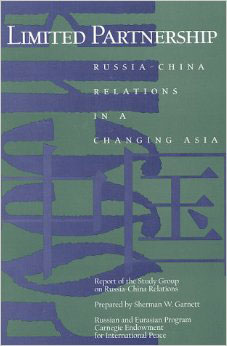
Based on the findings of a Study Group made up of American, Russian, and Chinese scholars, Limited Partnership explores the issues that will cement the budding relationship, including demilitarization, trade, and a shared view of regional and global issues.
Source: Washington, DC: Carnegie Endowment for International Peace, 1998
In April 1996, after over half a century of border disputes and deep-seated hostility, Russia and China entered into a "strategic partnership." The emergence of a Russia-China relationship will significantly affect international relations in a region already experiencing economic instability and political uncertainty.
Based on the findings of a Study Group made up of American, Russian, and Chinese scholars, Limited Partnership explores the issues that will cement the budding relationship, including demilitarization, trade, and a shared view of regional and global issues. It also discusses future challenges to strategic cooperation, such as the disparity in the economic growth of the two countries, Chinese migration, political instability in the Russian Far East, and diverging interests in East and Central Asia. After setting out various forms that the Russia-China relationship might take, the report examines the likely impact of these scenarios and offers recommendations for U.S. policy.
Note: The complete set of papers prepared for the Study Group can be found in Sherman Garnett's book, Rapprochement or Rivalry?
Carnegie does not take institutional positions on public policy issues; the views represented herein are those of the author(s) and do not necessarily reflect the views of Carnegie, its staff, or its trustees.
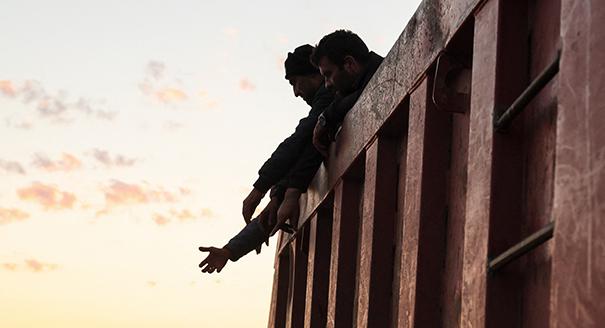
Beyond the tragedy of the Armenians, many countries in the region and internationally have a stake in what happens in the territory.

Marc Pierini
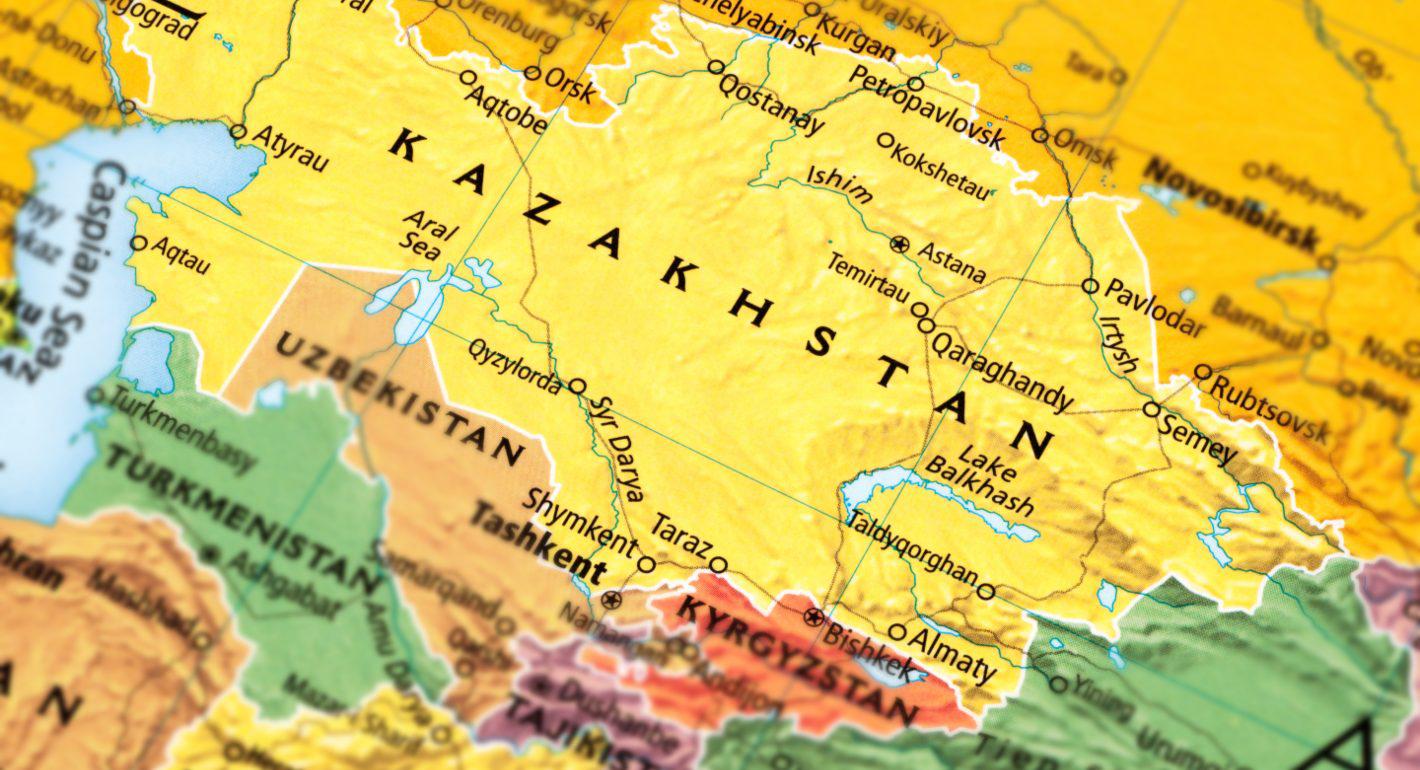
The EU has been stepping up its engagement with Central Asia, including on regional cooperation, energy, and connectivity. But to gain more clout, the union must present a positive alternative to powers like China and Russia.

Anna Matveeva
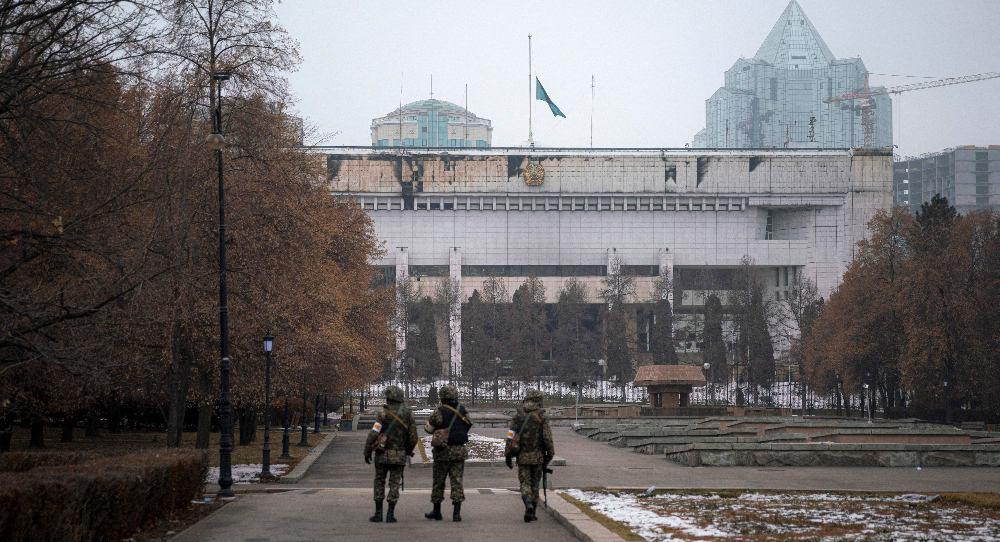
A rift in Kazakhstan’s elite has violently played out in the streets of the country. Foreign troop support may have kept President Tokayev in power, but it has also linked his political future to Vladimir Putin.
Luca Anceschi
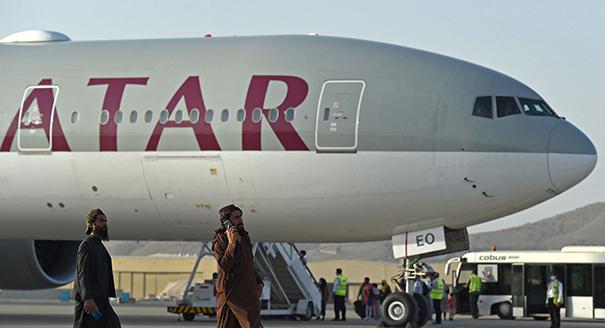
Turkey’s success in finding a role in Afghanistan could bring its leadership valuable benefits.
Marc Pierini
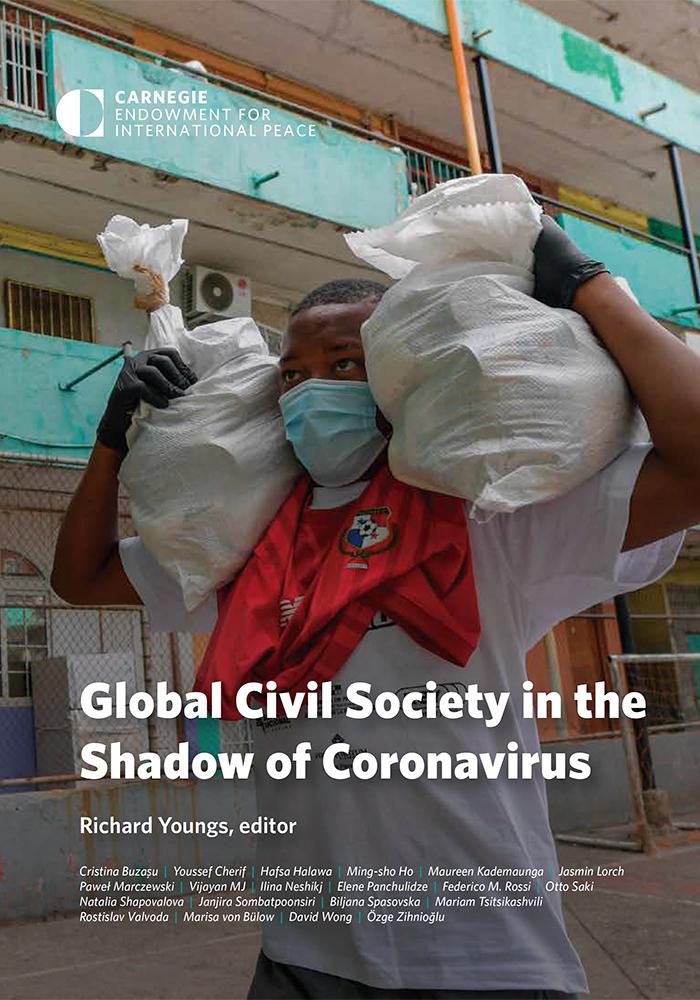
The coronavirus has been a wake-up call for global civil society. It will come out of the pandemic looking very different—and this change will be a significant factor in a now highly fluid international politics.

Richard Youngs