

In The Media
David Rothkopf

This comparative analysis of major efforts in Haiti, the Middle East, and Bosnia provides recommendations for better meeting the economic challenges of peace-building.
Source: Washington

This book is built around a detailed analysis of U.S. efforts in Bosnia-Herzegovina, in the Palestinian Territories, and in the Republic of Haiti. It assesses the effectiveness of U.S. strategic planning and the implementation of American economic plans in each of these situations, identifying areas where new approaches and programs may be needed to enhance the likelihood of success in the future.
With the resolution of regional conflicts looming as an increasingly important component of U.S. foreign policy and the concurrent unwillingness to expose U.S. forces to prolonged risk in these situations, post-conflict initiatives will prove to be more important than ever before. This book offers crucial insights into the challenges of promoting stability through the restoration of hope and opportunity to the victims of crises and provides a forward-looking assessment of the future demands and opportunities created in conjunction with the economic dimensions of peacekeeping.
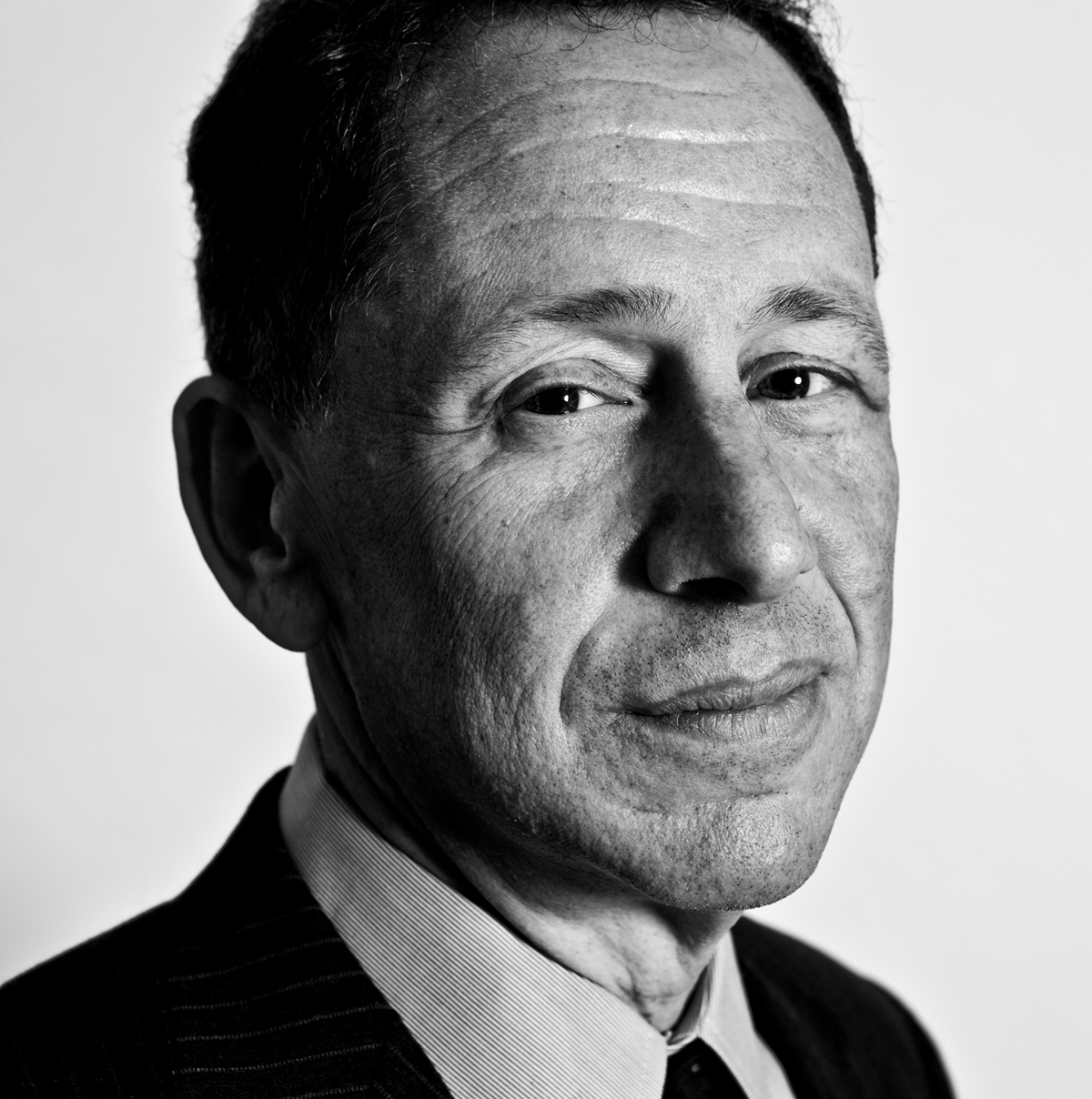
Former Visiting Scholar
David Rothkopf was a visiting scholar at the Carnegie Endowment as well as the former CEO and editor in chief of the FP Group.
Recent Work
David Rothkopf
David Rothkopf
Carnegie does not take institutional positions on public policy issues; the views represented herein are those of the author(s) and do not necessarily reflect the views of Carnegie, its staff, or its trustees.
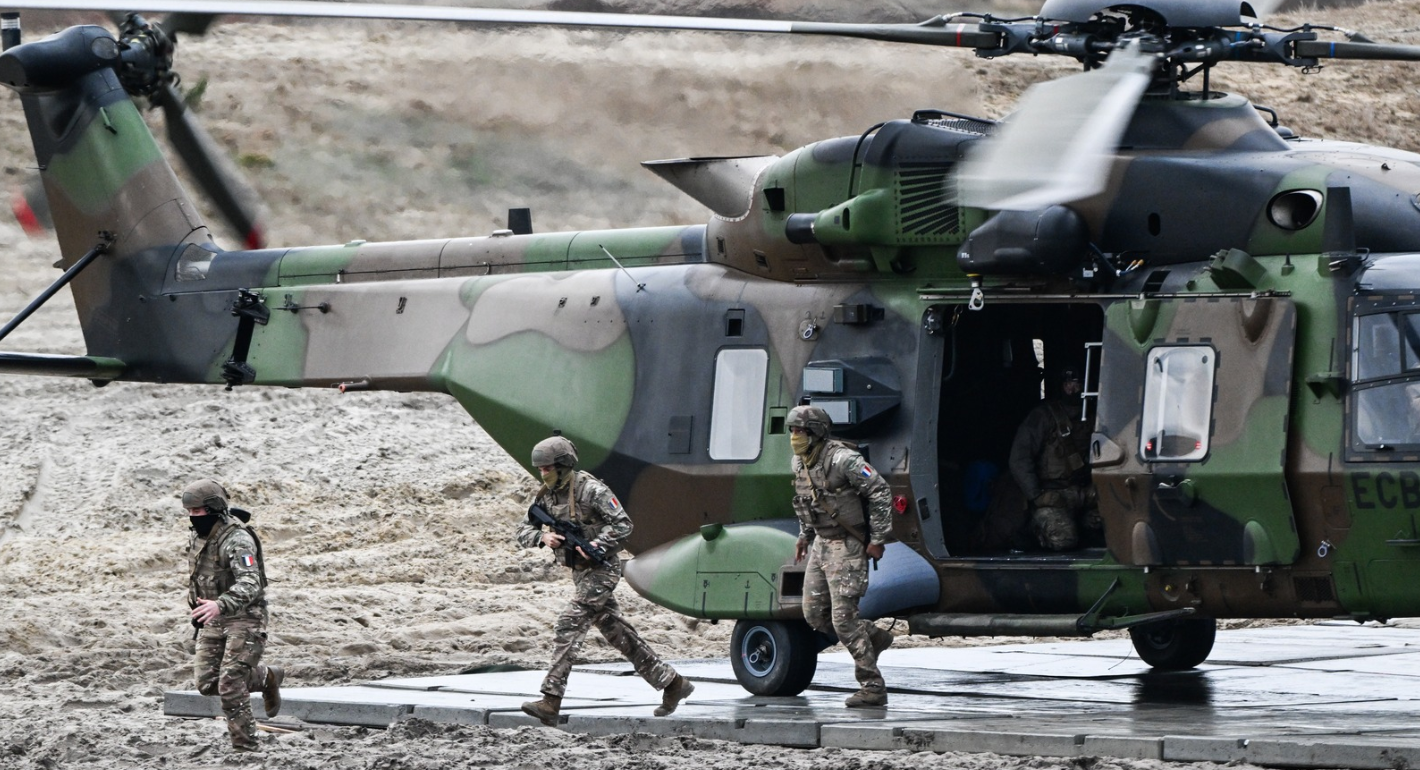
A trilateral summit in China was advertised as the new Yalta but yielded little more than a photo opportunity for Vladimir Putin. The real work was being done by the Europeans, quietly, in rural Poland.

Rym Momtaz
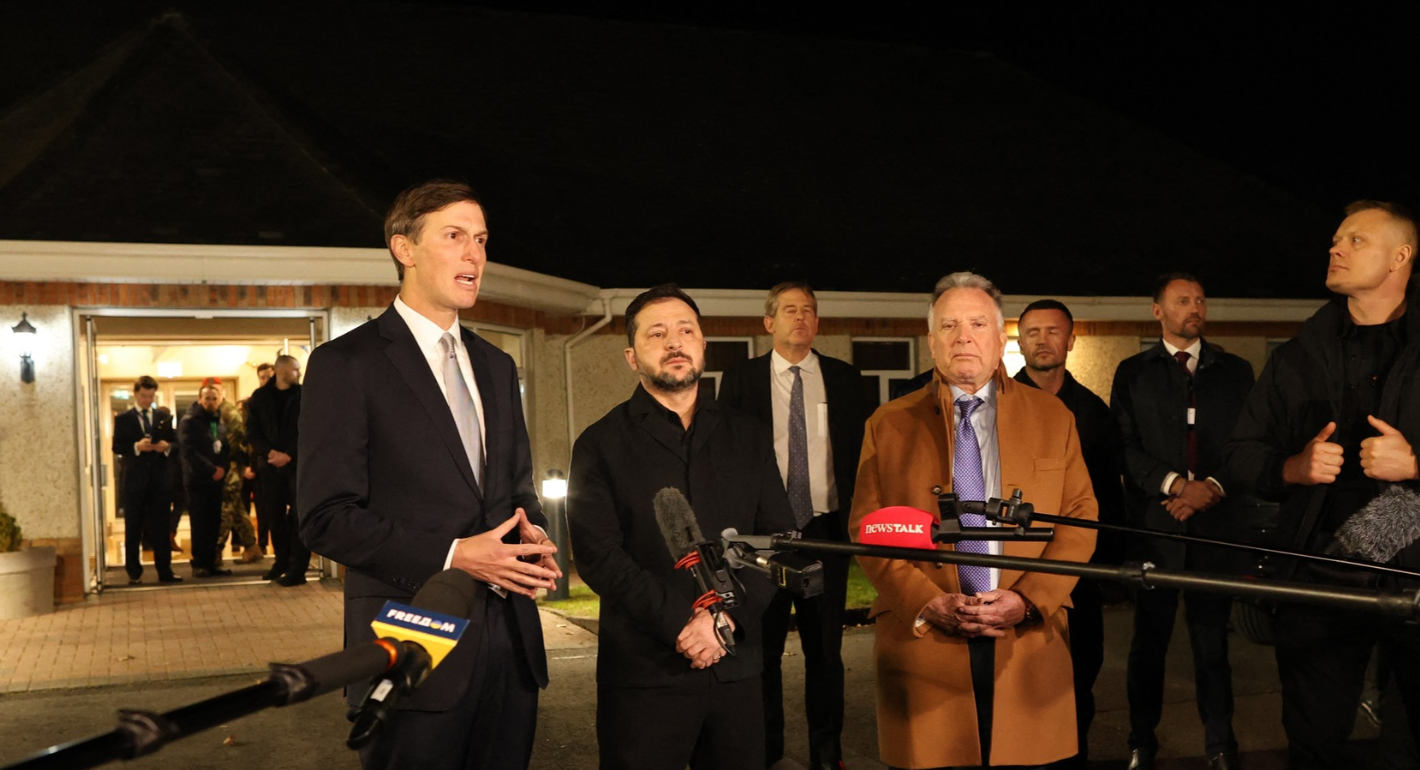
Russia’s maximalist demands are preventing any serious attempt at ending the war in Ukraine. To make peace a realistic prospect, Putin must recognize that diplomacy is a two-way street.
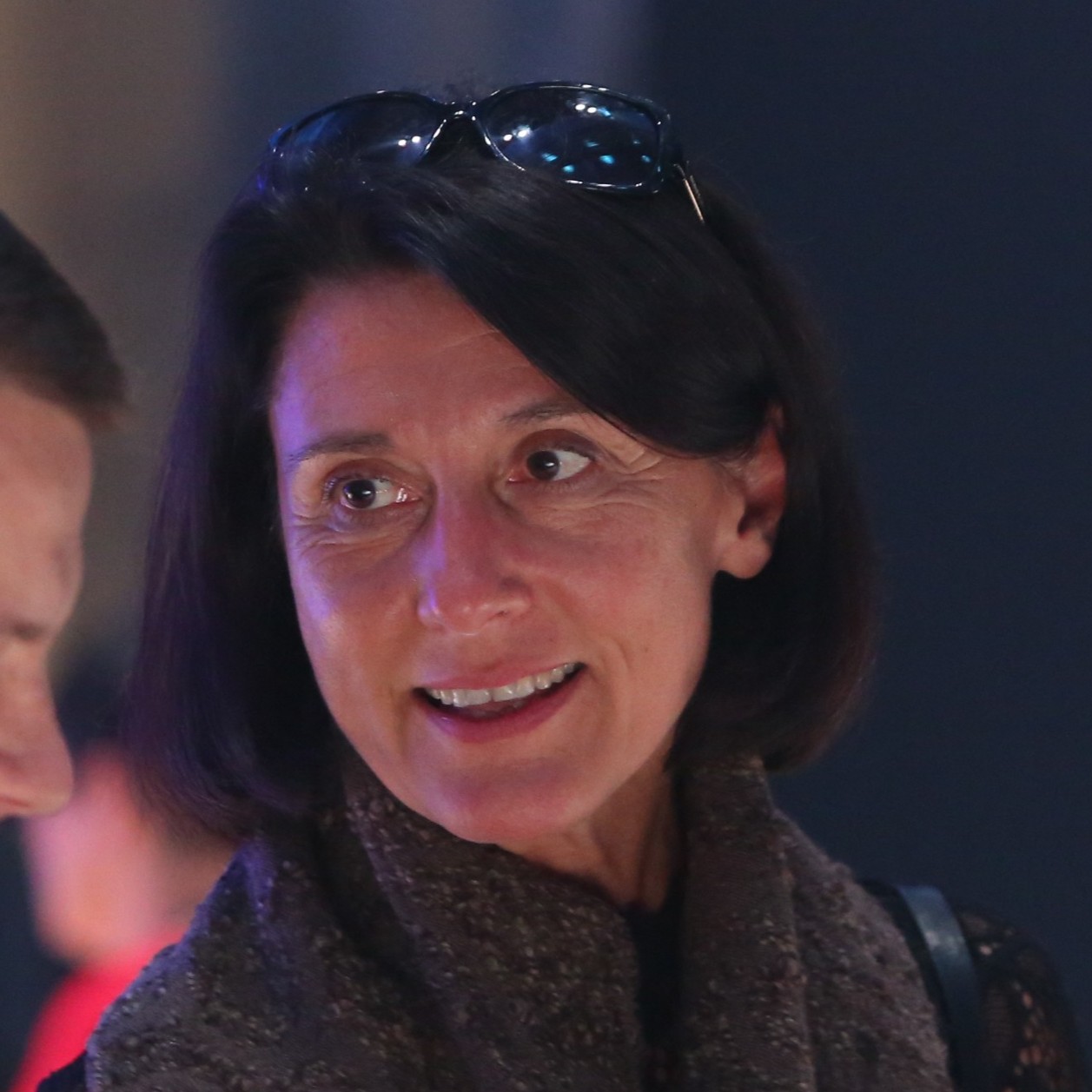
Kadri Liik

Too many national interests, too many EU institutions, and too little political will are preventing Europe from acting in its own best interests.
Judy Dempsey

As the nuclear order rapidly evolves, what can Europeans and other key players do to strengthen deterrence and reduce risks?

Jamie Kwong, ed.
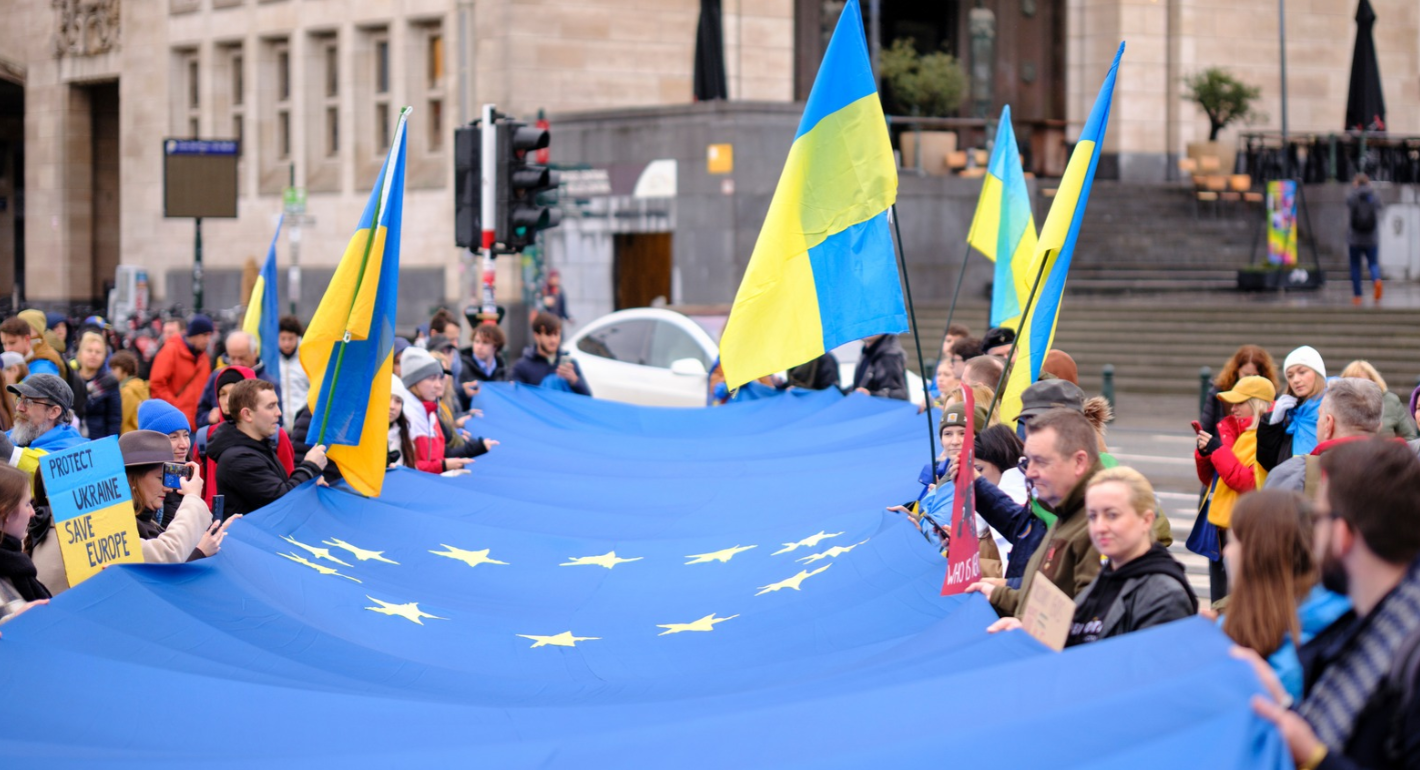
A sizeable funding shortfall looks increasingly likely to hit Ukraine in 2027. Can the Europeans, with their strained budgets and economies, come up with the cash without seizing frozen Russian assets?
Rym Momtaz, ed.