

Commentary
As Russia's war on Ukraine drags on, NATO is expanding its footprint in the Black Sea. Turkey, Romania, and Bulgaria are upgrading their fleets and deepening trilateral cooperation.
Dimitar Bechev

REQUIRED IMAGE
This month in New York, diplomats from 187 countries have convened for the latest Review Conference of the Nuclear Non-Proliferation Treaty (NPT). Since entering into force in 1970 and renewed indefinitely in 1995, this landmark agreement has been the central barrier to the spread of nuclear weapons.
Source: Carnegie
This month in New York, diplomats from 187 countries have convened for the latest Review Conference of the Nuclear Non-Proliferation Treaty (NPT). Since entering into force in 1970 and renewed indefinitely in 1995, this landmark agreement has been the central barrier to the spread of nuclear weapons. The conference, however, has exposed deep fissures in the treaty regime that can ironically be traced back to one of its key advocates—the United States.
The primary objective of the NPT is to constrain the "horizontal" spread of nuclear weapons to other countries. The treaty proclaims itself above all "an agreement on the prevention of wider dissemination of nuclear weapons," and the first three articles of the treaty are devoted to preventing countries from acquiring nuclear weapons.
In 1960, presidential candidate John F. Kennedy warned, "ten, fifteen, or twenty nations will have a nuclear capacity" by the end of the decade. NPT supporters argue that its success is confirmed by the emergence of only three new nuclear nations (Israel, India, and Pakistan) since the treaty entered into force, but opponents cite the same examples as evidence of the NPT’s ineffectiveness.
The second objective of the NPT is to "vertically" combat proliferation by reducing the arsenals of the five nuclear powers to zero. But eliminating weapons that have already been purchased, built, and deployed is fundamentally more ambitious and more difficult than the first objective.
In the view of United States officials, preventing new countries from acquiring nuclear weapons must be the focus of non-proliferation policy. The greatest threats to global security, they argue, come from North Korea, the Middle East, and South Asia.
Conference Divide
The conference has demonstrated, however, that the rest of the world does not share the same list of nuclear priorities. For most countries, the biggest proliferation challenge lies squarely in North America. Attention at the conference has been devoted to criticizing the five nuclear powers (the United States, Russia, Great Britain, China, and France) for making insufficient progress toward the goal of eliminating nuclear weapons.
Disappointment with the nuclear powers is so widespread that seven states friendly to the U.S.—Brazil, Egypt, Ireland, Mexico, New Zealand, South Africa, and Sweden—formed a "New Agenda Coalition" to refocus attention on this objective. The Coalition argued that because the nuclear-weapon states have not undertaken "systematic and progressive efforts" toward disarmament, the entire international non-proliferation regime is "in a fraught state."
The U.S. maintains that it is genuinely working toward disarmament, and the five nuclear powers issued a joint statement last week affirming their "unequivocal commitment" to that goal. From peaking in 1986 at almost 70,000 total nuclear warheads between them, the U.S. and Russia have eliminated approximately 38,000 warheads and continue to advance disarmament through the Strategic Arms Reduction Treaty (START) series—the second of which was ratified by Russia last month. The U.S. alone has dismantled over 13,000 weapons since 1989 and continues to dismantle at a rate of approximately 100 per month.
Other countries point out, however, that the deployed strategic nuclear arsenals of the U.S. and Russia have remained roughly constant since 1996—approximately 6,000 warheads for Russia and 7,200 for the United States. Furthermore, START and START-2 do not require the destruction of strategic warheads; instead, they only mandate that each country remove a portion of its arsenal from operational status.
The international community also questions U.S. sincerity in the face of plans to deploy a national missile defense (NMD) system, which even U.S. allies view as detrimental to global stability and security. American credibility suffered last week when a leaked document revealed U.S. assurances to Russia that it need not worry about a U.S. NMD because both countries would maintain "large, diversified, viable arsenals of strategic offensive weapons" over the next decade and thereafter.
The international focus on nuclear reductions and missile defense is frustrating for U.S. policy-makers. In their view, these criticisms are not only unfair but also harmful to non-proliferation goals by detracting from efforts to address "legitimate" proliferation problems such as India, Pakistan, Iran, and Iraq.
Frustration and grumbling obscure the basic lesson of the conference: international support for "horizontal" non-proliferation goals relies on realizing "vertical" nuclear reductions. Canadian Foreign Minister Lloyd Axworthy said the fundamental NPT bargain is "a promise by those without nuclear weapons not to acquire them, in exchange for a commitment by those possessing such weapons to eventually give them up."
Progress toward disarmament reassures non-nuclear states that they will not be vulnerable to nuclear coercion. Colombia’s representative to the Review Conference argued that "the total elimination of nuclear weapons is the only genuine guarantee for all non-nuclear-weapon states against the use or threat of use of nuclear weapons."
Granted, much of the criticism of the United States at the NPT conference is pure political rhetoric. Most countries are not about to build nuclear weapons simply out of frustration at U.S. hypocrisy. But U.S. national security requires the support of many nations for export controls, economic sanctions, and other instruments of non-proliferation policy—including preventing defections from the NPT.
The nuclear-weapon states must acknowledge that preventing the spread of nuclear weapons requires cooperation, which in turn relies on credibility and promises kept.
Todd Sechser is a Junior Fellow at the Carnegie Non-Proliferation Project.
Carnegie does not take institutional positions on public policy issues; the views represented herein are those of the author(s) and do not necessarily reflect the views of Carnegie, its staff, or its trustees.
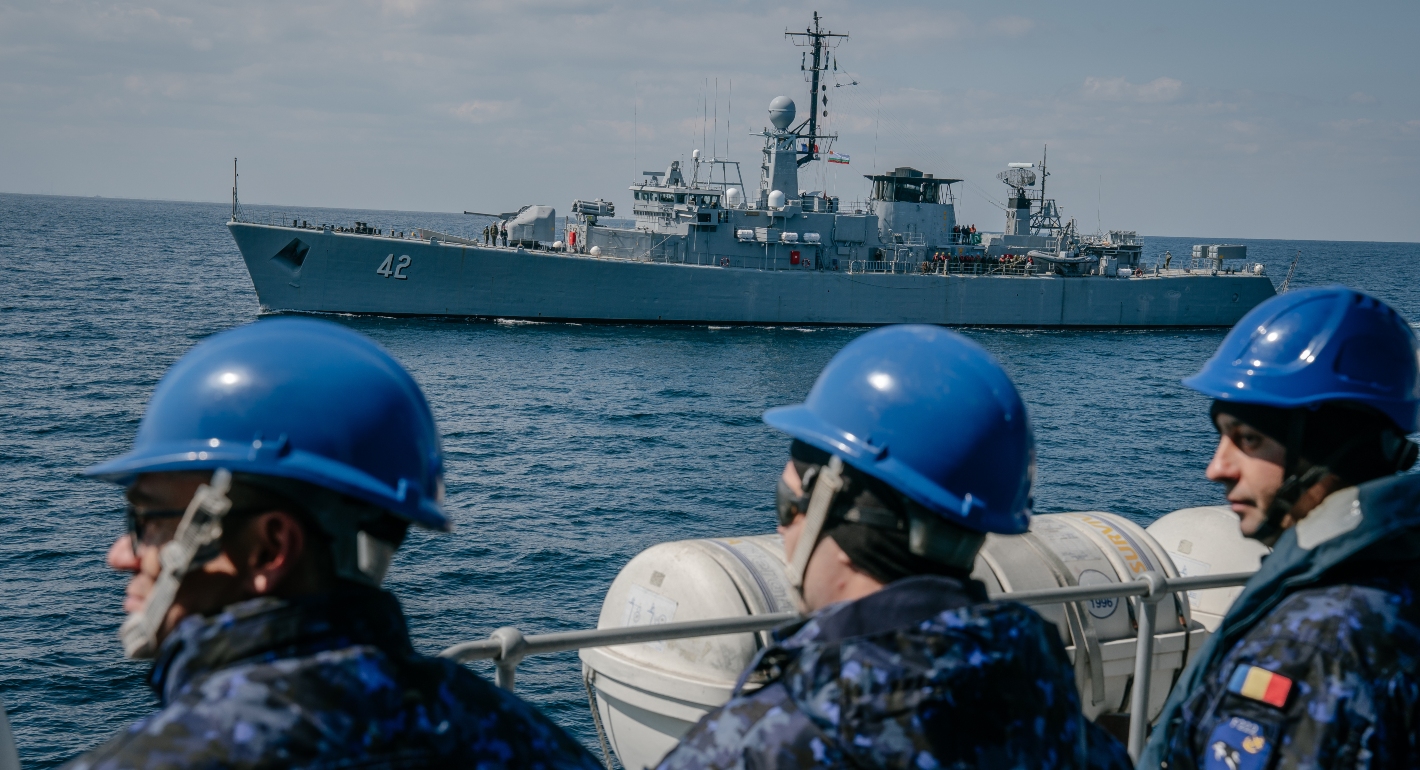
As Russia's war on Ukraine drags on, NATO is expanding its footprint in the Black Sea. Turkey, Romania, and Bulgaria are upgrading their fleets and deepening trilateral cooperation.

Dimitar Bechev
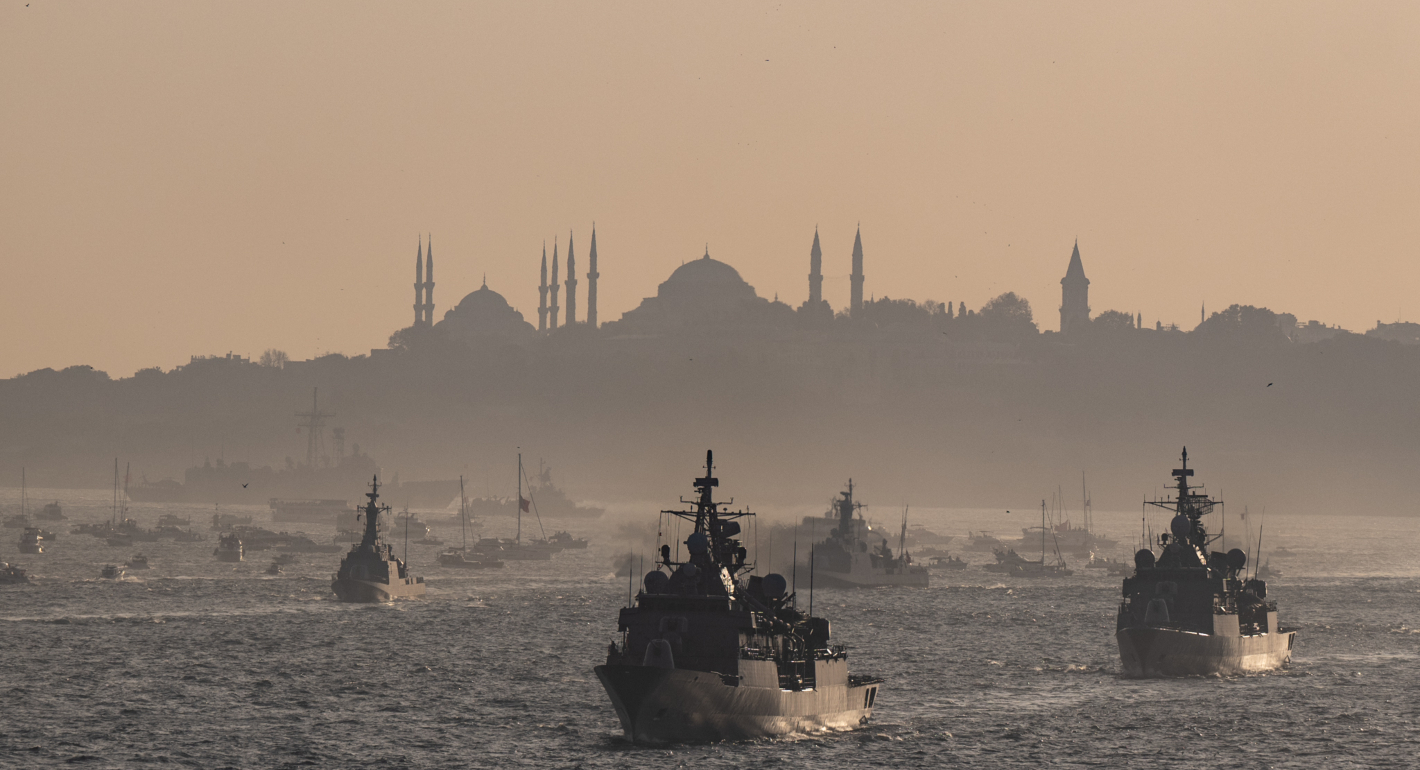
For ninety years, Turkey has been positioned as the principal gatekeeper of Black Sea security. As a result, European and NATO efforts to support Ukraine will require closer engagement with Ankara.

Thomas de Waal
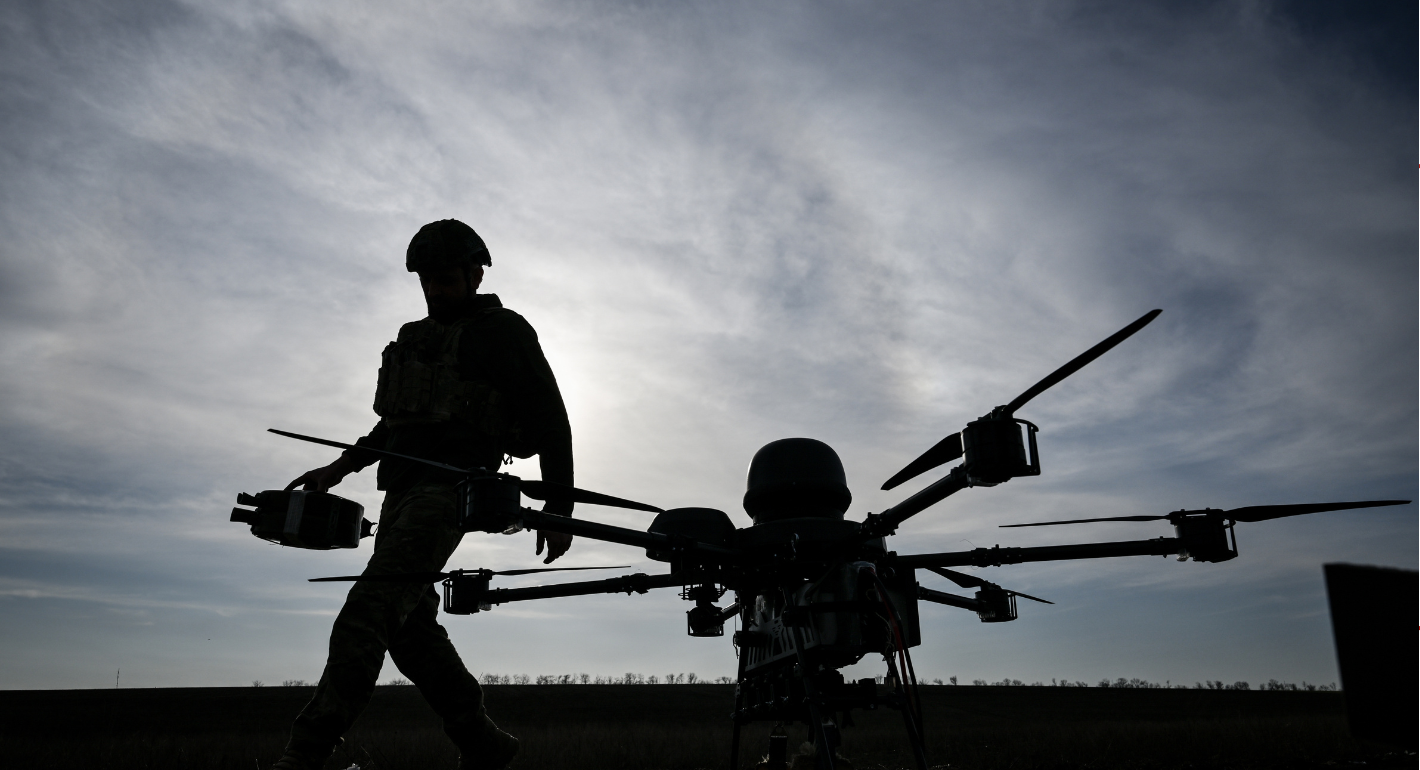
Defense tech innovations will be at the heart of Europe’s new security strategy. But so far, Brussels has been making moves without a broader plan, undermining readiness and credibility.

Raluca Csernatoni

When the U.S.-Iran memorandum of understanding was announced, the UK, France, Germany, and Italy declared their readiness to help demine the Strait of Hormuz and lift nuclear sanctions on Tehran. But does Europe need new tools to recover a diplomatic role?

Rym Momtaz, ed.
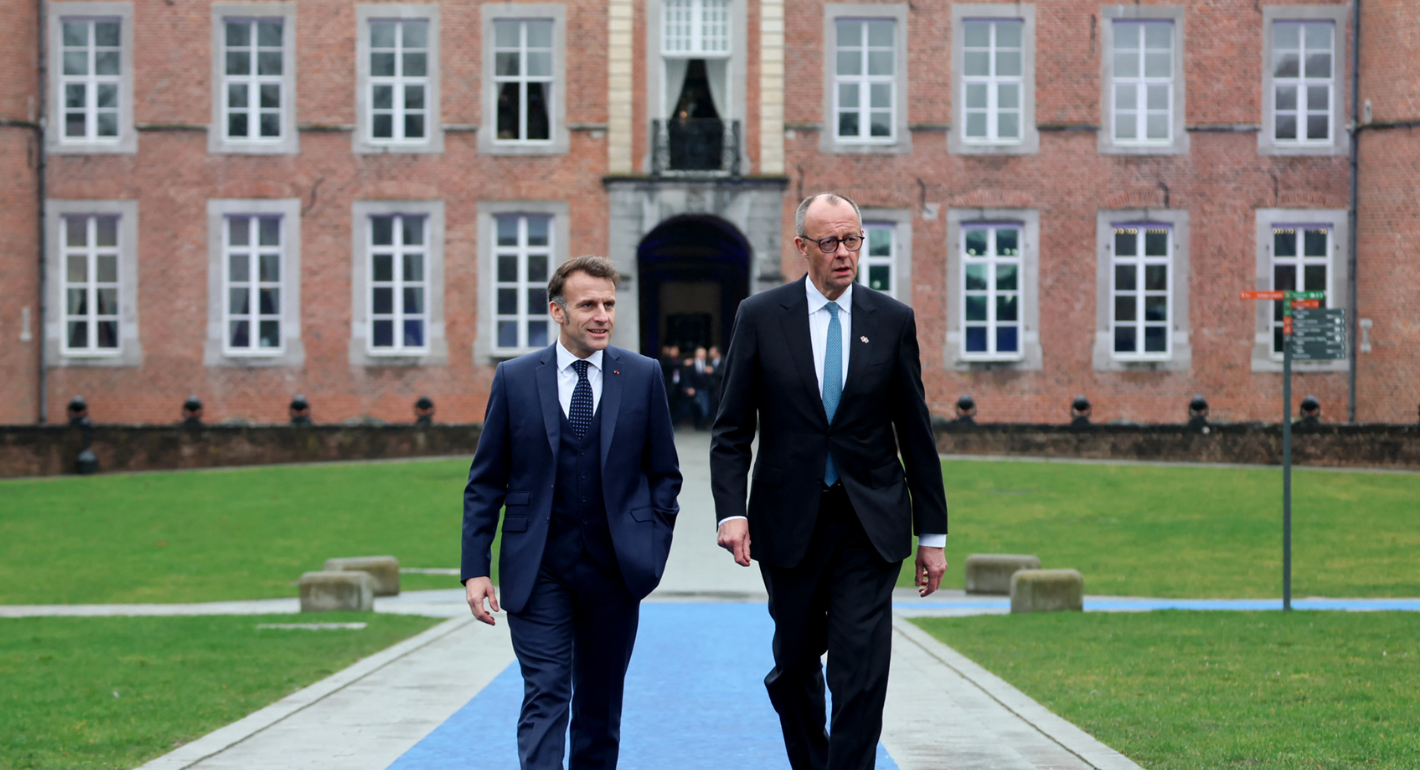
The Franco-German relationship is on the rocks again. But unlike previous moments of tension, the epochal changes on the world stage require that both step up investment in their bilateral ties.
Rym Momtaz