• Research
  • Strategic Europe
  • About
  • Experts
Carnegie Europe logoCarnegie lettermark logo
EUUkraine
  • Donate
REQUIRED IMAGE

REQUIRED IMAGE

Paper

Breaking the Labor-Trade Deadlock

Link Copied
Published on Feb 12, 2001

Additional Links

Full Text (PDF)

Source: Carnegie

Summary
The issue of how best to promote respect for internationally recognized core labor standards in an increasingly interconnected world has become a major stumbling block to progress in international trade negotiations, both at the multilateral and the regional level. This paper represents an effort to shake loose the current policy logjam, in the FTAA/ALCA process and elsewhere, over incorporating labor issues into trade agreements. It attempts to do so by asserting and describing a viable and credible win-win alternative approach that holds the potential for markedly improving the coverage and enforcement of core labor standards without resort to trade sanctions (or insertion of labor issues into trade negotiations).

Click on link above for full text of this Carnegie Paper.

Additional Links

Full Text (PDF)
Trade

Carnegie does not take institutional positions on public policy issues; the views represented herein are those of the author(s) and do not necessarily reflect the views of Carnegie, its staff, or its trustees.

More Work from Carnegie Europe

  • Paper
    A Grand Strategy for Europe’s Clean Industrial Future

    Europe’s industrial supply chains leave it vulnerable to global shocks. The EU needs a pragmatic green industrial strategy that balances durable partnerships and bolsters homegrown clean tech without sacrificing low-carbon ambition.

      Milo McBride, Pauline Gerard

  • Europe trade economy container supply chains
    Paper
    From Trade Dependence to Geopolitical Leverage: The EU in an Era of Weaponized Interdependence

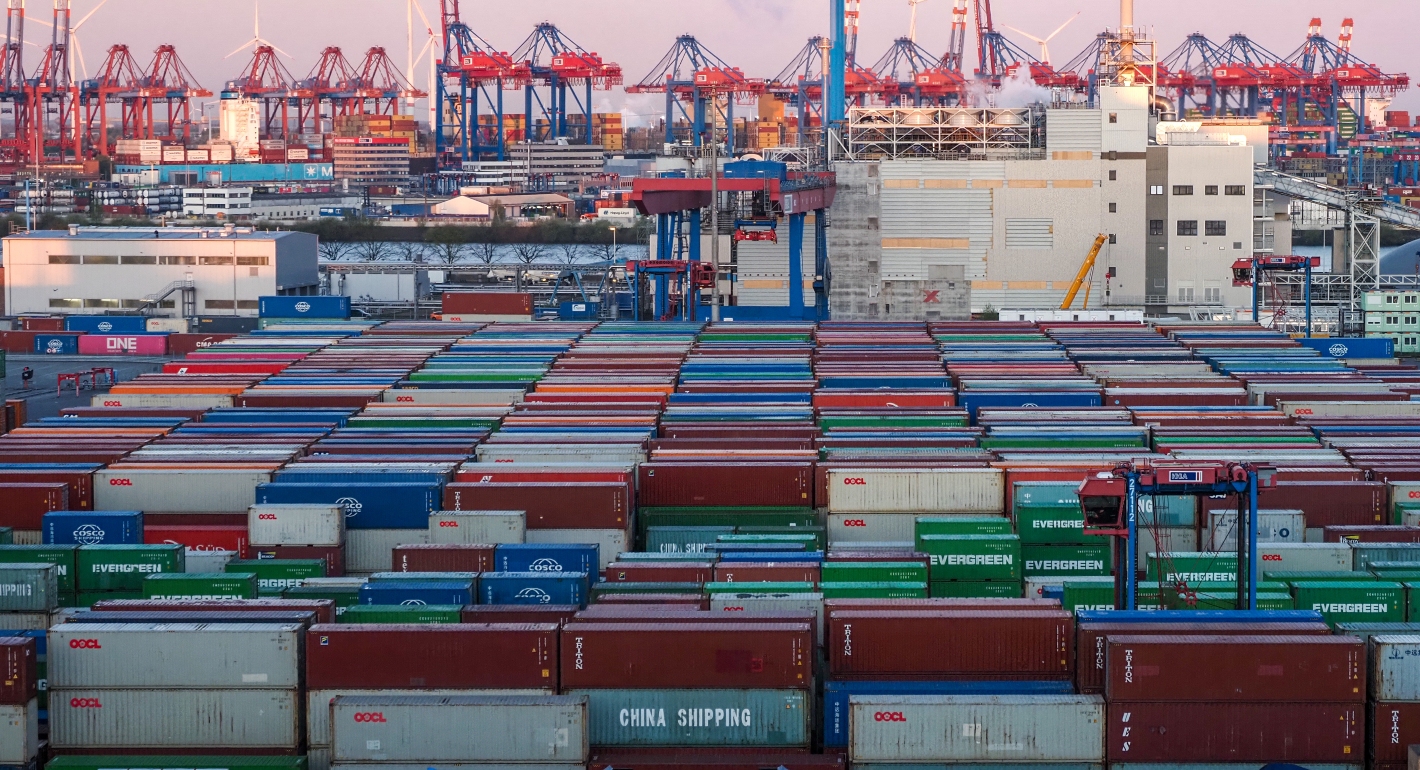
    As geopolitical rivalry weaponizes global supply chains, the EU’s true vulnerability lies in emerging-risk imports. For these goods, suppliers are growing more concentrated, substitution more difficult, and political risk is looming.

      Sinan Ülgen

  • Commentary
    Strategic Europe
    The EU Equivocating on Turkey Is Bad Geopolitics

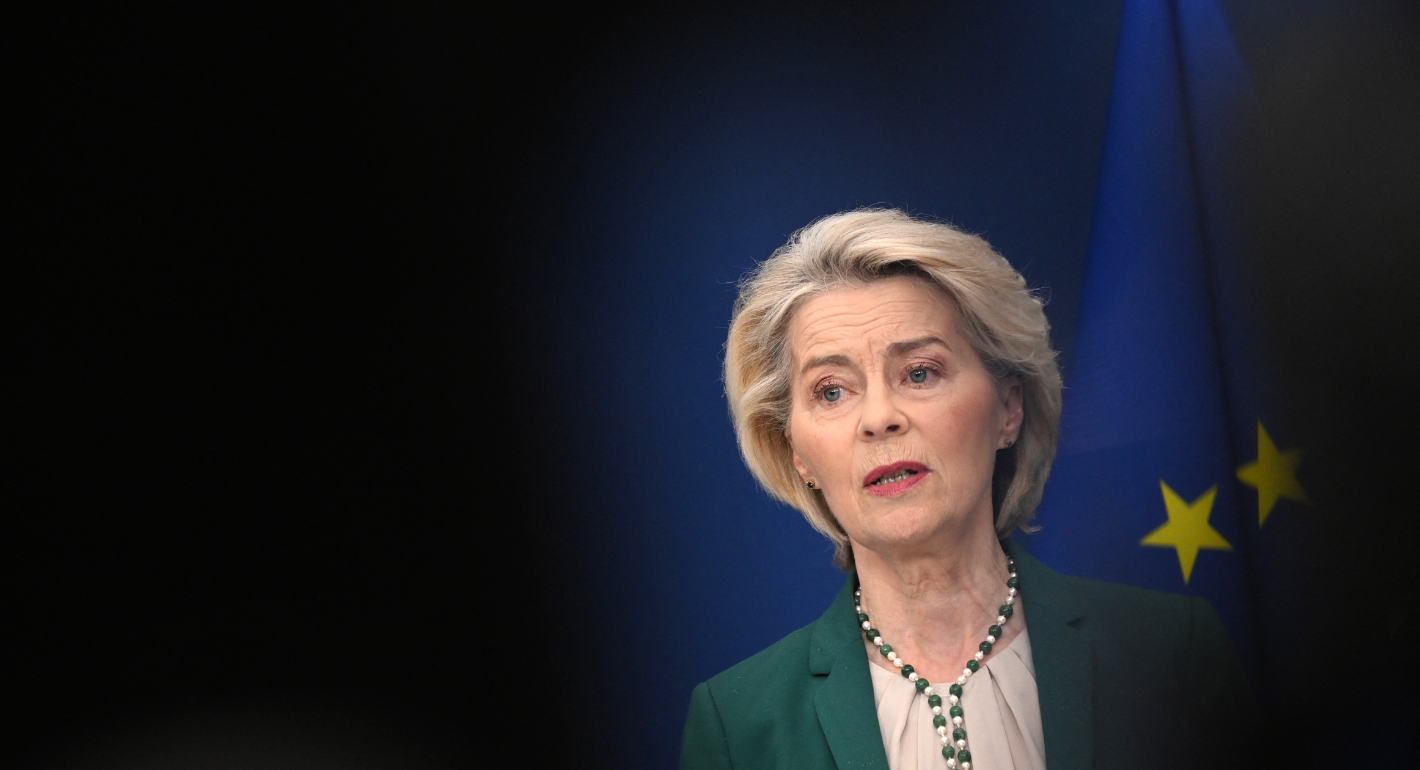
    Following Ursula von der Leyen’s gaffe equating Turkey to Russia and China, relations with Ankara risk deteriorating even further. Without better, more consistent diplomatic messaging, how can the EU pretend to be a geopolitical power?

      Sinan Ülgen

  • Article
    Rewiring the South Caucasus: TRIPP and the New Geopolitics of Connectivity

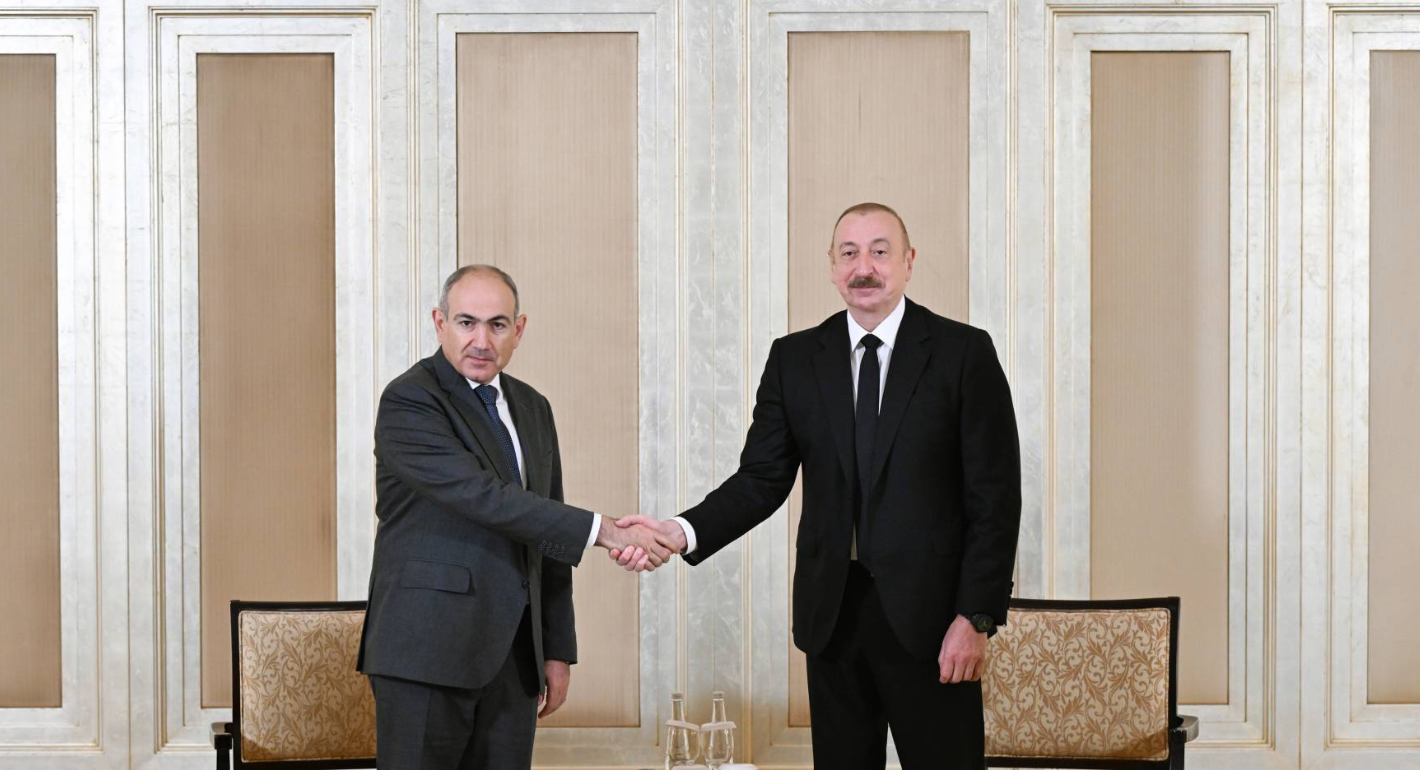
    The U.S.-sponsored TRIPP deal is driving the Armenia-Azerbaijan peace process forward. But foreign and domestic hurdles remain before connectivity and economic interdependence can open up the South Caucasus.

      • Areg Kochinyan

      Thomas de Waal, Areg Kochinyan, Zaur Shiriyev

  • Commentary
    Strategic Europe
    Global Instability Makes Europe More Attractive, Not Less

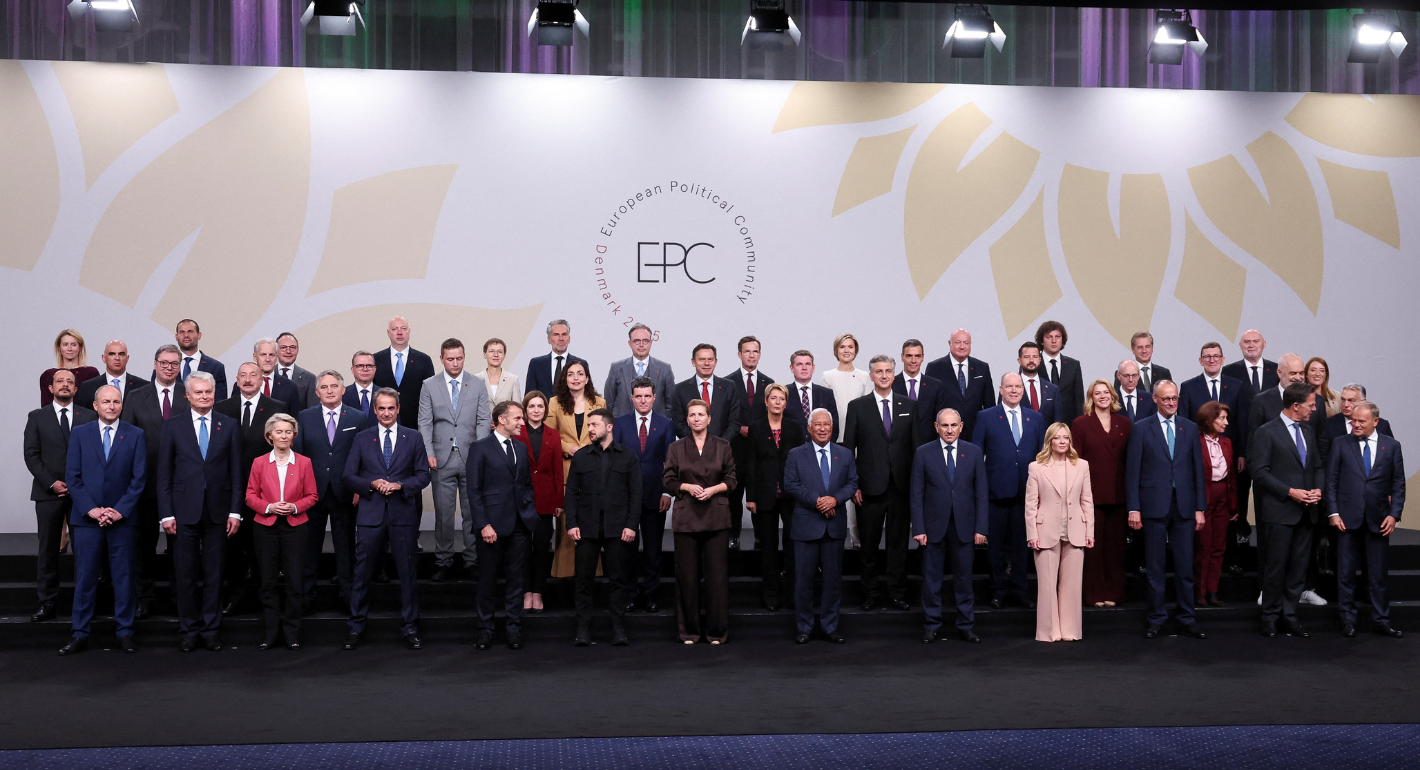
    Europe isn’t as weak in the new geopolitics of power as many would believe. But to leverage its assets and claim a sphere of influence, Brussels must stop undercutting itself.

      Dimitar Bechev

Get more news and analysis from
Carnegie Europe
Carnegie Europe logo, white
Rue du Congrès, 151000 Brussels, Belgium
  • Research
  • Strategic Europe
  • About
  • Experts
  • Projects
  • Events
  • Contact
  • Careers
  • Privacy
  • For Media
  • Gender Equality Plan
Get more news and analysis from
Carnegie Europe
© 2026 Carnegie Endowment for International Peace. All rights reserved.