

Other
Anders Aslund

REQUIRED IMAGE
According to official statistics, output plunged in almost all Soviet-type countries toward the end of communism. In the first year of transition, the plunges turned even more dramatic, continuing for years. The analysis and conclusions in this paper contrast sharply with the conventional view.
Source: Carnegie
Summary
According to official statistics, output plunged in almost all Soviet-type countries toward the end of communism. In the first year of transition, the plunges turned even more dramatic, continuing for years. The total registered declines in GDP range from 13 percent in the Czech Republic from 1989 to 1992 to 77 percent in Georgia from 1989 to 1994. The analysis and conclusions in this paper contrast sharply with the conventional view.
This paper shows that both communist and post-communist statistics are deeply flawed. First, everywhere the decline in output has been much smaller than perceived, and a few countries grew immediately rather than contracted. Second, the Soviet economy was in far worse shape than generally understood. Third, even after revising the official statistics, the differences between failures and successes remain vast—and the correlation between structural reform and economic performance becomes much stronger. Fourth, flawed statistics misled policy makers in post-communist transformation, inciting them to adopt inefficient gradual reforms, which reinforced rent-seeking and prolonged stagnation. And fifth, economic welfare has diminished far less than output.
Former Senior Associate, Director, Russian and Eurasian Program
Recent Work
Anders Aslund
Anders Aslund
Carnegie does not take institutional positions on public policy issues; the views represented herein are those of the author(s) and do not necessarily reflect the views of Carnegie, its staff, or its trustees.

Mounting economic strain and battlefield losses will not necessarily make the Kremlin less dangerous. They could instead push Moscow toward a more aggressive hybrid campaign designed to test NATO’s Eastern flank, exploit allied hesitation, and fracture European resolve.

Maksym Beznosiuk

As the EU confronts profound challenges, several leaders have called for fundamental reform to the union’s model—but only modest, superficial changes have resulted. What if Europe really could be reimagined from zero today: What should such a redesigned European order look like?

Richard Youngs, ed.
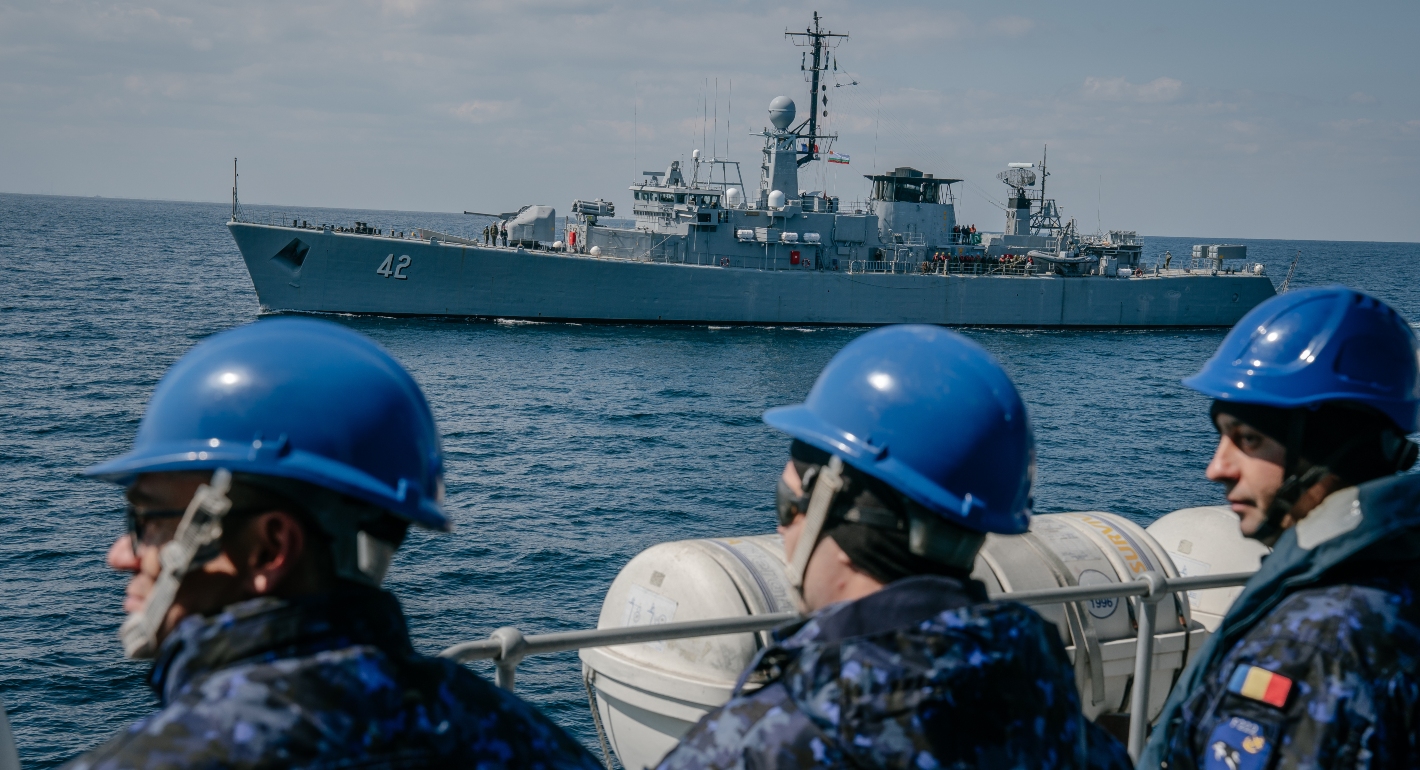
As Russia's war on Ukraine drags on, NATO is expanding its footprint in the Black Sea. Turkey, Romania, and Bulgaria are upgrading their fleets and deepening trilateral cooperation.

Dimitar Bechev
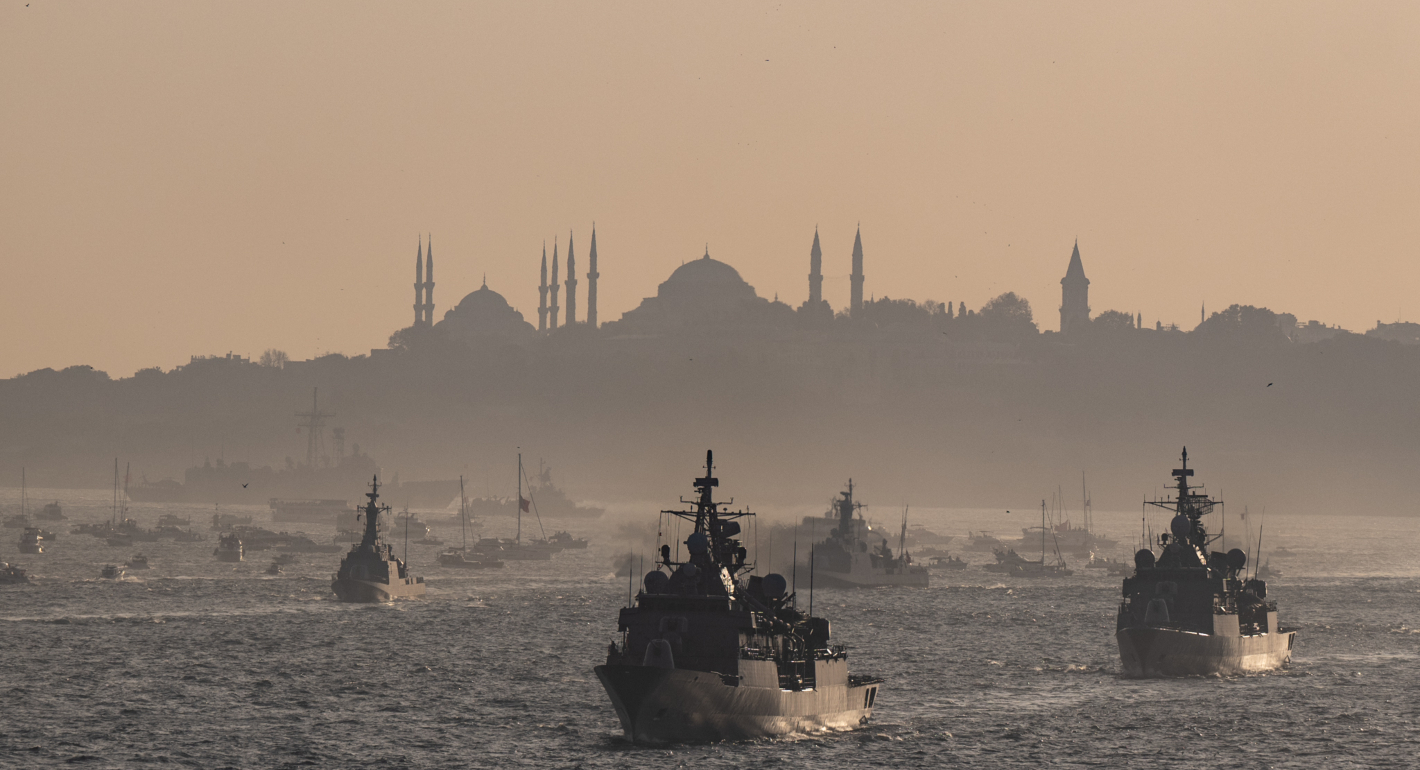
For ninety years, Turkey has been positioned as the principal gatekeeper of Black Sea security. As a result, European and NATO efforts to support Ukraine will require closer engagement with Ankara.

Thomas de Waal
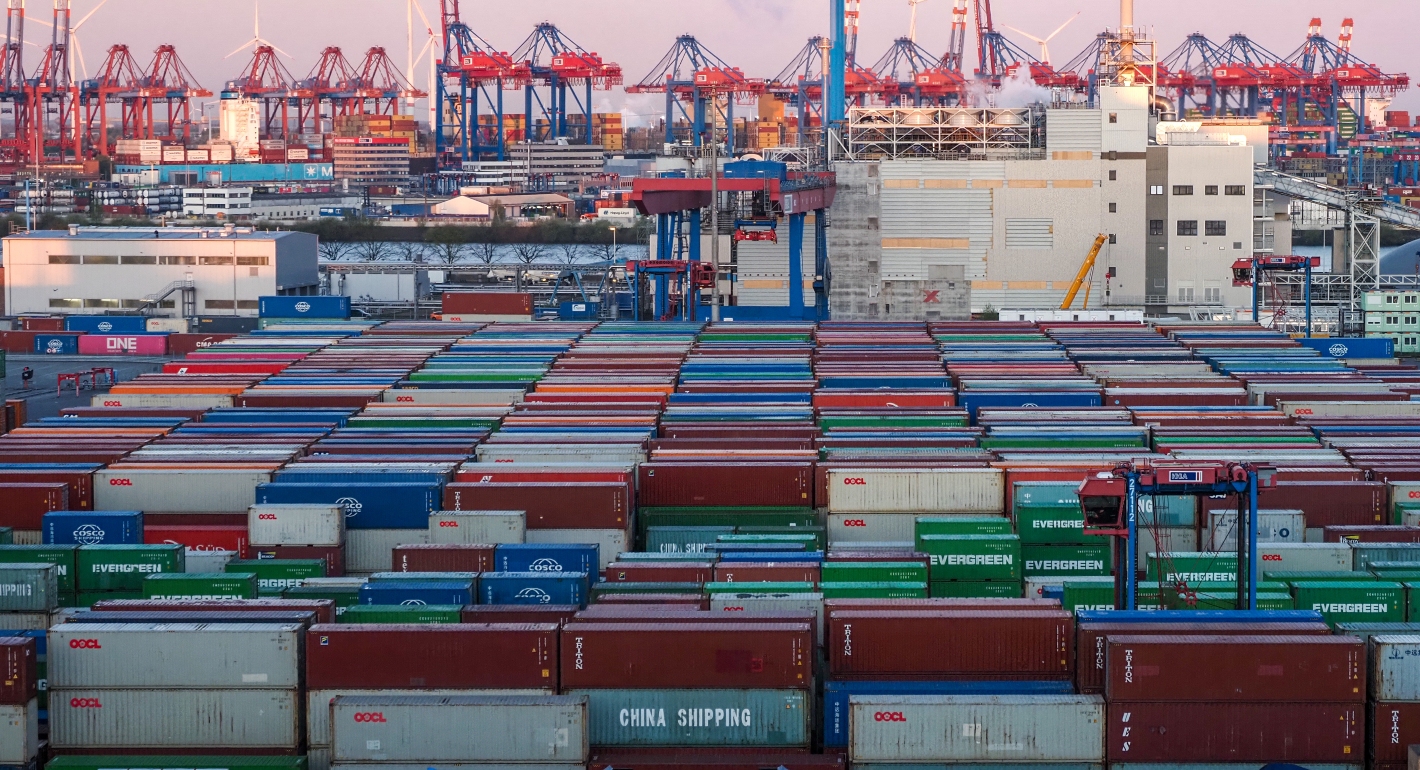
As geopolitical rivalry weaponizes global supply chains, the EU’s true vulnerability lies in emerging-risk imports. For these goods, suppliers are growing more concentrated, substitution more difficult, and political risk is looming.

Sinan Ülgen