

Report
- +2
George Perkovich, Jessica Tuchman Mathews, Joseph Cirincione, …

Source: Washington, DC: Carnegie Endowment for International Peace, 2001
This sixth edition of the Nuclear Status Report, copublished by the Carnegie Endowment and the Monterey Institute, is the most comprehensive and authoritative source for information on Russia's nuclear arsenal, its stockpile of nuclear materials, and the impact of U.S. assistance to reduce the proliferation risks posed by the collapse of the Soviet Union.
Chronicled in this report are many of the major proliferation problems that remain owing to the economic disarray of the Russian nuclear complex, the relatively low priority attached to nonproliferation by senior political leadership, and the inadequacies of safeguards currently in place at many nuclear facilities.
The new features of this report include:
Former Nonresident Scholar, Nuclear Policy Program
Jon Wolfsthal was a nonresident scholar with the Nuclear Policy Program.
Recent Work



George Perkovich, Jessica Tuchman Mathews, Joseph Cirincione, …
Jon Wolfsthal
Carnegie does not take institutional positions on public policy issues; the views represented herein are those of the author(s) and do not necessarily reflect the views of Carnegie, its staff, or its trustees.
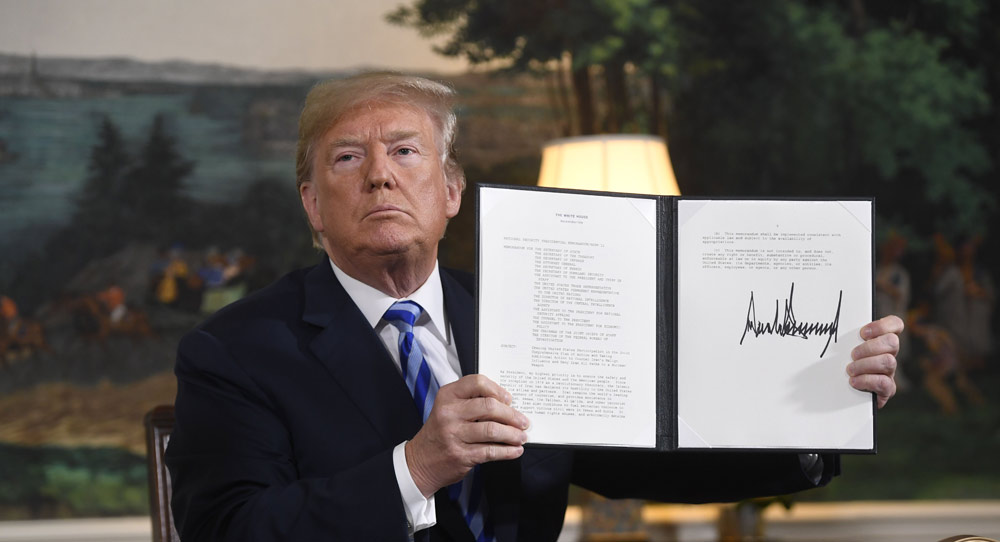
Washington underestimates the strength of attachment in Paris and Berlin to the current Iran deal, as well as the depth of differences between Europe and the United States on how to stabilize the Middle East.
Tomáš Valášek
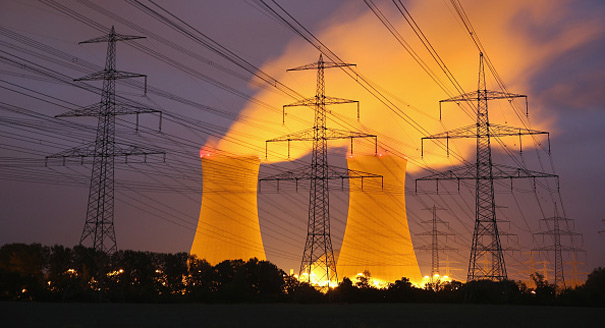
The fate of Turkish-Russian nuclear cooperation is unclear as the political relationship between the two countries may be entering a long-term downward spiral.

Sinan Ülgen
Economic interests, combined with national security considerations, give Turkey an incentive not to seek nuclear weapons.
George Perkovich, Sinan Ülgen
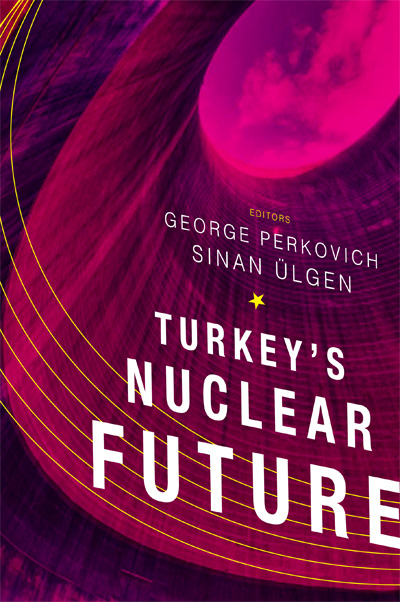
Turkey is a rising economic and political force with the ability to affect dynamics in the greater Middle East, the Caucasus, and Central Asia. To meet its rising energy needs, the country—already an important actor in the international nuclear order—plans to establish nuclear power plants on its territory.
George Perkovich, Sinan Ülgen
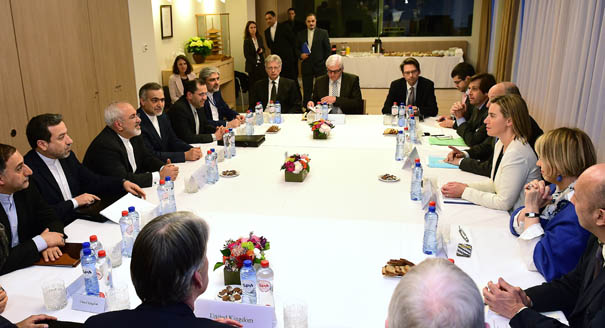
A nuclear deal with Iran would not change much, neither to the West’s overall relationship with the country nor to Tehran’s regional role.
Cornelius Adebahr