

Report
- +2
George Perkovich, Jessica Tuchman Mathews, Joseph Cirincione, …

REQUIRED IMAGE
President George W. Bush's State of the Union remarks labeling Iran, Iraq and North Korea as an axis of evil quickly circled the globe and re-ignited fears of a more aggressive brand of U.S. unilateralism.
Source: Carnegie
President George W. Bush's State of the Union remarks labeling Iran, Iraq and North Korea as an axis of evil quickly circled the globe and re-ignited fears of a more aggressive brand of U.S. unilateralism. No one in the United States, especially in the wake of Sept. 11, should be shy about openly defending U.S. security, but the administration has a responsibility to do more than, as they say, "put states on notice."
True leadership means being a catalyst for changing behavior that threatens U.S. interests. In all three cases, the United States has many options other than military force or public condemnation at its disposal. Many of these other steps would benefit from recapturing the traditional U.S.-Russian shared interest in stemming the spread of weapons of mass destruction.
North Korea
The most promising, but delicate case is North Korea, where negotiations under former U.S. President Bill Clinton's administration succeeded in heading off North Korea's production of a sizable and uncontrolled nuclear arsenal, suitable for use or export. The U.S.-North Korean Agreed Framework of 1994 froze Pyongyang's nuclear program in its tracks and showed that North Korea can be reasonable and is willing to end programs that threaten U.S. interests if appropriately motivated. The Bush administration has offered to resume contacts with North Korea, but its public comments and condemnations have signaled to Pyongyang that talks are likely to be filled with more lectures than constructive proposals.
If it is serious about modifying North Korean behavior, the Bush administration needs to engage in a positive dialogue with Pyongyang and take steps to support efforts by South Korea to resume a peaceful dialogue with the North. President Vladimir Putin helped frame the outlines of a negotiated ban on missile development and exports before Bush took office and, if the Bush administration feels it cannot send an emissary of its own to Pyongyang, Russia should be considered as an intermediary to resume a productive dialogue.
Iraq
In Iran and Iraq, two states with ongoing proliferation programs, the United States has several tough, but potentially productive options. In Iraq, a serious attempt to reinstate an inspection regime backed by military assets to protect inspectors, is a more attractive alternative to the forceful removal of Saddam Hussein. While Saddam's continued rule in Iraq makes each day an adventure, unless the United States has the clear mandate and support of its allies in the region and elsewhere (especially Moscow and in Europe), occupying Iraq and rebuilding that country in the U.S. image threatens to be more than even Washington can handle without a major commitment of time, energy, money and lives. Baghdad is not Kabul and the Republican Guard is not the Taliban.
Russia has been, and continues to be, the key to an improved inspections and sanctions regime. By taking the lead in reinstituting inspections, Moscow could do much to improve its non-proliferation standing in Washington and pave the way for the adoption of smart sanctions against Iraq that would improve the flow of Iraqi payments to Moscow. In return, Washington should reassure Moscow that steps will be taken to ensure that Iraqi debts to Moscow are honored.
Iran
Iran is the definition of a Catch-22, where the United States is damned if it tries to support the reformers, and damned if it does not. Any praise of the elected regime only weakens those rulers in their battle against the oppressive religious clerics, but still more needs to be done if the future is to bring about true reform in Iran before its programs to develop long-range missiles and a nuclear option bear fruit.
Here, the true value of the U.S.-Russian relationship can shine through. Repeating old arguments about Iran's nuclear program will do nothing to improve U.S.-Russian relations, but facts are facts. Iran has publicly declared its desire to acquire nuclear weapons. Iran's acquisition of nuclear weapons and long-range missiles threatens both Moscow's and Washington's interests, regardless of its source. This, in itself, should be enough to give Moscow pause in helping Iran's civilian nuclear program. Moscow's refusal to acknowledge this fact is as stubborn as Washington's misplaced opposition to Tehran's acquisition of advanced conventional weapons from Moscow, for which Russia will receive more money than it will from the completion of the Bushehr reactor. Working constructively, Bush and Putin should be able to cooperatively constrain Iran's access to nuclear technology while easing controls on less destabilizing conventional weaponry.
None of these steps will be easy, and none are as attractive to a domestic U.S. audience as "rogue state" bashing. By working with Russia and its allies, the United States can accomplish a lot more than it can by working alone. In the process, the Bush administration can go a long way toward making the promise of the new partnership with Moscow a reality.

Former Nonresident Scholar, Nuclear Policy Program
Jon Wolfsthal was a nonresident scholar with the Nuclear Policy Program.
Recent Work



George Perkovich, Jessica Tuchman Mathews, Joseph Cirincione, …
Jon Wolfsthal
Carnegie does not take institutional positions on public policy issues; the views represented herein are those of the author(s) and do not necessarily reflect the views of Carnegie, its staff, or its trustees.
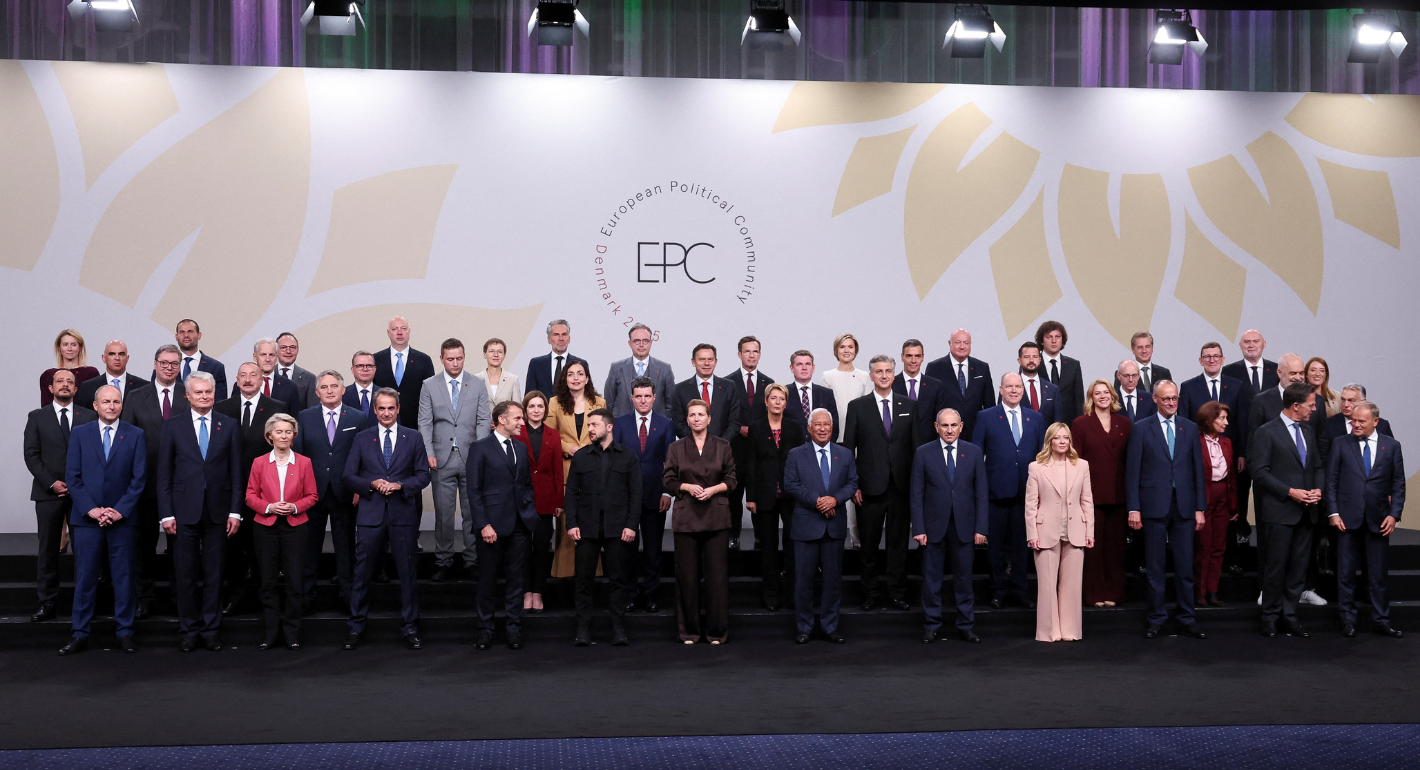
Europe isn’t as weak in the new geopolitics of power as many would believe. But to leverage its assets and claim a sphere of influence, Brussels must stop undercutting itself.

Dimitar Bechev
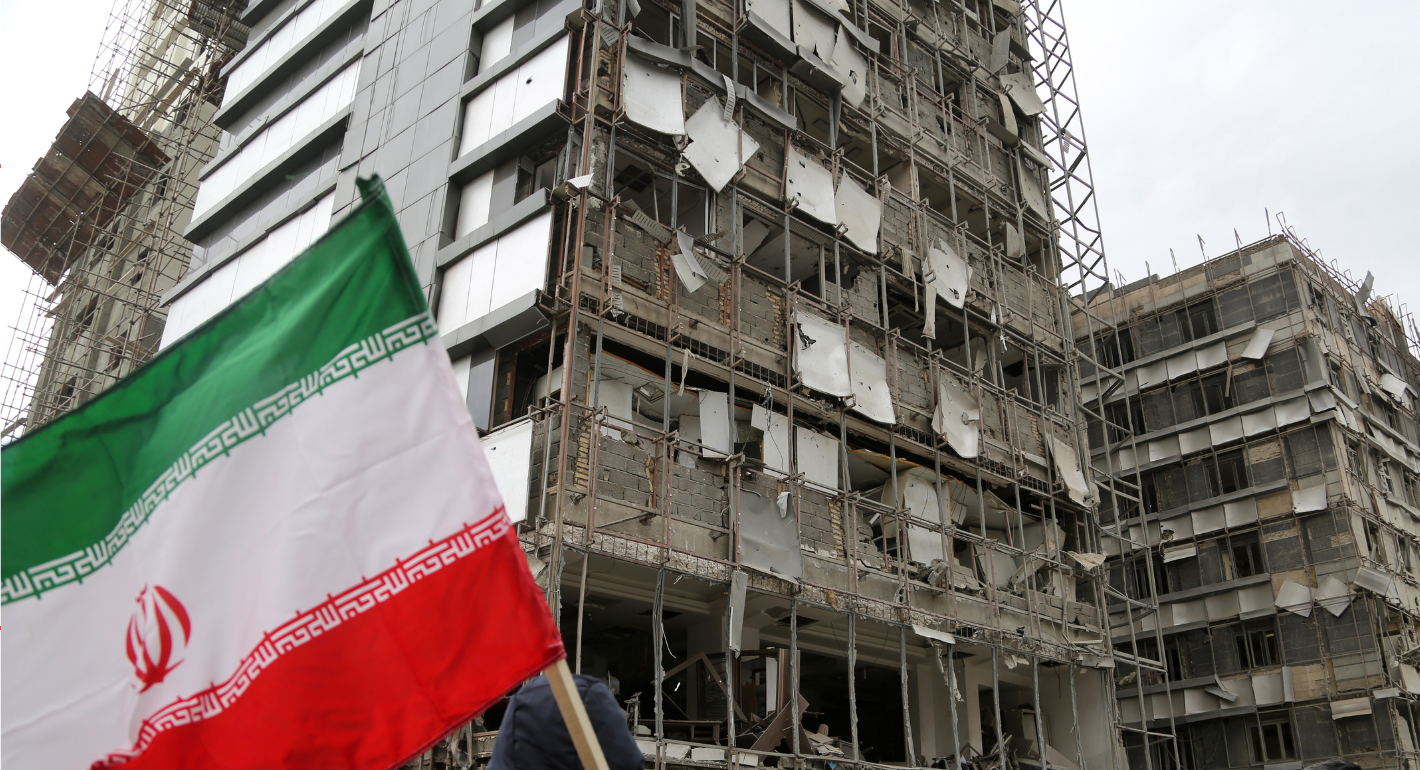
Europe’s reaction to the war in Iran has been disunited and meek, a far cry from its previously leading role in diplomacy with Tehran. To avoid being condemned to the sidelines while escalation continues, Brussels needs to stand up for international law.

Pierre Vimont
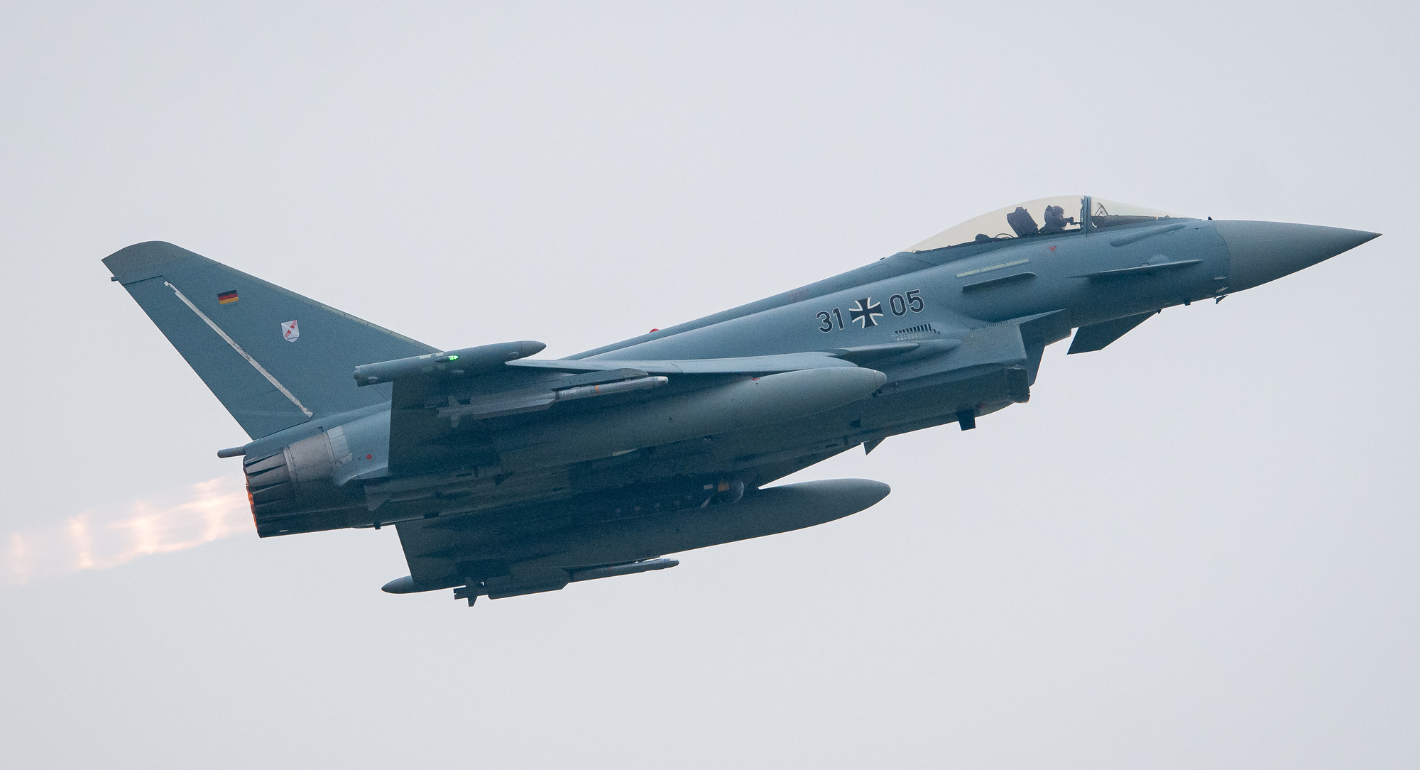
France and Germany’s failure to agree on the Future Combat Air System (FCAS) raises questions about European defense. Amid industrial rivalries and competing strategic cultures, what does the future of European military industrial projects look like?

Rym Momtaz, ed.
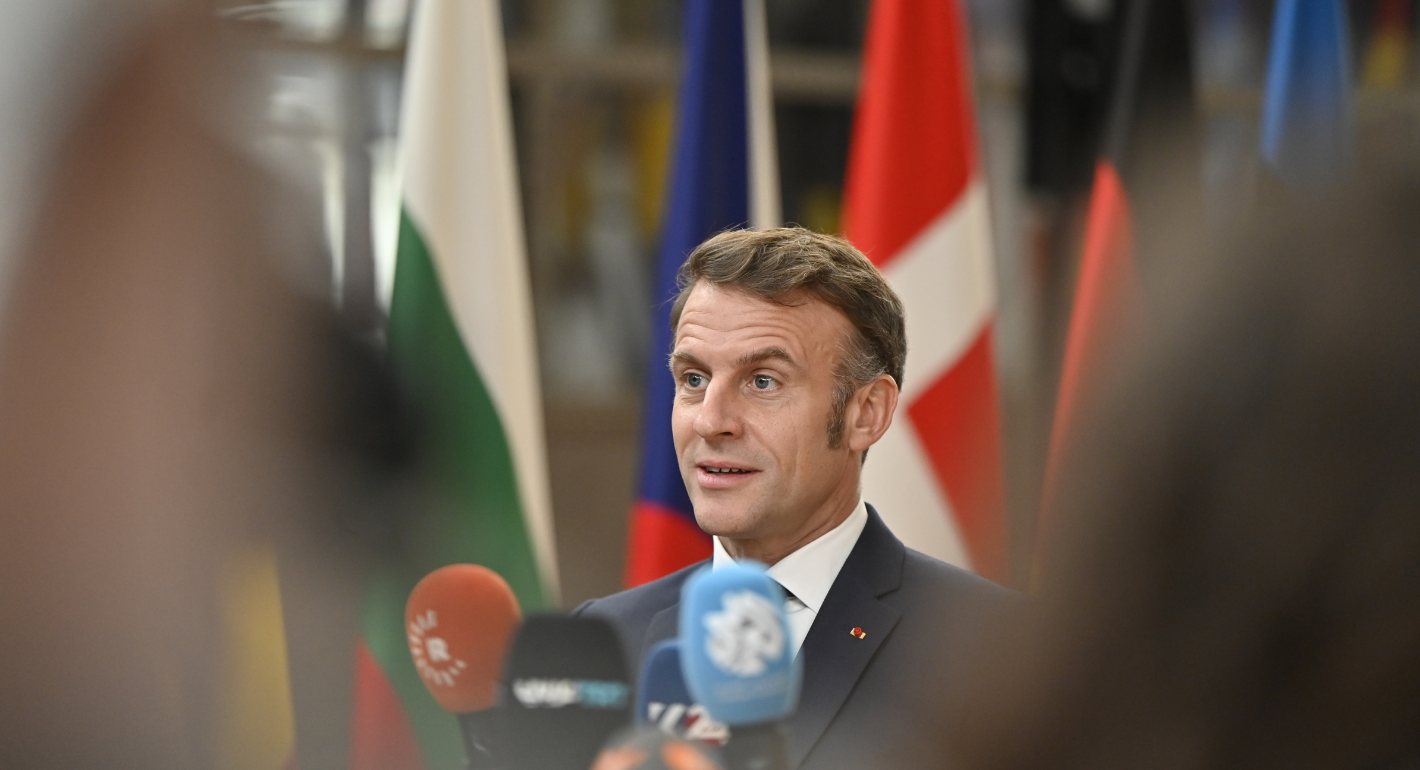
France has stopped clinging to notions of being a great power and is embracing the middle power moment. But Emmanuel Macron has his work cut out if he is to secure his country’s global standing before his term in office ends.
Rym Momtaz

Despite offering security benefits to candidates and the EU alike, the enlargement agenda appears stalled. Why is progress not being made, and is it time for Europe to rethink its approach?


Sylvie Goulard, Gerald Knaus