

Article
Marina Ottaway, Omar Hossino
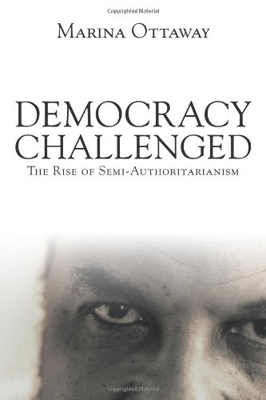
During the 1990s, international democracy promotion efforts led to the establishment of numerous regimes that cannot be easily classified as either authoritarian or democratic - semi-authoritarian regimes. These regimes pose a considerable challenge to U.S. policy makers because the superficial stability of semi-authoritarian regimes usually masks severe problems that could lead to future crises.
Source: Washington, DC: Carnegie Endowment for International Peace, 2003
IMGXYZ360IMGZYXAbout the Book
During the 1990s, international democracy promotion efforts led to the establishment of numerous regimes that cannot be easily classified as either authoritarian or democratic. They display characteristics of each—in short, they are semi-authoritarian regimes.
These regimes pose a considerable challenge to U.S. policy makers because the superficial stability of many semi-authoritarian regimes usually masks severe problems that need to be solved lest they lead to a future crisis. Additionally, these regimes call into question some of the ideas about democratic transitions that underpin the democracy promotion strategies of the United States and other Western countries.
Despite their growing importance, semi-authoritarian regimes have not received systematic attention. Marina Ottaway examines five countries (Egypt, Azerbaijan, Venezuela, Croatia, and Senegal) that display the distinctive features of semi-authoritarianism and the special challenge each poses to policy makers. She explains why the dominant approach to democracy promotion isn't effective in these countries and concludes by suggesting alternative policies.
Issues covered include:
o Methods to retain power
o Ethnic and economic divisions
o State formation problems
o Political elites
About the Author
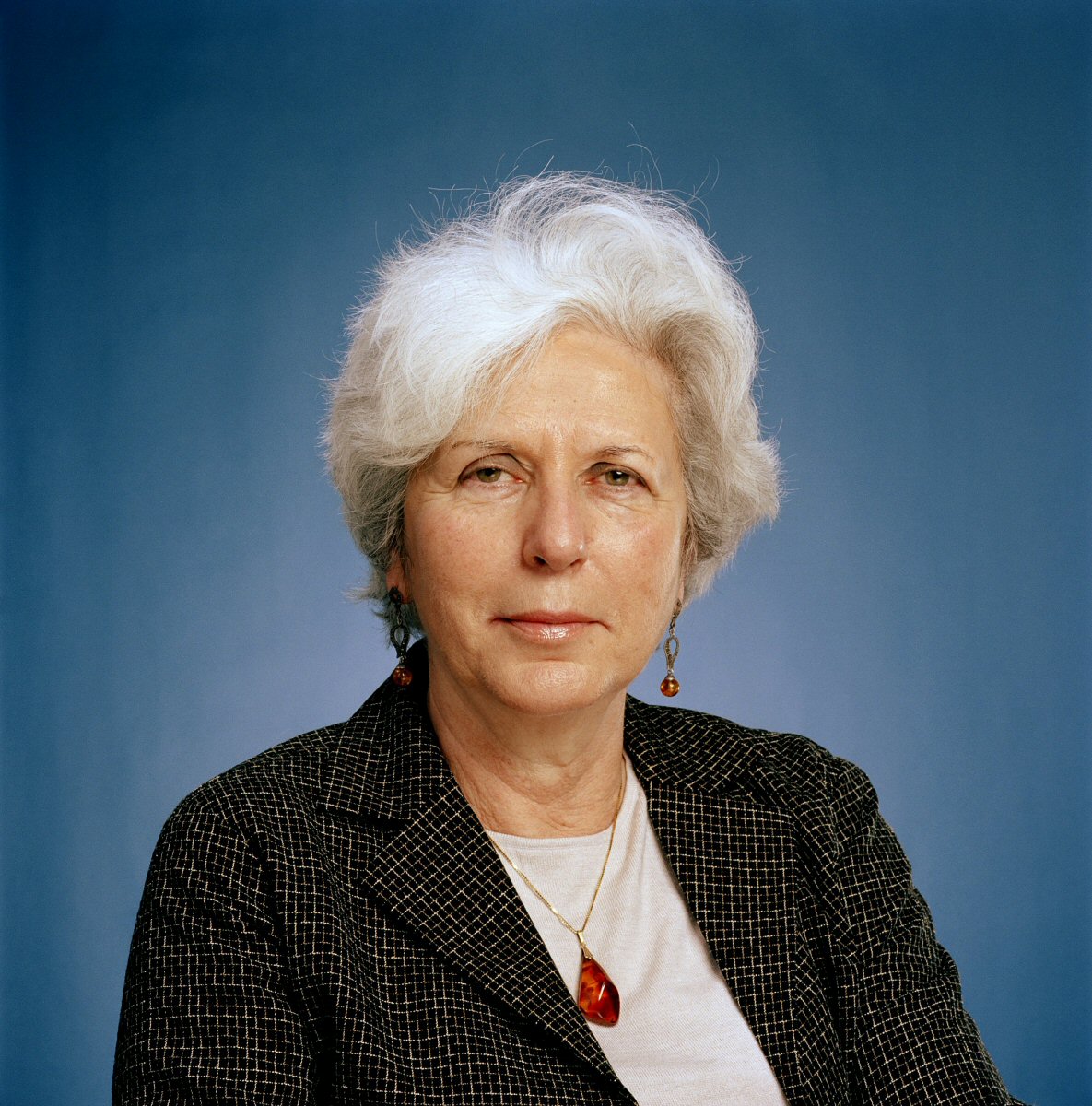
Marina Ottaway is senior associate in the Democracy and Rule of Law Project at the Carnegie Endowment. She is the coauthor of Democratic Mirage in the Middle East (Carnegie Endowment Policy Brief No. 20), the coeditor of Funding Virtue: Civil Society Aid and Democracy Promotion, and the author of Africa's New Leaders: Democracy or State Reconstruction?.
Reviews
"A thoughtful and perfectly organized book."
—Journal of Peace Research
Advance Praise
"This book provides a thoughtful counterpoint to the avalanche of literature generated by the so-called Third Wave of democratization. By considering states that are neither authoritarian nor democratic, Ottaway is among the first to present a comparative analysis of a moderately large group of "hybrid" regimes that is likely to persist for some time to come. Democracy Challenged both fills a void in the scholarly literature on polities that have emerged from authoritarian rule, and challenges the assumptions (and hence the efforts) of policy makers charged with nurturing democracy abroad."
—Joel D. Barkan, University of Iowa and The World Bank
"Valuable to scholars and policy analysts involved in the study or promotion of democratic transitions, and in the design of appropriate responses to hybrid regimes that adopt the democracy label."
—Richard Joseph, Northwestern University
"A rich, complex treatment of an overlooked trend. Makes an important contribution to both academic and policy circles interested in democracy promotion and political development."
—Catharin Dalpino, The Brookings Institution
Former Senior Associate, Middle East Program
Before joining the Endowment, Ottaway carried out research in Africa and in the Middle East for many years and taught at the University of Addis Ababa, the University of Zambia, the American University in Cairo, and the University of the Witwatersrand in South Africa.
Recent Work
Marina Ottaway, Omar Hossino
Marina Ottaway
Carnegie does not take institutional positions on public policy issues; the views represented herein are those of the author(s) and do not necessarily reflect the views of Carnegie, its staff, or its trustees.

An overwhelming victory by a far-right-wing party in a small state in eastern Germany will have major repercussions for Chancellor Friedrich Merz’s coalition.

Judy Dempsey

In supporting Europe’s far-right, MAGA and Russia both want the same thing: a weaker EU. Europe must defend itself without abandoning the openness these forces exploit.

Armida van Rij

The hybrid warfare landscape is evolving rapidly, leaving policymakers without clear strategies. To better inform their work in addressing emerging challenges, governments must dig deeper into the underlying dynamics at play.


Raluca Csernatoni, Alicia Wanless

As the EU confronts profound challenges, several leaders have called for fundamental reform to the union’s model—but only modest, superficial changes have resulted. What if Europe really could be reimagined from zero today: What should such a redesigned European order look like?

Richard Youngs, ed.
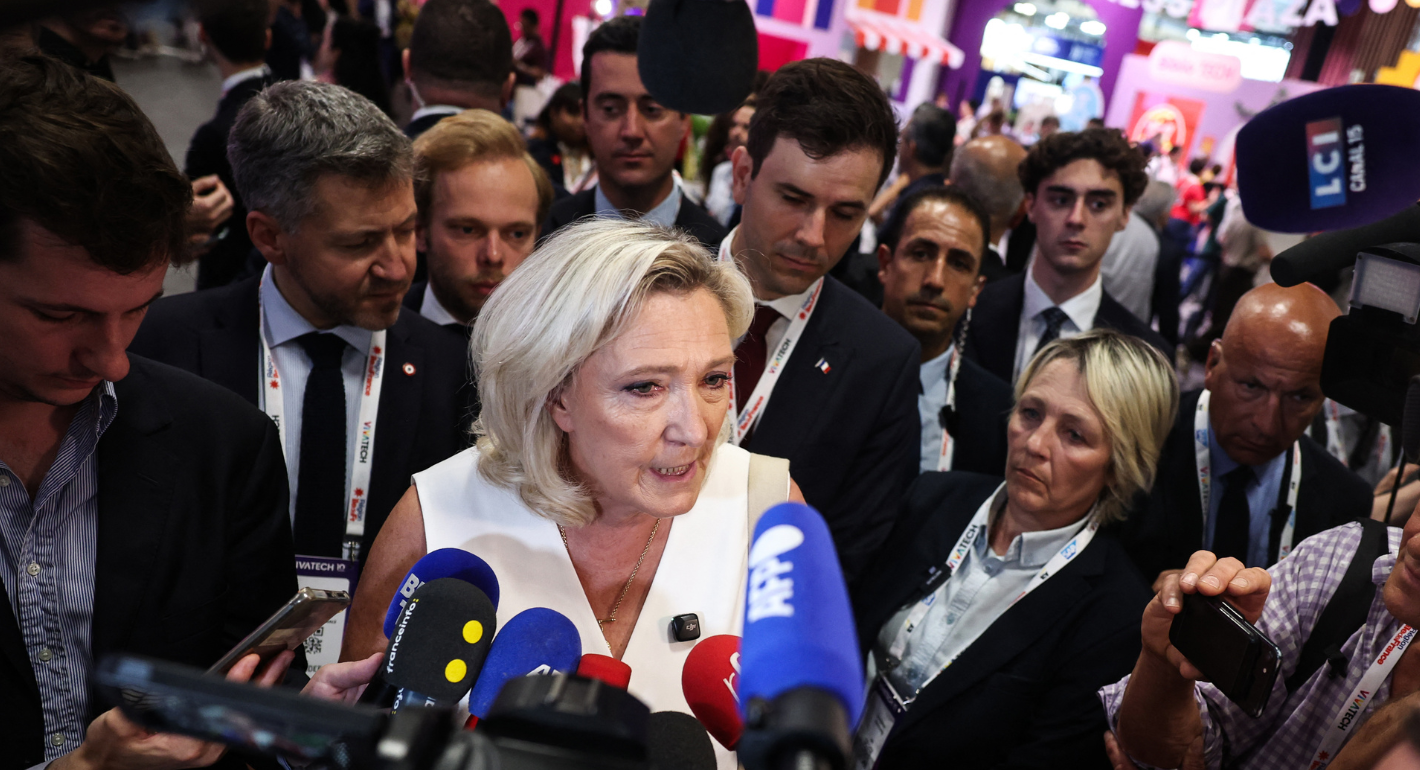
Far-right leader Marine Le Pen can—and will—run in France’s next presidential election. What does the outcome of her appeal against a 2025 embezzlement conviction mean for the country’s political future?
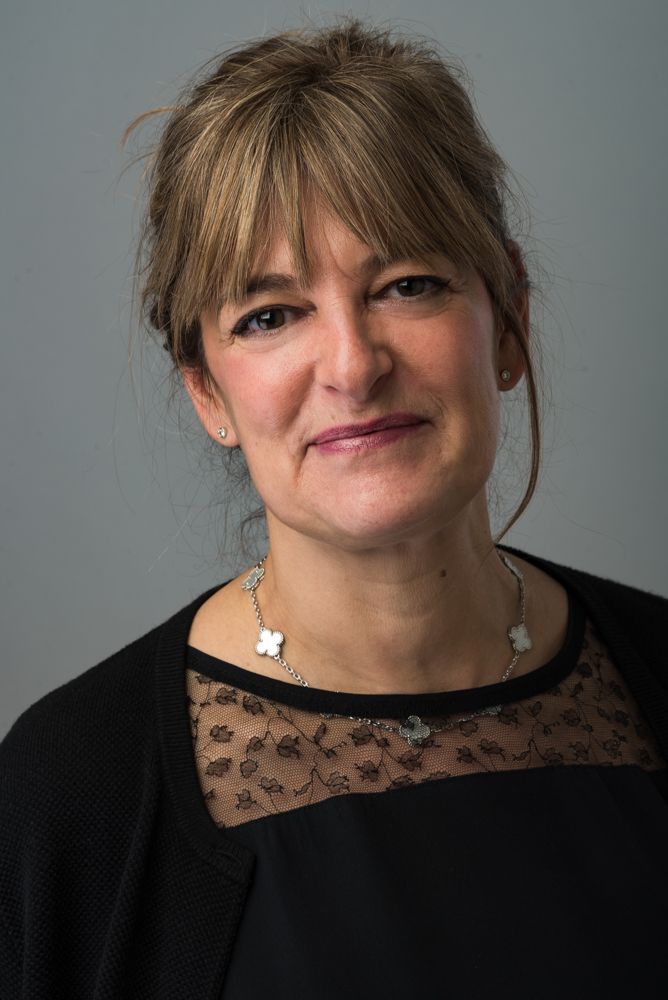
Catherine Fieschi