

Commentary
The EU can impose sanctions but struggles to enforce them without the United States. With Washington increasingly disinterested in backing European interests, the bloc must now fend for itself.
Nicu Popescu, Tiago Antunes
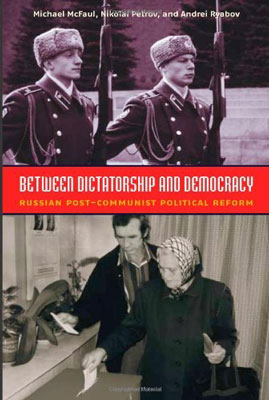
For hundreds of years, dictators have ruled Russia. Do they still? Did the processes unleashed by Gorbachev and continued under Russian President Boris Yeltsin lead eventually to liberal democracy in Russia?
Source: Washington

But did the processes unleashed by Gorbachev and continued under Russian President Boris Yeltsin lead eventually to liberal democracy in Russia? If not, what kind of political regime did take hold in post-Soviet Russia? And how has Vladimir Putin's rise to power influenced the course of democratic consolidation or the lack thereof? Between Dictatorship and Democracy seeks to give a comprehensive answer to these fundamental questions about the nature of Russian politics.
This book reflects the unique collaboration of Russian and American scholars. Additional contributors include: Viktor Sheinis, Mikhail Krasnov, Vladimir Petukhov, and Elina Treyger.
About the Authors
Michael McFaul is a former senior associate in the Russian and Eurasian Program at the Carnegie Endowment and associate professor of political science at the Hoover Institution, Stanford University. He is the author of Russia's Unfinished Revolution: Political Change from Gorbachev to Putin.
Nikolai Petrov and Andrei Ryabov are co-chairs of the Russian Domestic Politics and Political Institutions Program at the Carnegie Moscow Center.
"Well informed and judicious."
—The New York Times
"There are simply no better scholars of Russian democracy writing today than Michael McFaul, Nikolai Petrov, and Andrei Ryabov. Did the poet say you can't understand Russia by reason alone? Their cool and rigorous analyses will convince you otherwise."
—Stephen Sestanovich, Council on Foreign Relations and former Ambassador at Large for the New Independent States
"Michael McFaul, Nikolai Petrov, Andrei Raybov and their collaborators have written a thoroughly comprehensive book on one of the most important questions facing Russia today. The future of Russia's democracy may be the last lingering question from the revolutionary process launched almost two decades ago. To understand why Russia's political transition has been so long and protracted, there is no better place to start than "Between Dictatorship and Democracy."
—Yegor Gaidar, Director of the Institute for the Economy in Transition and former Prime Minister of Russia, 1991-92
"This volume presents a comprehensive, rich, and insightful overview of the major trends in Russian democratization since the Gorbachev era. The coverage of nearly every conceivable institutional theme related to the democratization process…makes the collection particularly valuable for students of Russian politics and society. The fact that the authors are among the best-known Western and Russian experts on the subject…will surely guarantee the book a wide audience, both among academic specialists and students at the advanced undergraduate and graduate levels."
—Stephen Hanson, University of Washington
"Many thought a decade ago that Russia had irreversibly crossed the boundary separating dictatorship from democracy. We now see discouraging evidence of an authoritarian revival that places Russia back in the gray zone between regimes. This collection of empirically rich and theoretically informed essays by Russian and American specialists shows why the backsliding has occurred, with what results, and with what implications for the future."
—Timothy J. Colton, Director of Davis Center for Russian and Eurasian Studies, Harvard University
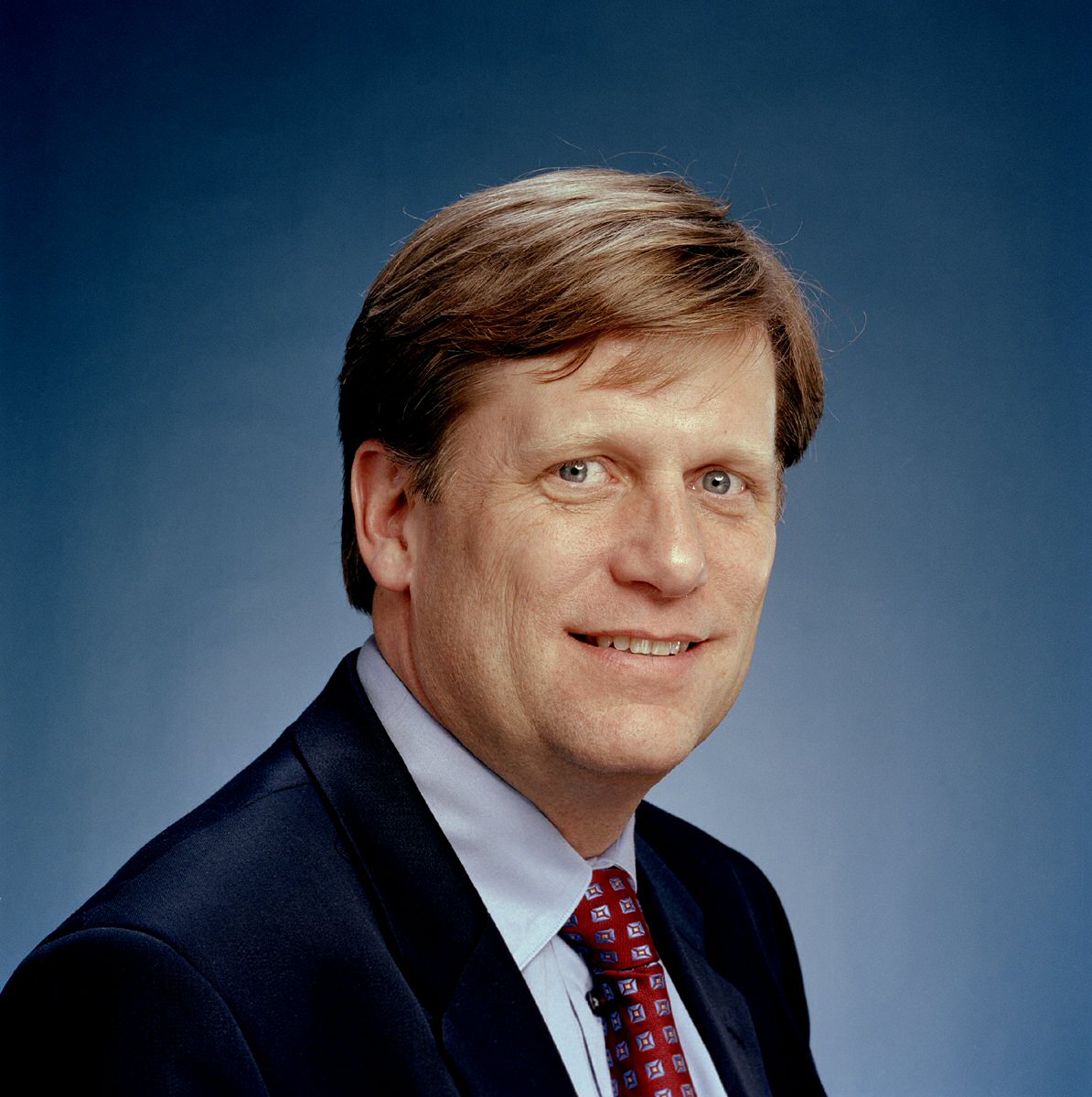
Former Senior Associate
In addition to his role at Carnegie, McFaul is Peter and Helen Bing Senior Fellow at the Hoover Institution and associate professor of political science at Stanford University.
Nikolai Petrov
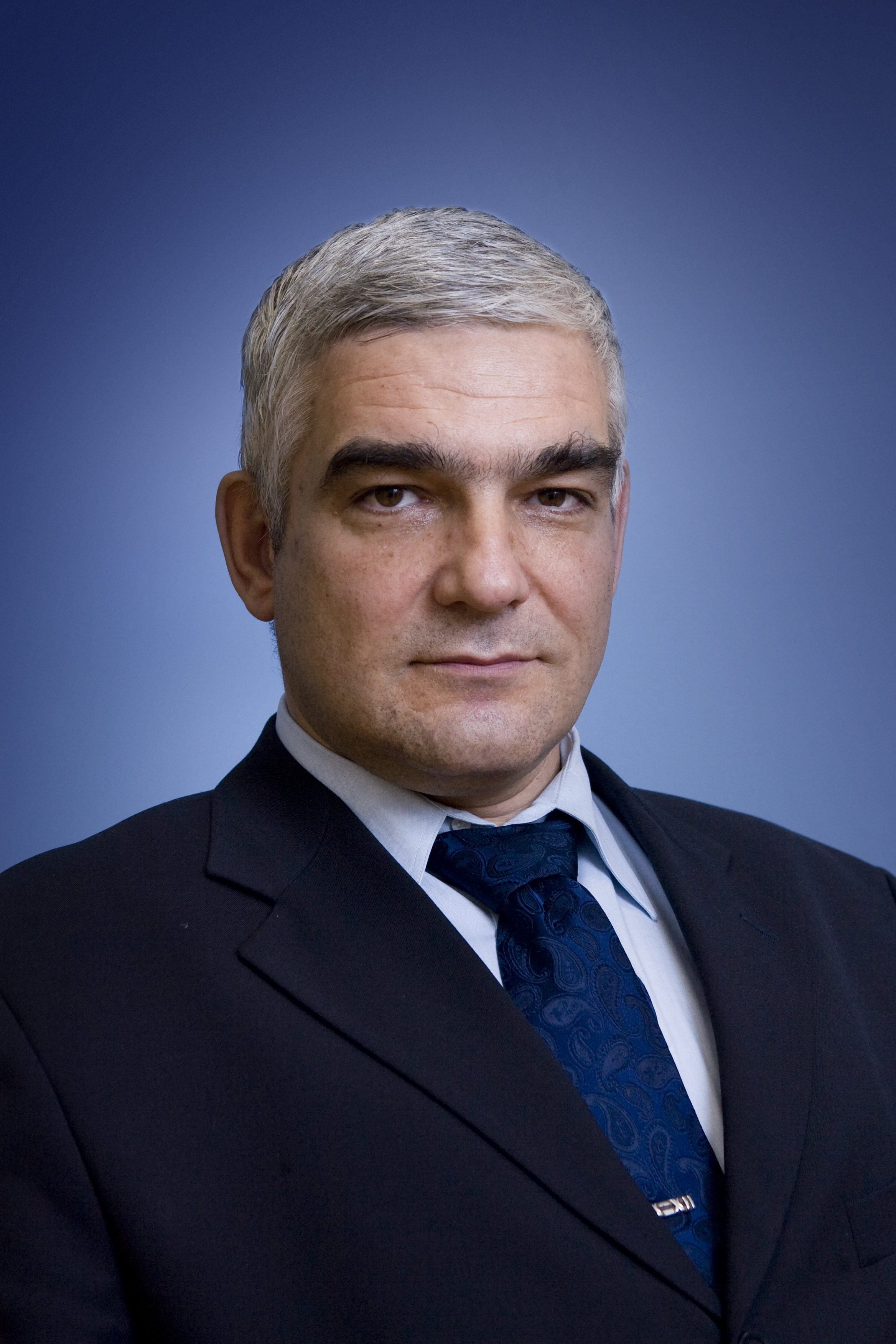
Former Scholar-in-Residence, The East East: Partnership Beyond Borders Program, Moscow Center
Ryabov was chair of the Carnegie Moscow Center’s East East: Partnership Beyond Borders Program. He is also the chief editor of the journal World Economy and International Relations and a leading researcher at the Russian Academy of Sciences’ Institute of World Economy and International Relations.
Carnegie does not take institutional positions on public policy issues; the views represented herein are those of the author(s) and do not necessarily reflect the views of Carnegie, its staff, or its trustees.

The EU can impose sanctions but struggles to enforce them without the United States. With Washington increasingly disinterested in backing European interests, the bloc must now fend for itself.


Nicu Popescu, Tiago Antunes

Russia is testing the waters of NATO’s mutual defense clause. What do strikes in Romanian territorial waters mean for the alliance’s posture toward Moscow?

Dimitar Bechev

Europe is facing rising populism internally as well as external pressures from Russia, China, Turkey, and the United States.
Dimitar Bechev

A notable degree of participative democracy has firmly arrived in Europe. But to have more far-reaching impact, democratic deliberation needs to move into a radically new phase.

Richard Youngs

Before the next wave of EU enlargement takes place, the union needs to grapple with thorny questions of how power is distributed among its members.


Emil Sondaj Hansen, Ditte Brasso Sørensen