

In The Media
John Judis
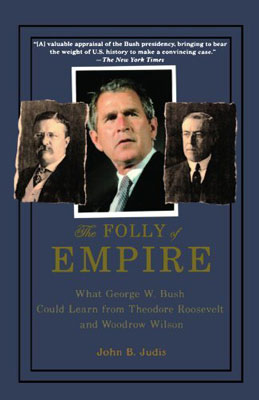
John Judis draws sharp contrasts between the Bush administration's policies, especially with regard to Iraq, and those of every administration from Franklin Roosevelt through Bill Clinton.
Source: Scribner

About the Author: John B. Judis is a visiting scholar at the Carmegie Endowment for International Peace and also senior editor at The New Republic. Judis's books include The Emerging Democratic Majority, The Paradox of American Democracy: Elites, Special Interests, and the Betrayal of Public Trust; William F. Buckley: Patron Saint of the Conservatives; and Grand Illusion: Critics and Champions of the American Century. His articles have appeared in The American Prospect, The New York Times Magazine, The Washington Post, Foreign Affairs, The Washington Monthly, American Enterprise, Mother Jones, and Dissent.

Former Visiting Scholar
As a visiting scholar at Carnegie, Judis wrote The Folly of Empire: What George W. Bush Could Learn from Theodore Roosevelt and Woodrow Wilson.
Recent Work
John Judis
John Judis
Carnegie does not take institutional positions on public policy issues; the views represented herein are those of the author(s) and do not necessarily reflect the views of Carnegie, its staff, or its trustees.
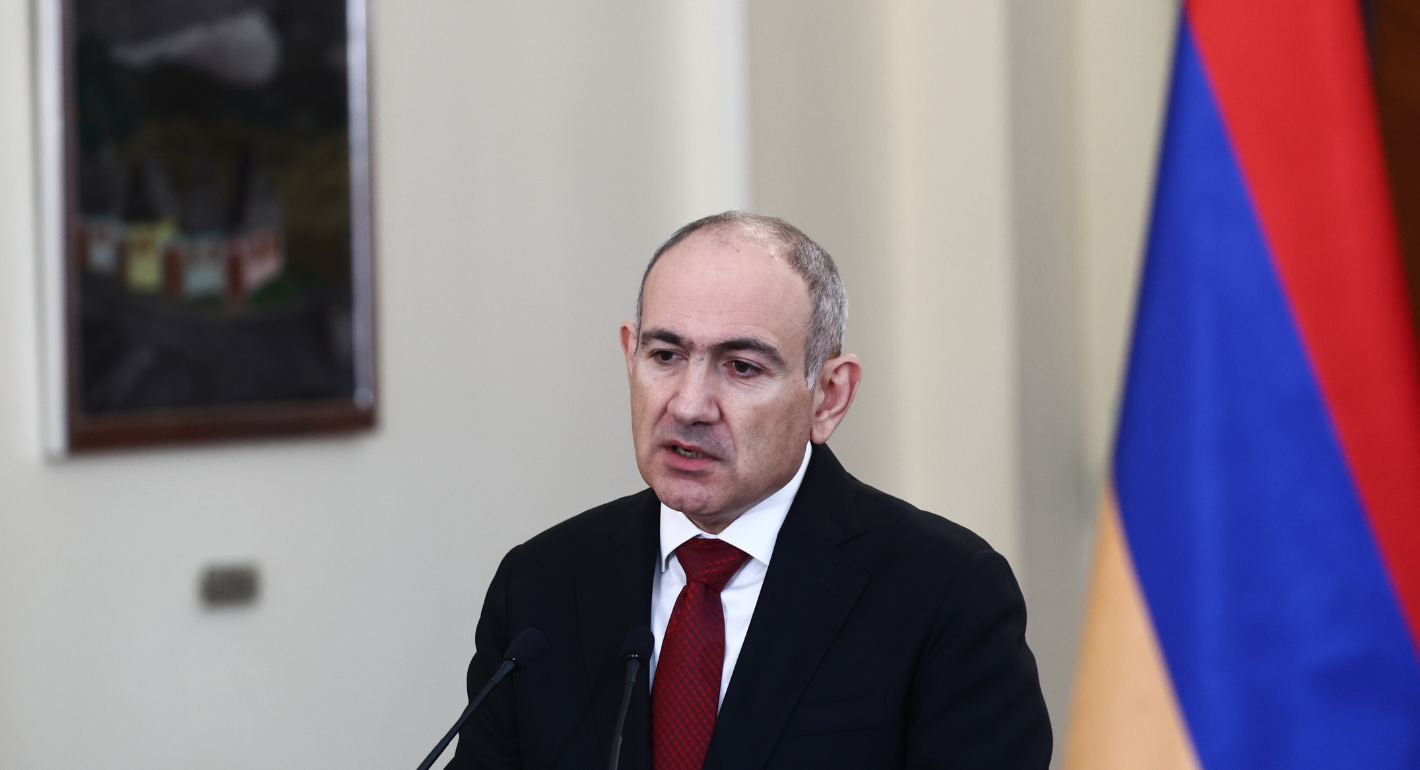
Europe has an interest in supporting Armenian leader Nikol Pashinyan as he tries to make peace with neighbors and loosen ties with Russia. But it is depersonalized support in the long term, not quickfire flash, that will win the day.

Thomas de Waal
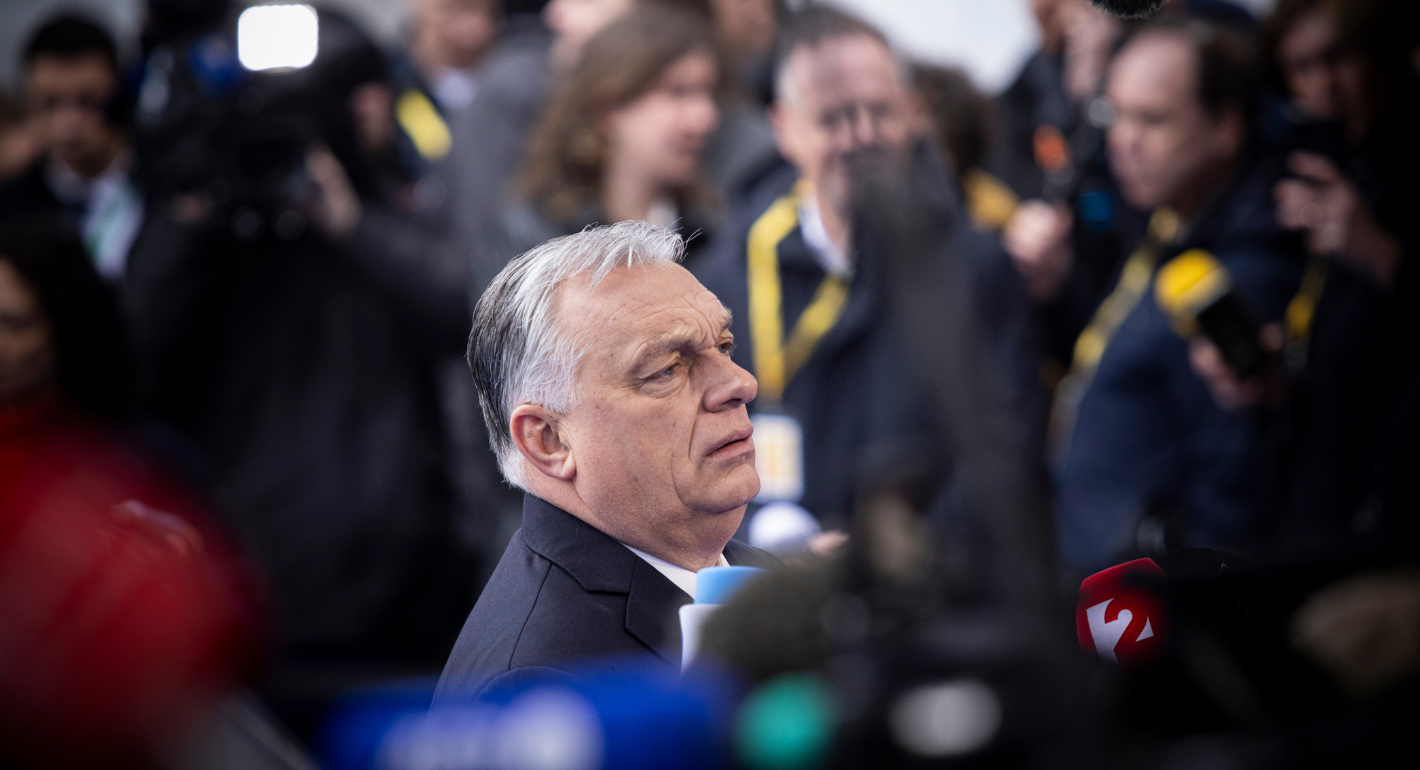
Hungarians head to the polls on April 12 for an election of national and European consequence. Three different outcomes are on the cards, each with their own implications for the EU.

Zsuzsanna Szelényi
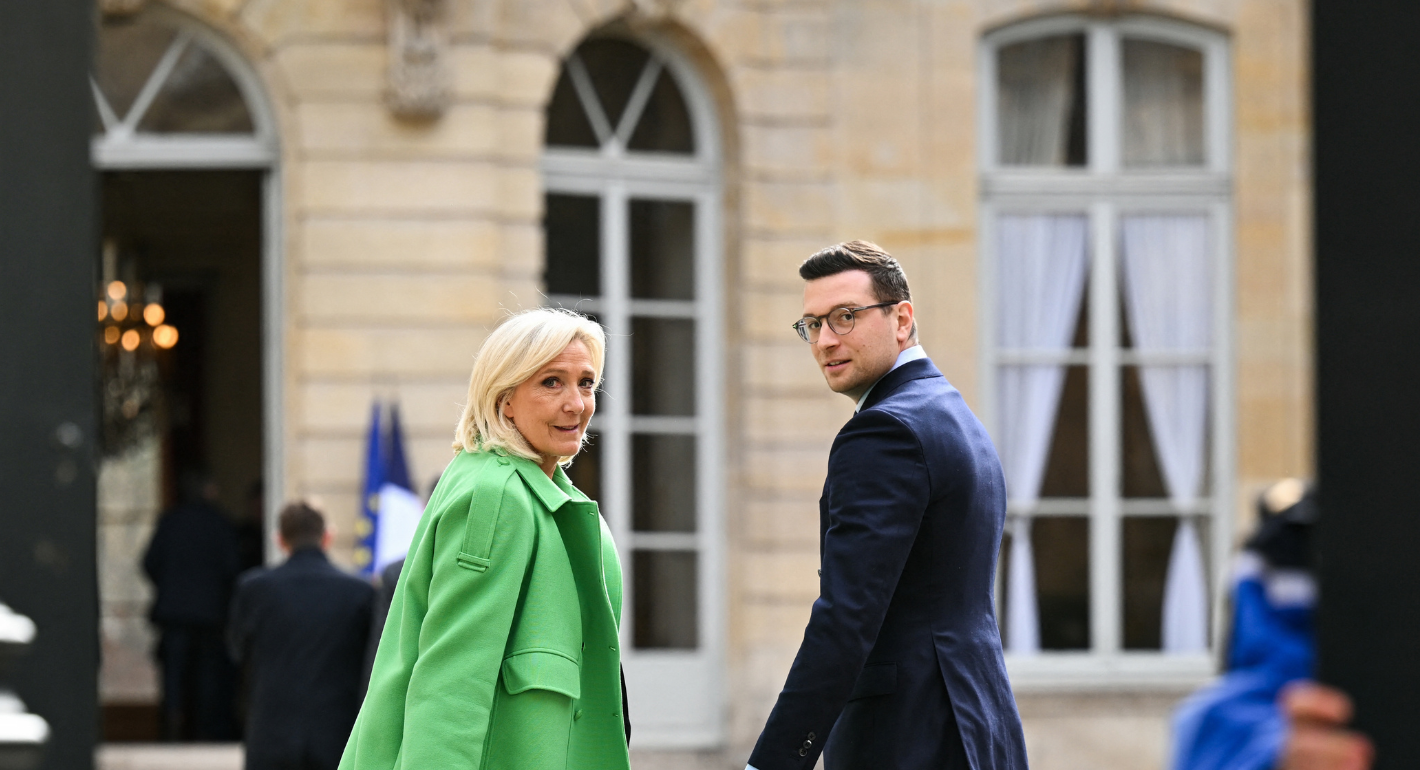
The far right failed to win big in France’s municipal elections. But that’s not good news for the country’s left wing, which remained disunited while the broader right consolidated its momentum ahead of the 2027 presidential race.

Catherine Fieschi
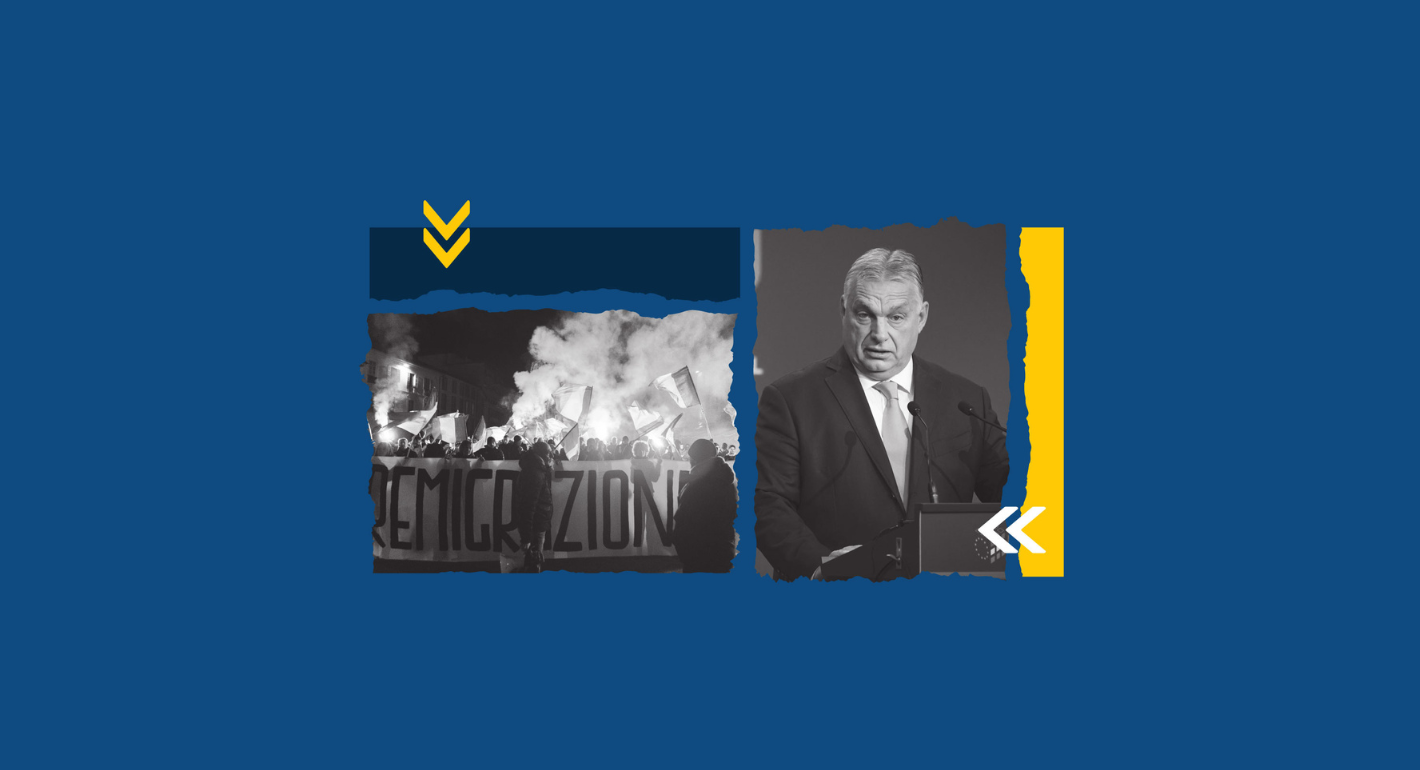
Amid increased polarization and the influence of disinformation, radical-right parties are once again gaining traction across Europe. With landmark elections on the horizon in several countries, are the EU’s geostrategic vision and fundamental values under existential threat?

Catherine Fieschi, Cas Mudde
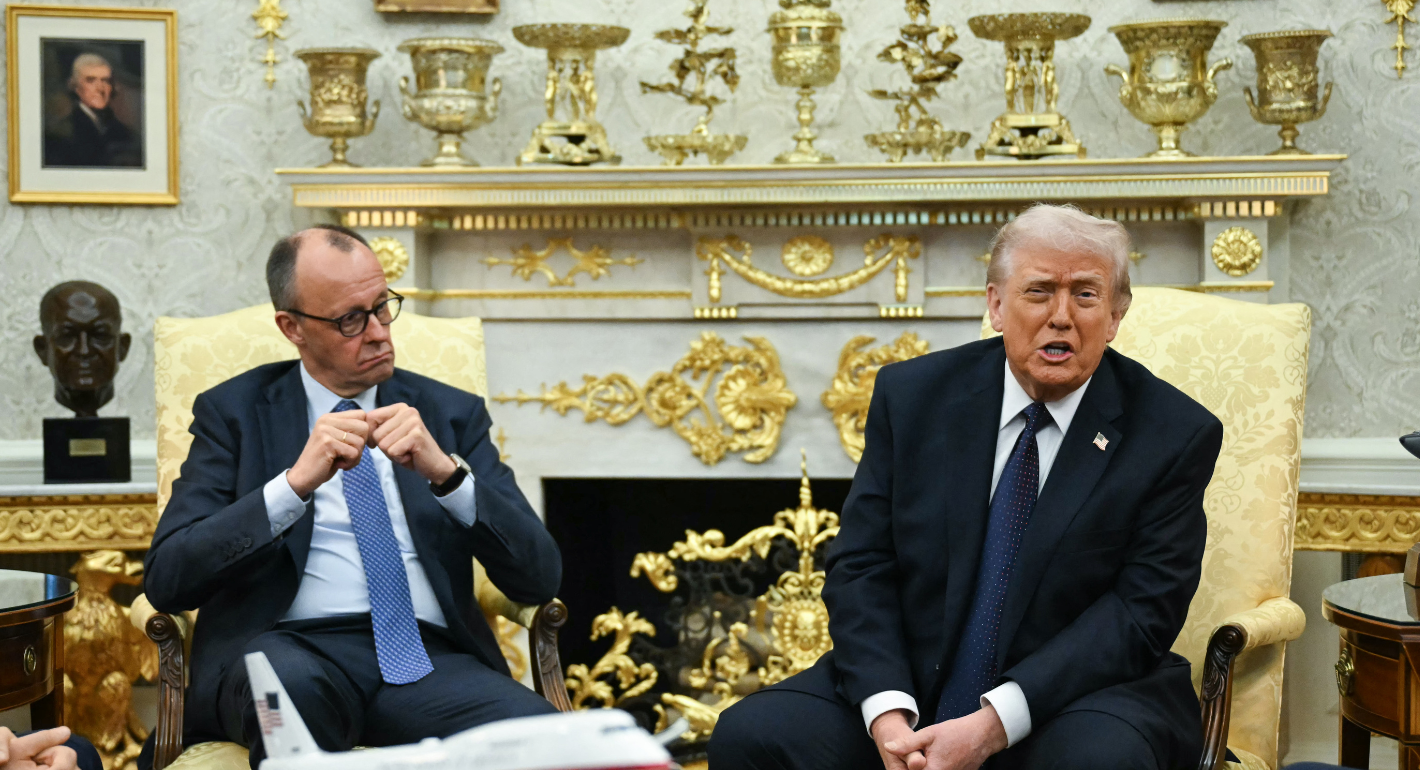
European reactions to the war in Iran have lost sight of wider political dynamics. The EU must position itself for the next phase of the crisis without giving up on its principles.

Richard Youngs