

Report
- +2
George Perkovich, Jessica Tuchman Mathews, Joseph Cirincione, …

REQUIRED IMAGE
The International Atomic Energy Agency will approve its report on South Korea’s past nuclear activities this week. Unfortunately, the Roh government has resisted any attempt to refer the issue to the to the UN Security Council for a final resolution. This is unfortunate, since a UN resolution would not only further demonstrate South Korea’s new found openness regarding its peaceful nuclear intentions, but it misses a golden opportunity to demonstrate to North Korea how it must behave to resolve outstanding nuclear concerns.
The International Atomic Energy Agency will approve its report on South Korea’s past nuclear activities this week. Unfortunately, the Roh government has resisted any attempt to refer the issue to the to the UN Security Council for a final resolution. This is unfortunate, since a UN resolution would not only further demonstrate South Korea’s new found openness regarding its peaceful nuclear intentions, but it misses a golden opportunity to demonstrate to North Korea how it must behave to resolve outstanding nuclear concerns.
While some hardliners in the United States, such as Undersecretary of State John Bolton, have argued for a UN Security Council esolution for South Korea, their motives have been to pave the way for referring Iran and its nuclear violations to the UN for punishment. They see the UN not as the embodiment of international norms, but as a tool for legitimizing their efforts to undertake regime change in Tehran and Pyongyang. But if handled constructively, referring South Korea to the UN could also demonstrate to Pyongyang and Tehran that openness and honesty, even after violations of international nuclear agreements, can lead to a peaceful resolutions of disputes and improved relations with the outside world.
The IAEA report provides extensive details about past South Korean nuclear experiments dating back to the 1980s. There should be little doubt that these activities, taken together, have given South Korean scientists the experience they would need to produce nuclear materials for a nuclear weapon, if authorized by the central government. This is not to say such a decision is being considered or likely, but the implications will linger regardless of whether and how the current issue of North Korea’s nuclear program is resolved. Moreover, the report also makes clear that even if past activities were not authorized by the Blue House, the work took place in violation of South Korea’s legal obligations to place and keep all nuclear activities under IAEA observation. It is misleading for any officials or analysts to say that these activities do not constitute a violation of South Korea’s international legal treaty obligations. They do, and the implications of those facts will also linger for many years.
What do these developments mean for South Korea and for efforts to return North Korea to its nonproliferation obligations? For Seoul, it does seem that the government’s full and, more recently, intense cooperation with the IAEA has prevented the episode from damaging relations with the United States or other allies. But over the longer term, if North Korea cannot be convinced to abandon its nuclear program, people around the world will look with increasing concern about South Korea’s long-term nuclear ambitions, just as some do regarding Japan or Taiwan. Capabilities, not just intentions, are an important part of any effort to predict the future course of events.
At the very least, these developments will not make restarting or making progress in the six party talks any easier. North Korean statements have added resolving South Korea’s nuclear activities to its existing list of demands for rejoining the six party talks. These demands, plus the reelection of President George W. Bush, do not suggest that the standoff with Pyongyang will break anytime soon. The lack of intense international attention to North Korea’s nuclear program is another major source of concern, and indicated that progress in the near term is not likely.
To refocus international attention on Pyongyang, the other five members of the six party talks should co-sponsor a UNSC resolution noting South Korea’s past nuclear activities and commending Seoul on its full and open cooperation with the IAEA. The resolution should note that South Korea’s continued membership in the NPT and the transparent and open manner it has adopted has made any punishment, political, economic or military totally unnecessary and the UNSC considers the matter closed.
Moreover, the resolution should call on North Korea to follow Seoul’s example and lay out the same path for a peaceful resolution to North Korea’s past nuclear activities. This would offer Pyongyang some confidence that the matter can be resolved cooperative and open the way to better relations with the outside world. However, the resolution should also note that failure by North Korea to live up to its obligations will require additional actions by the UNSC as appropriate. This resort to the UN for punishment is as important in motivating Pyongyang as the offer for improved relations. Seoul’s demand to bypass the UN misses a wonderful chance to do both at the same time.

Former Nonresident Scholar, Nuclear Policy Program
Jon Wolfsthal was a nonresident scholar with the Nuclear Policy Program.
Recent Work


George Perkovich, Jessica Tuchman Mathews, Joseph Cirincione, …
Jon Wolfsthal
Carnegie does not take institutional positions on public policy issues; the views represented herein are those of the author(s) and do not necessarily reflect the views of Carnegie, its staff, or its trustees.
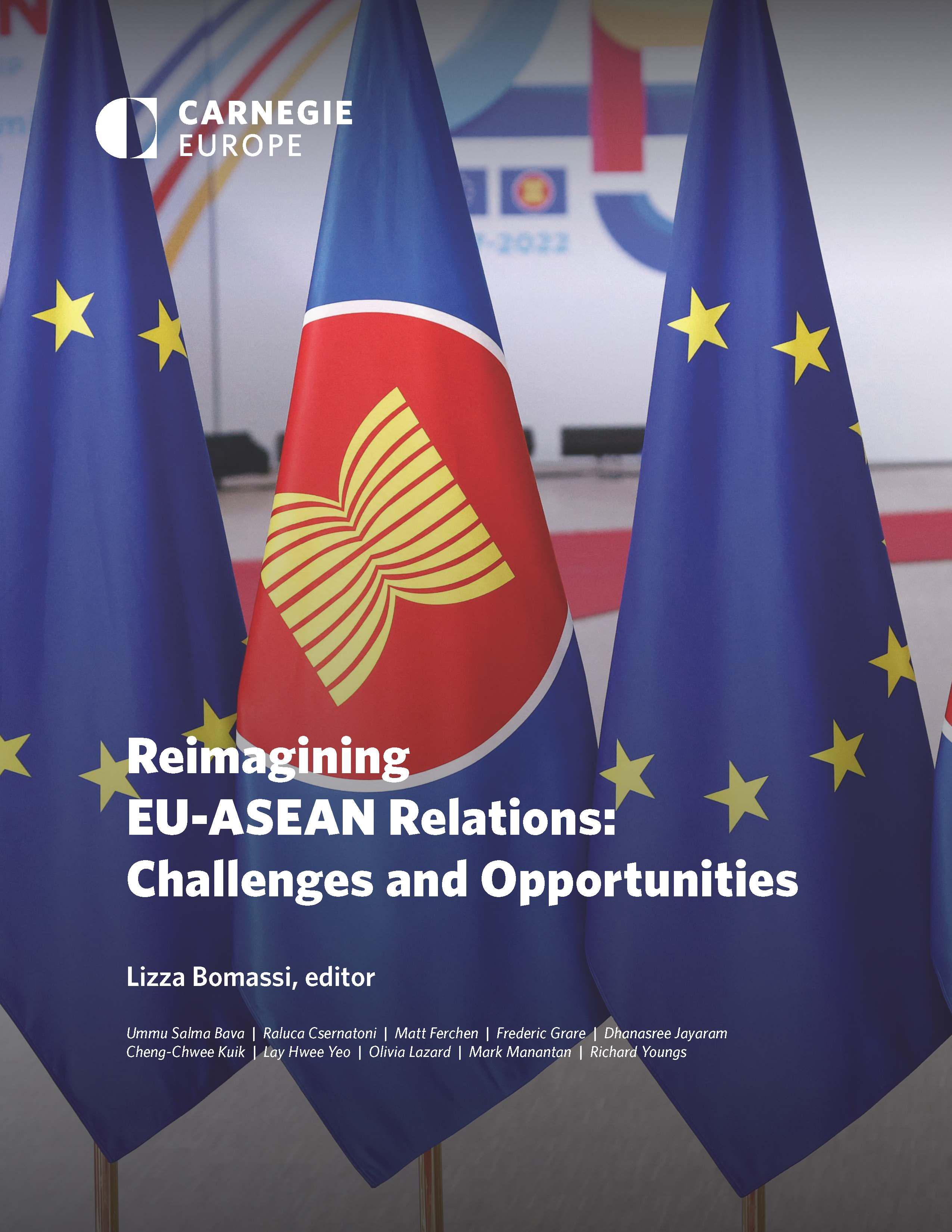
The EU and ASEAN have diverging priorities in climate, security, technology, trade, and democracy. Stronger cooperation in these fields would enable the two blocs to tackle shared challenges and pursue common interests.

Lizza Bomassi
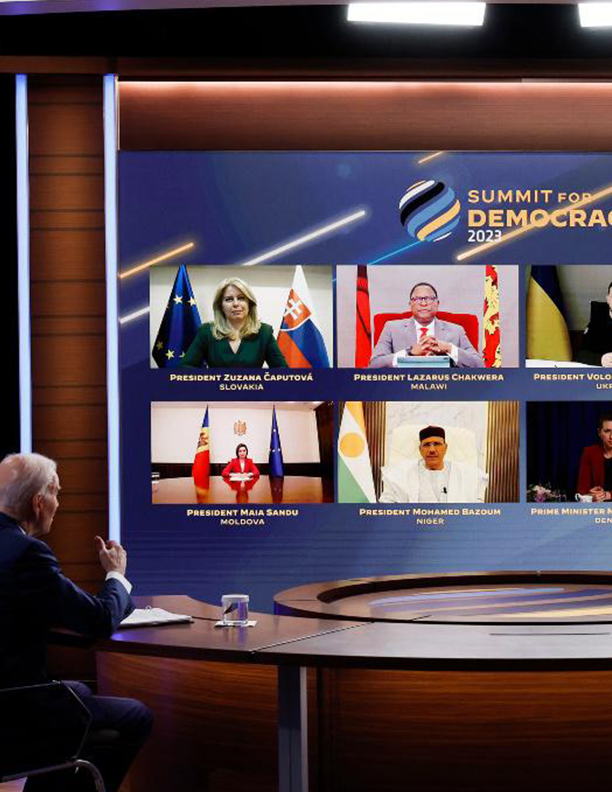
Leaders agreed that the Summit for Democracy process will continue to improve coordination among democracies. If the EU is to prove its credibility and effectiveness, concrete actions are needed in the months ahead.



Richard Youngs, Ken Godfrey, Thomas Carothers, …
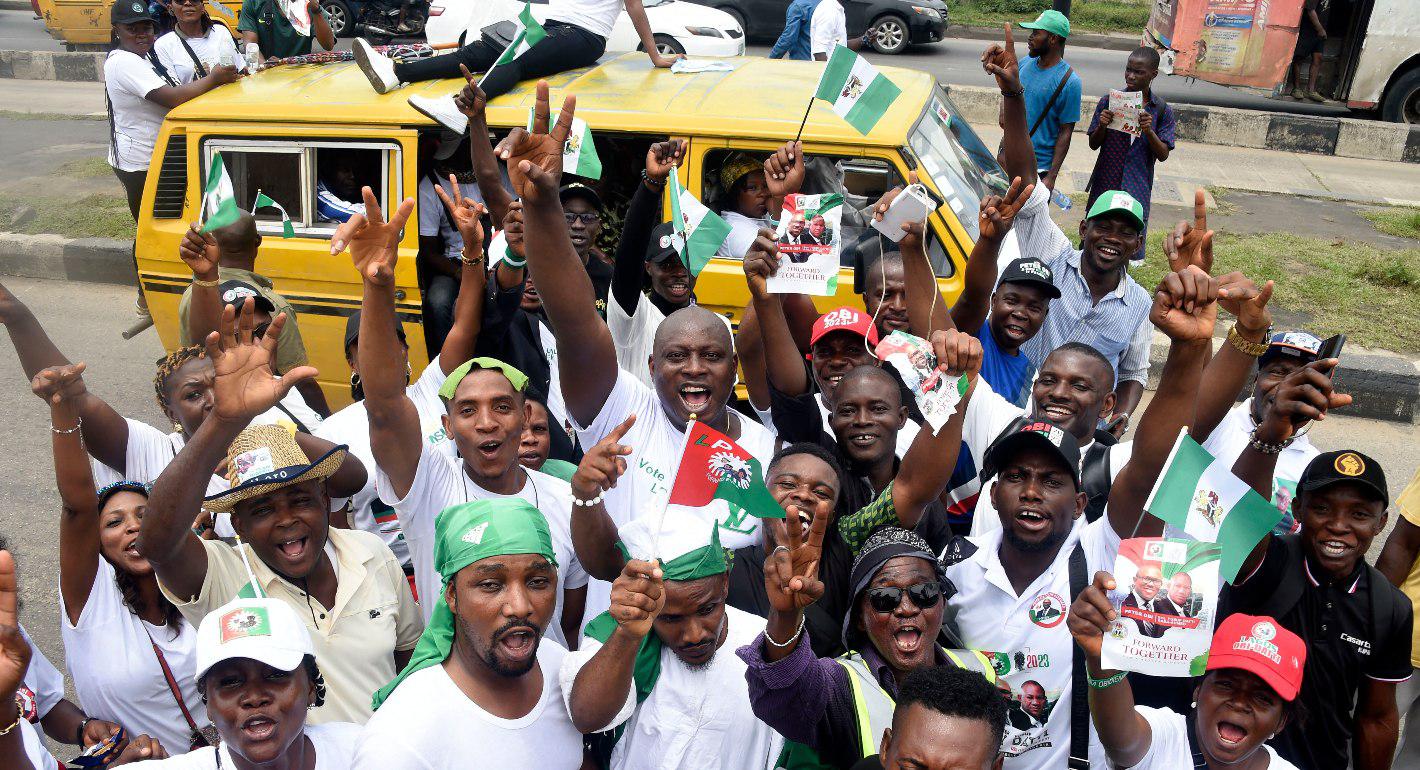
Countries around the world are struggling to bridge the gap between citizens and political elites. Innovative practices outside the West, while far from ideal, should be considered in debates about democratic renewal in Europe.
Richard Youngs, Ken Godfrey
Innovative forms of deliberative and participatory democracy from outside the West can inspire reform in European states.
Richard Youngs, Ken Godfrey
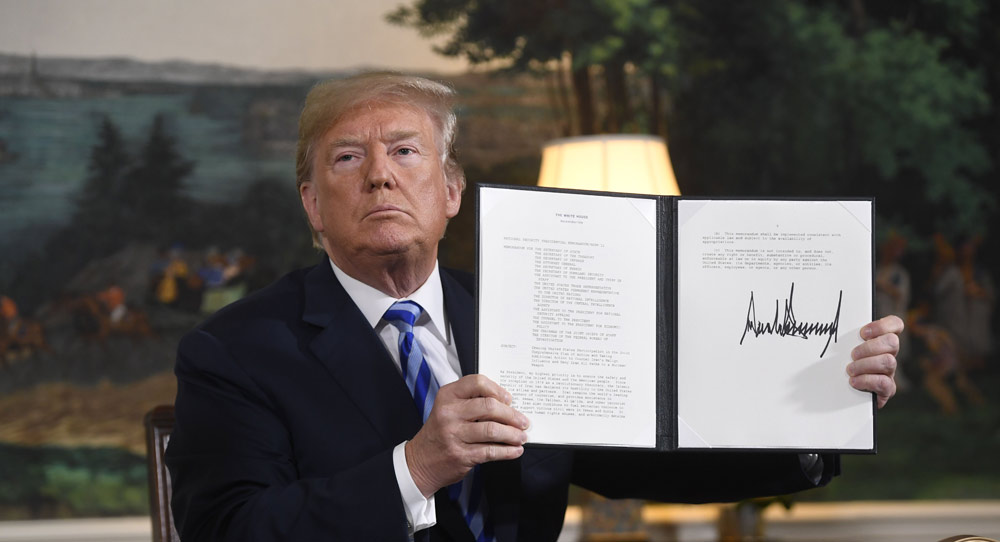
Washington underestimates the strength of attachment in Paris and Berlin to the current Iran deal, as well as the depth of differences between Europe and the United States on how to stabilize the Middle East.
Tomáš Valášek