

Commentary
Over the past ten years, NATO has held almost as many summits as it did during the entirety of the Cold War. Are they still useful, or is it time to stop holding annual meetings?
Rym Momtaz, ed.

REQUIRED IMAGE
Iran's nuclear program is becoming an increasingly large issue in Turkey. Despite abundant publications worldwide about Iran’s alleged efforts to develop nuclear weapons for more than two decades, Turkish security elite have only recently started to express concerns about the subject. To date, their stance vis-à-vis Iran’s nuclear program would be categorized as one of negligence.
The nuclear program of the Islamic Republic of Iran is becoming an increasingly large issue in Turkey. Even though there were abundant publications worldwide about Iran’s alleged efforts to develop nuclear weapons for more than two decades, Turkish security elite, with few exceptions, have only recently started to raise an eyebrow and express concerns about the subject. To date, their stance vis-à-vis Iran’s nuclear program would be categorized as one of negligence, to say the least. One particular reason for such an attitude was the widespread belief among the Turks that Iran would not be able to materialize its nuclear weapons ambitions anyway because of the adamant opposition of the United States and Israel. In addition, Iran’s obligations under the terms of the NPT and its comprehensive safeguards agreement with the IAEA were also thought to be real impediments. Moreover, Turkey’s NATO membership and the considerable might of the Turkish Armed Forces were believed to be powerful deterrents against Iran, if need be.
When it became clear in early 2003 that some of Iran’s activities were in violation with its safeguards agreement, Turkish security elite started to monitor Iran’s nuclear program more closely. However, discussions are going beyond a mere interest in what’s going on in with their neighbor: voices are starting to be heard from within Turkish society promoting the idea of going nuclear, particularly if Iran manages to develop nuclear weapons capability. There are a number of reasons for considering the nuclear issue. First of all, Turks have seen that the much-publicized adamant opposition towards the US’s failure to prevent North Korea from advancing its nuclear weapons capabilities. It is believed by many experts that North Korea has either already manufactured several nuclear weapons or is able to do so on a very short notice. The concerned body of intellectuals in Turkey think this is because of a lack of US commitment to uphold the principles of the nuclear nonproliferation regime due to its excessive engagement in the "war against terror," sending wrong signals to the aspiring states.
Strengthening the nonproliferation regime, however, has been the key issue in Turkey’s official stance toward the spread of weapons of mass destruction. Therefore, the possibility of the NPT becoming an ineffective treaty stands out as the second reason why some in Turkey espouse the idea of having at least the basic infrastructure for nuclear weapons capability. These people quickly come to the conclusion that no international treaty should constrain Turkey anymore if Iran follows the example after North Korea in evading its obligations under the NPT by simply walking out with a unilateral declaration.
A third reason is the perceived weakness of NATO, which is seen as being in a protracted process of soul searching since the end of the Cold War. NATO, which used to be the most trusted international organization by the Turks, has turned down Turkey’s request in the days leading up to the US-led Coalition’s war on Iraq to enact Article 4 of the North Atlantic Treaty, which would have paved the way to taking necessary measures envisaged in Article 5 (i.e., Alliance solidarity) against a possible Iraqi aggression. Almost the same happened back in 1991 during Iraq’s invasion of Kuwait. Hence, for many Turks, NATO’s credibility as an effective deterrent against a nuclear weapons capable Iran is seriously called into question.
Last but by no means the least, a huge number of Turks are unhappy with the policies of the US toward the Kurdish groups in northern Iraq. Many believe that the US is helping the Kurds to build an independent state, regardless of what the American diplomats are asserting publicly. Some even argue that a confrontation with the US over northern Iraq, a region that was ruled by the Turks for centuries then lost to the British after the demise of the Ottoman Empire, is not a far-fetched scenario. Having heard what was said and written in the US after the failure of the troop basing resolution in the Turkish Parliament on March 1, 2003, they maintain that Turkey must be powerful. Policy-makers as well as media commentators in the US have harshly criticized Turkey for not opening its territory to American troops. Some even went on to suggest taking tough military measures against Turkey. Added to these, the unlucky incident on the 4th of July in 2003 in the northern Iraqi city of Suleymaniyah when the US troops detained Turkish Special Forces (who were there for more than a decade with the knowledge of successive US administrations) created an outburst in the public domain and among the political and military elite alike. The degree of popular reaction was unprecedented in the history of the Turkish-American relations. "Had we had nuclear weapons, Americans could not have treated our brave soldiers like that," said many Turks from all walks of life. It seems that the very basic causes of going nuclear, namely prestige and national pride, have already surfaced in Turkey, too.
Developing nuclear weapons has never been a state policy in Turkey, nor will it be in the foreseeable future so long as the government and the military are in responsible hands. Turkey is a State party to the NPT, and it is one of the very few states that voluntarily ratified the Additional Protocol of the IAEA, not to mention its membership in the international nonproliferation initiatives such as the Nuclear Suppliers Group. There is, therefore, good reason to believe that Turkey will not be the next proliferator. However, the loyalty of an increasing number of Turks, especially from the younger generations, be they in politics, in academia, in the military or in state bureaucracy, to the norms of the nonproliferation regimes cannot be taken for granted indefinitely if the US and the EU fail to convince Iran to stop its nuclear activities that may have direct bearings for developing nuclear weapons. Iran’s reported nuclear ambitions may trigger young Turks to think nuclear seriously.
* Assoc. Prof. Mustafa Kibaroglu teaches courses on proliferation of weapons of mass destruction, arms control and disarmament in the Department of International Relations at Bilkent University in Ankara. This paper is written during author’s sabbatical fellowship at Harvard University in 2004-2005 academic year.
Mustafa Kibaroglu, Ph.D
Carnegie does not take institutional positions on public policy issues; the views represented herein are those of the author(s) and do not necessarily reflect the views of Carnegie, its staff, or its trustees.

Over the past ten years, NATO has held almost as many summits as it did during the entirety of the Cold War. Are they still useful, or is it time to stop holding annual meetings?

Rym Momtaz, ed.
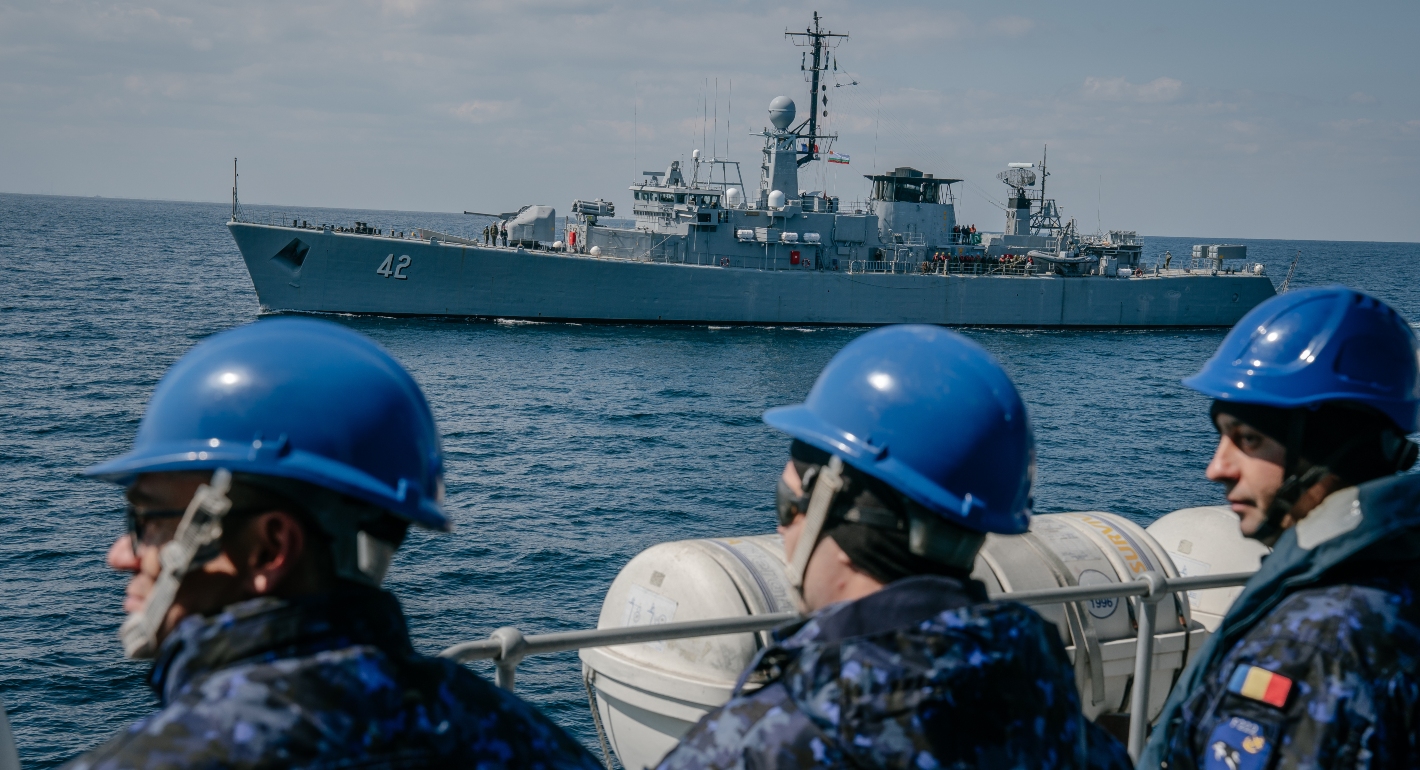
As Russia's war on Ukraine drags on, NATO is expanding its footprint in the Black Sea. Turkey, Romania, and Bulgaria are upgrading their fleets and deepening trilateral cooperation.

Dimitar Bechev
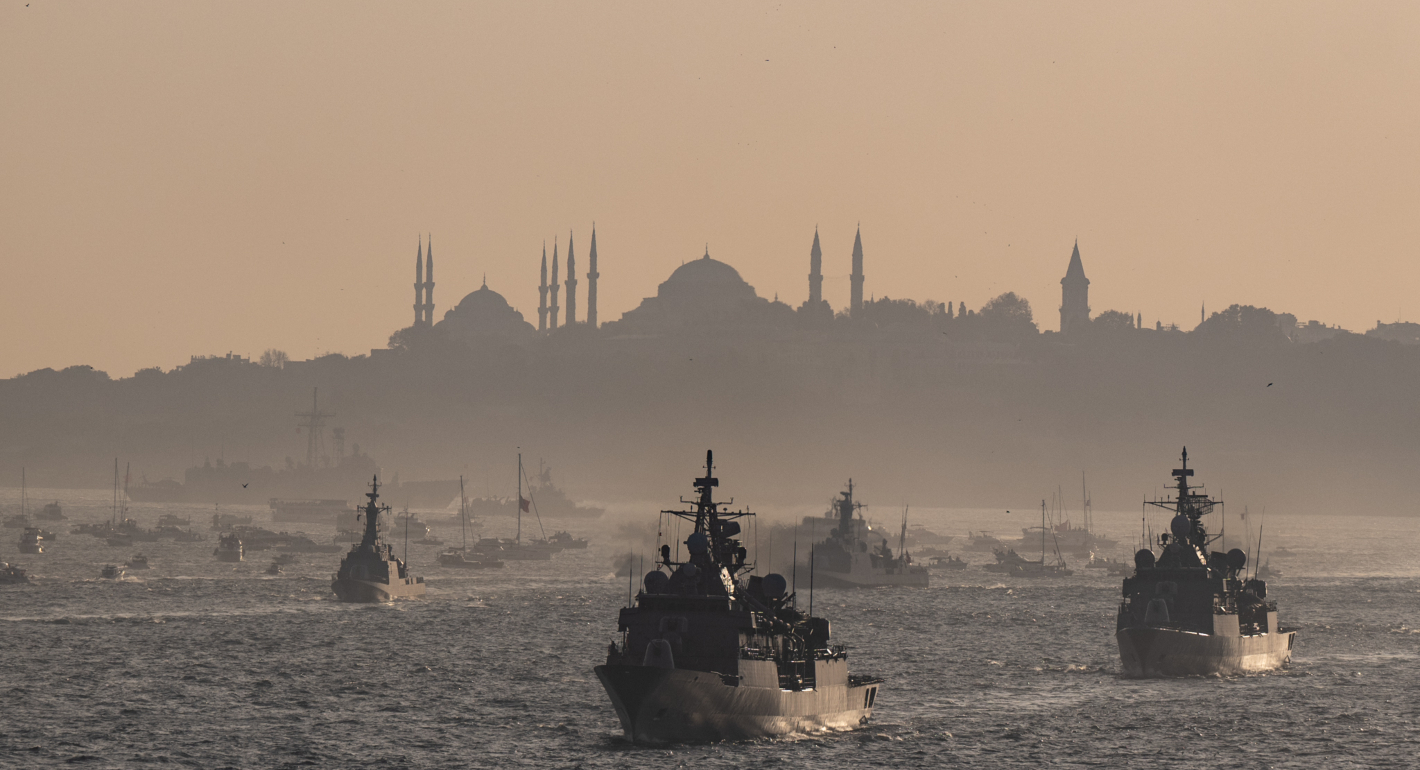
For ninety years, Turkey has been positioned as the principal gatekeeper of Black Sea security. As a result, European and NATO efforts to support Ukraine will require closer engagement with Ankara.

Thomas de Waal

When the U.S.-Iran memorandum of understanding was announced, the UK, France, Germany, and Italy declared their readiness to help demine the Strait of Hormuz and lift nuclear sanctions on Tehran. But does Europe need new tools to recover a diplomatic role?
Rym Momtaz, ed.
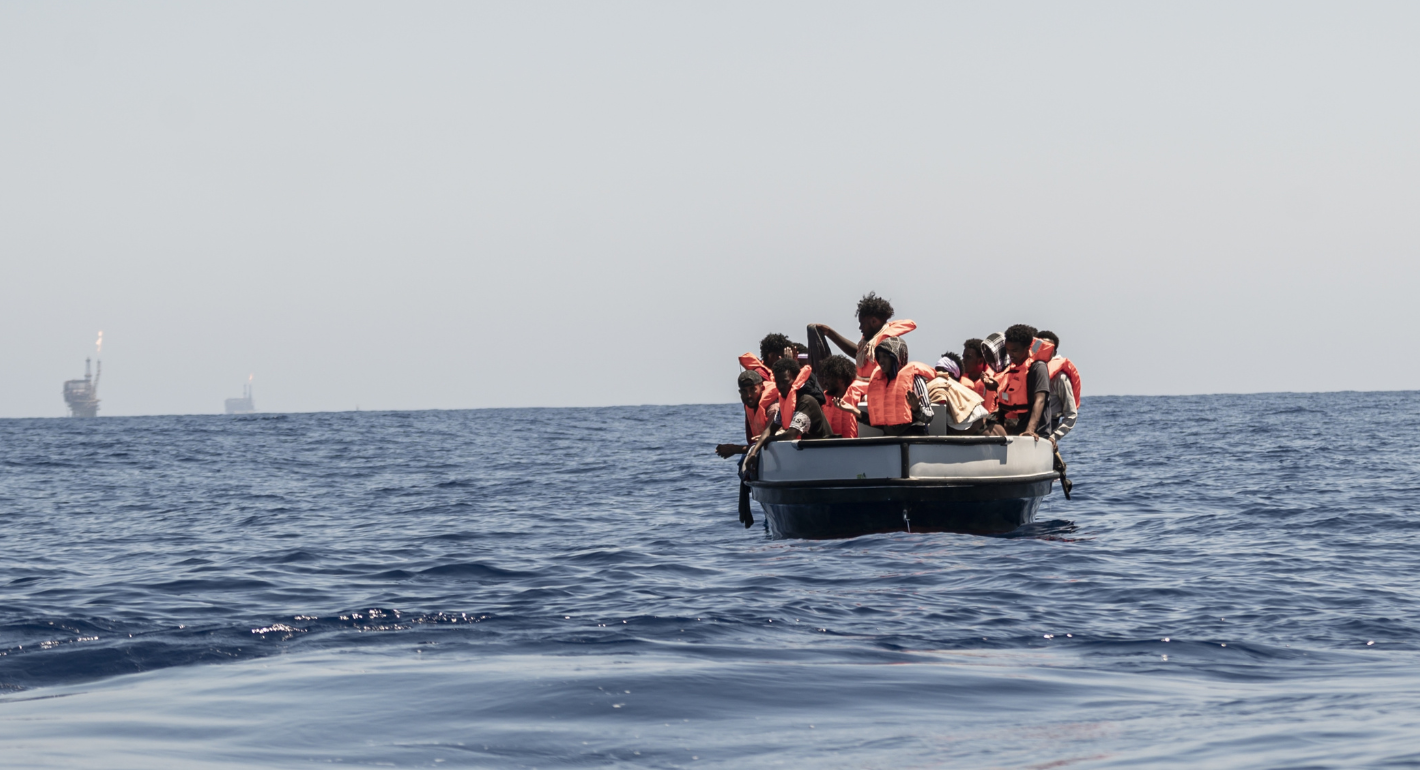
The EU’s new migration policy is not suited to today’s realities. With climate change increasingly becoming a driver of displacement, Europe needs to rethink its deterrence-focused approach.

Shana Tabak