

Paper
George Perkovich

REQUIRED IMAGE
The possibility of U.S. trade and investment offers a most effective way to enhance Iranian decision-making. Instead of imposing sanctions, which have punished Iranians for 24 years, a better strategy would be to demonstrate the benefits of economic cooperation with the U.S. The simplest first step would be for the U.S. to drop its objection to Iran’s joining the World Trade Organization. Indeed, the greatest resistance to economic reforms sought by Iranian progressives comes from the bazaar, the old-economy conservatives who also back the political-security hardliners. Prospective WTO membership would give progressives a lever to push reforms necessary to satisfy WTO terms and integrate Iran more deeply into the international political economy.
(Read More)
(The Washington Post reported on February 28 that the Bush Administration, at the behest of the president, is considering cooperating with European negotiators in offering Iran positive incentives to permanently forego acquisition of uranium enrichment and plutonium separation capabilities. One incentive mentioned is removal of U.S. objections to Iran's joining the World Trade Organization. This is among the recommendations made by George Perkovich in an April 2003 paper "Dealing with Iran’s Nuclear Challenge", which is excerpted below. Click on the link in the right-hand column for the full text PDF downloaded.)
A serious strategy to persuade Iran to forego acquisition of uranium enrichment and plutonium separation capabilities confronts American officials with a challenge analogous to handling nitroglycerine. The U.S. must squeeze Iran (and its suppliers) enough to block Iran’s acquisition of nuclear weapon capabilities without shaking so hard that Iranian nationalists explode and say, essentially, "yes, we withdraw from the NPT and you cannot stop us." The U.S. should do everything it can to encourage statements such as Rafsanjani’s that Iran "has never been after non-conventional weapons and will never do so."
The U.S. must concentrate on redressing the sources of Iran’s potential demand for nuclear weapons. Unlike Pakistan facing India, or Israel facing its host of enemies, Iranians cannot realistically argue a military security imperative for acquiring ‘the great equalizer" of nuclear weapons to hold a stronger neighboring adversary at bay. If the U.S. could help show that nuclear weapons are unnecessary or inimical to Iran’s real security interests, then nationalism would be left as the driving motivation behind Iran’s nuclear ambitions.
Nothing fuels nationalism like resistance to public diktat by arrogant, perhaps hypocritical outsiders. Declaring Iran part of an "axis of evil," invoking threats of regime change, and appearing to strangle the country’s technological development are only the most recent manifestations of U.S. policies that make even Western-minded reformers in Iran proudly resist the U.S. The U.S. must stop stimulating Iranian nationalism. U.S. officials should acknowledge publicly the immutable reality that Iran – Persia – will always be a leading player in the Persian Gulf and Middle East. U.S. policies toward Iraq and the broader Middle East can help in this regard. Iran's neighbors have the right to insist that Iran respect their interests and needs for autonomy and security. The U.S. legitimately can help guarantee these interests at the request of these smaller states. But the U.S. should clarify that the optimal future is one where the states in the region, including Iraq and Iran, develop security norms, rules, and mechanisms based on peaceful cooperation, nonprovocative defenses, and eschewal of interference in each other's internal affairs.
The U.S. need not and should not interfere in Iranian citizens’ determination of the type of government that should lead them. Iranians, especially the youth, wish to end their national isolation and integrate with the modern world. Unemployment officially tops sixteen percent, and the inflation rate is nearly as high. This, along with impositions on personal lifestyles, has caused the tremendous disaffection of Iranian youth. The desire for greater freedom and international integration does not necessarily portend an end to clerical prominence in Iran; the central question is whether one supreme clerical leader should have over-riding authority -- directly or indirectly through bodies appointed by him -- or whether elected representatives should have ultimate power. The process of answering this seminal question may not be quick or peaceful, but eventually Iran's youth will change the country. Freely elected leaders will be given real power.
The possibility of U.S. trade and investment offers a most effective way to enhance Iranian decision-making. Instead of imposing sanctions, which have punished Iranians for 24 years, a better strategy would be to demonstrate the benefits of economic cooperation with the U.S. The simplest first step would be for the U.S. to drop its objection to Iran’s joining the World Trade Organization. Indeed, the greatest resistance to economic reforms sought by Iranian progressives comes from the bazaar, the old-economy conservatives who also back the political-security hardliners. Prospective WTO membership would give progressives a lever to push reforms necessary to satisfy WTO terms and integrate Iran more deeply into the international political economy.
The U.S. should convey its hopes that Iran’s leaders will not hold their people and country back from achieving their full potential and the benefits of international integration. The strategy should be to give hardliners an unrefusable opportunity to satisfy the Iranian public’s desire for relations with the U.S. If Khamene’i or top figures did refuse, they would further weaken their political standing with the majority of Iranians.
To access the full text working paper, click on the link in the right-hand column.

Japan Chair for a World Without Nuclear Weapons, Senior Fellow
George Perkovich is the Japan Chair for a World Without Nuclear Weapons and a senior fellow in the Carnegie Endowment for International Peace’s Nuclear Policy Program. He works primarily on nuclear deterrence, nonproliferation, and disarmament issues, and is leading a study on nuclear signaling in the 21st century.
Recent Work
George Perkovich
George Perkovich
Carnegie does not take institutional positions on public policy issues; the views represented herein are those of the author(s) and do not necessarily reflect the views of Carnegie, its staff, or its trustees.
Closer EU-UK ties could help address urgent European concerns. But is the EU ready for rapprochement with the United Kingdom?

Rym Momtaz, ed.
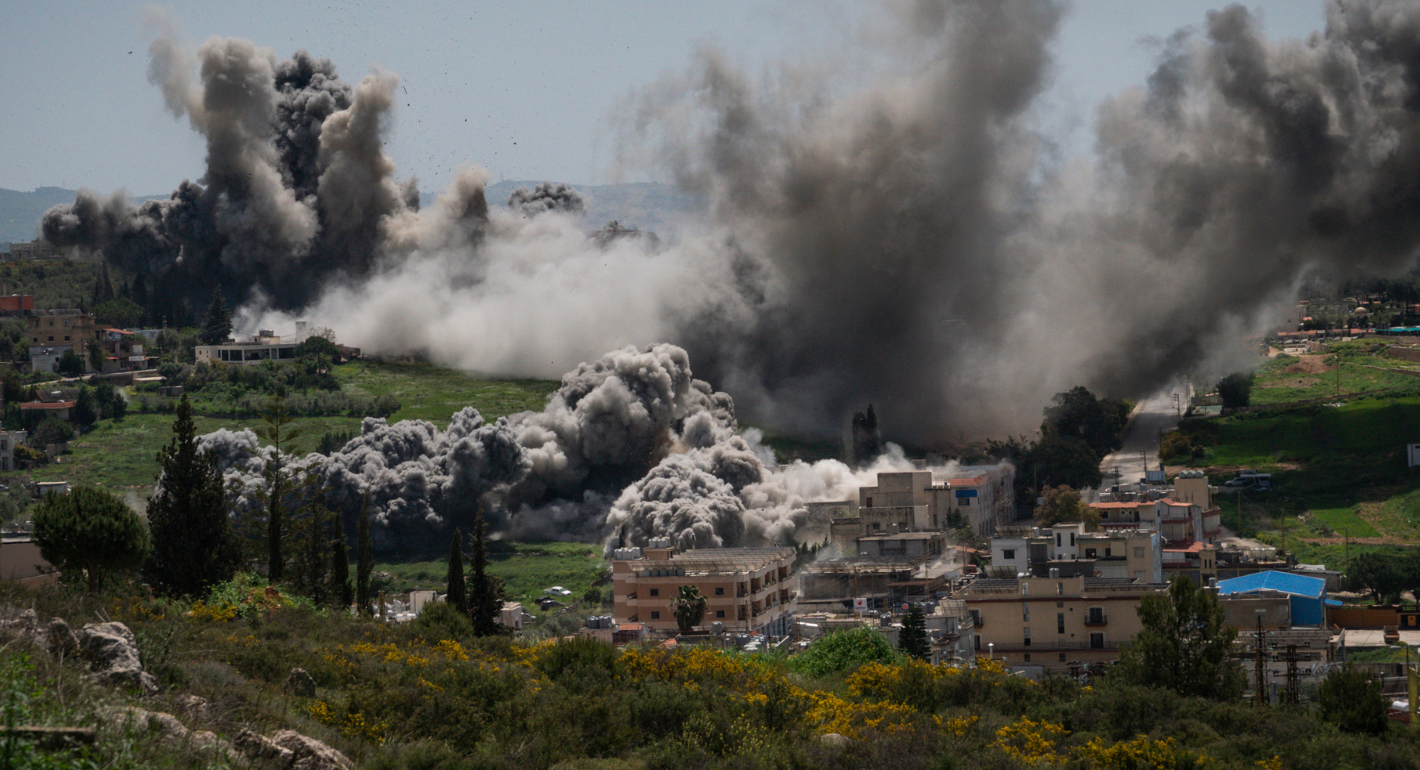
Europe has been standing by while its Southern neighborhood is being redrawn by force. To establish a path to peace between Israel and Lebanon, it’s time for Europeans to get involved with hard power.
Rym Momtaz

In Ukraine, Gaza, and Iran, AI warfare has come to dominate, with barely any oversight or accountability. Europe must lead the charge on the responsible use of new military technologies.

Raluca Csernatoni
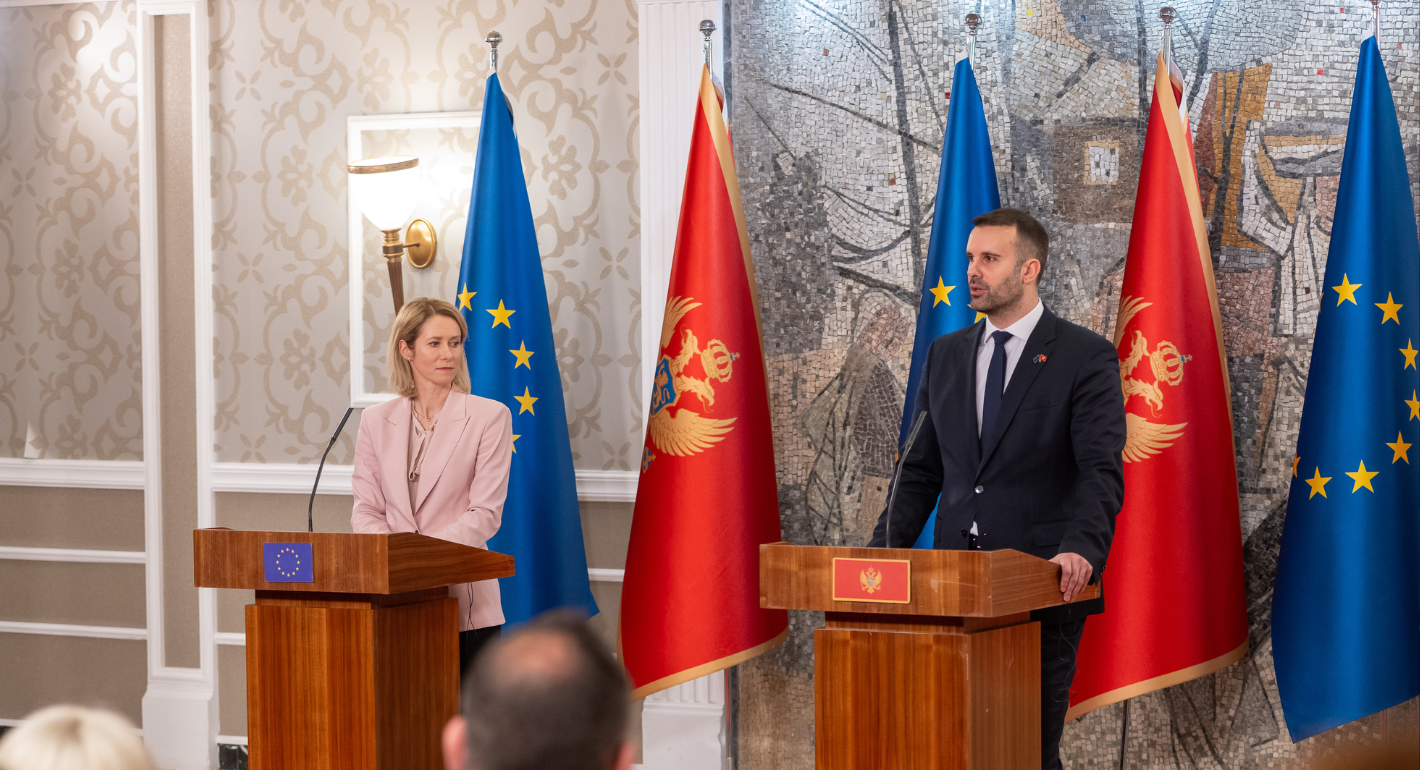
Montenegro and Albania are frontrunners for EU enlargement in the Western Balkans, but they can’t just sit back and wait. To meet their 2030 accession ambitions, they must make a strong positive case.


Dimitar Bechev, Iliriana Gjoni
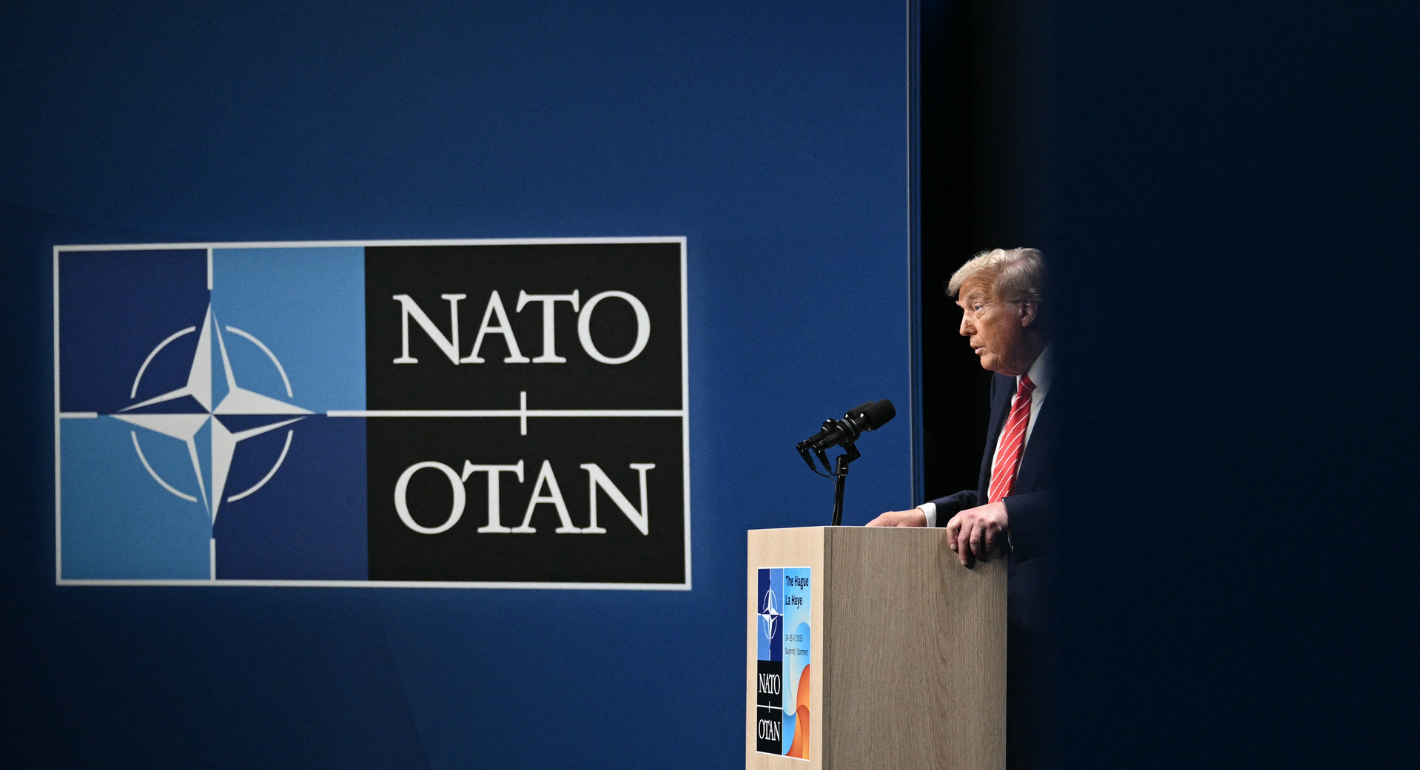
Donald Trump has repeatedly bashed NATO and European allies, threatening to annex Canada and Greenland and deploring their lack of enthusiasm for his war of choice in Iran. Is this latest round of abuse the final straw?
Rym Momtaz, ed.