

Commentary
Funding Ukraine remains a priority for European leaders. As Russia’s war of aggression heads into another winter, two feasible options to mobilize support for Kyiv should be fast-tracked.
Vladyslav Rashkovan, Gregory P. Wilson

Putin did not inherit a consolidated democracy when he became president in 2000, and he has not radically violated the 1993 constitution, cancelled elections, or arrested hundreds of political opponents. However, although the formal institutions of Russian democracy remain in place, the actual democratic content of these institutions has eroded considerably in the last few years.

Population: 144.1 million
GNI per capita: $2,130
Scores
Accountability and Public Voice: 2.88
Civil Liberties: 3.72
Rule of Law: 3.41
Anticorruption and Transparency: 2.79
(Scores are based on a scale of 0 to 7, with 0 representing weakest and 7 representing strongest performance)
INTRODUCTION
The end of communism did not lead smoothly to the beginning of democracy in most of the states that emerged from the collapse of the Soviet Union in 1991. For most of the 1990s, the regime in Russia appeared trapped somewhere between dictatorship and democracy. On the one hand, the autocratic institutions of the Soviet ancien regime had collapsed and were replaced by the basic elements of an electoral democracy. Throughout the 1990s, major political leaders came to power through the ballot box in semi-competitive elections. The constitution, adopted in 1993, remained the highest law of the land, and by the end of the decade, few political leaders or organizations remained committed to overtly anti-democratic programs or extra-constitutional tactics. On the other hand, this political system lacked most of the elements of a liberal democracy, such as a powerful legislative check on executive power, an independent courts system, or a vibrant party system and civil society.2 The Russian polity nonetheless seemed stable and typical for the region.
In the last several years, regimes have begun to move out of the post-Soviet gray zone between autocracy and democracy. Serbia, Georgia, and Ukraine have experienced a second wave of democratization jump-started by societal mobilization to thwart falsified elections. Under the rule of President Putin, Russia has moved in the opposite direction. Putin did not inherit a consolidated democracy when he became president in 2000, and he has not radically violated the 1993 constitution, cancelled elections, or arrested hundreds of political opponents. Russia today remains much freer and more democratic than the Soviet Union. However, although the formal institutions of Russian democracy remain in place, the actual democratic content of these institutions has eroded considerably in the last few years. Putin has systematically weakened or destroyed every check on his power, while at the same time strengthening the state’s ability to violate the constitutional rights of individual citizens. He has weakened the power of Russia’s regional leaders, the independent media, the business community or oligarchs, both houses of parliament, the Russian prime minister and his government (as opposed to the presidential administration), independent political parties, and genuine civil society. At the same time, he has increased the role of the federal security service (FSB, the successor to the KGB) in governing Russia and arbitrarily wielded the power of state institutions such as the courts, the tax inspectors, and the police for political ends. Furthermore, throughout his time in office, Putin has waged an inhuman war in Chechnya against citizens of his own country.
To read the report, please click here.
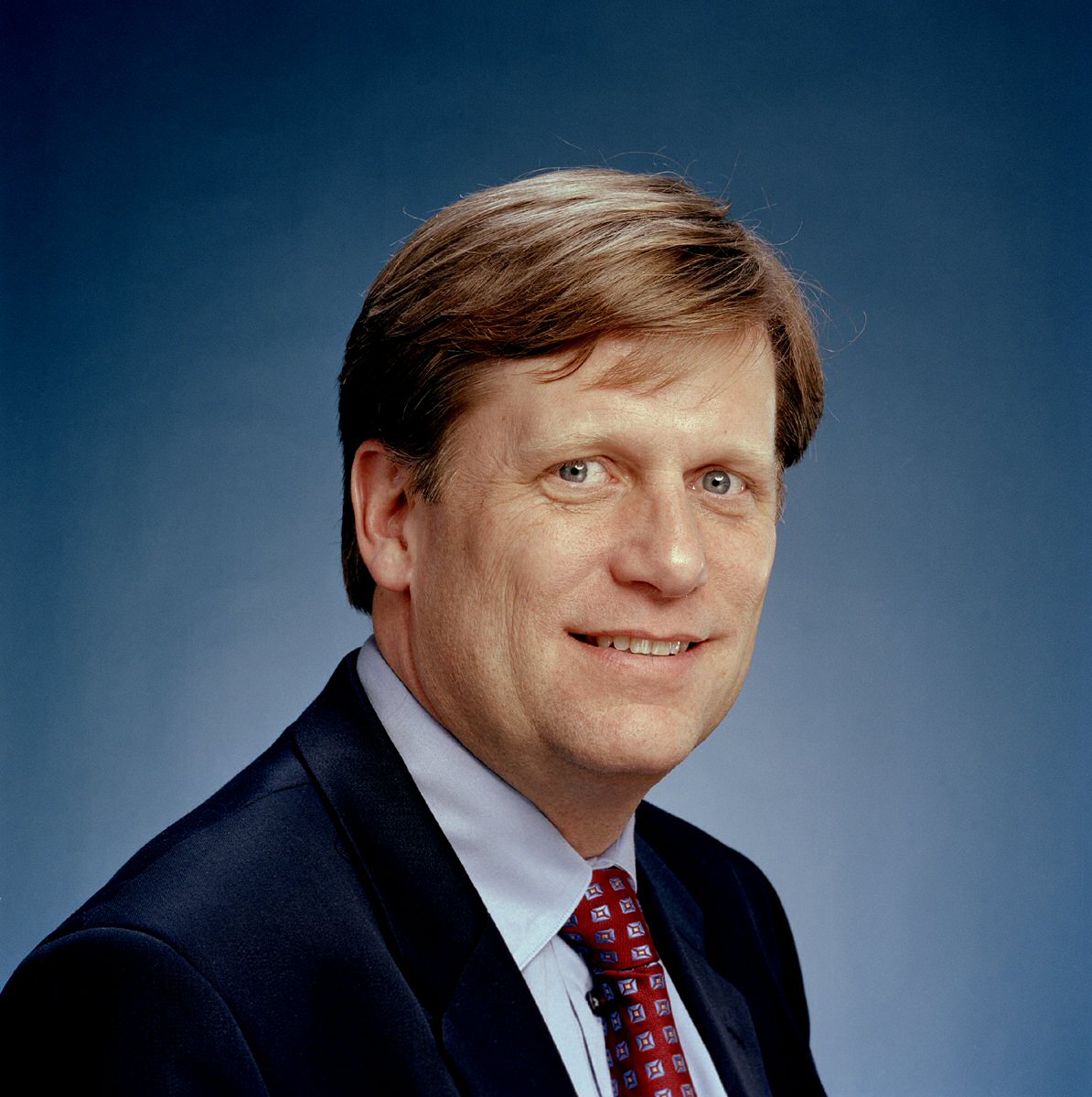
Former Senior Associate
In addition to his role at Carnegie, McFaul is Peter and Helen Bing Senior Fellow at the Hoover Institution and associate professor of political science at Stanford University.
Sanja Tatic
Carnegie does not take institutional positions on public policy issues; the views represented herein are those of the author(s) and do not necessarily reflect the views of Carnegie, its staff, or its trustees.

Funding Ukraine remains a priority for European leaders. As Russia’s war of aggression heads into another winter, two feasible options to mobilize support for Kyiv should be fast-tracked.


Vladyslav Rashkovan, Gregory P. Wilson

While the EU and European governments are embracing the much-lauded middle-power moment, this entails three difficult conundrums.

Richard Youngs

Europe is facing rising populism internally as well as external pressures from Russia, China, Turkey, and the United States.

Dimitar Bechev

A notable degree of participative democracy has firmly arrived in Europe. But to have more far-reaching impact, democratic deliberation needs to move into a radically new phase.
Richard Youngs

Much has been said of the changes Brussels is trying to make to the EU enlargement process. Here’s why gradual integration might—or might not—be the answer.
Dimitar Bechev