• Research
  • Strategic Europe
  • About
  • Experts
Carnegie Europe logoCarnegie lettermark logo
EUUkraine
  • Donate
Managing Relations with the United States
Book

Managing Relations with the United States

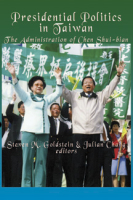
Chen Shui-Bien focused excessively on electoral politics in Taiwan, allowing them to trump a careful consideration of the long-term strategic importance of its delicate relationship with the United States.

Link Copied
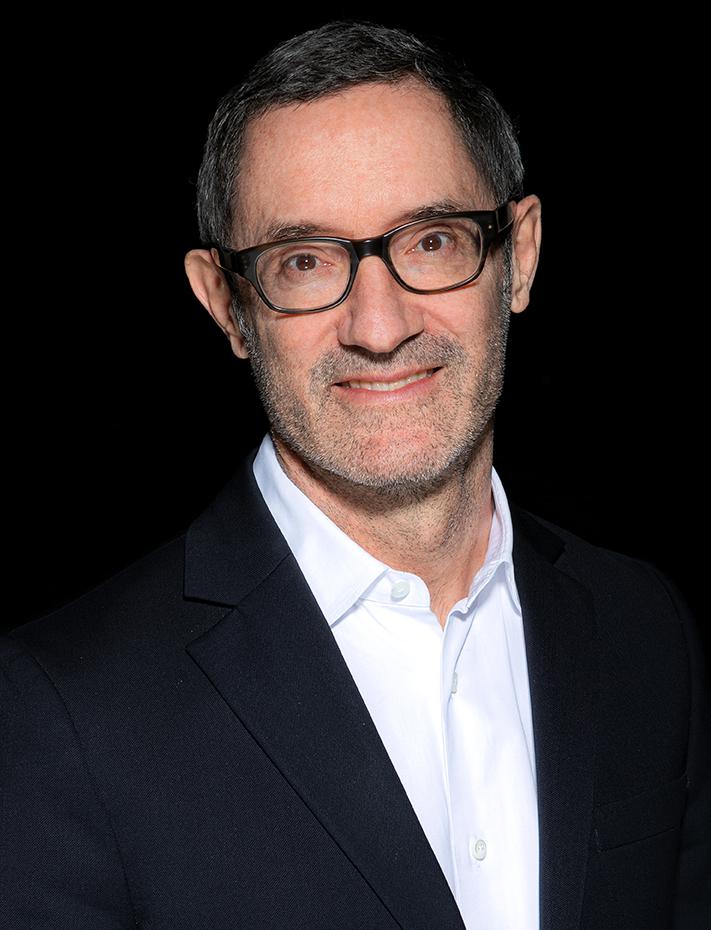
By Michael D. Swaine
Published on Jun 30, 2005

Source: EastBridge

Michael Swaine focuses on Taiwan's relationship with the United States.  The Chen administration "traveresed the full spectrum of relations with the United States: from trusted democratic friend and quasi-ally with increasingly convergent views, to highly distrusted and disliked leader, viewed by Washington as potentially disruptive of some vital U.S. interests".  Swaine places the blame for this change squarely at Chen's door.  Electoral politics trumped a careful consideration of the long-term strategic importance of the delicate relationship with the United States.  Although the strains of the relationship were clear, in his second term Chen continued to "push the envelope" on the independence issue.  But, Swaine concludes, the general public, having been to the brink of exacerbated relations with the United States and potential conflict with the Mainland, may become increasingly attracted to a middle course of pragmatism in cross-Strait relations. 

This book is available from EastBridge. 
To order the book from EastBridge, please
click here.

About the Author

Michael D. Swaine

Former Senior Fellow, Asia Program

Swaine was a senior fellow at the Carnegie Endowment for International Peace and one of the most prominent American analysts in Chinese security studies.

    Recent Work

  • Other
    What Kind of Global Order Should Washington and Beijing Strive For?

      Michael D. Swaine

  • Commentary
    A Smarter U.S. Strategy for China in Four Steps

      Michael D. Swaine

Michael D. Swaine
Former Senior Fellow, Asia Program
Michael D. Swaine
East AsiaChinaTaiwan

Carnegie does not take institutional positions on public policy issues; the views represented herein are those of the author(s) and do not necessarily reflect the views of Carnegie, its staff, or its trustees.

More Work from Carnegie Europe

  • Paper
    Assessing Information Ecosystems: How Governments Can Get Ahead of Hybrid Threats

    The hybrid warfare landscape is evolving rapidly, leaving policymakers without clear strategies. To better inform their work in addressing emerging challenges, governments must dig deeper into the underlying dynamics at play.


      Raluca Csernatoni, Alicia Wanless
  • Europe trade economy container supply chains
    Paper
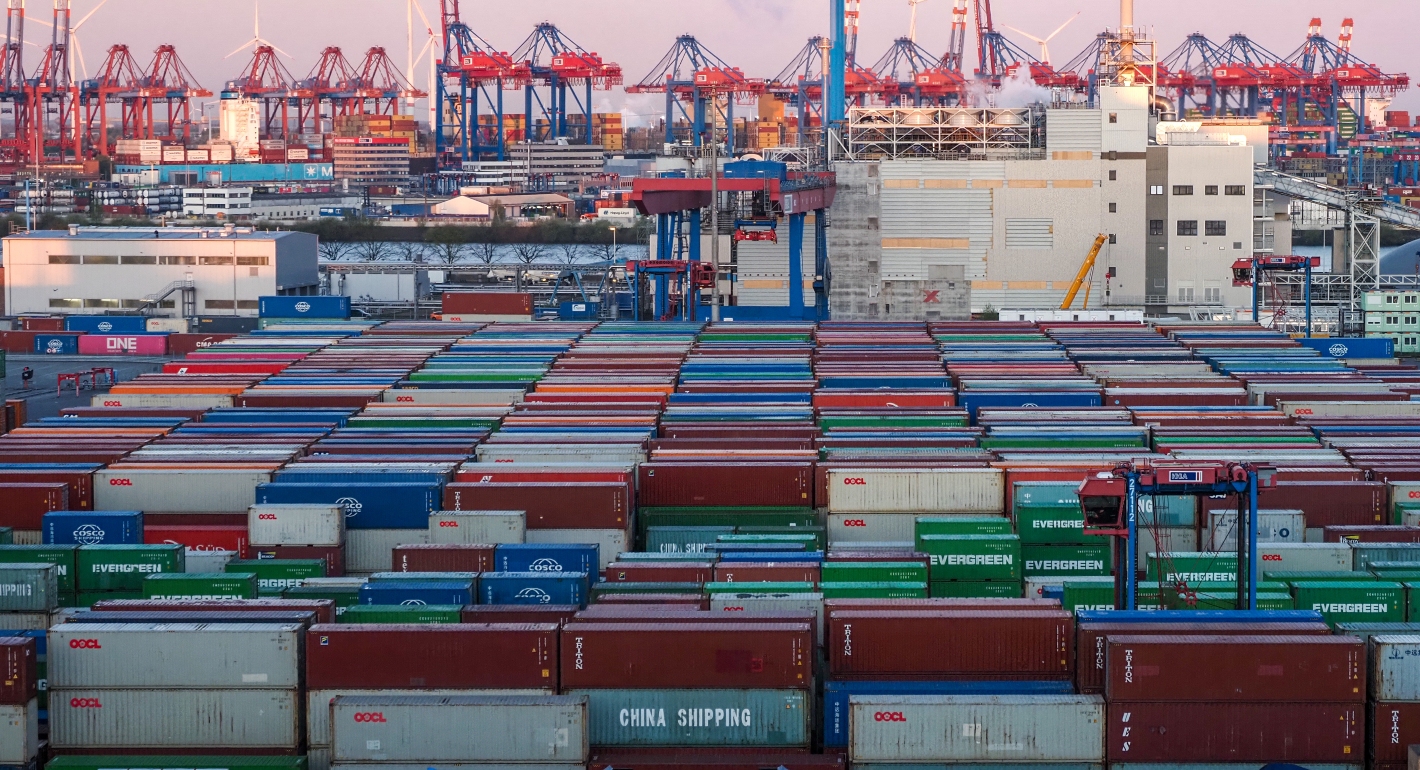
    From Trade Dependence to Geopolitical Leverage: The EU in an Era of Weaponized Interdependence

    As geopolitical rivalry weaponizes global supply chains, the EU’s true vulnerability lies in emerging-risk imports. For these goods, suppliers are growing more concentrated, substitution more difficult, and political risk is looming.

      Sinan Ülgen
  • Commentary
    Strategic Europe
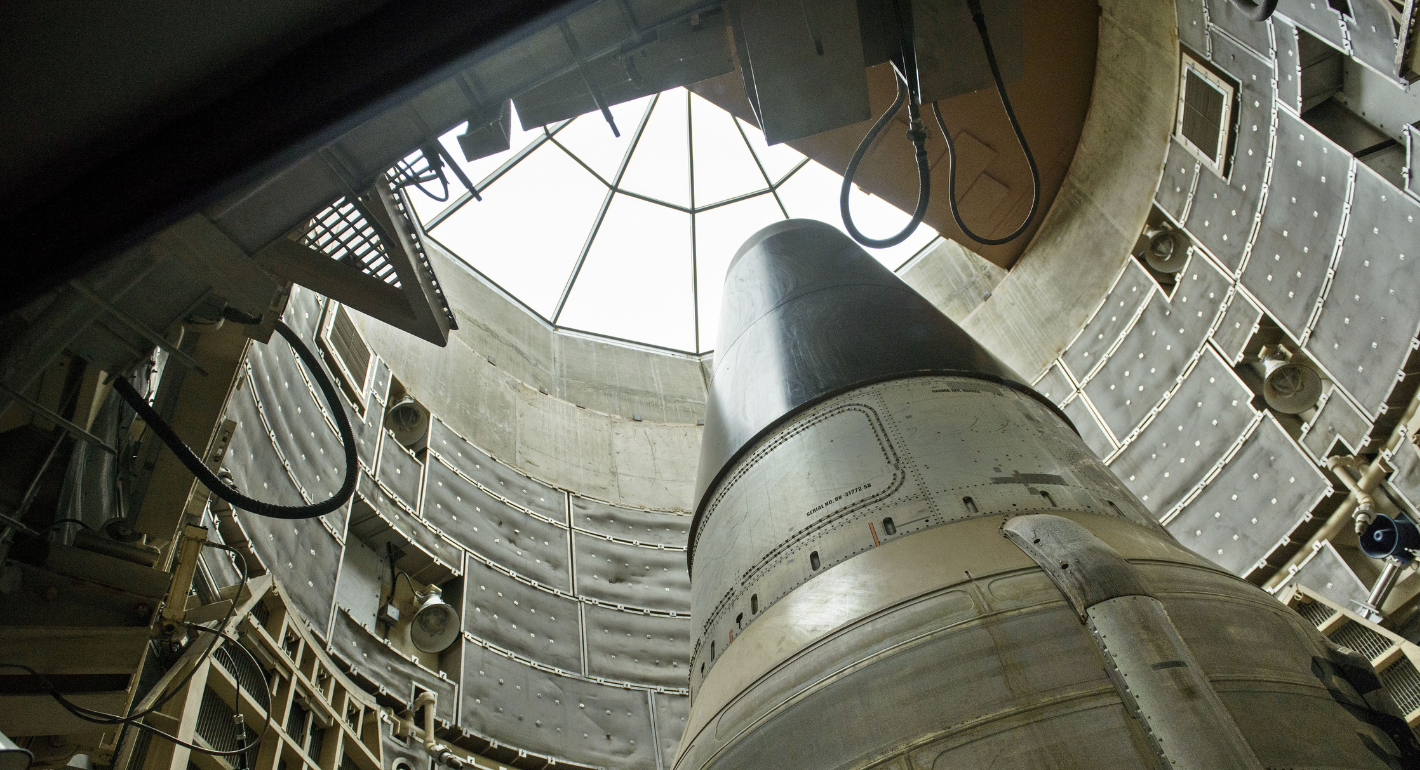
    Europe Should Not Let Nuclear Nonproliferation Die

    Amid uncertainty caused by the Iran war, the global drive for nonproliferation has stalled. With Europe diplomatically marginalized and countries reassessing their nuclear options, efforts to curb the spread of nuclear weapons risk becoming irrelevant.

      • Jane Darby Menton

      Jane Darby Menton

  • Commentary
    Can Europe Compete with the United States and China?

    Between the United States’ market-driven approach and China's state-led industrial strategy, Europe is reckoning with how it can remain competitive in the global economy. But is Europe in danger of becoming a U.S. or China colony?

      Noah Barkin, Anu Bradford
  • Trump United Nations multilateralism institutions 2236462680
    Article
    Resetting Cyber Relations with the United States

    For years, the United States anchored global cyber diplomacy. As Washington rethinks its leadership role, the launch of the UN’s Cyber Global Mechanism may test how allies adjust their engagement.


      • Christopher Painter

      Patryk Pawlak, Chris Painter

Get more news and analysis from
Carnegie Europe
Carnegie Europe logo, white
Rue du Congrès, 151000 Brussels, Belgium
  • Research
  • Strategic Europe
  • About
  • Experts
  • Projects
  • Events
  • Contact
  • Careers
  • Privacy
  • For Media
  • Gender Equality Plan
Get more news and analysis from
Carnegie Europe
© 2026 Carnegie Endowment for International Peace. All rights reserved.