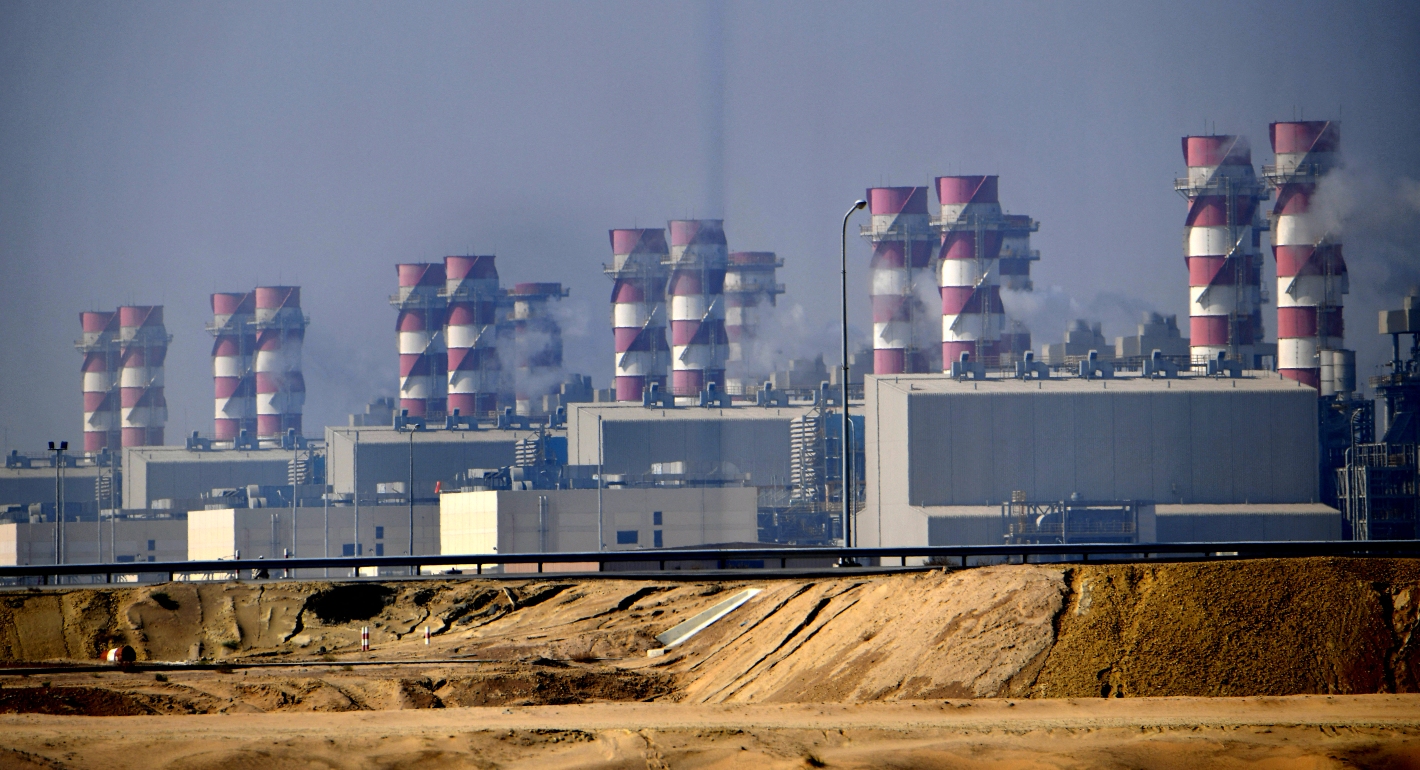
As the August 31deadline set by the UN Security Council for Iran to suspend its uranium enrichment activities rapidly approaches, Iran is as defiant as ever, and determined to not give up its right to engage in these activities. While the war in Lebanon was raging and the Security Council took a firmer stance on the nuclear issue, statements coming from Iran clarified not only that Iran has no intention of suspending enrichment activities, but that it in fact has plans to expand them. There have been threats to withdraw from the NPT if the pressure becomes too strong, and Iran has now prevented IAEA inspectors from entering Natanz.
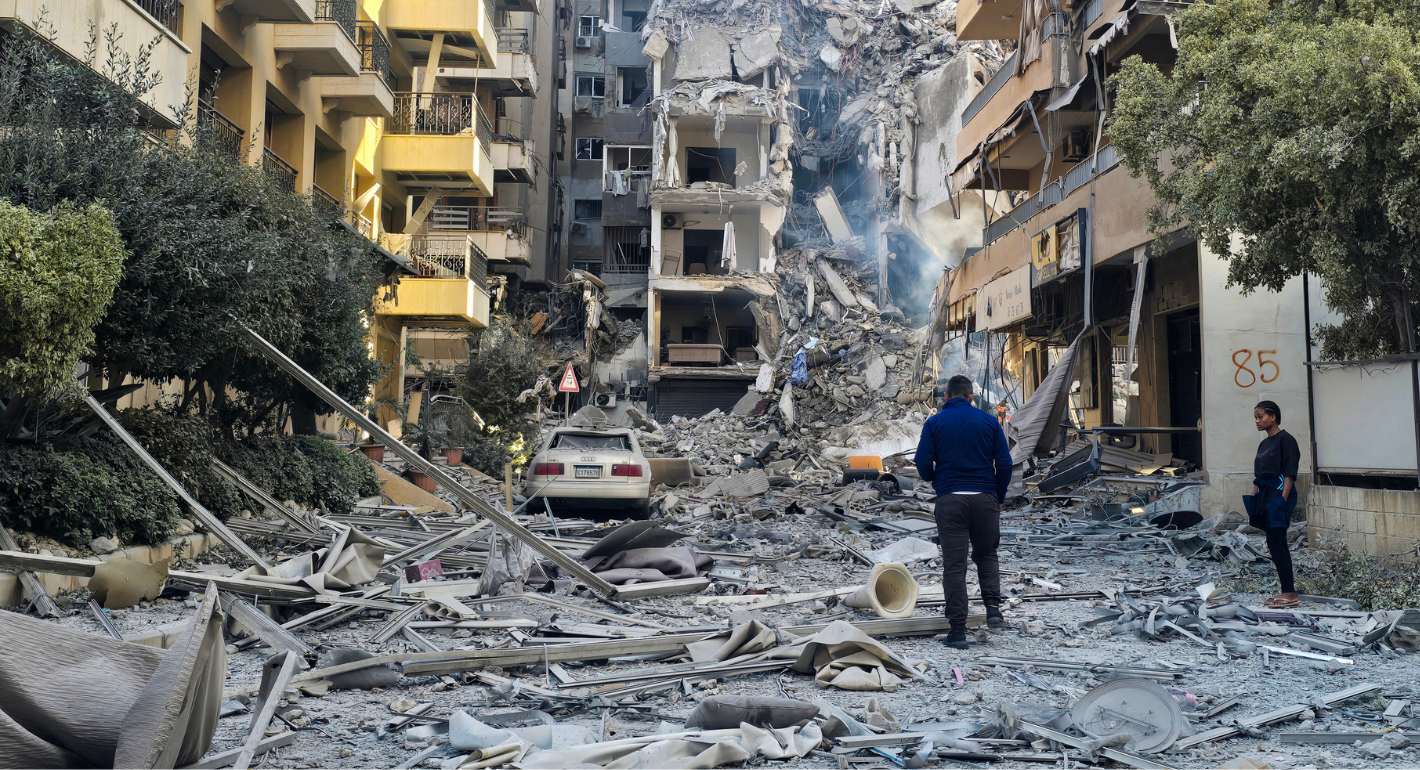
But while Iran’s nuclear ambitions have not changed, the context within which these ambitions are being considered – has. Although it is not clear to what degree Iran directly influenced Hizballah's decision to kidnap Israeli soldiers on July 12, there is no doubt that Iran is significantly involved in developments in Lebanon, and that it is Iran's hegemonic ambitions in the Middle East that create the context for this involvement. In strategic terms, the latest war has sharpened new fault lines in the Middle East. No longer is the major split in the region defined primarily according to the Arab-Israeli territorial conflict; it is now clear that the fault lines resonate against the backdrop of a growing distinction between radical forces in the region – first and foremost Iran – that seek to change the face of the Middle East, and status quo powers, including Israel, Turkey, and moderate Arab states (Egypt, Jordan, and Persian Gulf states). Within this context Iran's nuclear activities and military ambitions are more ominous than ever.
In an interview from January 2006, IAEA Director General Mohamed ElBaradei emphasized the importance of improving the security context in the Middle East as a way to help curb Iran's nuclear activities: "the Middle East is the most insecure place on earth right now…Iran needs to be accepted as an important regional player, Iran needs to be provided the security assurances that it is entitled to." But seven months later, with the implications of Iran's "hegemonic interests" agenda no longer theoretical, and the desire to eliminate Israel expressed by Iran's president on a regular basis, this message must be viewed in a new light. The call for security assurances for Iran has been undermined by Iran's own attempt to forcefully exert (by use of a proxy) its influence and control over the region.
The changed context finds expression in the criticism leveled at Hizballah in the early days of the war by Saudi Arabia, Egypt, and Jordan, and in the questions now being raised about the implications of Hizballah's actions –supported by Iran – for the people of the region. While such statements are admittedly still quite rare, their message is compelling. The Kuwaiti editor-in-chief of The Arab Times has noted that “while the people of Palestine and Lebanon are paying the price of this bloody conflict, the main players, who caused this conflict, are living in peace and asking for more oil from Arab countries to support the façade of resisting Israel.” In an article published in the daily An-Nahar, a Lebanese Shi’ite psychology professor said that to be a Shi'ite now means to let Iran's supreme leader "command you, drive you, and decide for you what he wants from the weapons of Hizballah, and force on you a victory that is no different from suicide." Another Shi’ite intellectual (the opinion page editor of An-Nahar) has questioned Iran’s use of Shi’ite groups in the Middle East to advance its political interests without regard for the consequences to the local Shi’ite population. And a well-known Egyptian intellectual, Tarek Heggy, has written of the voices that have been raised in criticism of the "rash adventurism that opened the gates of Hell for no other reason than to relieve international pressure on certain regional parties."
Taken together, Iran's continued defiance in the nuclear realm and its blatantly apparent hegemonic tendencies make the need to thwart its nuclear plans all the more urgent for many regional states. Alongside efforts to stop Iran through diplomatic moves and possible sanctions, the shifting fault lines in the Middle East also need to be seriously addressed. Three years ago it was thought that the Iraq war might serve as an impetus to renewed regional security dialogue in the Middle East following the removal of Iraq as a threat. Today, following the Lebanon War, the need for such dialogue has greatly increased, as the extent of Iran's intentions has been revealed. It is in the interest of all forces of moderation in the region to participate in such dialogue; creating a relevant framework should be accorded primacy in the US foreign policy agenda for the Middle East.
This piece is a guest analysis by Emily Landau, Director of the Arms Control and Regional Security Project at the Jaffee Center for Strategic Studies, in Tel Aviv.