

In The Media
Shahram Chubin
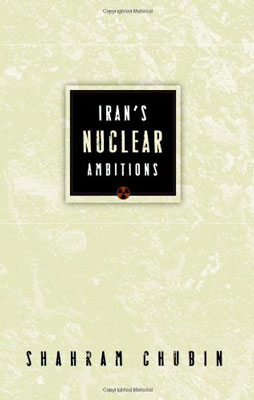
The central problem with Iran is not its nuclear technology but rather Iran’s behavior as a revolutionary state with ambitions that collide with the interests of its neighbors and the West.
Source: Washington

Iranian-born Shahram Chubin provides a rare look into the motivations, perceptions, and domestic politics swirling around Iran. He narrates the recent history of Iran’s nuclear program and diplomacy, and argues that the central problem is not nuclear technology but rather Iran’s behavior as a revolutionary state with ambitions that collide with the interests of its neighbors and the West.
Shahram Chubin is nonresident senior associate in the Nonproliferation Program at the Carnegie Endowment for International Peace. He was director of studies at the Geneva Centre for Security Policy and has published widely in foreign affairs journals, including Foreign Policy, Foreign Affairs, and Survival.
“A concise resource for anyone interested in understanding the current nuclear situation. As the world watches to see whether current diplomacy can resolve the issue, such understanding will only become more important.”
—The Middle East Journal
“Highly recommended.”
—CHOICE
“Shahram Chubin provides a concise and insightful look into why Iran wants nuclear capability and how it intends to go about getting it.”
—The New Republic
“The strategic and political determinants of Iran’s nuclear policy are complicated and frequently misunderstood. Chubin’s study is the definitive work on the subject and should be required reading for US and European decision-makers as they struggle to prevent the Iranian bomb from becoming a reality.”
—Geoffrey Kemp, Director, Regional Strategic Programs, The Nixon Center
"This short, sharp, balanced and informed book provides the necessary material not only to make sense of the current crisis over Iran’s nuclear programme but also to follow it as it develops further over the coming months and years."
—Sir Lawrence Freedman, Professor of War Studies, King’s College London
"A uniquely well-researched, well-documented and argued study on the challenge posed by Iran's nuclear project by one of the best experts on the subject. If solid analysis still has a chance to encourage a more sensible Western policy, Chubin provides it here."
—Christoph Bertram, former head of the International Institute for Strategic Studies and the German Institute for International and Security Affairs (SWP)
“Shahram Chubin's account of Iran's nuclear ambitions is accurate, thorough and thoughtful. Its greatest merit is its emphasis that Iran's aims are above all political. That does not make them any less difficult or dangerous; but understanding this point is a good starting place for tackling the problem.
—Robert Cooper, Director General for External and Politico-Military Affairs, Council of the European Union
“Dr Chubin has written a valuable study of Iran, its political development, its nuclear ambitions and its relations with America and the rest of the world. He offers much thoughtful and well-informed advice on how Iran should be managed and its nuclear ambitions held in at least some sort of check.”
—The Rt Hon the Lord Patten of Barnes, CH, Chancellor, University of Oxford
Former Nonresident Senior Fellow, Nuclear Policy Program
Chubin, who is based in Geneva, focuses his research on nonproliferation, terrorism, and Middle East security issues. He was director of studies at the Geneva Centre for Security Policy, Switzerland, from 1996 to 2009.
Recent Work
Shahram Chubin
Shahram Chubin
Carnegie does not take institutional positions on public policy issues; the views represented herein are those of the author(s) and do not necessarily reflect the views of Carnegie, its staff, or its trustees.

A notable degree of participative democracy has firmly arrived in Europe. But to have more far-reaching impact, democratic deliberation needs to move into a radically new phase.

Richard Youngs

Before the next wave of EU enlargement takes place, the union needs to grapple with thorny questions of how power is distributed among its members.


Emil Sondaj Hansen, Ditte Brasso Sørensen

As the EU confronts profound challenges, several leaders have called for fundamental reform to the union’s model—but only modest, superficial changes have resulted. What if Europe really could be reimagined from zero today: What should such a redesigned European order look like?
Richard Youngs, ed.
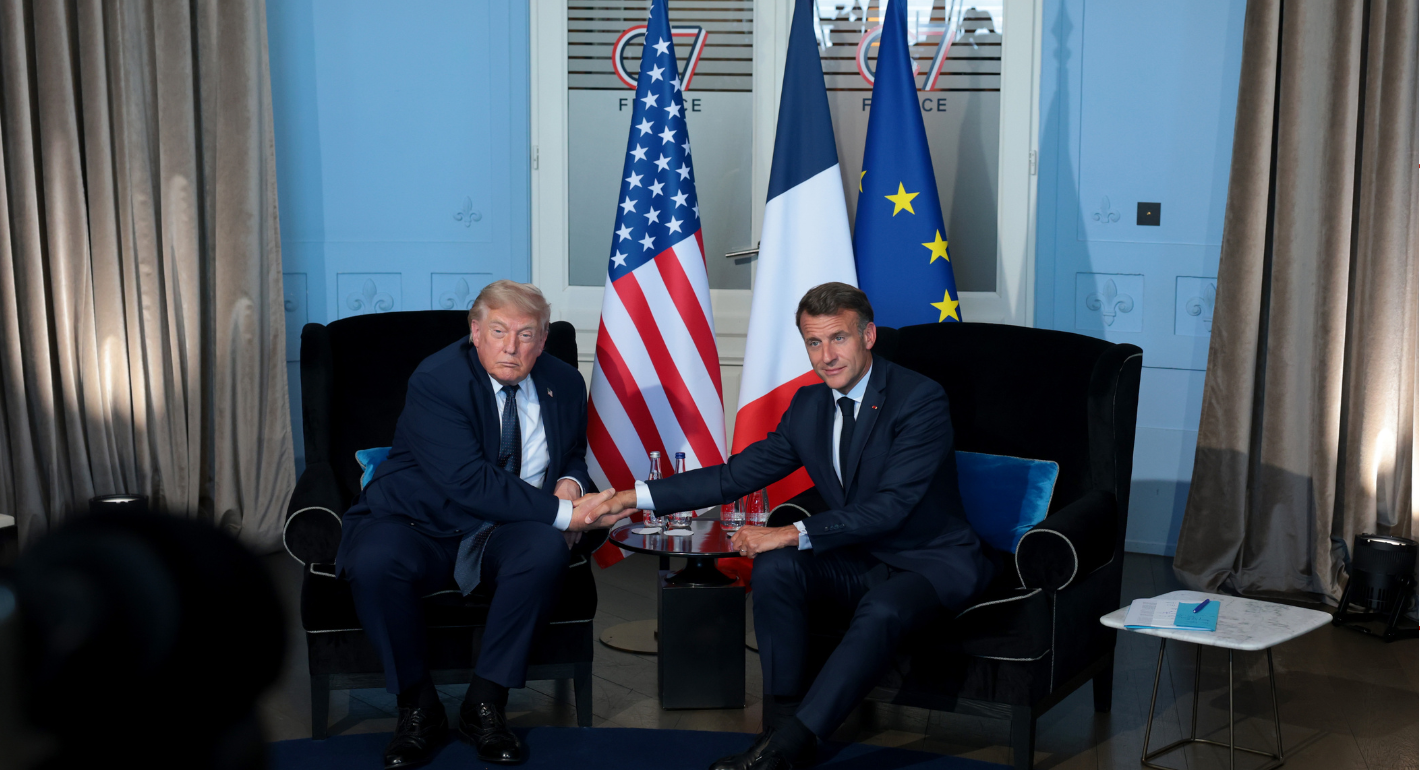
When the U.S.-Iran memorandum of understanding was announced, the UK, France, Germany, and Italy declared their readiness to help demine the Strait of Hormuz and lift nuclear sanctions on Tehran. But does Europe need new tools to recover a diplomatic role?

Rym Momtaz, ed.

The EU’s new migration policy is not suited to today’s realities. With climate change increasingly becoming a driver of displacement, Europe needs to rethink its deterrence-focused approach.

Shana Tabak