

Commentary
Nathan J. Brown

REQUIRED IMAGE
The political arm of the Kuwaiti Muslim Brotherhood may soon have more political influence than most of its sister movements, yet must strike a balance between building a broad political coalition and pursuing its goal of Islamization – a vision challenged by some political actors. How will this affect future democratic reforms, as well as the Brotherhood’s goal of a more Islamic society?
Source: Carnegie Endowment
The political arm of the Kuwaiti Muslim Brotherhood stands poised to achieve more political influence than almost any of its sister movements in the Middle East, yet must strike a balance between building a broad political coalition and pursuing its goal of Islamization – a vision for the nation challenged by a number of Kuwaiti political actors. How will this need for compromise affect future democratic reforms in the country, as well as the Brotherhood’s long-term goal of a more Islamic society?
In this Carnegie Paper, Pushing toward Party Politics? Kuwait’s Islamic Constitutional Movement, Nathan Brown, senior associate at the Carnegie Endowment, explores how the Islamic Constitutional Movement (ICM), in an effort to gain political legitimacy, has pursued democratic reforms and formed alliances with other opposition forces it regards as unsympathetic to its religious, cultural, and moral values.
Despite critics who question the ICM’s commitment to democratic principles, Brown argues that the ICM “supports liberalizing political reforms fairly faithfully, but it draws the line when liberalization leads in a cultural direction” contrary to its goals of Islamization. The ICM holds strong positions against perceived moral corruption in Kuwaiti society, often using forceful language that it eschews on most other occasions.
Brown believes that the ICM is entering a period of greater tension in its relationship with the government and while the relatively permissive political atmosphere in Kuwait will probably survive, the current tension will force all political actors to develop new strategies to achieve their objectives.
A limited number of print copies of this Carnegie Paper are available.
Request a copy
About the Author
Nathan J. Brown is a senior associate in the Middle East Program at the Carnegie Endowment, and co-author of the Carnegie Paper Islamist Movements and the Democratic Process in the Arab World: Exploring Gray Zones. He is also a professor of political science and international affairs at George Washington University.

Nonresident Senior Fellow, Middle East Program
Nathan J. Brown, a professor of political science and international affairs at George Washington University, is a distinguished scholar and author of nine books on Arab politics and governance, as well as editor of five books.
Recent Work
Nathan J. Brown
Nathan J. Brown
Carnegie does not take institutional positions on public policy issues; the views represented herein are those of the author(s) and do not necessarily reflect the views of Carnegie, its staff, or its trustees.

As the EU confronts profound challenges, several leaders have called for fundamental reform to the union’s model—but only modest, superficial changes have resulted. What if Europe really could be reimagined from zero today: What should such a redesigned European order look like?

Richard Youngs, ed.
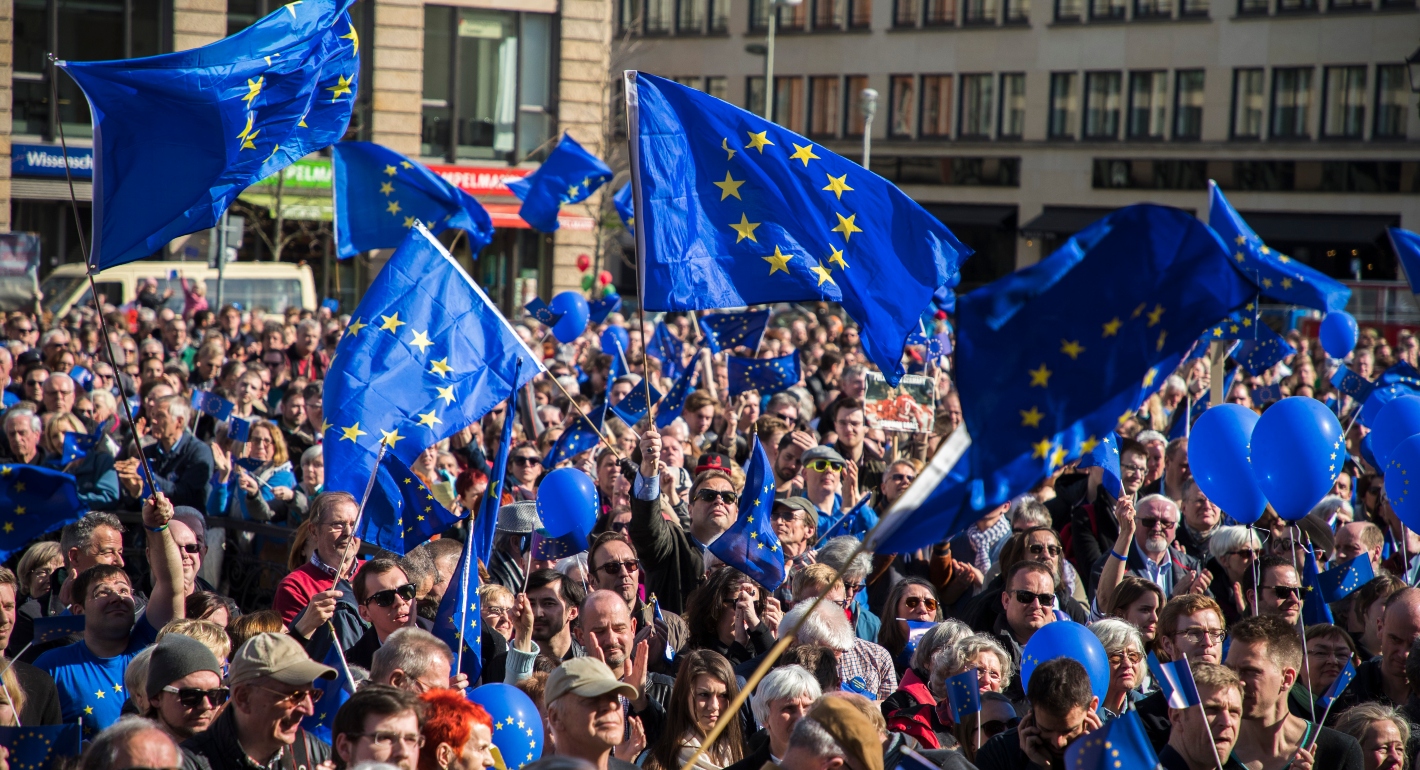
Preparing candidate countries for EU membership is no longer enough. As the enlargement process becomes a reality, the union must also prepare its own societies.

Iliriana Gjoni

The U.S.-Iran war has crossed a dangerous threshold: water infrastructure in the Gulf is now a target. Ecological statecraft is no longer peripheral to security, it's part of its foundations.

Olivia Lazard, Ali Bin Shahid
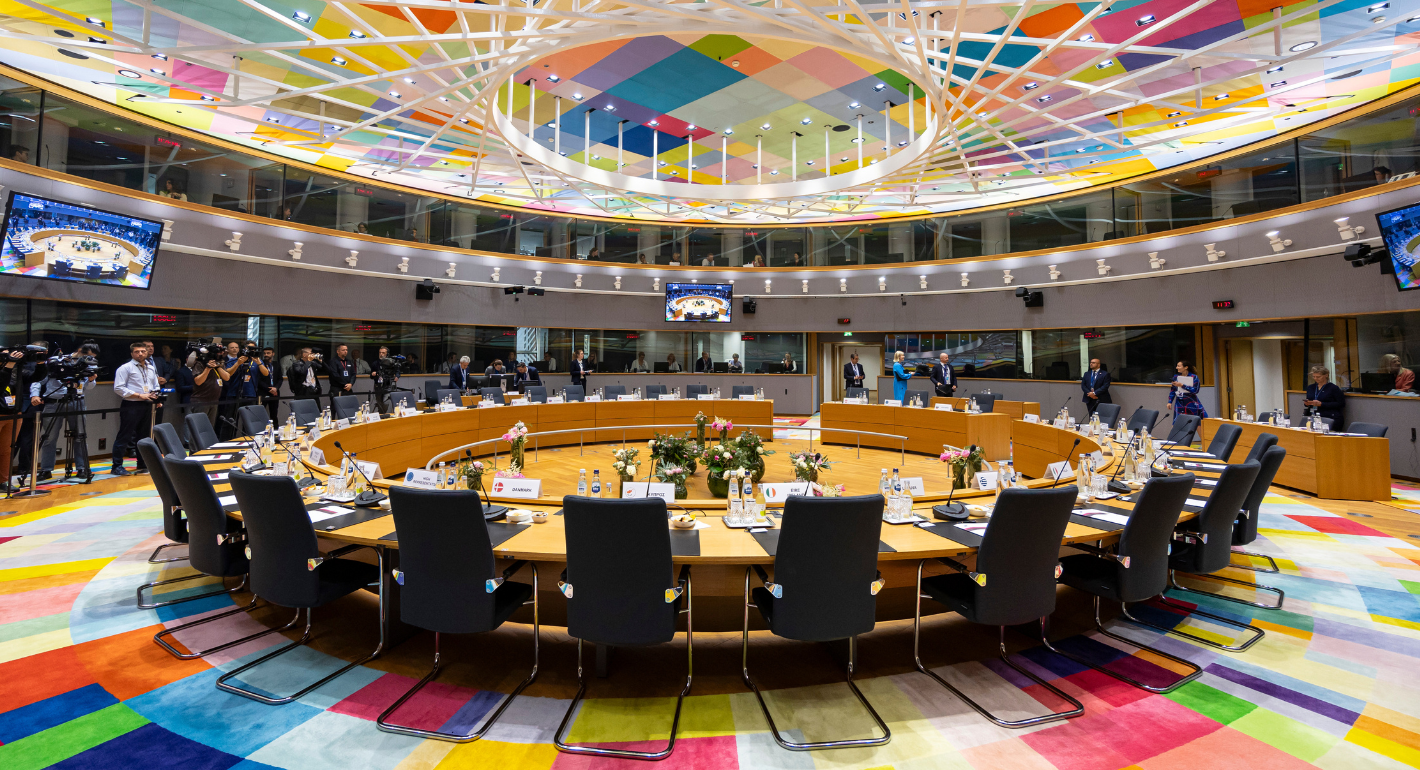
Countries face several hurdles in joining the EU, including the final stage of ratifying their accession treaties. Procedural reforms and substantive adjustments could help move the process forward.

Stefan Lehne
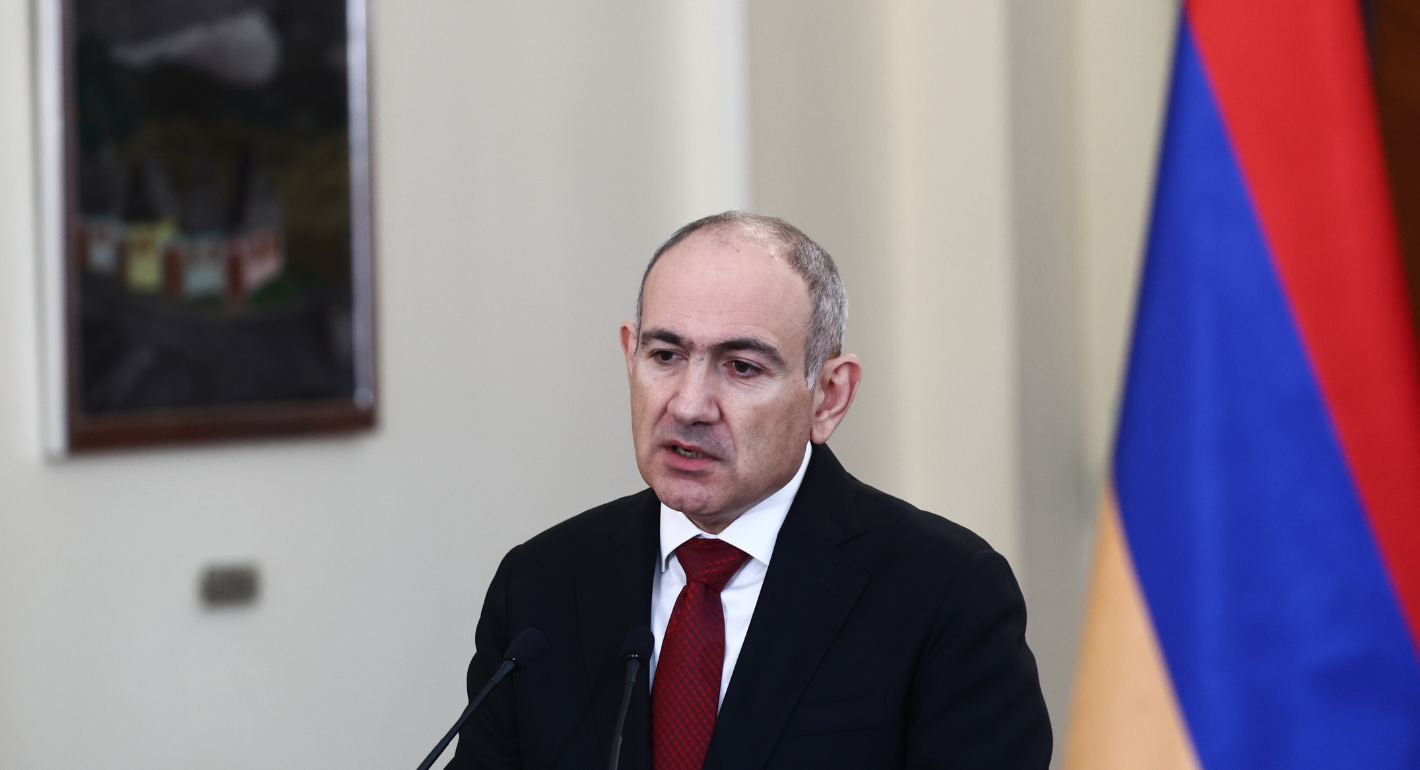
Europe has an interest in supporting Armenian leader Nikol Pashinyan as he tries to make peace with neighbors and loosen ties with Russia. But it is depersonalized support in the long term, not quickfire flash, that will win the day.

Thomas de Waal