

In The Media
Minxin Pei
China’s capitalist revolution presents two divergent political paths for the country: autocracy or democracy. While the current strength of the CCP might suggest China is traveling down the first path, there are signs that citizen resistance on issues like growing economic disparities and environmental degradation may be on the rise and become more potent in the future.
Source: Book Review

The party has done well since 1989, but the legitimacy of outright repression is declining. The party may incarcerate those trying to set up an opposition party, but it cannot deploy brute force against ordinary citizens demanding clean air, drinkable water, and affordable health care. The Chinese citizenry today is becoming sophisticated enough to probe the soft spots (such as corruption, inequality, and incompetence) of the autocratic system and challenge it without taking excessive risks.
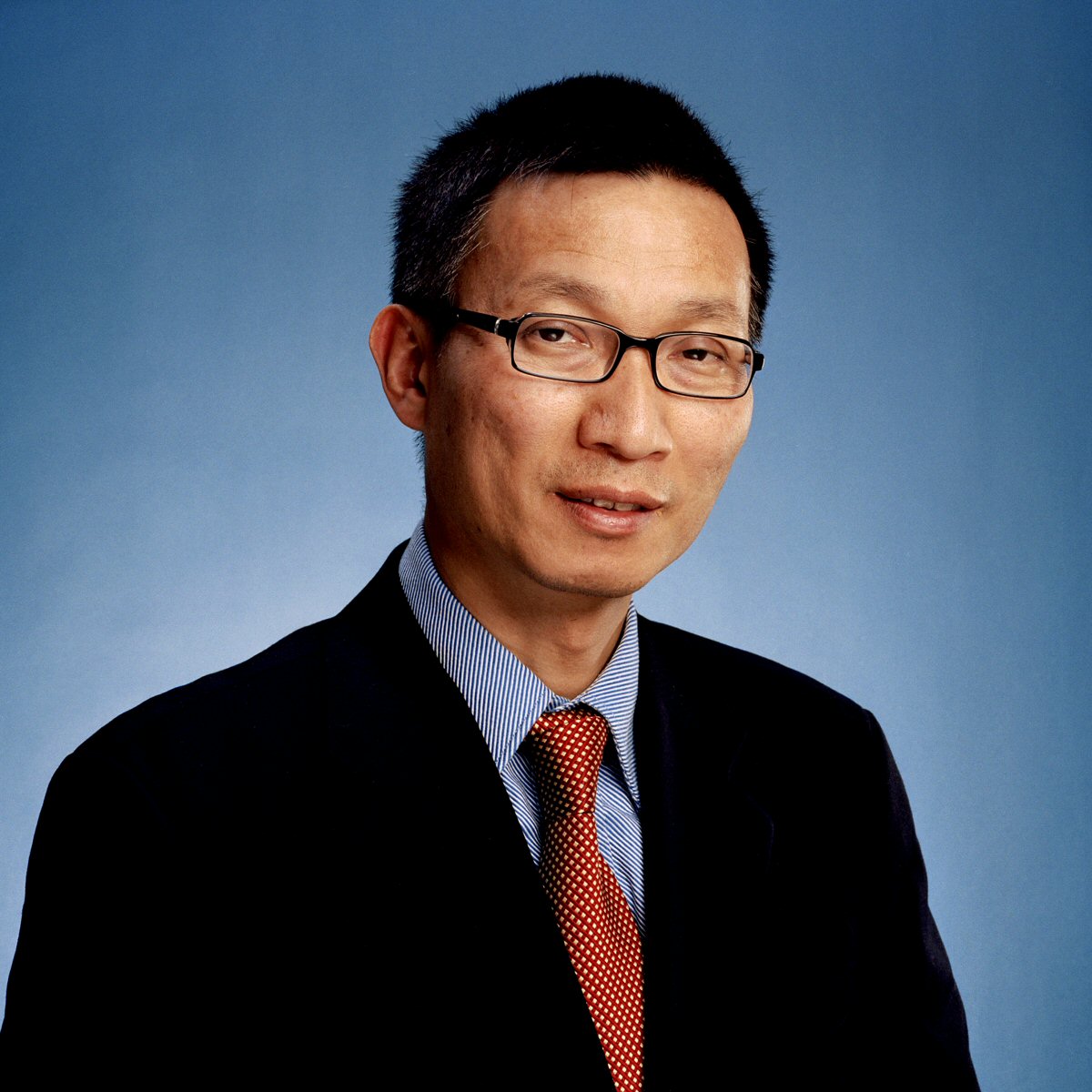
Former Adjunct Senior Associate, Asia Program
Pei is Tom and Margot Pritzker ‘72 Professor of Government and the director of the Keck Center for International and Strategic Studies at Claremont McKenna College.
Recent Work
Minxin Pei
Minxin Pei
Carnegie does not take institutional positions on public policy issues; the views represented herein are those of the author(s) and do not necessarily reflect the views of Carnegie, its staff, or its trustees.

Before the next wave of EU enlargement takes place, the union needs to grapple with thorny questions of how power is distributed among its members.


Emil Sondaj Hansen, Ditte Brasso Sørensen

The hybrid warfare landscape is evolving rapidly, leaving policymakers without clear strategies. To better inform their work in addressing emerging challenges, governments must dig deeper into the underlying dynamics at play.


Raluca Csernatoni, Alicia Wanless

As the EU confronts profound challenges, several leaders have called for fundamental reform to the union’s model—but only modest, superficial changes have resulted. What if Europe really could be reimagined from zero today: What should such a redesigned European order look like?

Richard Youngs, ed.
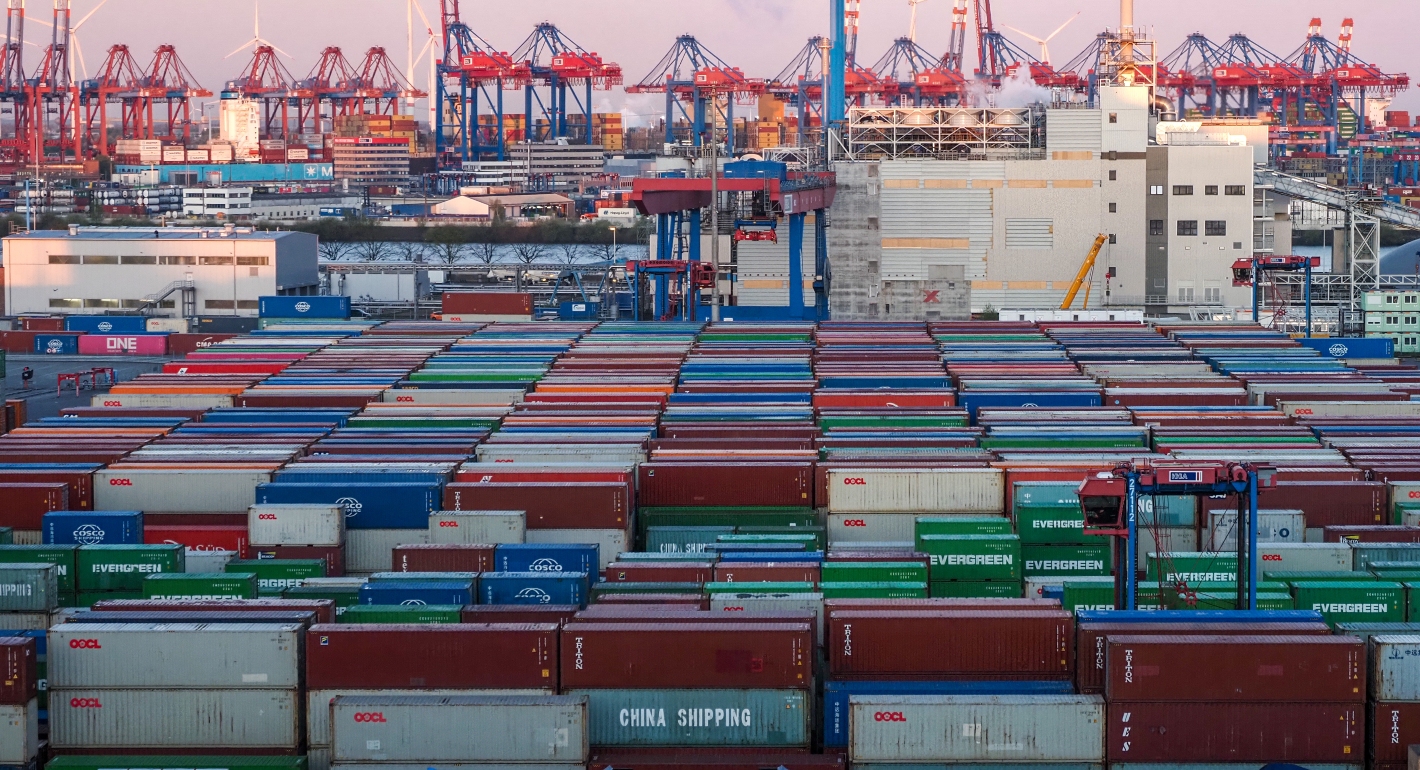
As geopolitical rivalry weaponizes global supply chains, the EU’s true vulnerability lies in emerging-risk imports. For these goods, suppliers are growing more concentrated, substitution more difficult, and political risk is looming.

Sinan Ülgen
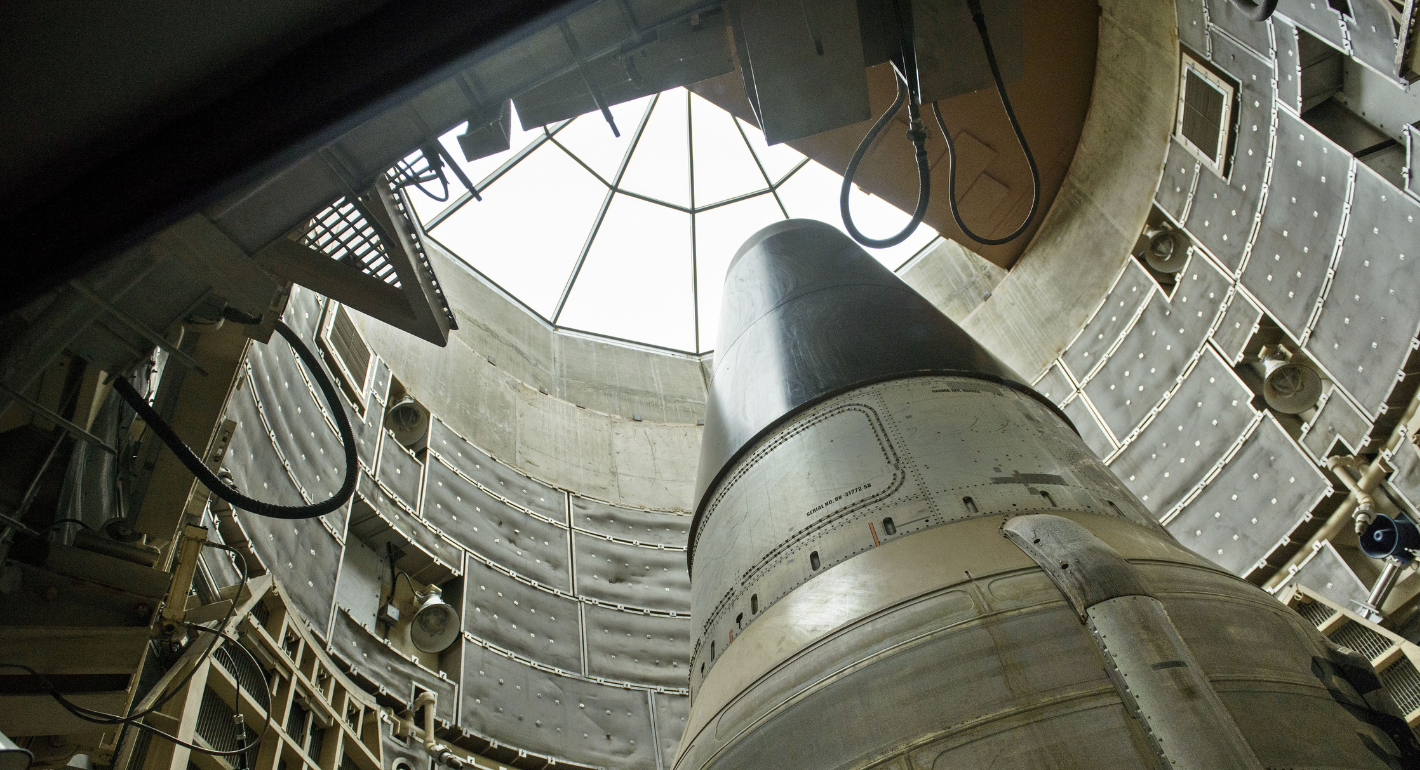
Amid uncertainty caused by the Iran war, the global drive for nonproliferation has stalled. With Europe diplomatically marginalized and countries reassessing their nuclear options, efforts to curb the spread of nuclear weapons risk becoming irrelevant.

Jane Darby Menton