

Other
Sharon Squassoni
Source: Getty
This analysis compares U.S. law, the draft U.S.-India nuclear cooperation agreement, the answers to the questions for the record and Indian official statements on the potential consequences of another Indian nuclear weapons test on U.S.-Indian nuclear cooperation. The answers to the questions for the record reveal gaps in U.S. and Indian interpretations.
On September 2, 2008, Chairman of the House Foreign Affairs Committee Howard Berman released answers to questions for the record submitted to the State Department in October 2007. These answers were previously not released by State Department request. The Arms Control Association held a press conference at the Carnegie Endowment's Washington office on September 2 to discuss some of the issues (http://www.armscontrol.org/node/3336).
This analysis compares U.S. law, the draft U.S.-India nuclear cooperation agreement, the answers to the questions for the record and Indian official statements on the potential consequences of another Indian nuclear weapons test on U.S.-Indian nuclear cooperation. The answers to the questions for the record reveal gaps in U.S. and Indian interpretations.
Given these gaps, it is imperative that the Nuclear Suppliers Group clearly rule out the continuation of nuclear supply to India in the event of an Indian nuclear weapon test, as it considers a potential exemption to its guidelines for nuclear trade with India this week. Half measures, such as required consultations, should be rejected.
The NSG should consider other conditions as well, including a ban on the transfer of sensitive nuclear technology (related to uranium enrichment and spent fuel reprocessing). This analysis does not cover that issue, but the answers to the questions for the record indicate that the U.S. has categorically rejected such transfers. The Nuclear Suppliers Group should follow the U.S. lead here. As long as India is producing fissile material for nuclear weapons, it will be impossible to ensure that cooperation in this area could not help its weapons program. IAEA safeguards do not cover technology, and there are no measures to prevent the transfer of knowledge.
Other conditions, such as India signing the CTBT and halting fissile material production for weapons, are highly desirable and should be pursued, but at a bare minimum, a potential NSG exemption must include a cutoff for tests and a prohibition on sensitive nuclear technology transfers.
Sharon Squassoni is senior associate in the Nonproliferation Program at the Carnegie Endowment for International Peace.
Former Senior Associate, Nuclear Policy Program
Squassoni came to Carnegie from the Congressional Research Service. She also served for nine years in the executive branch. Her last position at the State Department was director of Policy Coordination in the Nonproliferation Bureau.
Recent Work
Sharon Squassoni
Sharon Squassoni
Carnegie does not take institutional positions on public policy issues; the views represented herein are those of the author(s) and do not necessarily reflect the views of Carnegie, its staff, or its trustees.

When the U.S.-Iran memorandum of understanding was announced, the UK, France, Germany, and Italy declared their readiness to help demine the Strait of Hormuz and lift nuclear sanctions on Tehran. But does Europe need new tools to recover a diplomatic role?

Rym Momtaz, ed.
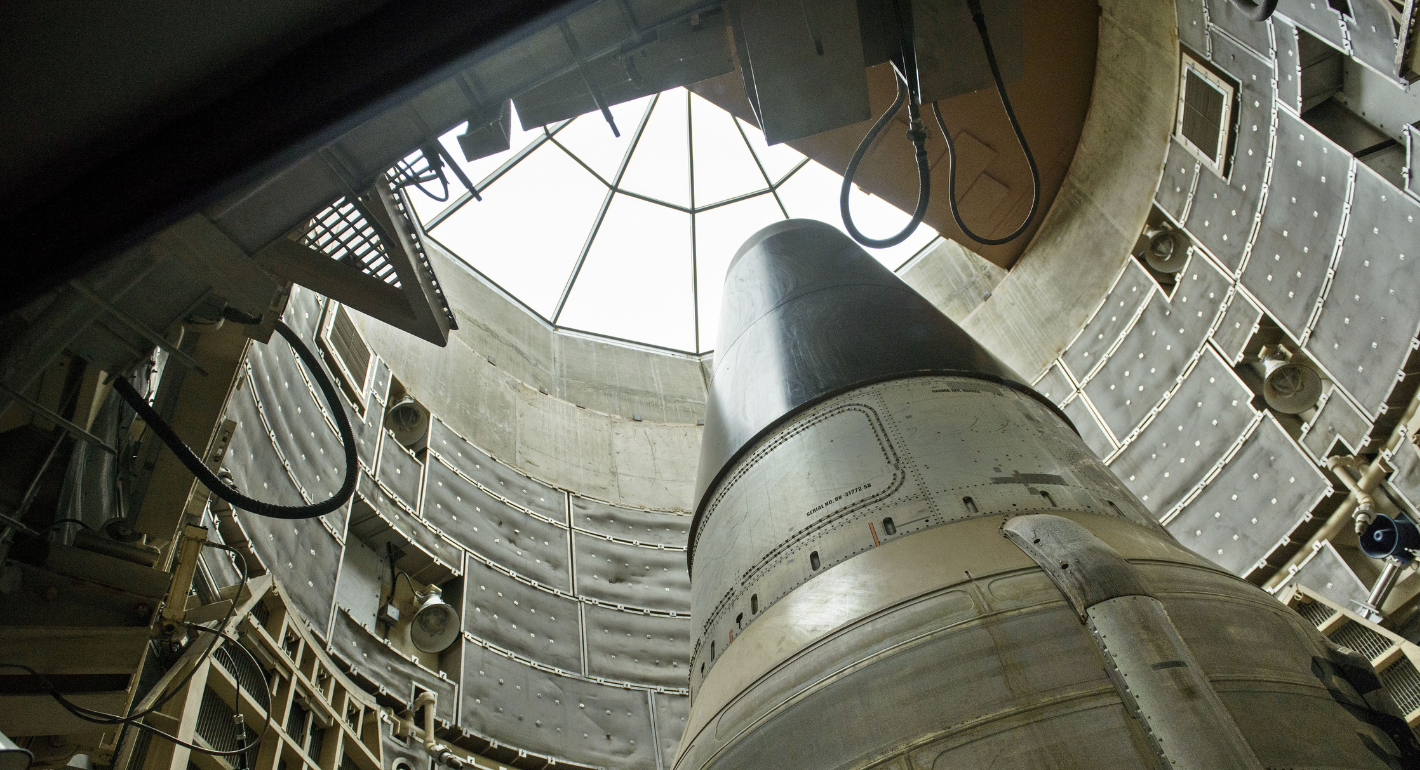
Amid uncertainty caused by the Iran war, the global drive for nonproliferation has stalled. With Europe diplomatically marginalized and countries reassessing their nuclear options, efforts to curb the spread of nuclear weapons risk becoming irrelevant.

Jane Darby Menton
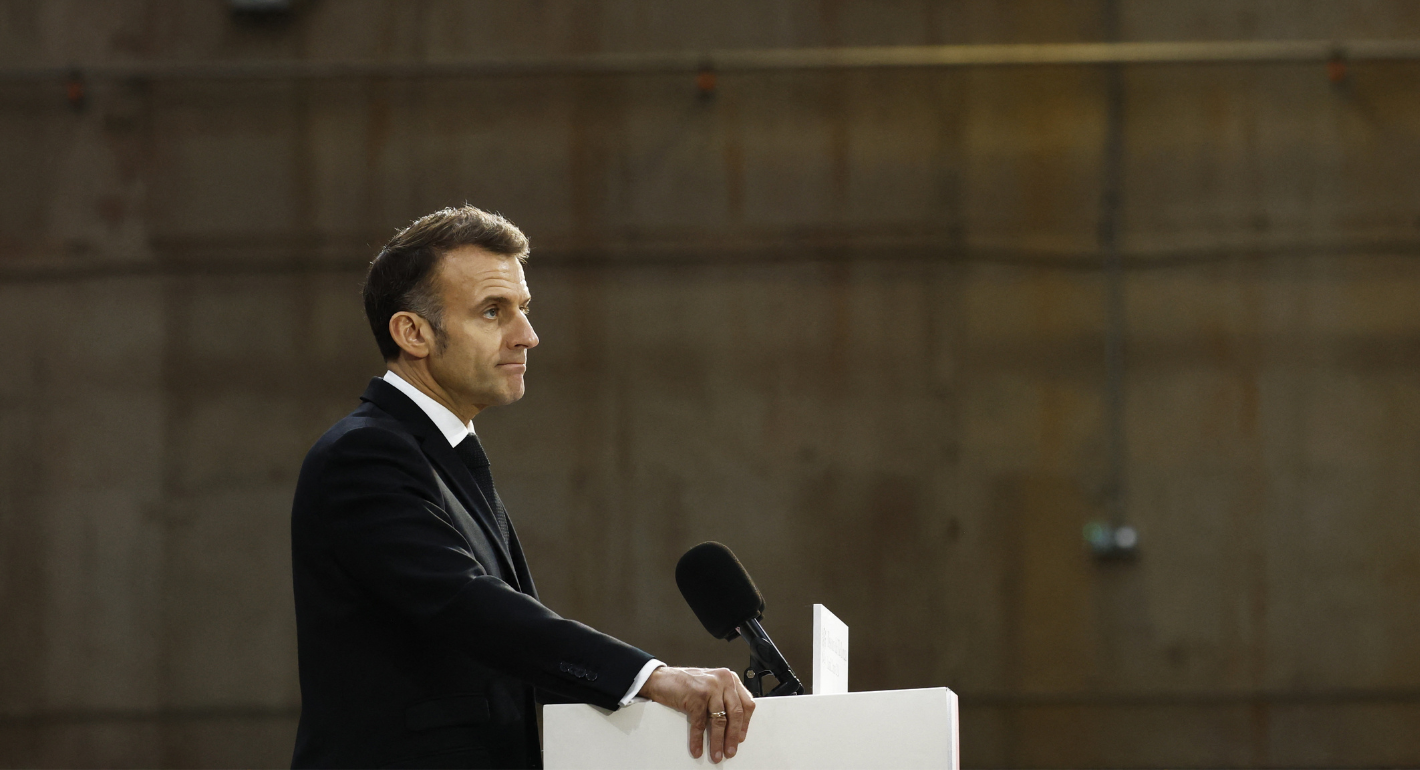
French President Emmanuel Macron has unveiled his country’s new nuclear doctrine. Are the changes he has made enough to reassure France’s European partners in the current geopolitical context?
Rym Momtaz, ed.
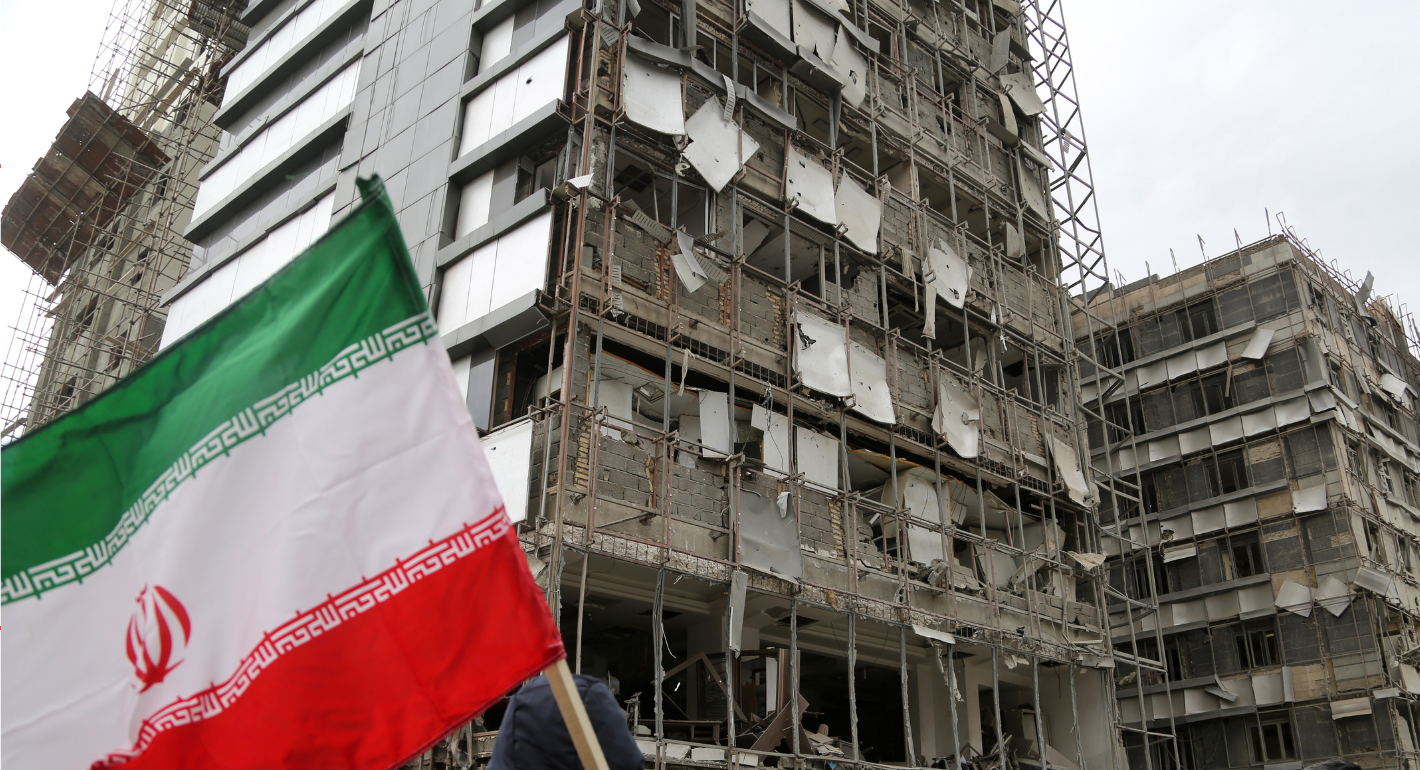
Europe’s reaction to the war in Iran has been disunited and meek, a far cry from its previously leading role in diplomacy with Tehran. To avoid being condemned to the sidelines while escalation continues, Brussels needs to stand up for international law.

Pierre Vimont
France has stopped clinging to notions of being a great power and is embracing the middle power moment. But Emmanuel Macron has his work cut out if he is to secure his country’s global standing before his term in office ends.
Rym Momtaz