Most observers thought that the Hezbollah-led coalition had been dealt a serious blow in the recent Lebanese elections. Not so fast. Druze leader and Socialist Party head Walid Jumblatt’s announcement on August 2 that he would be leaving the March 14 coalition reshuffles the political deck in Lebanon and delays the formation of a new government. Jumblatt's move is all about maneuvering for power in an ever-changing Middle East.
The relationship between Syria and America has been on the mend. With American and Arab envoys making more frequent trips to Damascus, Syrian influence in the region is rising, and Jumblatt jumped ship to mend his fences with Syrian leader Bashar al-Assad.
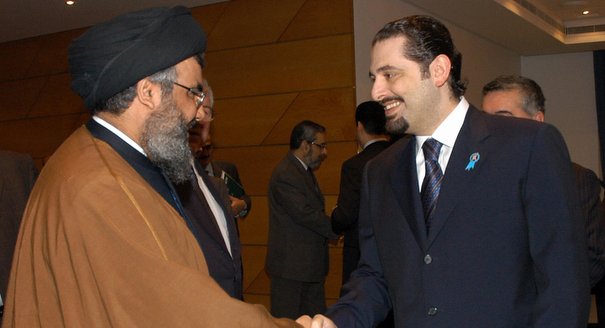
But Jumblatt might be playing an even trickier game of influence. By leaving the March 14 coalition, and staking out a position in the middle of Lebanon’s two main camps, he is able to sway decision making one way or the other. In addition, he is able to mend fences with Hizbullah; whether Hizbullah is headed for another war with Israel or facing the challenges of a regional peace conference, Jumblatt would prefer not to be in Hezbollah’s sights.
Jumblatt realizes that the regional and international winds have been changing. The March 14 coalition was born amidst a strong confrontation between the Bush administration, aided by Saudi Arabia, Jordan and Egypt, on the one hand, and Syria and Iran on the other. The Bush administration tempered its outright hostility to Syria in 2007, while the Obama administration has made reaching out to Syria a key element of its regional policy. Washington has resumed high-level contacts with Syria and is sending back its ambassador. Saudi Arabia has also ended its boycott of Syria and the two are having high-level meetings. There was even talk that Saad Hariri, the leader of March 14 and the Prime Minister Designate, would visit Damascus once a government was formed.
In this context, Jumblatt didn’t want to be left out of the new alignment. He had been seeking to mend fences with the Syrians for some time, but his earlier vitriolic statements against the Syrian government—and personal attacks on Assad—made reconciliation all the more difficult. Damascus may have required Jumblatt to take a particularly strident tone in renouncing his “relations” with March 14 as a cost of accepting him back into the fold. Hours after the statement, news circulated of a visit by Jumblatt to Syria in the coming weeks.
Jumblatt also finds himself in the middle of a Sunni-Shii civil war. In the battles that broke out between Hezbollah and the March 14 coalition in the spring of last year, the Sunnis, although willing to provoke Hezbollah, were unwilling or unable to fight, while Jumblatt’s seasoned fighters found themselves fighting an uneven battle to protect their mountain strongholds from a superior Hezbollah in the foothills east and south of Beirut. The March 14 coalition was formed as a response to the assassination of Rafik Hariri and a movement to push Syrian forces out of Lebanon, but Jumblatt realized that he had ended up in the middle of a sectarian confrontation. A May 2009 article in Der Spiegel fueled further fears that Hezbollah might be implicated in the Hariri assassination—a development that would dramatically heighten tensions between Sunnis and Shiis, and one more reason for Jumblatt to get out of the way.
In his announcement, Jumblatt said his membership in the March 14 coalition had come about “out of necessity,” implying that the coalition had been a necessary response to the assassination of former–Prime Minister Rafik Hariri, and had achieved its primary goal of establishing an international investigation and tribunal to adjudicate it. Jumblatt described the erstwhile alliance with the neoconservatives in Washington as a “black spot” in his party’s history and accepted responsibility for it. He said that he and his party had to return to its leftist and Arabist roots, and that he would be looking for alternative political alliances in Lebanon. The announcement of his departure has left the March 14 coalition in turmoil. Its leader, prime minister-designate Saad Hariri, promptly left the country for a period of “political reflection.”
As the dust settles, efforts will resume to form a government. Saad Hariri is still the consensus choice to form that government, and he will have little choice but to live with this uncomfortable change. The improved relations between Syria, Saudi Arabia and the United States indicate that the tendency toward accommodation will prevail and make it likely that the government will eventually be formed, despite this new complicating factor.
The most likely power-sharing outcome appears to be twelve ministers for March 14, three ministers for Jumblatt, five ministers for the president and ten for the opposition. This would be a government with no clear majority and in which virtually all decisions would have to be made by consensus or reaching across coalition lines. This is certainly not a formula for efficient and effective government, but it reflects the complex realities of Lebanon’s current politics.
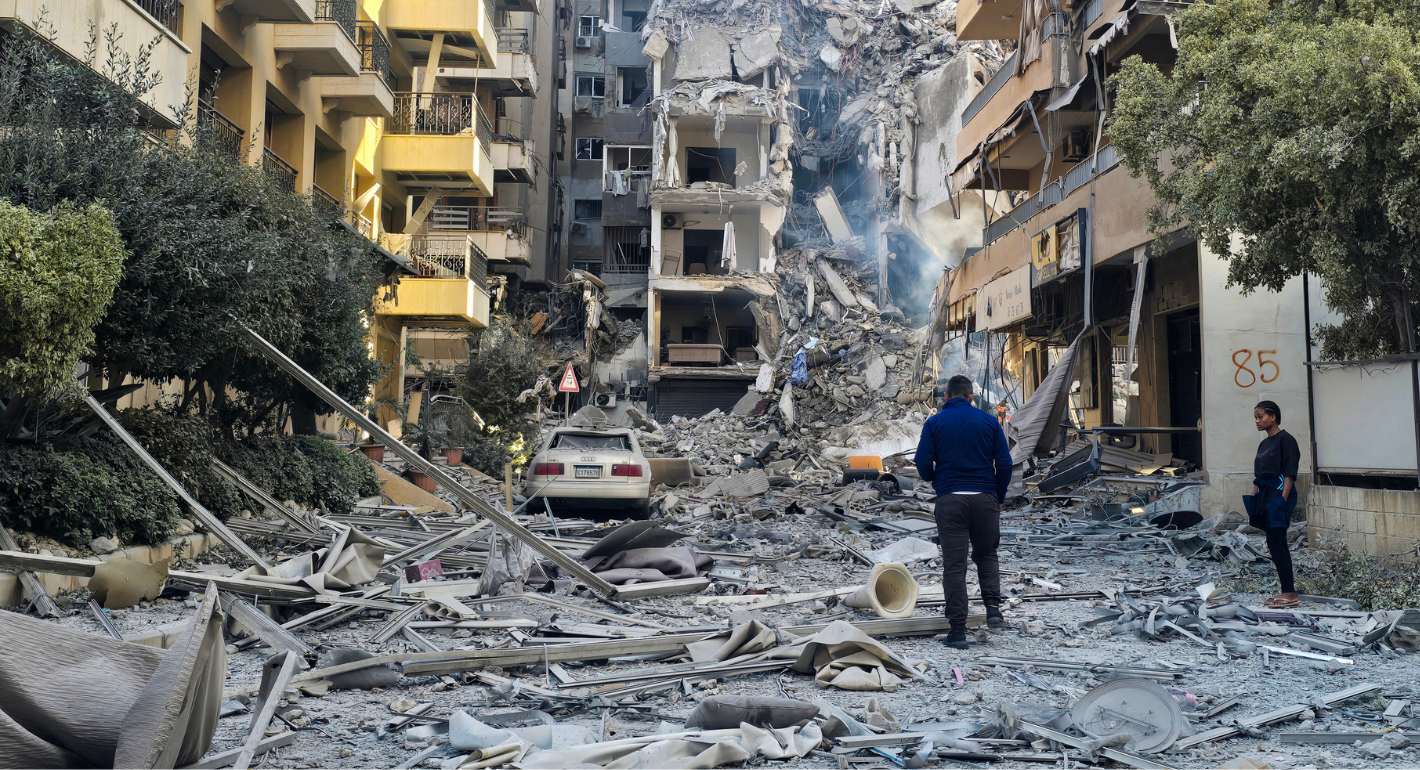
Once in place, such a government will face a backlog of political and socioeconomic policy challenges that have been ignored for years. Moreover, if the peace process gets back on track in the next few months, the government might also find itself having to negotiate peace with the Israelis. If the peace process stalls, Lebanon might be facing another Israeli-Hizbullah war—all reasons for Jumblatt to want to get out of March 14’s front lines, move closer to Syria, and steer clear of Hezbollah’s ire if regional developments begin to squeeze it.