

Article
A notable degree of participative democracy has firmly arrived in Europe. But to have more far-reaching impact, democratic deliberation needs to move into a radically new phase.
Richard Youngs
Source: Getty
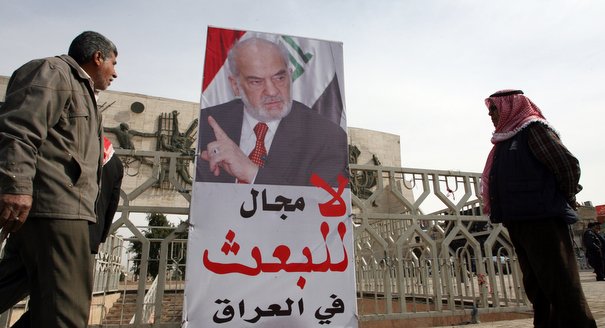
The Iraqi ad-hoc appeals panel, established to examine the Justice and Accountability Commission’s decision to ban over 500 candidates from the upcoming parliamentary elections, has concluded its work and has reinstated only 26 candidates.
The Iraqi ad-hoc appeals panel set up to examine the banning of over 500 candidates by the Justice and Accountability Commission has concluded its work, reinstating only 26 candidates. Initially, the appeal panel unbanned all candidates provisionally, reserving the right to re-examine the cases of those who won seats in the election. Responding to outrage by Iraq’s major Shi’i political parties as well as to political pressure, including from Prime Minister Nouri al-Maliki, the panel announced that it had gone beyond its legal responsibilities when it thought it should examine all bans and that it only needed to consider the 177 cases where candidates had appealed. Those cases could be examined and resolved before the March 7 elections. A few days later, most of the 177 banned candidates were excluded from the investigation process on the grounds that they had not filed their appeals properly; only 37 cases would be investigated. On February 11, Ali al-Lami, the head of the Justice and Accountability Commission, announced that 26 candidates (out of over 500) had been “unbanned” and could run.
Carnegie does not take institutional positions on public policy issues; the views represented herein are those of the author(s) and do not necessarily reflect the views of Carnegie, its staff, or its trustees.

A notable degree of participative democracy has firmly arrived in Europe. But to have more far-reaching impact, democratic deliberation needs to move into a radically new phase.

Richard Youngs

Before the next wave of EU enlargement takes place, the union needs to grapple with thorny questions of how power is distributed among its members.


Emil Sondaj Hansen, Ditte Brasso Sørensen

As the EU confronts profound challenges, several leaders have called for fundamental reform to the union’s model—but only modest, superficial changes have resulted. What if Europe really could be reimagined from zero today: What should such a redesigned European order look like?
Richard Youngs, ed.

The EU’s new migration policy is not suited to today’s realities. With climate change increasingly becoming a driver of displacement, Europe needs to rethink its deterrence-focused approach.

Shana Tabak
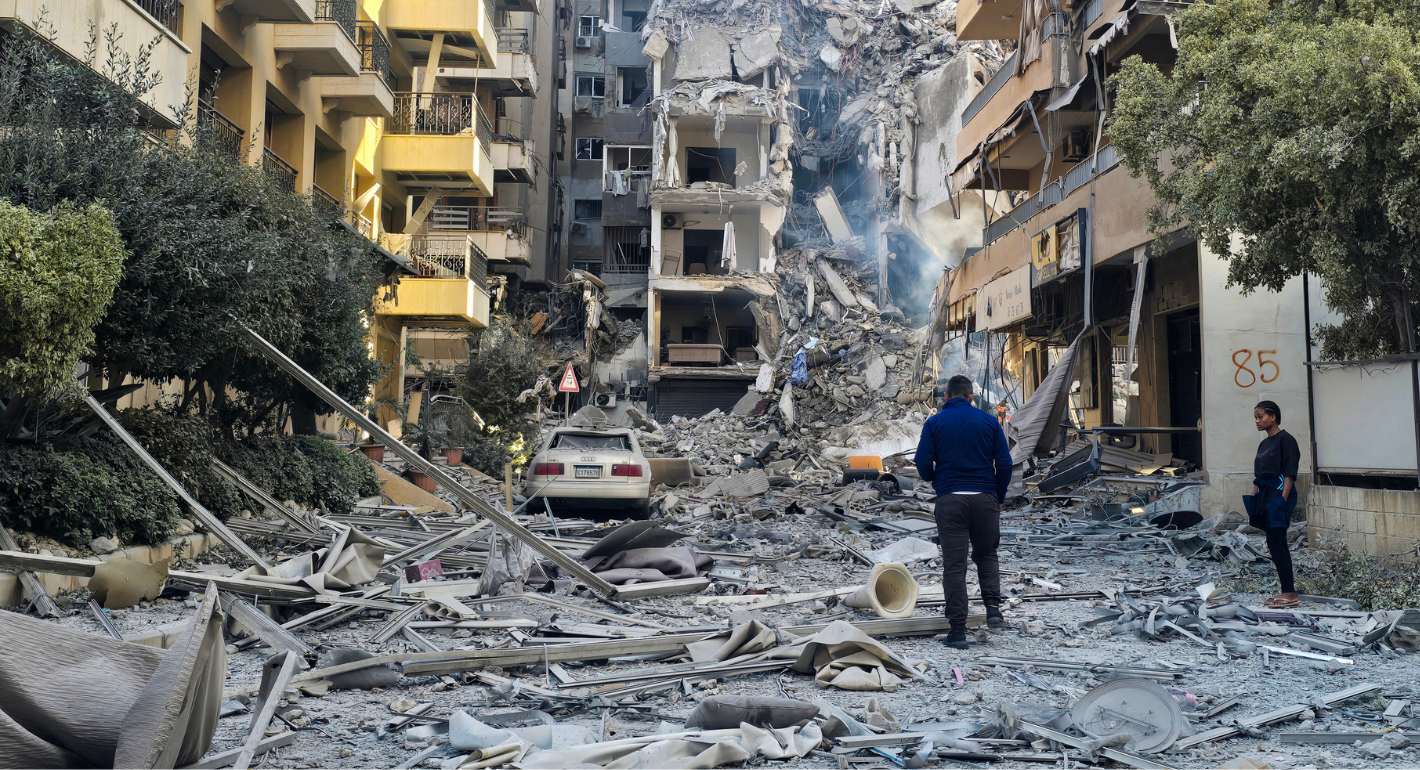
Europe seems to have accepted its sidelining in the Middle East. The EU must reassert its support for the international rules-based order and step up engagement.

Rym Momtaz