

Commentary
Dmitri Trenin
By the beginning of the twenty-first century, Russia had recovered from its domestic crisis, and so had its global ambitions. While Moscow’s principal interests still lie mostly toward the West, the Middle East is back on Moscow’s radar screen and Russia’s withdrawal from the region has been reversed.
Source: The Century Foundation

The Middle East is important to Moscow for several reasons – its physical proximity; the Muslim factor, as continuing religious and political turbulence within the Muslim world brings radical ideas and militants from the Middle East into Russia and impacts Russia’s policy in the Caucasus, the central Russian republics of Tatarstan and Bashkortostan, and post-Soviet Central Asia; large emigration from Russia to Israel, where 20 percent of the population are former Soviet Jews; the energy riches of the region; and Russian attention to the current U.S. focus on the region, and American military involvement in Iraq and Afghanistan.
Reprinted with permission from The Century Foundation.
Former Director, Carnegie Moscow Center
Trenin was director of the Carnegie Moscow Center from 2008 to early 2022.
Recent Work
Dmitri Trenin
Dmitri Trenin
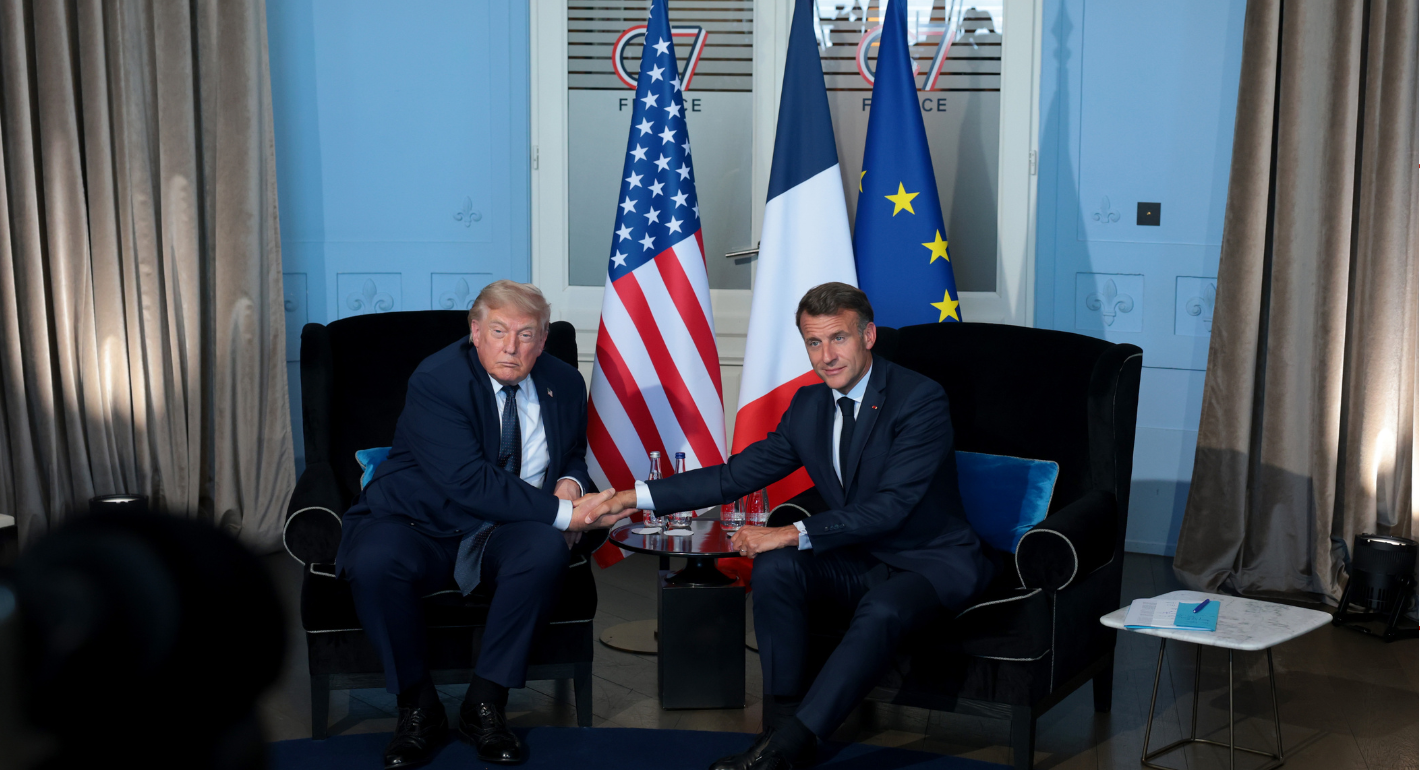
When the U.S.-Iran memorandum of understanding was announced, the UK, France, Germany, and Italy declared their readiness to help demine the Strait of Hormuz and lift nuclear sanctions on Tehran. But does Europe need new tools to recover a diplomatic role?

Rym Momtaz, ed.
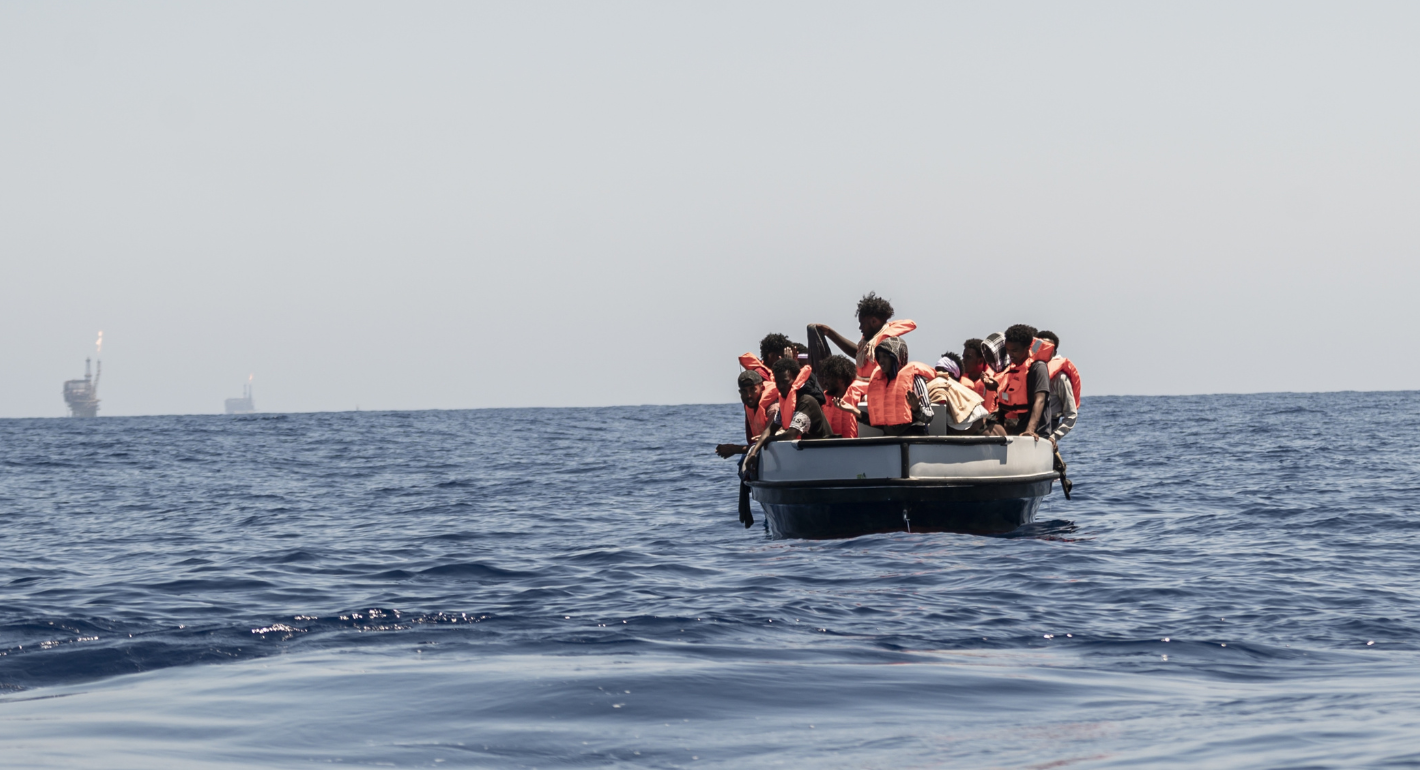
The EU’s new migration policy is not suited to today’s realities. With climate change increasingly becoming a driver of displacement, Europe needs to rethink its deterrence-focused approach.

Shana Tabak
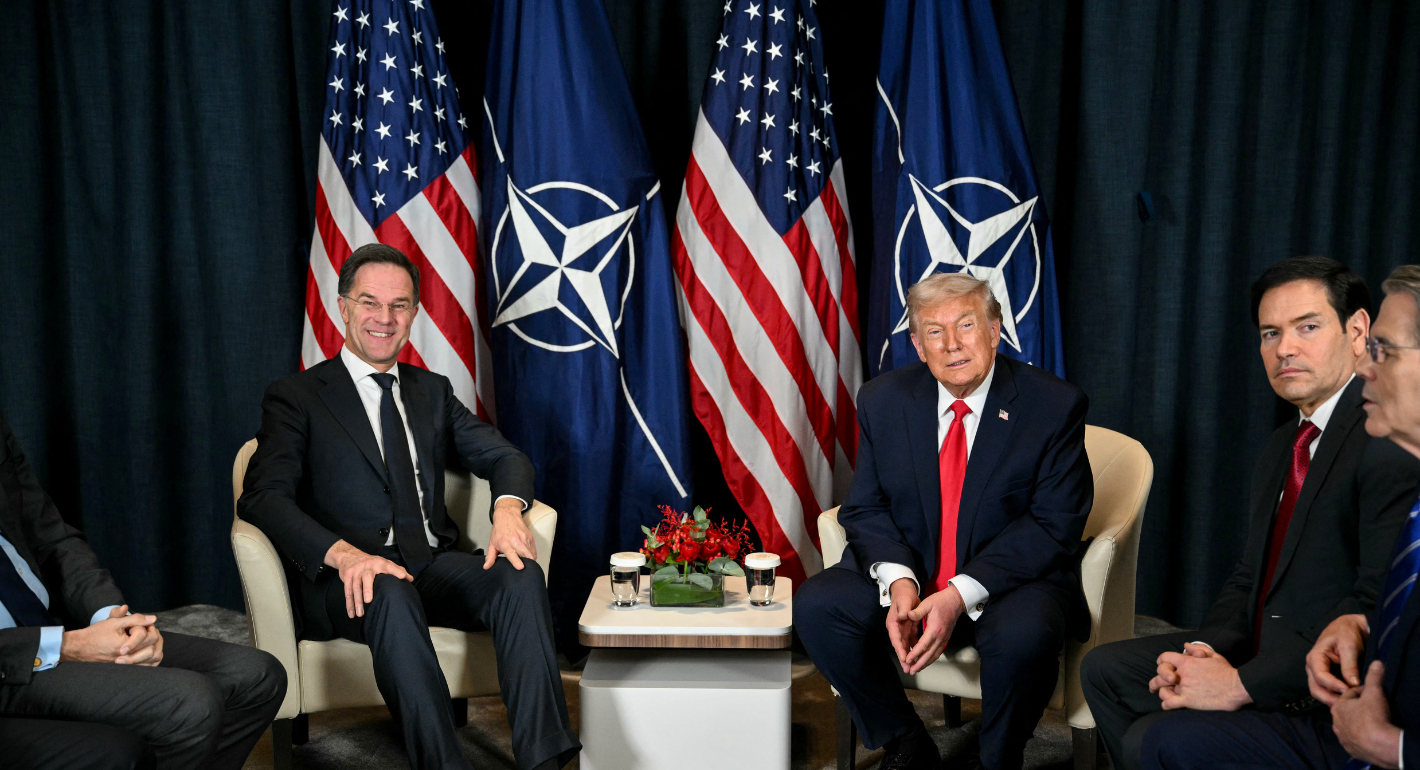
Donald Trump has demanded that European allies send ships to the Strait of Hormuz while his war of choice in Iran rages on. He has constantly berated NATO while the alliance’s secretary-general has emphatically supported him.
Rym Momtaz, ed.
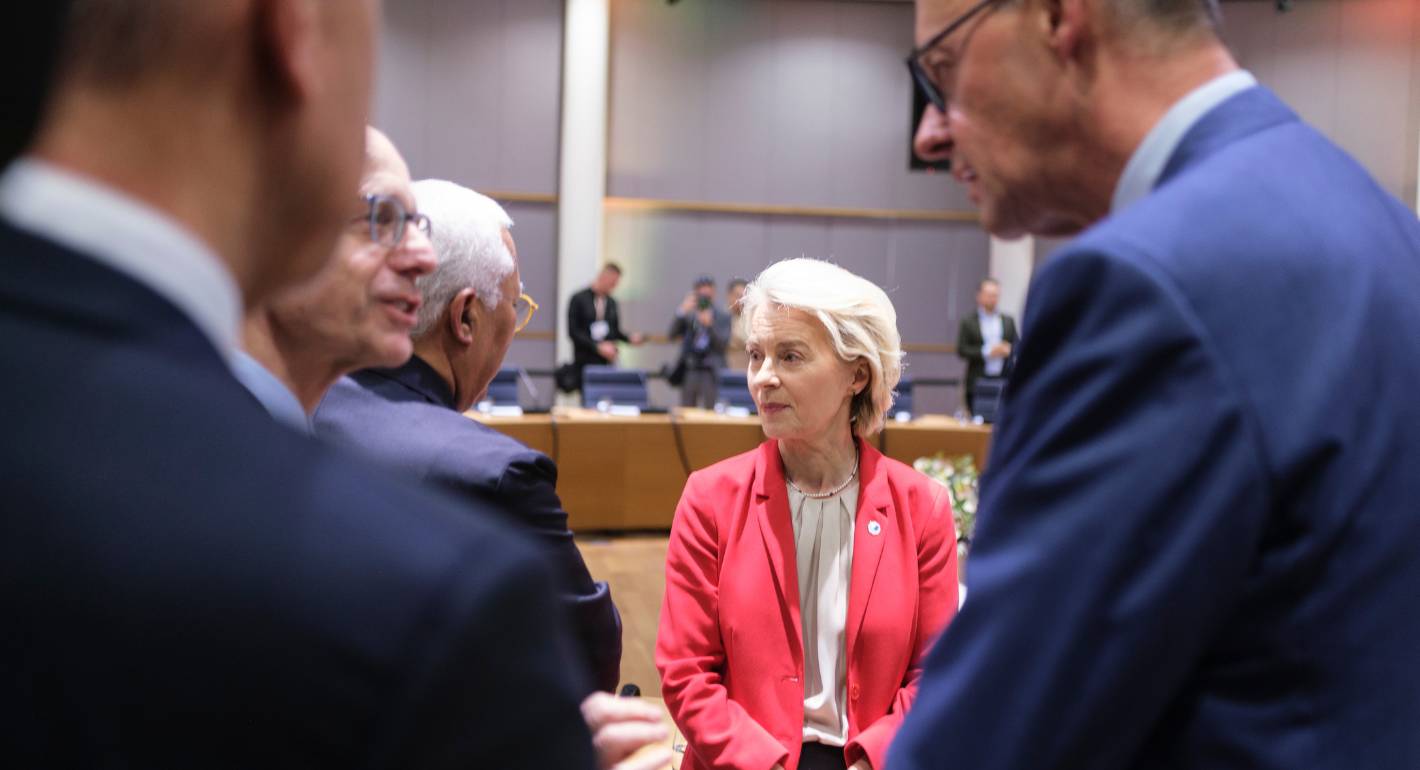
The war in Iran proves the United States is now a destabilizing actor for Europe and the Arab Gulf. From protect their economies and energy supplies to safeguarding their territorial integrity, both regions have much to gain from forming a new kind of partnership together.
Rym Momtaz
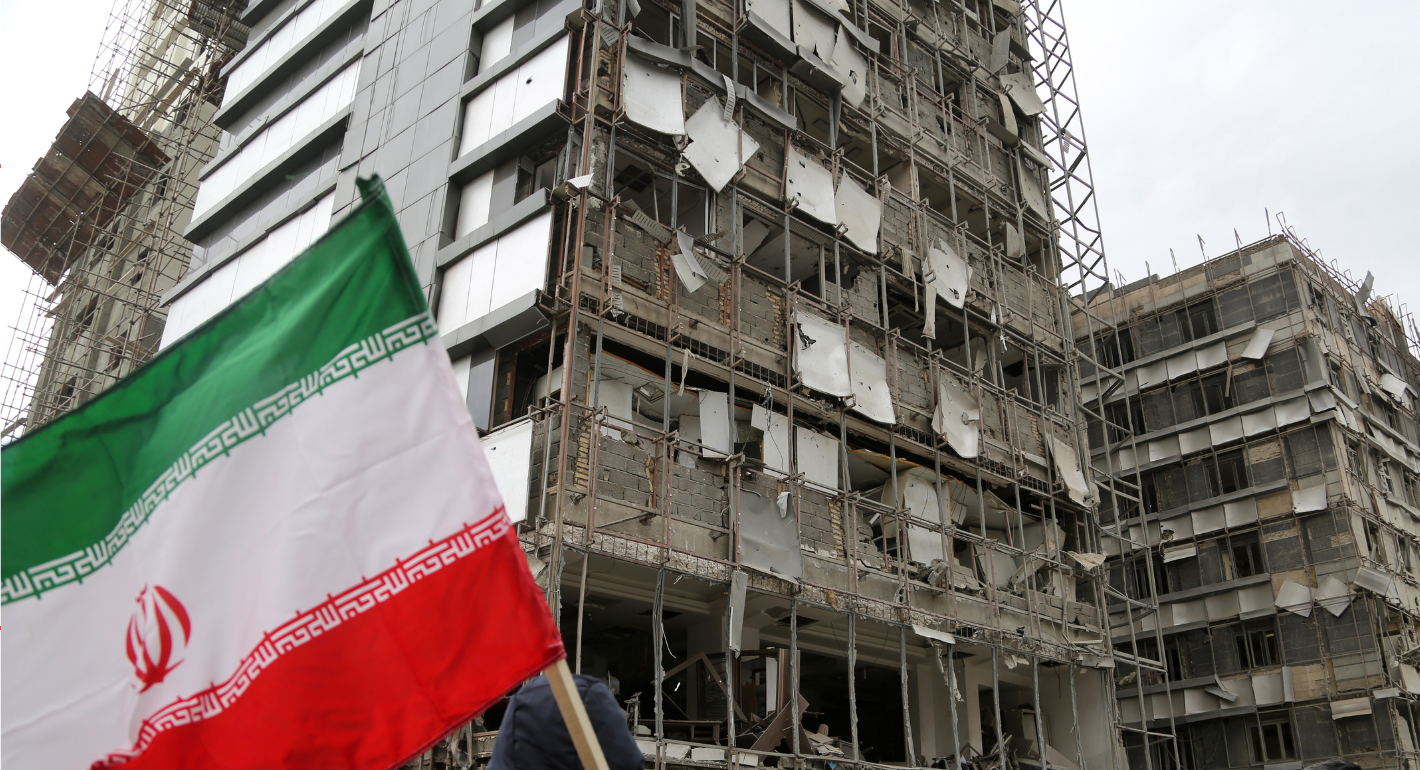
Europe’s reaction to the war in Iran has been disunited and meek, a far cry from its previously leading role in diplomacy with Tehran. To avoid being condemned to the sidelines while escalation continues, Brussels needs to stand up for international law.

Pierre Vimont