

Commentary
Western Europe’s dual-use infrastructure melted down during its latest heat wave. If a predicted hot weather event can take the continent by surprise, what chance does it have to withstand unexpected geopolitical crises?
Rym Momtaz
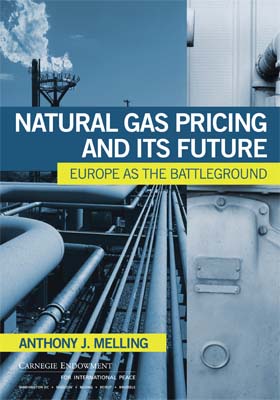
Consumption of natural gas is growing rapidly and now accounts for nearly one-quarter of the world’s energy supply. While natural gas is relatively clean compared to crude oil and coal, its ability to assume a greater role in meeting the world’s growing energy demands will depend largely on price.
Consumption of natural gas is growing rapidly and now accounts for nearly one-quarter of the world’s energy supply. While natural gas is relatively clean compared to crude oil and coal, its ability to assume a greater role in meeting the world’s growing energy demands will depend largely on price.
In a new report, Anthony J. Melling analyzes the two competing price mechanisms for natural gas: the dominant practice of linking gas prices to oil prices and a second model based on competitive market prices. Although Europe—which uses both mechanisms—is now the battleground in the natural gas pricing war, its effects will likely be felt worldwide.
“The price of gas in Europe—and the mechanism used to determine it—will not only impact European companies and customers, but also have profound implications for energy markets around the world,” writes Carnegie’s Adnan Vatansever in the foreword. “Energy security, geopolitics, and the shift to greener forms of fuel that will be critical for combating climate change will also depend on how gas pricing evolves.”
Anthony J Melling
Carnegie does not take institutional positions on public policy issues; the views represented herein are those of the author(s) and do not necessarily reflect the views of Carnegie, its staff, or its trustees.
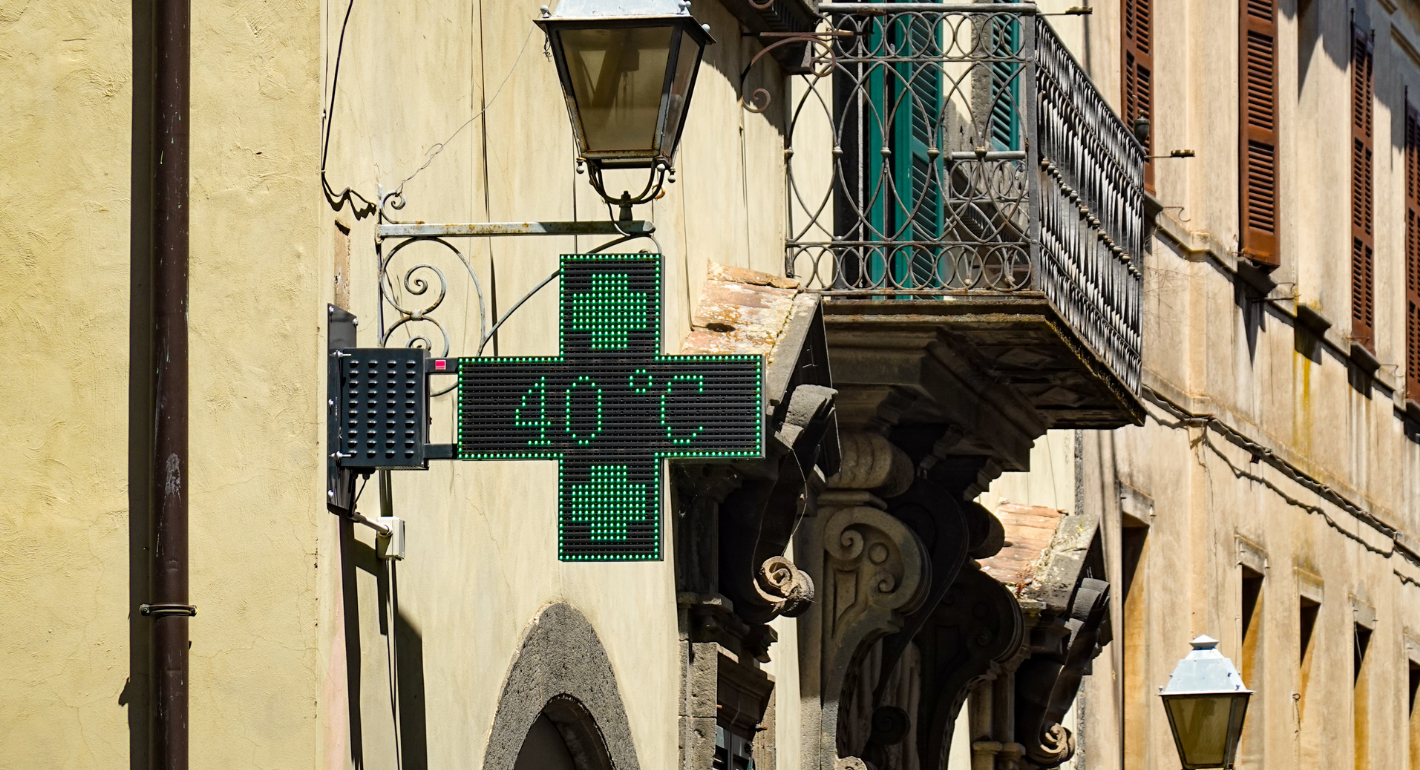
Western Europe’s dual-use infrastructure melted down during its latest heat wave. If a predicted hot weather event can take the continent by surprise, what chance does it have to withstand unexpected geopolitical crises?

Rym Momtaz
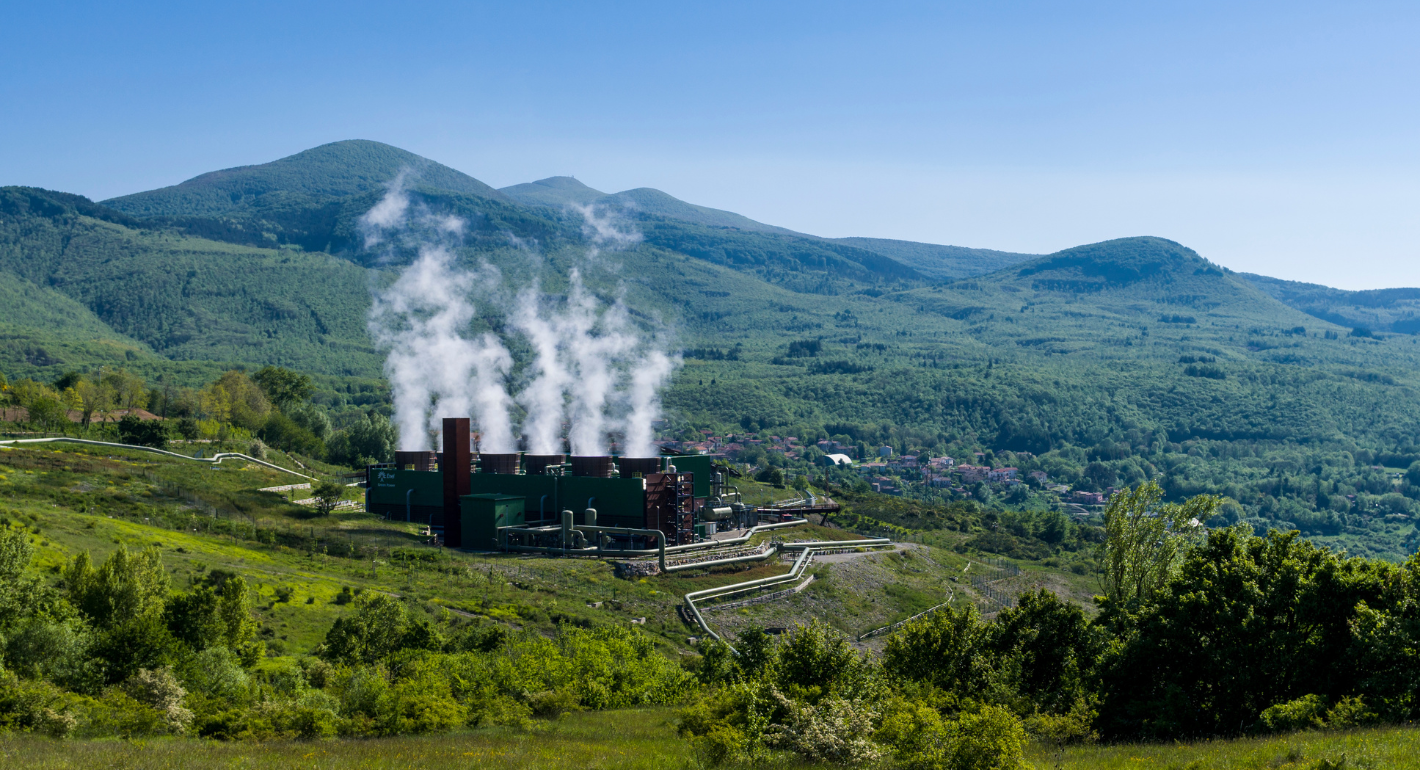
Europe’s industrial supply chains leave it vulnerable to global shocks. The EU needs a pragmatic green industrial strategy that balances durable partnerships and bolsters homegrown clean tech without sacrificing low-carbon ambition.


Milo McBride, Pauline Gerard

The EU’s new migration policy is not suited to today’s realities. With climate change increasingly becoming a driver of displacement, Europe needs to rethink its deterrence-focused approach.

Shana Tabak
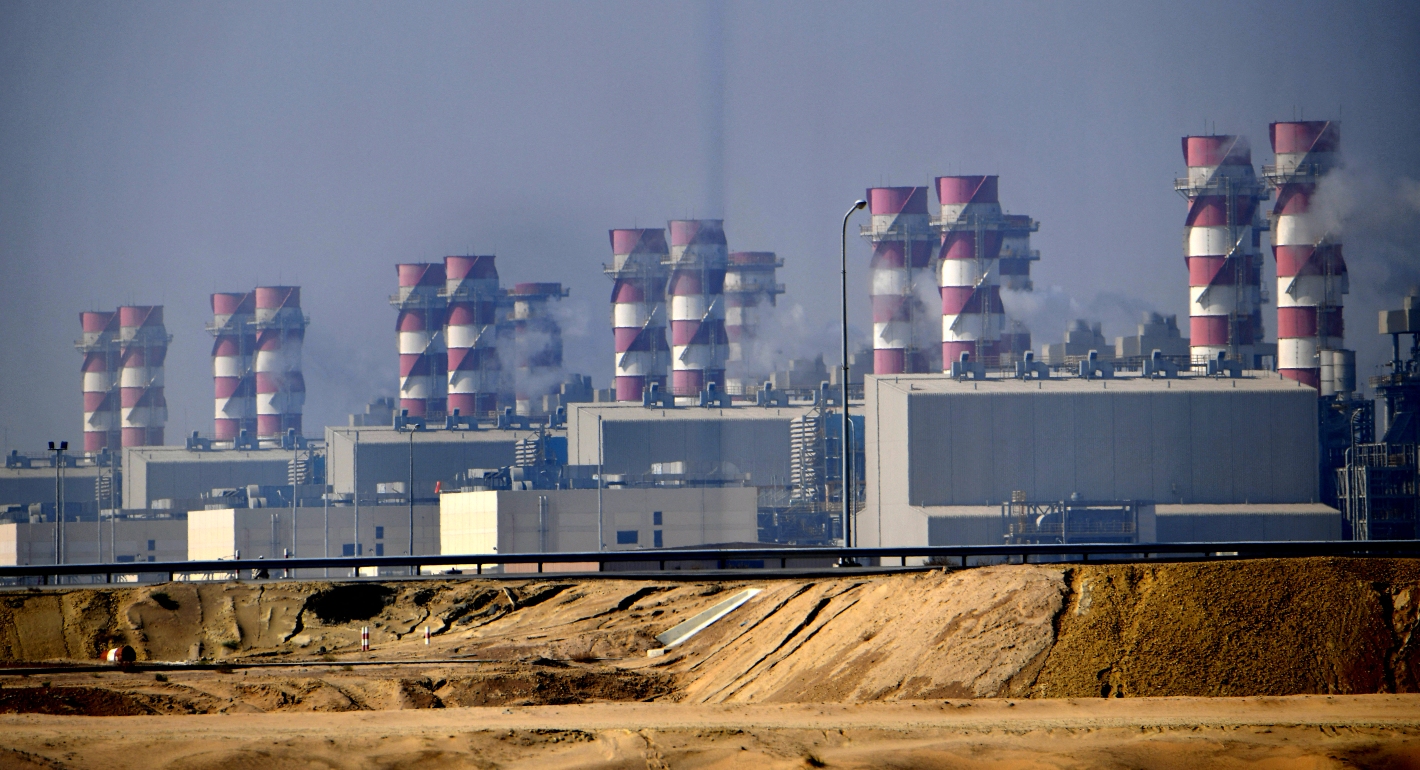
The U.S.-Iran war has crossed a dangerous threshold: water infrastructure in the Gulf is now a target. Ecological statecraft is no longer peripheral to security, it's part of its foundations.


Olivia Lazard, Ali Bin Shahid
The closure of the Strait of Hormuz has triggered a global energy crisis, but Europe is stuck in reaction mode. Without more strategic foresight, the EU will remain dependent on fossil fuels and will never be truly secure.
Milo McBride, Pauline Gerard