

Paper
George Perkovich
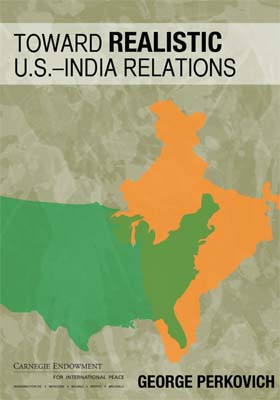
Near-term expectations for a partnership between the United States and India too often overlook how the interests, policies, and diplomatic style of the two countries sometimes diverge.
As President Obama prepares to visit India next month, he faces criticism that his administration has done too little to enhance U.S.-India relations. George Perkovich argues that expectations for a partnership between the two countries in the near term are unrealistically high and overlook how their interests, policies, and diplomatic style will often diverge. U.S. policy cannot do much to help India’s rise, but it can inflict major damage on global problem-solving efforts if it defers too readily to the narrow, often mercantile demands of the current relationship.
“Rather than maintaining the pretense of partnership, a truly pro-India policy would acknowledge that India has different near-term needs and interests as a developing country than does the United States, even as it recognizes that each will benefit in the long run from the success of the other,” writes Perkovich. “Most of what the U.S. government can do for India lies in the broader global arena, and most of what India needs at home it must do for itself.”

Japan Chair for a World Without Nuclear Weapons, Senior Fellow
George Perkovich is the Japan Chair for a World Without Nuclear Weapons and a senior fellow in the Carnegie Endowment for International Peace’s Nuclear Policy Program. He works primarily on nuclear deterrence, nonproliferation, and disarmament issues, and is leading a study on nuclear signaling in the 21st century.
Recent Work
George Perkovich
George Perkovich
Carnegie does not take institutional positions on public policy issues; the views represented herein are those of the author(s) and do not necessarily reflect the views of Carnegie, its staff, or its trustees.
The full list of humiliations Europe has endured since Donald Trump returned to the White House makes for grim reading. But Washington’s adversarial approach to its allies undermines its own power base.

Rym Momtaz
The closure of the Strait of Hormuz has triggered a global energy crisis, but Europe is stuck in reaction mode. Without more strategic foresight, the EU will remain dependent on fossil fuels and will never be truly secure.


Milo McBride, Pauline Gerard
Debate is heating up on how Turkey could be integrated into a common European defense framework. Commercial and industrial deals offer a better chance at alignment than sweeping political efforts.

Marc Pierini
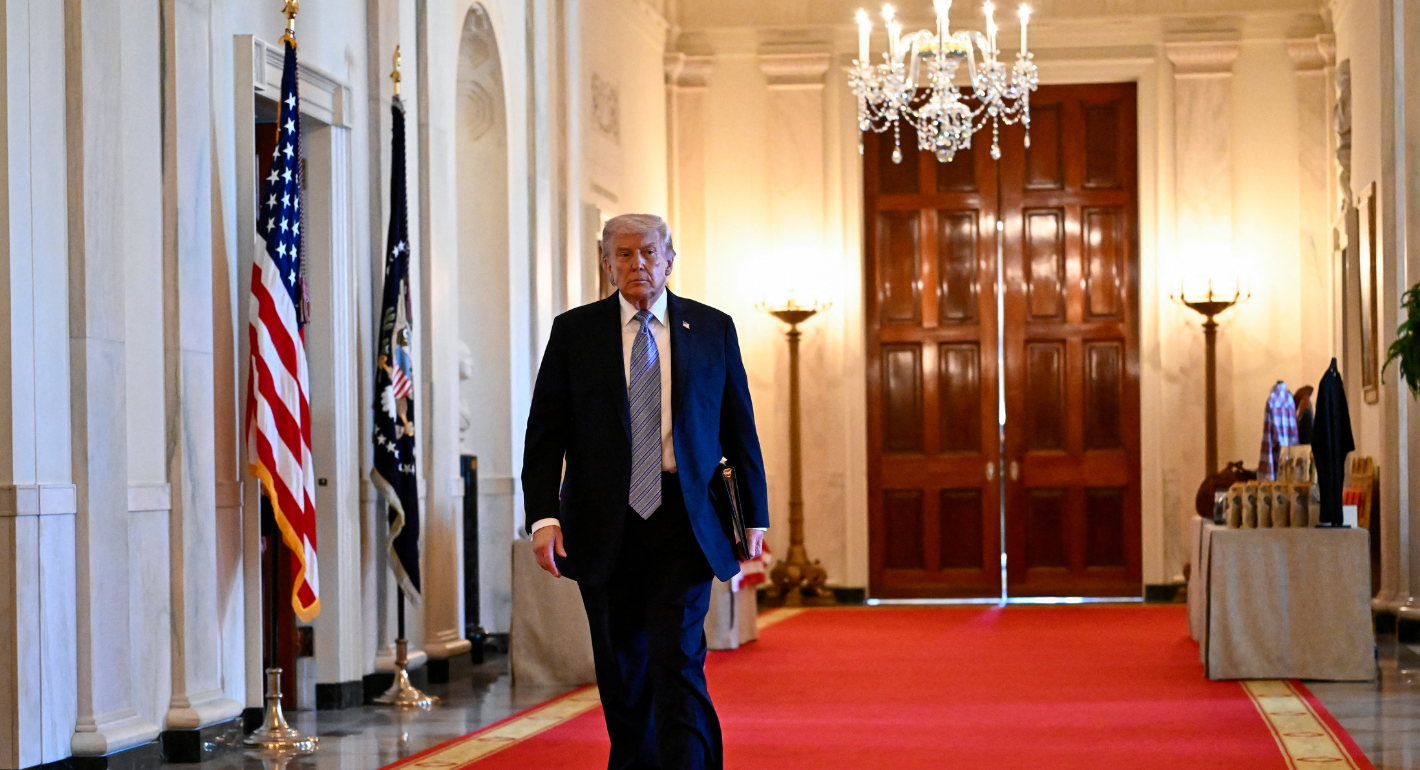
After spending much of 2025 trying to placate Donald Trump, some European leaders are starting to change posture. But is even a hostile Washington still so important to Europe that the U.S. president’s outbursts are worth putting up with?
Rym Momtaz, ed.
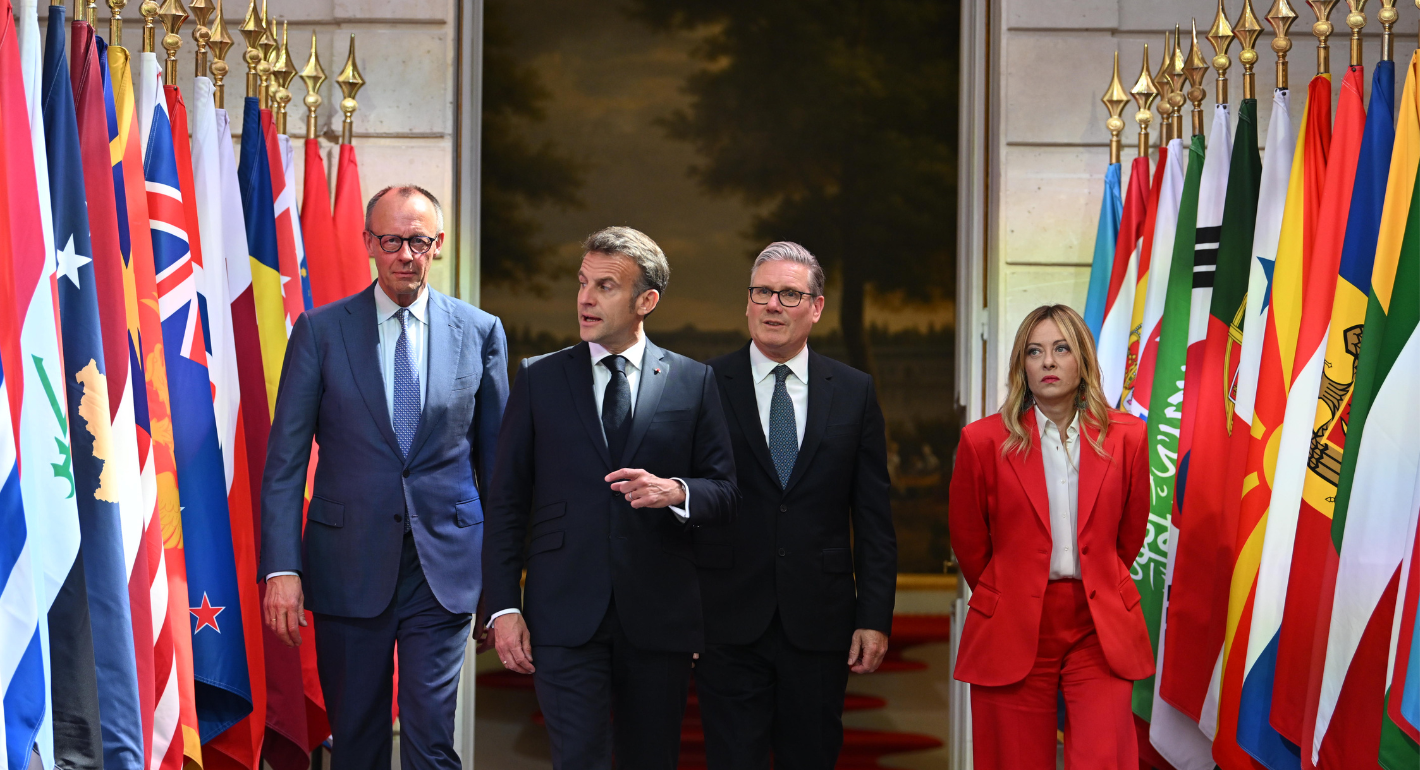
European leaders have now not only lost faith in Donald Trump’s U.S. presidency, but also in America’s hegemony as a whole. But short-term challenges make an immediate divorce unwise.
Rym Momtaz