• Research
  • Strategic Europe
  • About
  • Experts
Carnegie Europe logoCarnegie lettermark logo
EUUkraine
  • Donate
Challenges to Democracy Promotion: The Case of Bolivia

Source: Getty

Paper

Challenges to Democracy Promotion: The Case of Bolivia

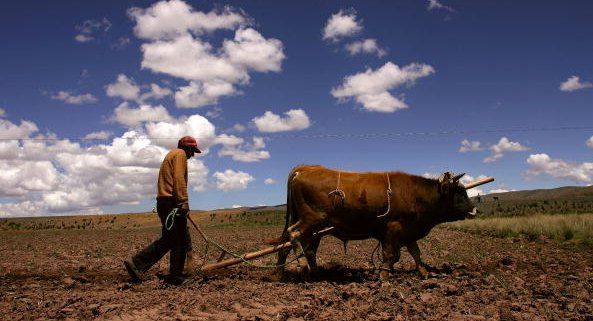
Bolivia has embarked on a democratic experiment which differs in significant ways from Western liberal models. While this poses a challenge to traditional democracy promotion efforts, external actors still have the potential to play a constructive role in the country.

Link Copied
By Jonas Wolff
Published on Mar 30, 2011

Additional Links

Full Text

Bolivia offers a critical, but atypical, case for international democracy promotion. The ongoing political transformation initiated by President Evo Morales constitutes one of the few experiences in the world of a serious effort to build a democracy different from the existing Western liberal models. And this presents a significant challenge to democracy promotion efforts. 

The United States and Germany—two main external actors in Bolivia—have been compelled to react to this challenge. In the case of the United States, an initial phase of wait-and-see escalated in 2008 into an open crisis in bilateral relations. Attempts to adjust U.S. democracy assistance to the evolving political situation in Bolivia failed and by the end of 2009 USAID’s democracy program was closed on demand of the Bolivian government. The German government, on the other hand, explicitly supported the political changes initiated by Morales. Bilateral relations between Bolivia and Germany are characterized by general continuity and in terms of democracy assistance Germany largely adjusted its programs to the preferences of the new Bolivian government.

International democracy promoters often argue that they are not trying to impose a specific form of democracy from the outside and Bolivia has tested the U.S. and German commitments to this ideal. In fact, both governments have not stuck dogmatically to their particular models or concepts of democracy, but have shown some surprising flexibility. Negative reactions to Morales, especially in the case of the United States, were actually triggered by disagreements on specific policy issues.
 
Bolivia’s ongoing democratic transformation suggests that the best external democracy promoters can do under such circumstances is to support processes of inclusive dialogue and constructive conflict resolution. Instead of focusing on a specific political end point—a given model of democracy—support should push for a peaceful and inclusive political process of constructing a model appropriate for Bolivia. This, however, requires external actors to unequivocally respect Bolivia’s claim to democratic self-determination that encompasses not just the shape of its political system but also its foreign, economic, and narcotics policies.

About the Author

Jonas Wolff

Wolff is an executive board member and the head of the Intrastate Conflict research department at the Peace Research Institute Frankfurt.

Jonas Wolff

Wolff is an executive board member and the head of the Intrastate Conflict research department at the Peace Research Institute Frankfurt.

Jonas Wolff
North AmericaSouth AmericaPolitical ReformDemocracy

Carnegie does not take institutional positions on public policy issues; the views represented herein are those of the author(s) and do not necessarily reflect the views of Carnegie, its staff, or its trustees.

More Work from Carnegie Europe

  • Commentary
    Strategic Europe
    Win or Lose, Orbán has Broken Hungary’s Democracy

    Hungarians head to the polls on April 12 for an election of national and European consequence. Three different outcomes are on the cards, each with their own implications for the EU.

      Zsuzsanna Szelényi

  • Commentary
    Strategic Europe
    Is France Shifting Rightward?

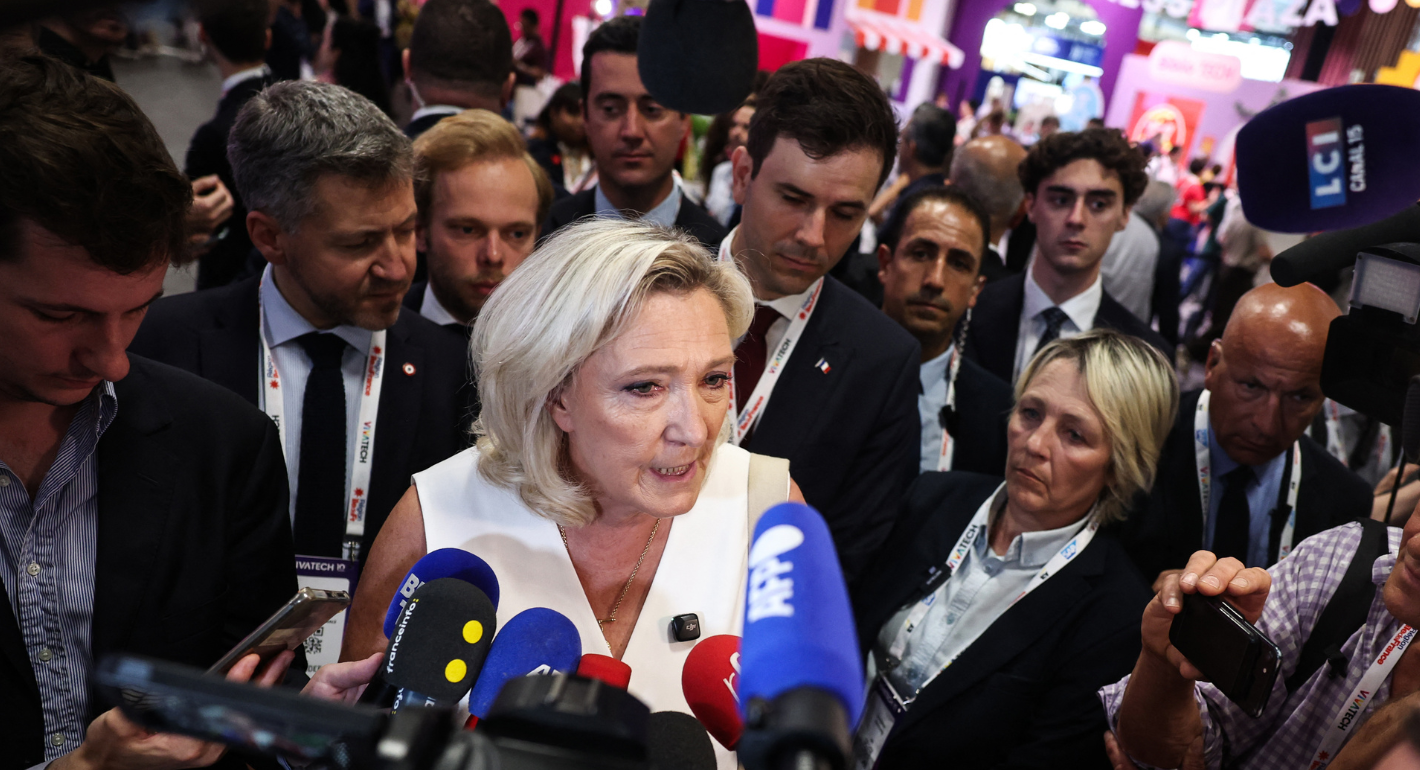
    The far right failed to win big in France’s municipal elections. But that’s not good news for the country’s left wing, which remained disunited while the broader right consolidated its momentum ahead of the 2027 presidential race.

      Catherine Fieschi

  • Commentary
    Is the Radical-Right Threat Existential or Overstated?

    Amid increased polarization and the influence of disinformation, radical-right parties are once again gaining traction across Europe. With landmark elections on the horizon in several countries, are the EU’s geostrategic vision and fundamental values under existential threat?

      Catherine Fieschi, Cas Mudde

  • Commentary
    Strategic Europe
    The EU Needs a Third Way in Iran

    European reactions to the war in Iran have lost sight of wider political dynamics. The EU must position itself for the next phase of the crisis without giving up on its principles.

      Richard Youngs

  • Research
    New Approaches to Defending Global Civil Society

    New thinking is needed on how global civil society can be protected. In an era of major-power rivalry, competitive geopolitics, and security primacy, civil society is in danger of getting squeezed – in some countries, almost entirely out of existence.

      Richard Youngs, ed., Elene Panchulidze, ed.

Get more news and analysis from
Carnegie Europe
Carnegie Europe logo, white
Rue du Congrès, 151000 Brussels, Belgium
  • Research
  • Strategic Europe
  • About
  • Experts
  • Projects
  • Events
  • Contact
  • Careers
  • Privacy
  • For Media
  • Gender Equality Plan
Get more news and analysis from
Carnegie Europe
© 2026 Carnegie Endowment for International Peace. All rights reserved.