

Commentary
Trump is distracted and Ukraine wants Europe to step up. The continent’s leaders must find their voice and assert it in talks with Russia.
Alissa de Carbonnel
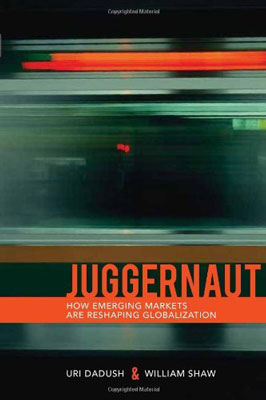
In the years to come, the rise of emerging economies will reshape the global economic landscape. This monumental shift will enhance prosperity but also create great tensions that could stop progress in its tracks.
Source: Washington
Against the long sweep of economic history, the current moment is special. Living standards advanced so rapidly and across so many countries over the last decade that it is difficult to think of parallels—even the deepest recession since the Great Depression did not halt progress.
In Juggernaut, Uri Dadush and William Shaw explore the rise of developing countries and how they will reshape the economic landscape. Dadush and Shaw project that the global economy will more than triple over the next forty years and the advance of a large group of developing countries—home to most of the world's population but seen as supplicants rather than trendsetters less than a generation ago—will drive this improvement. The authors systematically examine the effects of this seismic shift on the main avenues of globalization—trade, finance, migration, and the global commons—and identify the policy options available to leaders in managing the transformation.
In the years to come, the rise of emerging economies will likely enhance prosperity but also create great tensions that could slow the process or even stop it in its tracks. Juggernaut calls for leadership by the largest countries in managing these tensions, and underscores the need to cultivate a "global conscience."
…[R]ich in insights and readable…provides an overview of critical areas of policy interest. This book makes an original contribution to the discussion of the long term prospects of the world economy.…[I]nnovative. While there are studies of future world growth, none that I have seen covers quite the same ground.
— Kemal Dervis, vice president and director of Global Economy and Development at the Brookings Institution, former head of the United Nations Development Programme

Former Senior Associate, International Economics Program
Dadush was a senior associate at the Carnegie Endowment for International Peace. He focuses on trends in the global economy and is currently tracking developments in the eurozone crisis.
Former Visiting Scholar, International Economics Program
Shaw was a visiting scholar in Carnegie’s International Economics Program. He is the co-author of Juggernaut: How Emerging Markets Are Reshaping Globalization.
Carnegie does not take institutional positions on public policy issues; the views represented herein are those of the author(s) and do not necessarily reflect the views of Carnegie, its staff, or its trustees.

Trump is distracted and Ukraine wants Europe to step up. The continent’s leaders must find their voice and assert it in talks with Russia.

Alissa de Carbonnel

Mounting economic strain and battlefield losses will not necessarily make the Kremlin less dangerous. They could instead push Moscow toward a more aggressive hybrid campaign designed to test NATO’s Eastern flank, exploit allied hesitation, and fracture European resolve.

Maksym Beznosiuk

Over the past ten years, NATO has held almost as many summits as it did during the entirety of the Cold War. Are they still useful, or is it time to stop holding annual meetings?

Rym Momtaz, ed.

As the EU confronts profound challenges, several leaders have called for fundamental reform to the union’s model—but only modest, superficial changes have resulted. What if Europe really could be reimagined from zero today: What should such a redesigned European order look like?

Richard Youngs, ed.
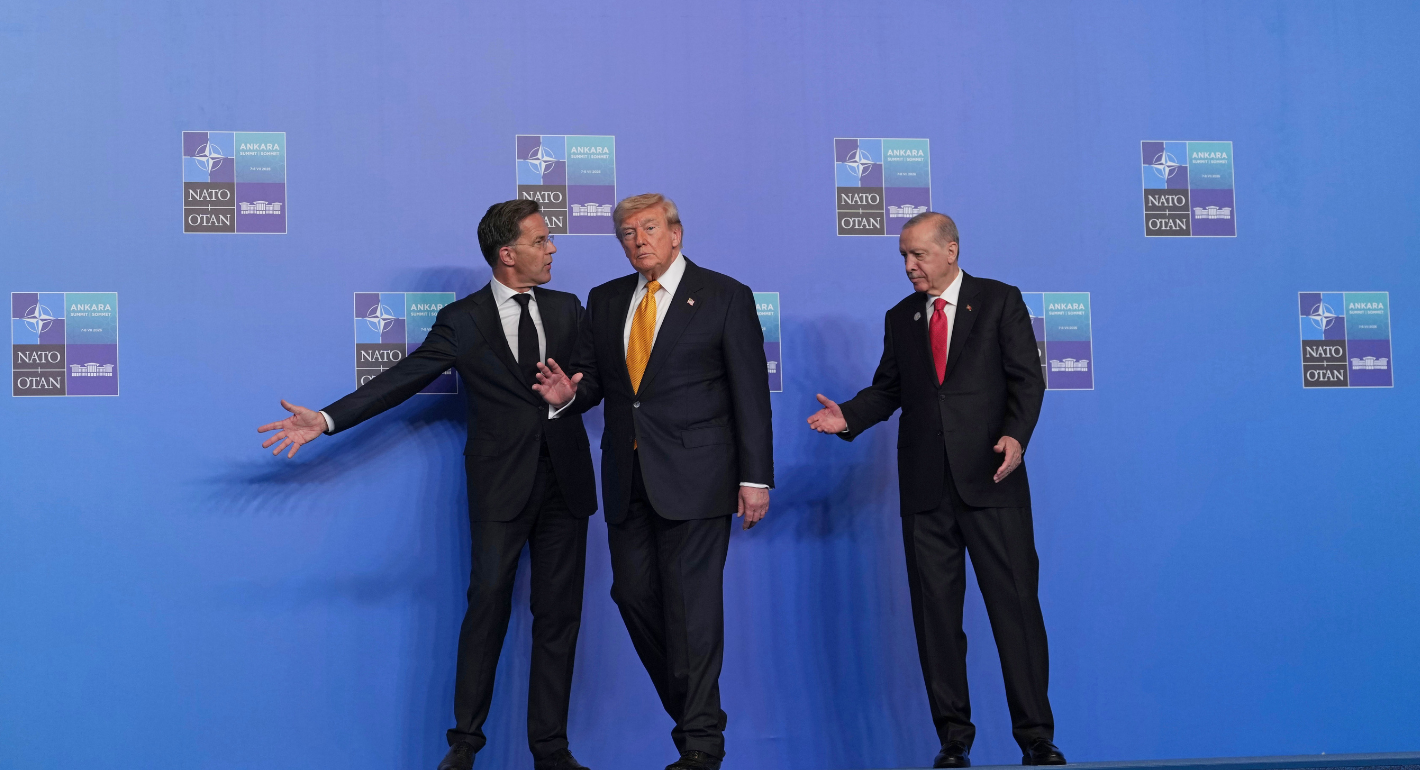
Nearly a year and a half after Europeans leaned into sucking up to Trump, the strategy has produced some benefits when it comes to Ukraine.
Rym Momtaz