

Commentary
There is an elephant in the room when it comes to the EU’s upcoming security strategy: Donald Trump. Unless European leaders acknowledge the depth of the transatlantic crisis, true autonomy will remain out of reach.
Stefan Lehne
Source: Getty
Democratic actors in Central and Eastern Europe bring unique experiences and legitimacy to international democracy support and their democracy promotion efforts have the potential to make a significant contribution.
The new democracies of Central and Eastern Europe are increasingly engaging in international democracy support, especially in the former Soviet Union and the Western Balkans. They have leveraged their membership in a number of Euro-Atlantic international organizations and used their bilateral diplomatic ties with democratization laggards to motivate and pressure them to observe democratic norms and practices. They have also been supplying small but growing amounts of democracy assistance.
The democracy promotion efforts of these countries—countries that are still grappling with some domestic democracy issues of their own—have been limited in scope and inconsistent, ad hoc, and given a low priority at times. Still, these countries have very recent, in fact ongoing experience with democratization that gives them valuable expertise and perspectives that other donors do not have, and therefore special credibility in the eyes of recipients. They also tend to tailor their efforts to the needs of their recipients and work primarily in their neighborhood, where they have considerable knowledge of local sociopolitical realities and where their own experiences are highly relevant.
The Eastern EU democracy promoters have also managed to keep the countries in the post-communist space that are not democratizing fast enough relatively high on the agenda of a number of Euro-Atlantic organizations. These efforts, however, have not yet produced the desired liberalization of neighboring autocracies. They have been important in inspiring and preparing prodemocratic forces in neighboring hybrid regimes to organize several electoral revolutions in the 2000s, but even such democratization has proven short-lived in many cases.
Tsveta Petrova
Tsveta Petrova is a lecturer in political science at Columbia University, whose research focuses on democracy, democratization, and democracy promotion in Central and Eastern Europe.
Carnegie does not take institutional positions on public policy issues; the views represented herein are those of the author(s) and do not necessarily reflect the views of Carnegie, its staff, or its trustees.
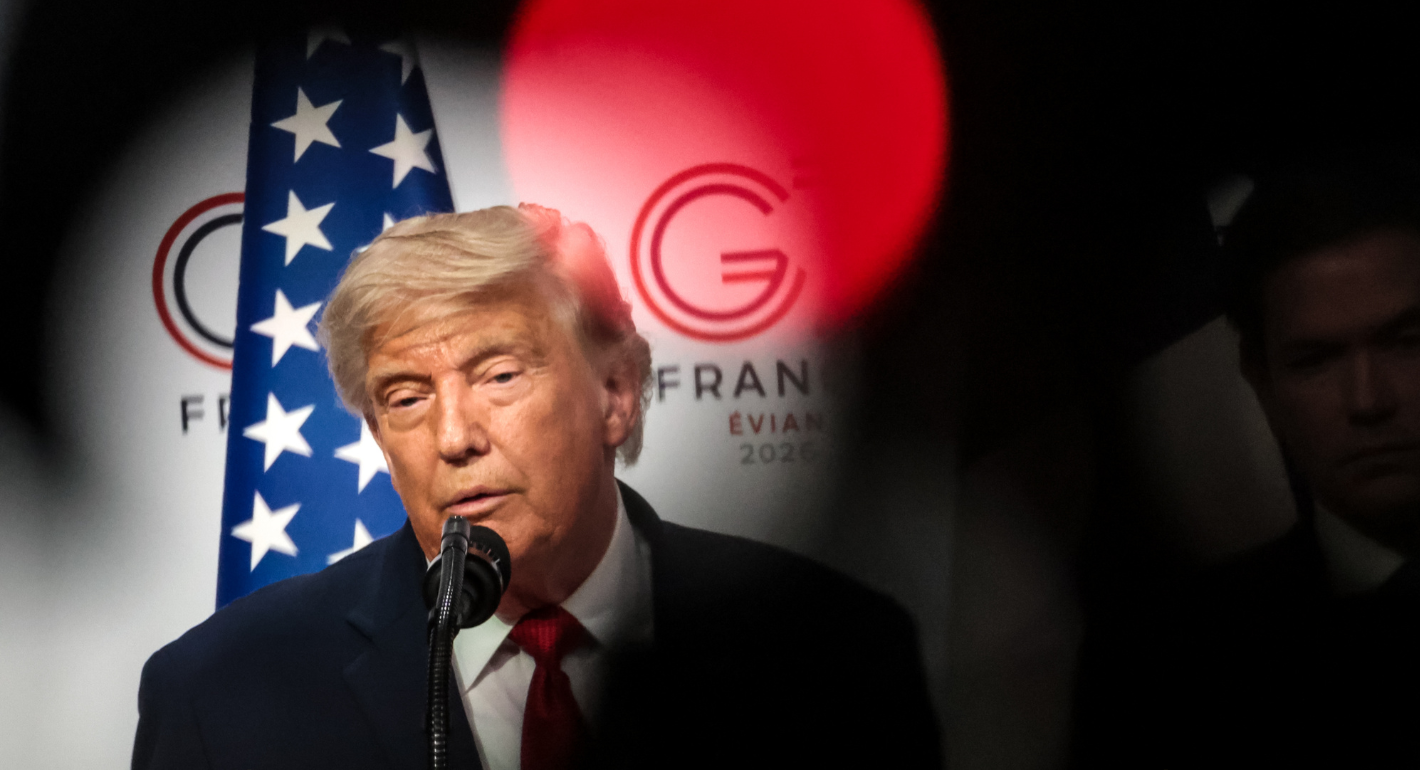
There is an elephant in the room when it comes to the EU’s upcoming security strategy: Donald Trump. Unless European leaders acknowledge the depth of the transatlantic crisis, true autonomy will remain out of reach.

Stefan Lehne
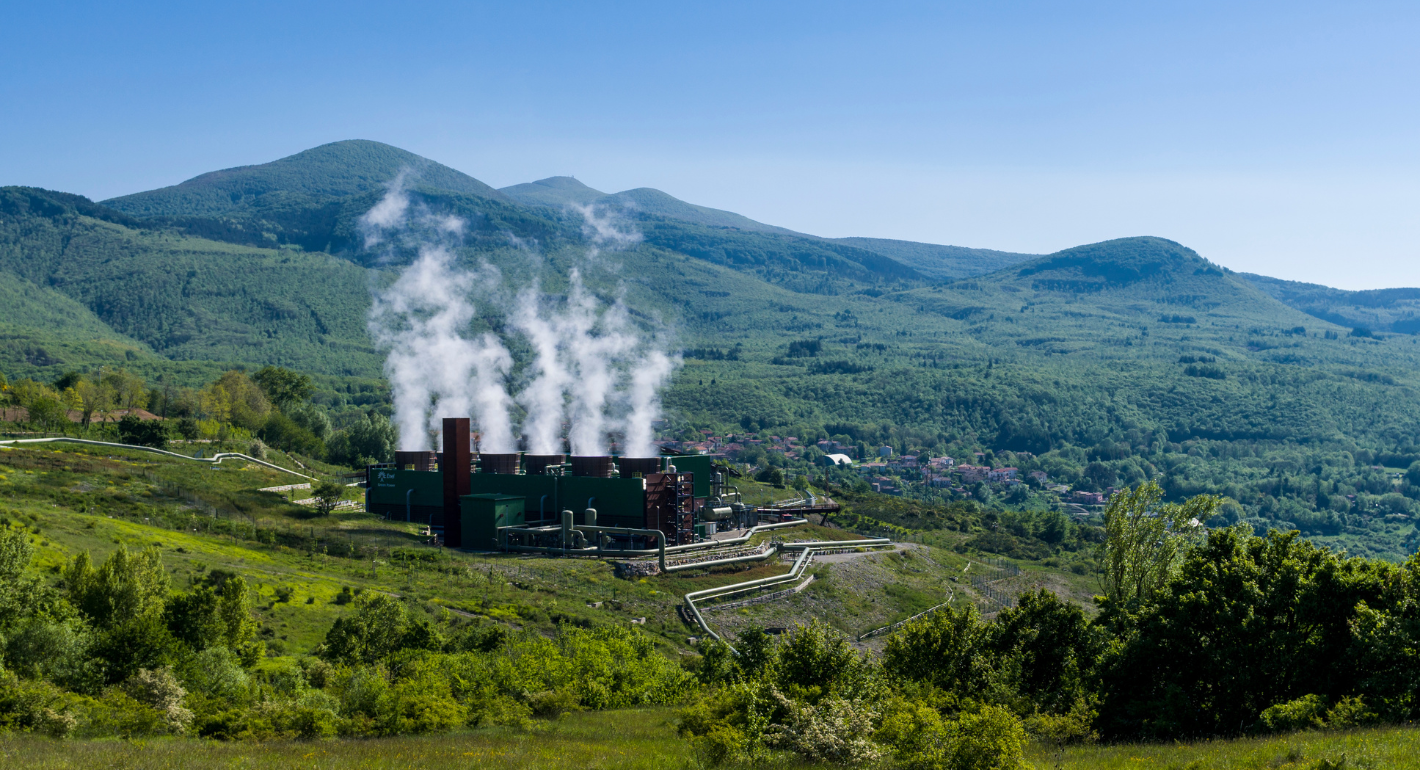
Europe’s industrial supply chains leave it vulnerable to global shocks. The EU needs a pragmatic green industrial strategy that balances durable partnerships and bolsters homegrown clean tech without sacrificing low-carbon ambition.


Milo McBride, Pauline Gerard
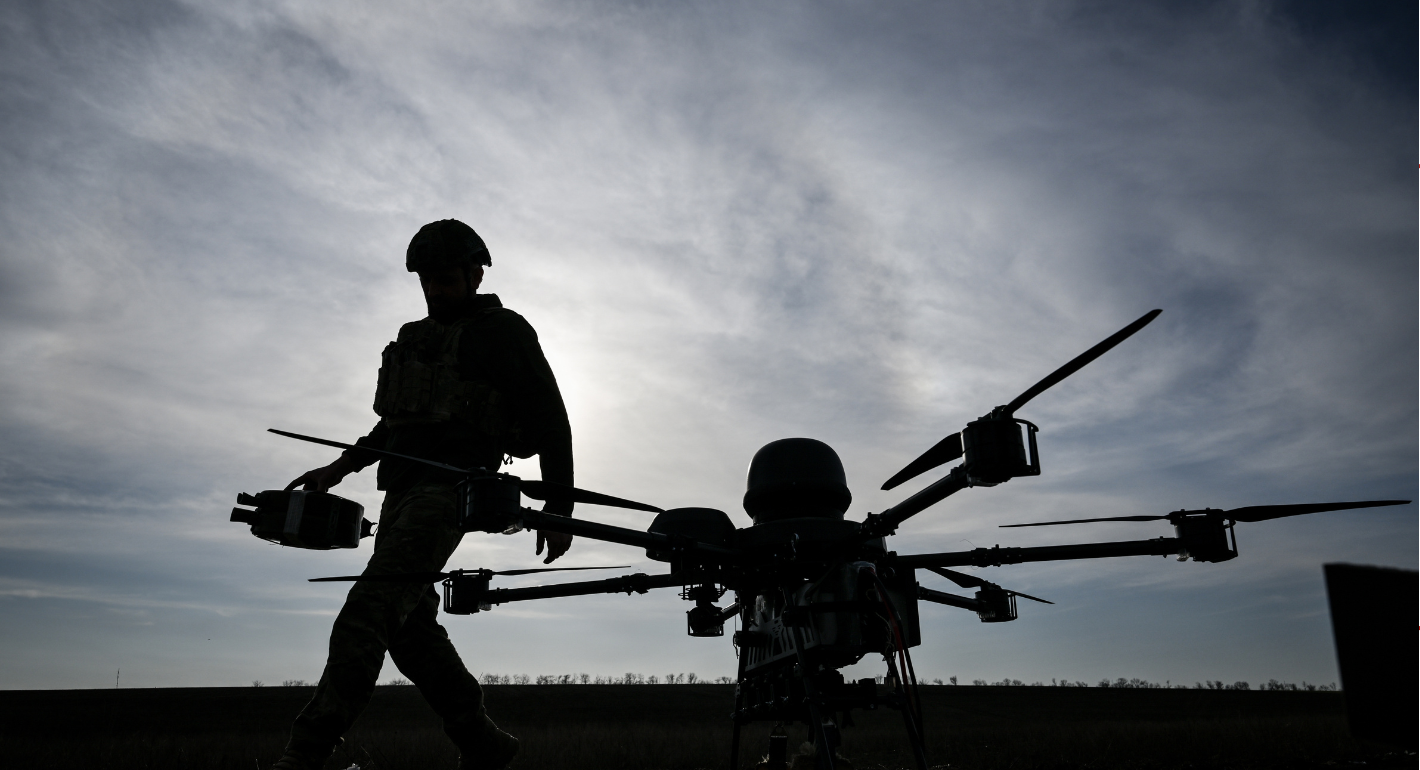
Defense tech innovations will be at the heart of Europe’s new security strategy. But so far, Brussels has been making moves without a broader plan, undermining readiness and credibility.

Raluca Csernatoni

When the U.S.-Iran memorandum of understanding was announced, the UK, France, Germany, and Italy declared their readiness to help demine the Strait of Hormuz and lift nuclear sanctions on Tehran. But does Europe need new tools to recover a diplomatic role?

Rym Momtaz, ed.
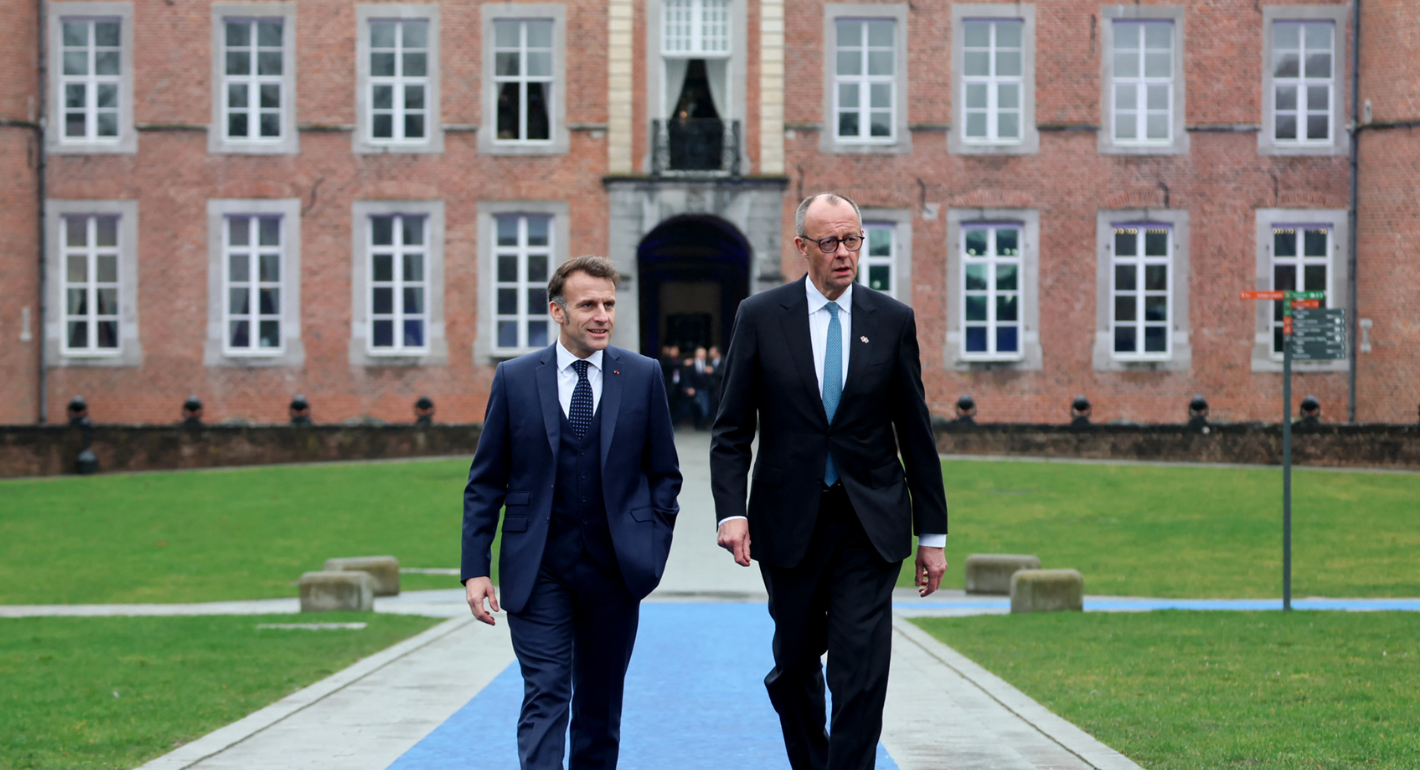
The Franco-German relationship is on the rocks again. But unlike previous moments of tension, the epochal changes on the world stage require that both step up investment in their bilateral ties.
Rym Momtaz