

Commentary
Dmitri Trenin
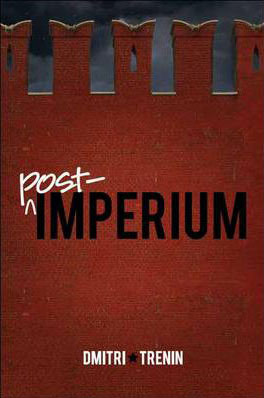
Moscow needs to drop the notion of creating an exclusive power center in the post-Soviet space. Like other former European empires, Russia has no choice but to reinvent itself as a global player and as part of a wider community.
Source: Washington
The war in Georgia. Tensions with Ukraine and other nearby countries. Moscow's bid to consolidate its "zone of privileged interests" over former Soviet republics. These volatile situations all raise questions about the nature of Russia’s relations with its neighbors and prospects for future regional stability.
In Post-Imperium: A Eurasian Story, also available in Russian, Dmitri Trenin argues that Moscow needs to drop the notion of creating an exclusive power center in the post-Soviet space. Like other former European empires, Russia has no choice but to reinvent itself as a global player and as part of a wider community.
Trenin’s vision for Russia is a changed, open Euro-Pacific country that is savvy in its use of soft power and fully reconciled with its former dependents. While acknowledging that this scenario may sound too optimistic, Trenin warns that the alternative is not a new version of the historic empire but ultimately the marginalization of Russia in international affairs.
"... as Mr Trenin convincingly argues, Russia is not a neo-imperialist state, but a post-imperialist one that lacks both vision and appeal, and the economic and human resources for any expansion."
—The Economist, December 3, 2011
Former Director, Carnegie Moscow Center
Trenin was director of the Carnegie Moscow Center from 2008 to early 2022.
Recent Work
Dmitri Trenin
Dmitri Trenin
Carnegie does not take institutional positions on public policy issues; the views represented herein are those of the author(s) and do not necessarily reflect the views of Carnegie, its staff, or its trustees.
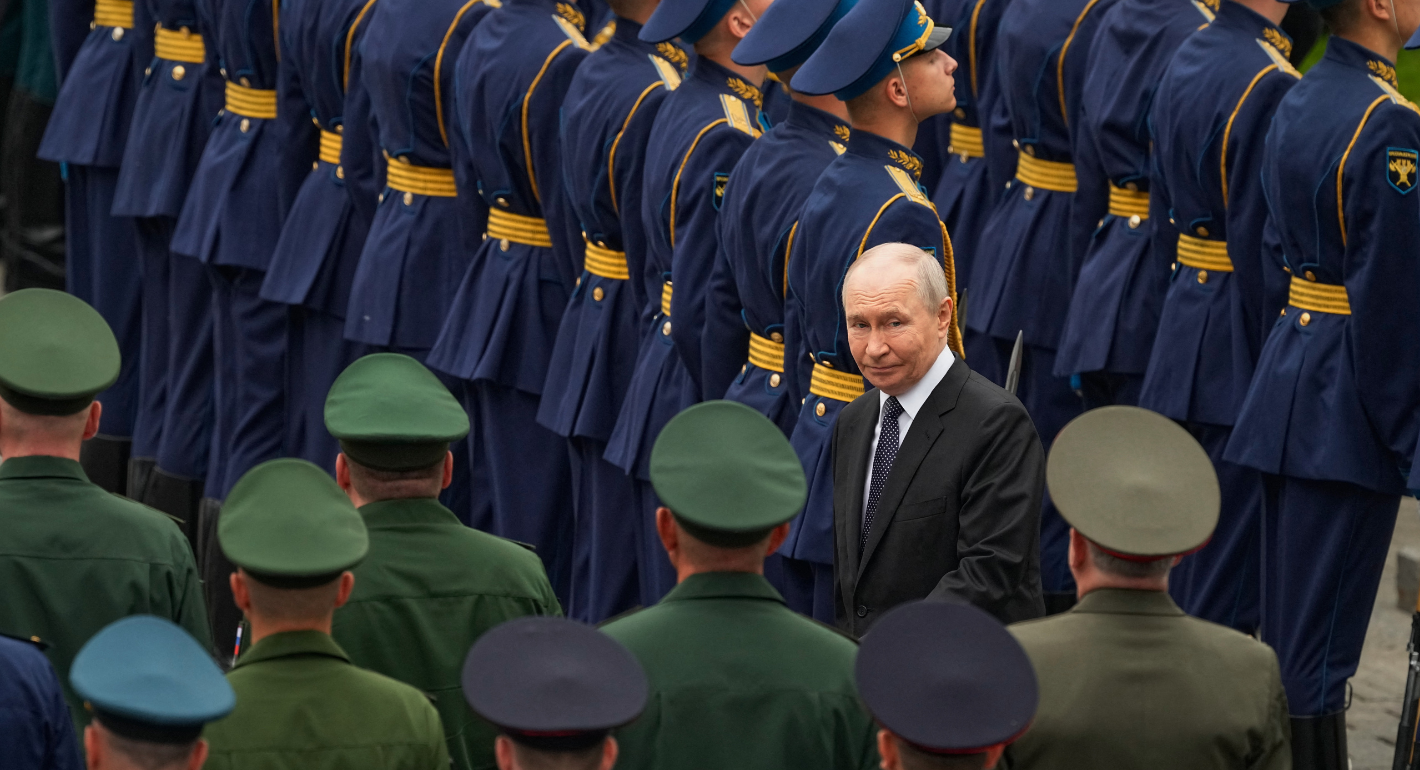
While Russia is not ready to sue for peace on Europe’s terms, it could still either seek a ceasefire in Ukraine or try escalation. Brussels needs to prepare for both and prioritize that preparation over normative discussions.
Kadri Liik

Autonomous AI agents are increasingly prevalent in cyberspace. The EU needs a real-time monitoring strategy, to invest in AI defenses, and to reduce its strategic dependence on U.S. frontier models.


Raluca Csernatoni, Patryk Pawlak
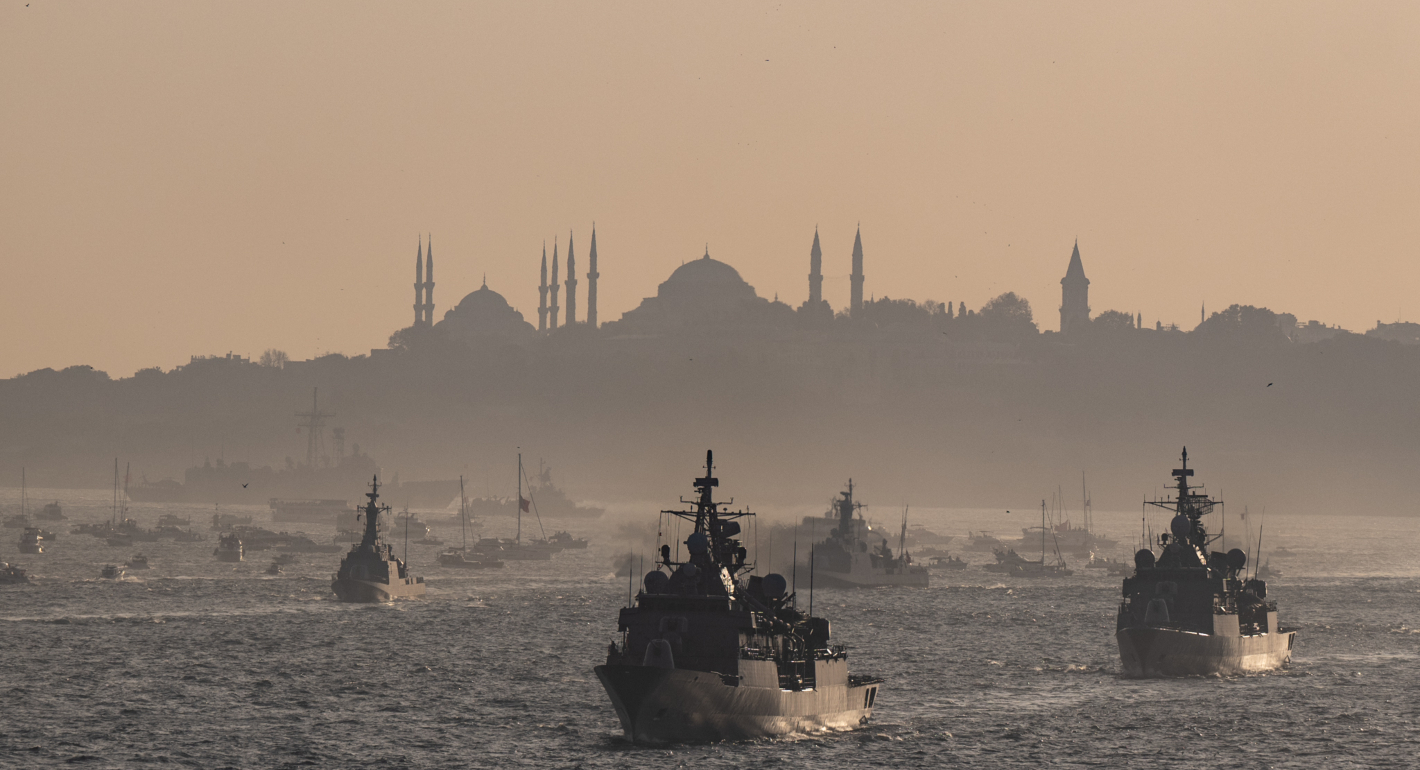
For ninety years, Turkey has been positioned as the principal gatekeeper of Black Sea security. As a result, European and NATO efforts to support Ukraine will require closer engagement with Ankara.

Thomas de Waal

Western Europe’s dual-use infrastructure melted down during its latest heat wave. If a predicted hot weather event can take the continent by surprise, what chance does it have to withstand unexpected geopolitical crises?

Rym Momtaz
There is an elephant in the room when it comes to the EU’s upcoming security strategy: Donald Trump. Unless European leaders acknowledge the depth of the transatlantic crisis, true autonomy will remain out of reach.

Stefan Lehne