

Paper
Paul Salem
Source: Getty
Together, Europeans and Arabs can build a better future, built on a wider set of common political and social values. The Arab world’s breakthrough was late in coming, but it is here.

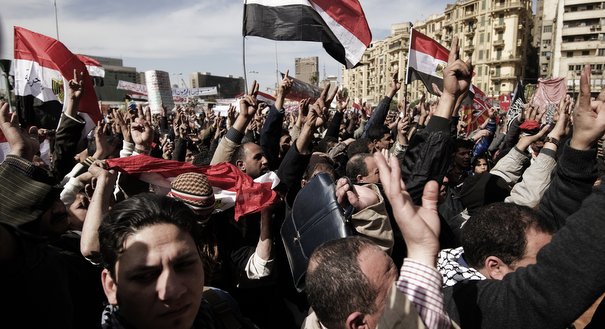
In terms of general Arab public opinion, an entire generation has been marked by the pro-democracy revolutions that they either participated in or watched unfurl live on their TV screens. The political values of freedom, dignity, empowerment, accountable government, and social justice have been seared into their psyche through the drama of human struggle and martyrdom that played out in Sidi Bouzid, Tahrir Square, Benghazi, Sanaa, Manama, Homs, and many other towns in the Arab world. The transformed values and attitudes of this generation will continue to impact politics for at least a couple of decades to come.
The Islamist political parties that have fared best in post-revolutionary elections have had to accept the new democratic zeitgeist. People rose up for good government and social justice not for religion, and all parties, including the Islamists, recognize that if they do not deliver better governance and more jobs, they will be rejected by the newly empowered populace.Political Islam recognizes it has to be more ‘political’ and less ‘Islam’ if it hopes to accede to and remain in power. Appeals to God will no longer overawe or intimidate a population that has awakened to its God-given socio-political and citizenship rights and flexed its political muscle. The Muslim Brotherhood has been at pains to show that it is democratic and pragmatic, and even the Salafists have softened their rhetoric to reach out to other groups and to clamor for constitutional and democratic reform.
A year and a half after the outbreak of the Arab Spring, the North African countries that overthrew their dictators are all on the road to transition, and none have fallen back into some dark abyss. Tunisia is the most forward, having organized successful elections and formed a coalition government among Islamist and nationalist parties. Egypt has had a more troubled transition, with the army throwing up hurdles along the way, but parliamentary elections were held successfully and the country will elect its president in the coming weeks for the first time in its long history. The competition between the three main candidates—two Islamists and one secularist—is healthy, and the Egyptian voters will decide the outcome as other voters just did in France, or later this year, in the United States.
Even in Libya—the country which had the most brutal dictatorship and whose revolution left the country without a functioning state and with an armed population—the situation is not bleak. Many of Libya’s towns and cities have successfully organized their own local council elections and preparations are underway to hold national assembly elections in June. Despite regional tensions between East and West, and occasional flare-ups between rival armed brigades, there is general consensus about the need to hold national elections, draft a new democratic constitution, and build a new political post-Qaddafi order. There will be recurring challenges and troubles along the way, but Libya is unlikely to collapse into state failure or civil war, but rather crawl forward toward a very imperfect but loosely democratic and inclusive political order.
In the East, the uprisings have met with more difficult circumstances, but they have continued to demand good governance and social justice and have not turned nihilist or dark. In Yemen, a partial transition has been achieved but the country continues to face the challenges of a failing state that does not have the resources to control its territory and borders. The new president and a coalition government are struggling to forge a way forward in very difficult circumstances. In Syria, an uprising that demanded political and social reform was met with ferocious repression, but has persevered. While the regime accuses it of radicalism and al-Qaeda links, the opposition—which includes Islamists, liberals, nationalists, and others—continues to insist on a democratic and pluralist future for Syria. In Bahrain, the uprising was put down, but the opposition continues to demonstrate for political and social reform.
Even countries that avoided full scale uprisings have had to adjust their sails to the winds of the Arab Spring. Morocco’s king issued a new constitution and the country held fresh parliamentary elections that brought an elected Islamist party to head the government. Algerians have just gone to the polls in an attempt by the Bouteflika government to absorb public demands for more participation and better representation. Oman instituted a raft of political and social reforms. Jordan continues to stumble in its attempts to adjust to the new level of socio-political empowerment.
The Arab Spring has not turned into winter. It is still a deeply embedded movement for good governance, jobs, and social justice. It has created democratic transitions in some countries, limited reform in others, and outright battles with repressive regimes in yet other cases. It is a movement with a long arc and considerable staying power. It reflects a long overdue awakening of the Arab citizen to his or her rights and powers, and a new empowerment made available by advances in communication and technology.
Regimes in the Middle East that think this is a passing phase are miscalculating greatly. European governments that presume that Arab societies must inevitably revert to authoritarian or repressive forms of politics are also mistaken. As history moved forward in Europe from fascism and totalitarian communism to democratic politics, so too is history transforming the societies and governments of the Arab world. The Arab Spring is the beginning of a transformative historic process. It has depth and staying power. It deserves all the political and economic support that Europe can offer, despite the difficult times that Europe itself is passing through. Together, Europeans and Arabs can build a better future, built on a wider set of common political and social values. Europe’s breakthroughs occurred in 1945 and 1989; the Arab world’s was late in coming, but it is here.
Senior Fellow at the Middle East Institute
Paul Salem is a senior fellow at the Middle East Institute.
Recent Work
Paul Salem
Paul Salem
Carnegie does not take institutional positions on public policy issues; the views represented herein are those of the author(s) and do not necessarily reflect the views of Carnegie, its staff, or its trustees.
Countries face several hurdles in joining the EU, including the final stage of ratifying their accession treaties. Procedural reforms and substantive adjustments could help move the process forward.

Stefan Lehne
Europe has an interest in supporting Armenian leader Nikol Pashinyan as he tries to make peace with neighbors and loosen ties with Russia. But it is depersonalized support in the long term, not quickfire flash, that will win the day.

Thomas de Waal

Montenegro and Albania are frontrunners for EU enlargement in the Western Balkans, but they can’t just sit back and wait. To meet their 2030 accession ambitions, they must make a strong positive case.


Dimitar Bechev, Iliriana Gjoni
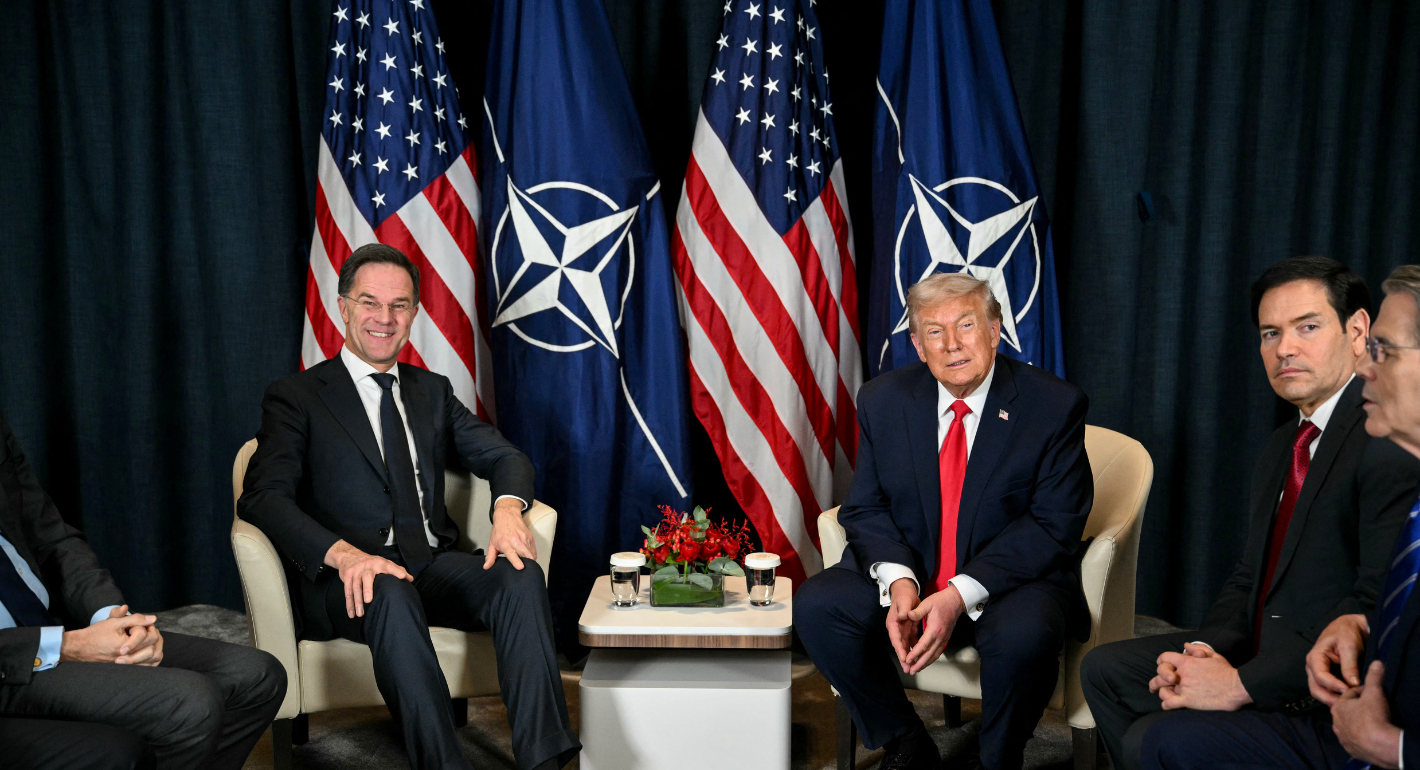
Donald Trump has demanded that European allies send ships to the Strait of Hormuz while his war of choice in Iran rages on. He has constantly berated NATO while the alliance’s secretary-general has emphatically supported him.

Rym Momtaz, ed.
The war in Iran proves the United States is now a destabilizing actor for Europe and the Arab Gulf. From protect their economies and energy supplies to safeguarding their territorial integrity, both regions have much to gain from forming a new kind of partnership together.
Rym Momtaz