

Article
For ninety years, Turkey has been positioned as the principal gatekeeper of Black Sea security. As a result, European and NATO efforts to support Ukraine will require closer engagement with Ankara.
Thomas de Waal
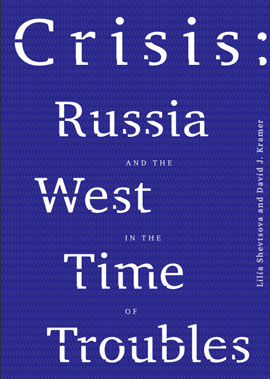
Today, the two predominant political and social models—authoritarianism and liberal democracy—are experiencing simultaneous crises.
Source: Carnegie Moscow Center
This book is a collection of polemical articles published mostly in 2011-2013 in the American Interest, Journal of Democracy, Current History, Diplomaatia, and Yezhednevny Zhurnal. Some of the articles were co-authored with David J. Kramer, the president of Freedom House.The articles reflect on Russia’s current trajectory, its relations with the West, Western thinking about Russian civilization, modern authoritarianism and its Russian and Chinese incarnations, and the use of foreign policy for the preservation of authoritarian regimes. These reflections introduce a broader and more dramatic theme: crisis, as it is experienced by an obsolescent political and social system, and as it is experienced by a system in need of rejuvenation. In essence, these essays present the reader with a snapshot of the historical period in which we live.
The drama inherent in this period lies in the fact that the two predominant political and social models—authoritarianism and liberal democracy—are experiencing simultaneous crises.
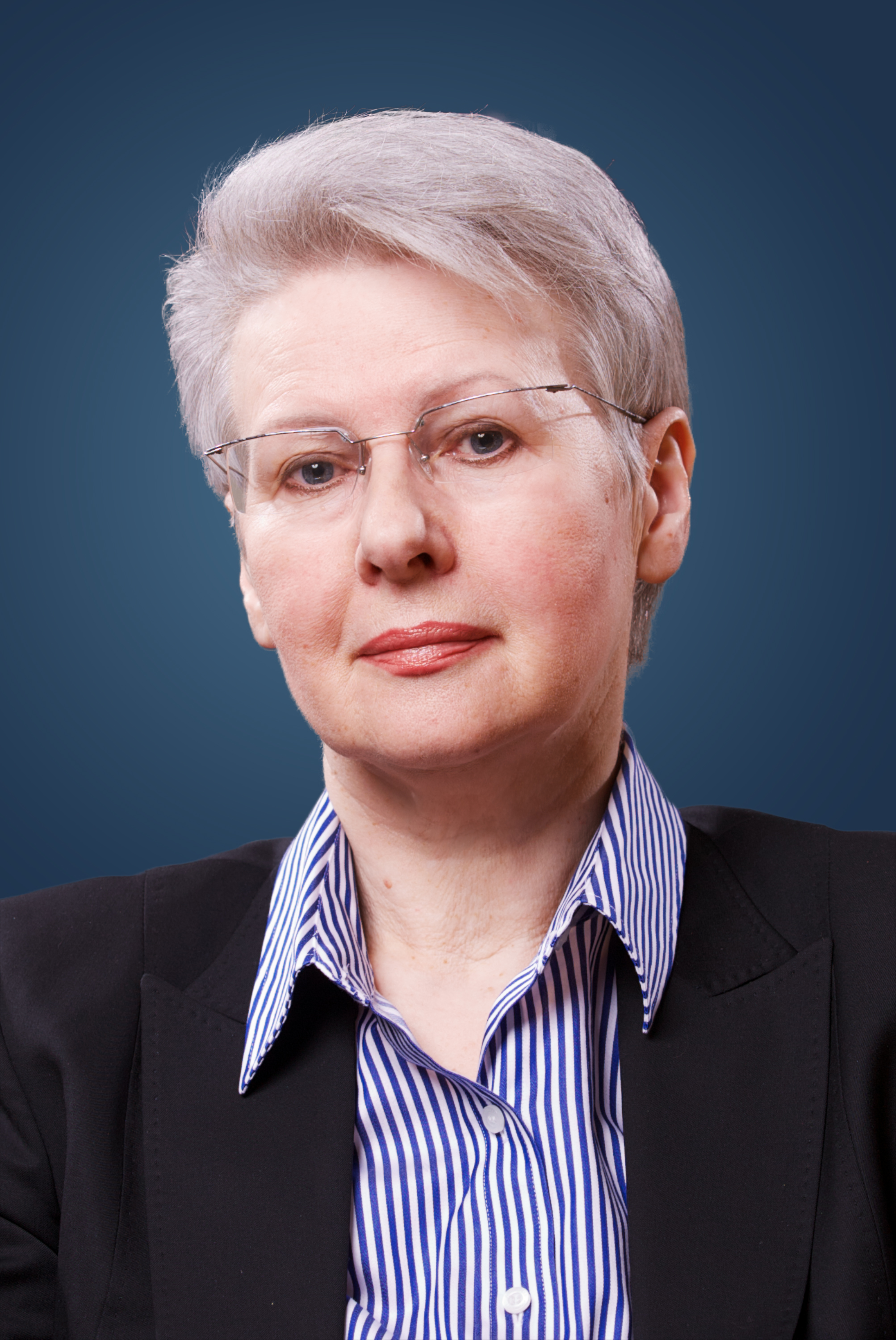
Former Senior Associate, Russian Domestic Politics and Political Institutions Program, Moscow Center
Shevtsova chaired the Russian Domestic Politics and Political Institutions Program at the Carnegie Moscow Center, dividing her time between Carnegie’s offices in Washington, DC, and Moscow. She had been with Carnegie since 1995.
David J. Kramer
David J. Kramer served as assistant aecretary of state for democracy, human rights and labor in the George W. Bush administration and is director of European & Eurasian Studies at Florida International University’s Steven J. Green School of International and Public Affairs.
Carnegie does not take institutional positions on public policy issues; the views represented herein are those of the author(s) and do not necessarily reflect the views of Carnegie, its staff, or its trustees.
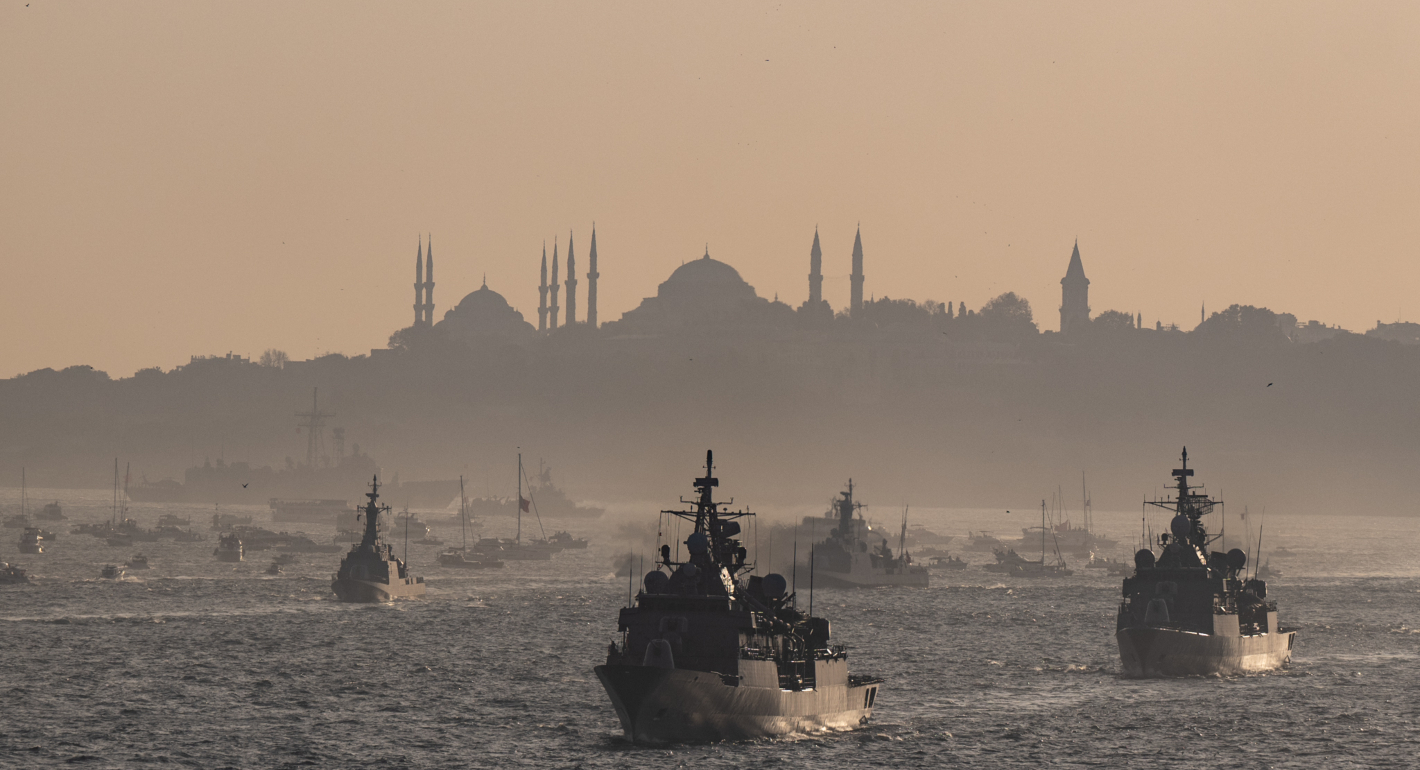
For ninety years, Turkey has been positioned as the principal gatekeeper of Black Sea security. As a result, European and NATO efforts to support Ukraine will require closer engagement with Ankara.

Thomas de Waal
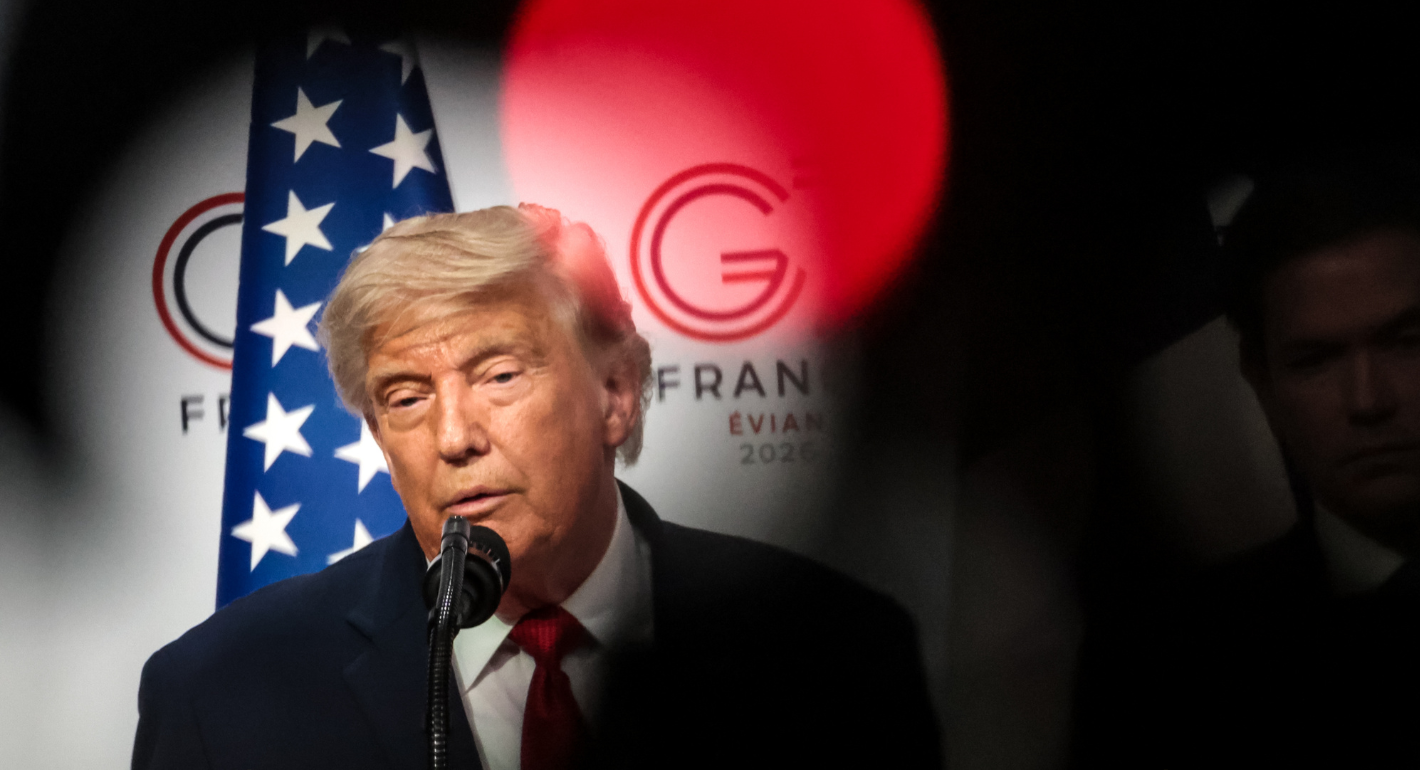
There is an elephant in the room when it comes to the EU’s upcoming security strategy: Donald Trump. Unless European leaders acknowledge the depth of the transatlantic crisis, true autonomy will remain out of reach.

Stefan Lehne

When the U.S.-Iran memorandum of understanding was announced, the UK, France, Germany, and Italy declared their readiness to help demine the Strait of Hormuz and lift nuclear sanctions on Tehran. But does Europe need new tools to recover a diplomatic role?

Rym Momtaz, ed.

As geopolitical rivalry weaponizes global supply chains, the EU’s true vulnerability lies in emerging-risk imports. For these goods, suppliers are growing more concentrated, substitution more difficult, and political risk is looming.

Sinan Ülgen
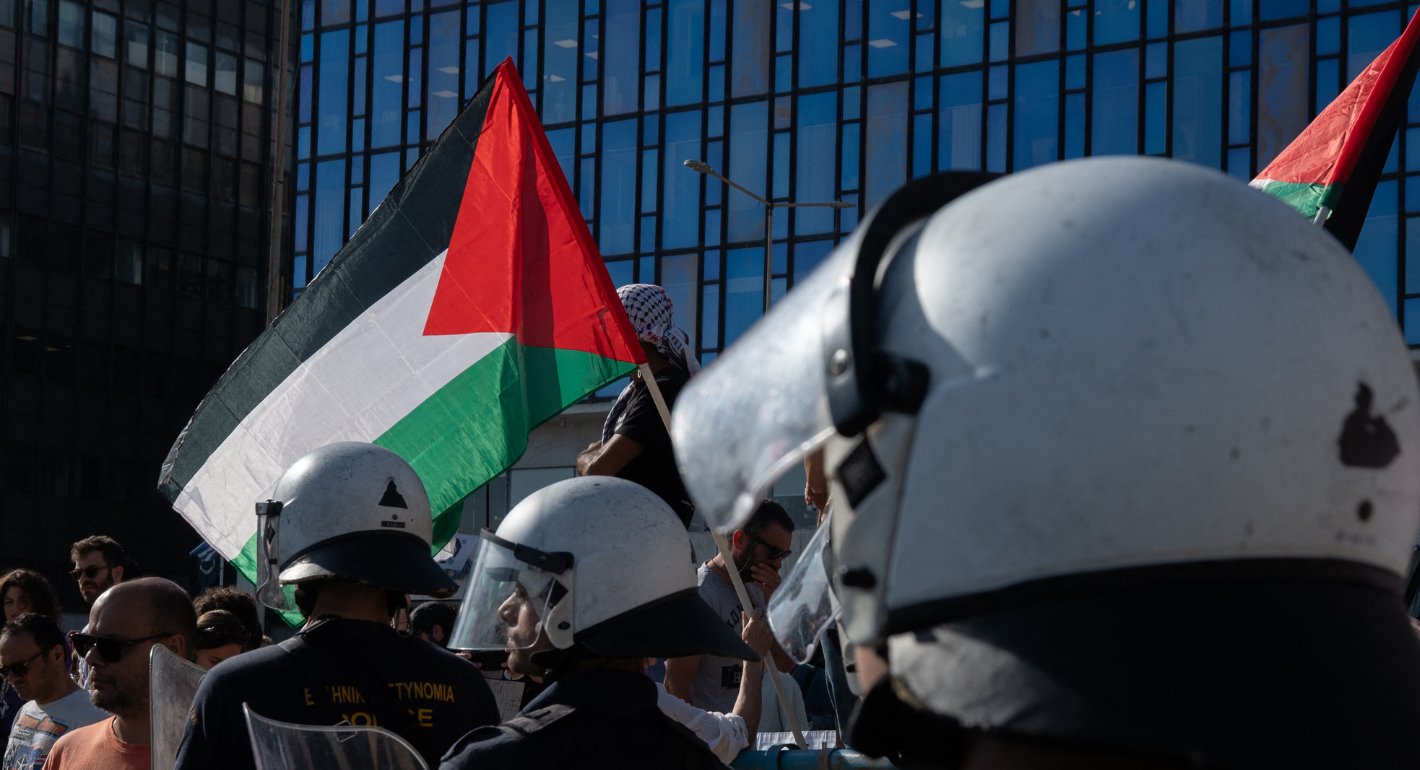
The battle over free speech has taken center stage since U.S. Vice President JD Vance accused Europe of censorship. From travel bans to social media regulation, especially around the Israel-Palestine conflict, are liberal democratic governments weaponizing free speech?
Rym Momtaz, ed.