

Commentary
The EU’s new migration policy is not suited to today’s realities. With climate change increasingly becoming a driver of displacement, Europe needs to rethink its deterrence-focused approach.
Shana Tabak
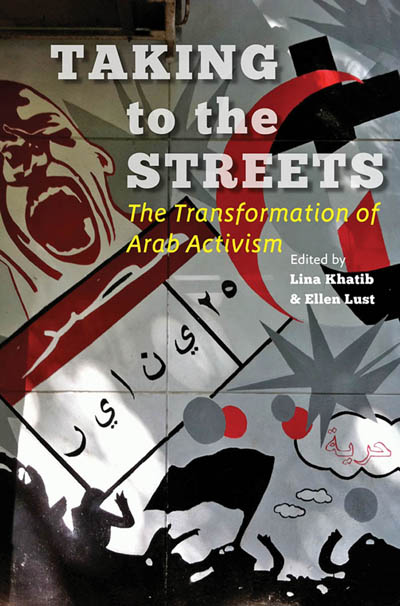
A critical look at the dynamics of activism in the Arab world since the Arab uprisings of 2011 and the interplay between the domestic and regional contexts in different Arab countries.
Source: Johns Hopkins University Press
Taking to the Streets critically examines the conventional wisdom that the 2011 Arab Spring uprisings happened spontaneously and were directed by tech-savvy young revolutionaries. Pairing first-hand observations from activists with the critical perspectives of scholars, the book illuminates the concept of activism as an ongoing process, rather than a sudden burst of defiance. The contributors examine case studies from uprisings in Tunisia, Egypt, Libya, Yemen, Syria, Bahrain, Morocco, Jordan, Kuwait, and Saudi Arabia, evaluating the various manifestations of political activism within the context of each country's distinct sociopolitical landscape. The chapters include a country-specific timeline of the first year following the uprisings and conclude with lessons learned. First-hand observations include those of Libyan activist Rihab Elhaj, who reflects on how the revolution gave birth to Libyan civil society, as well as Syrian writer and human rights activist Khawla Dunia, who discusses how Syrians have tried to remain steadfast in their commitment to nonviolent resistance.A foreword by Prince Hicham Ben Abdallah El Alaoui—third in succession to the Moroccan throne and consulting professor at Stanford University's Center on Democracy, Development, and the Rule of Law (CDDRL)—provides a historical overview of activism in the Middle East and North Africa. A postscript from CDDRL director Larry Diamond distinguishes the study of activism from that of democratization.
Taking to the Streets will be used in courses on Middle East politics and will be relevant to scholars and the general public interested in democratization, political change, and activism.
“The co-editors have compiled a magnificent set of authors. The chapters capture rich descriptive accounts of events that illuminate the political realities surrounding the events of the Arab Spring.”
— Amaney A. Jamal, Princeton University
Former Director, Middle East Center
Khatib was director of the Carnegie Middle East Center in Beirut. Previously, she was the co-founding head of the Program on Arab Reform and Democracy at Stanford University’s Center on Democracy, Development, and the Rule of Law.
Ellen Lust
Carnegie does not take institutional positions on public policy issues; the views represented herein are those of the author(s) and do not necessarily reflect the views of Carnegie, its staff, or its trustees.

The EU’s new migration policy is not suited to today’s realities. With climate change increasingly becoming a driver of displacement, Europe needs to rethink its deterrence-focused approach.

Shana Tabak
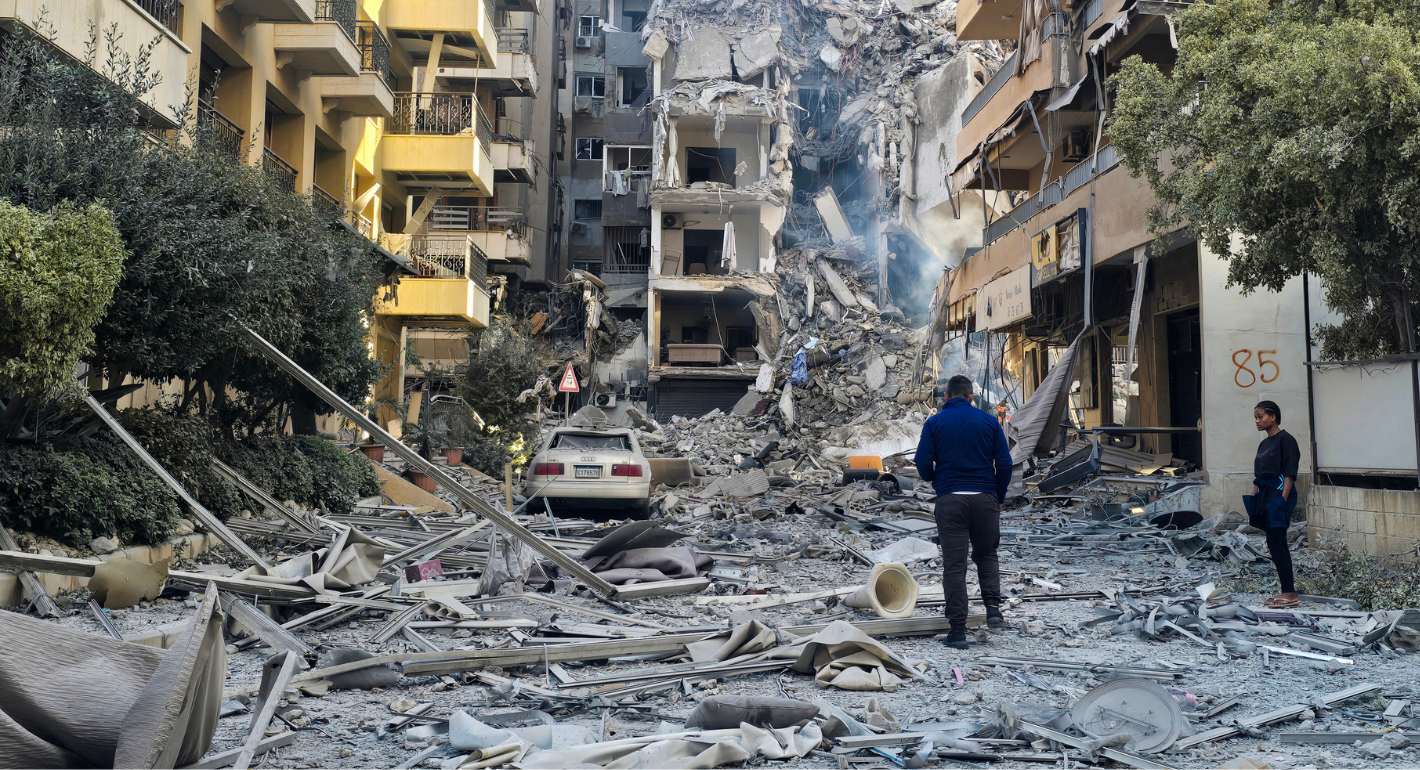
Europe seems to have accepted its sidelining in the Middle East. The EU must reassert its support for the international rules-based order and step up engagement.

Rym Momtaz

Preparing candidate countries for EU membership is no longer enough. As the enlargement process becomes a reality, the union must also prepare its own societies.

Iliriana Gjoni

The U.S.-Iran war has crossed a dangerous threshold: water infrastructure in the Gulf is now a target. Ecological statecraft is no longer peripheral to security, it's part of its foundations.


Olivia Lazard, Ali Bin Shahid
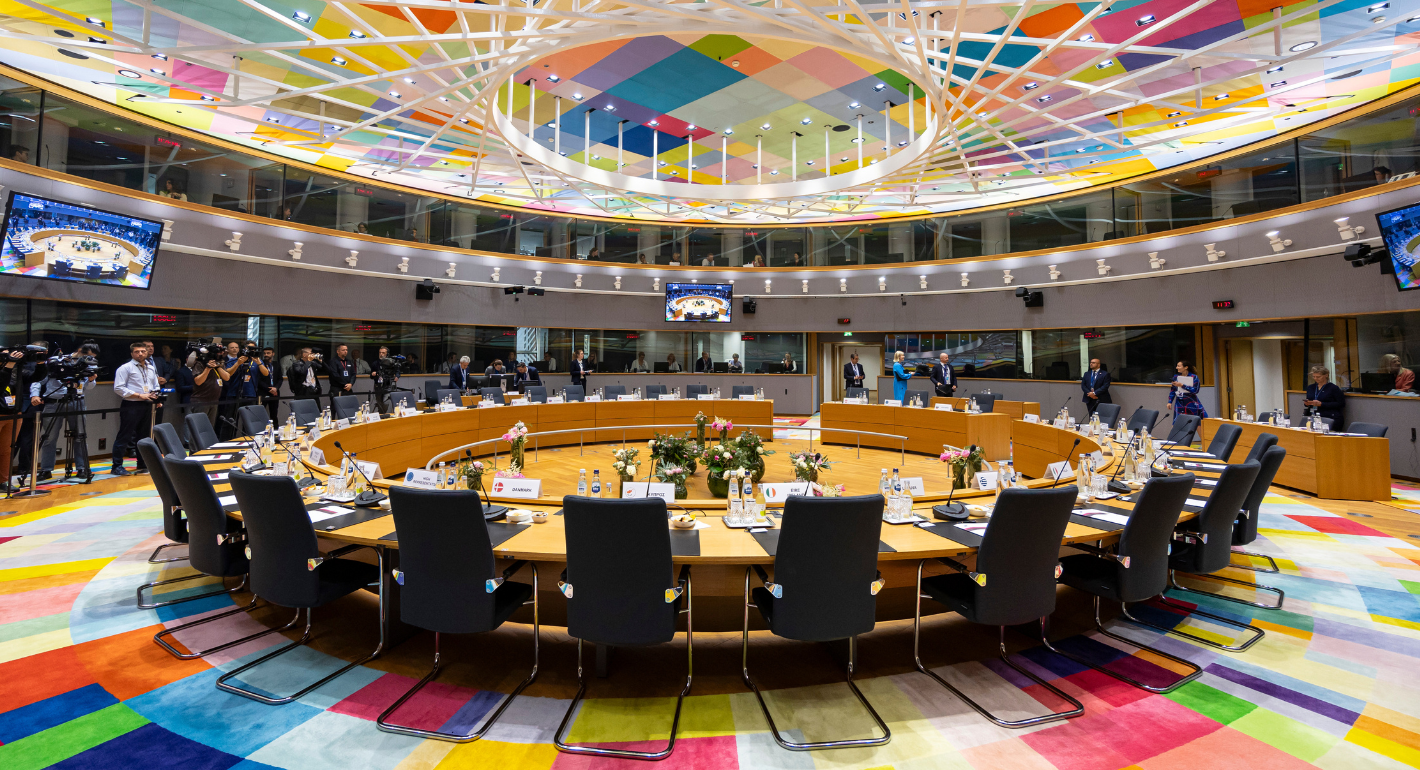
Countries face several hurdles in joining the EU, including the final stage of ratifying their accession treaties. Procedural reforms and substantive adjustments could help move the process forward.

Stefan Lehne