

Article
Countries face several hurdles in joining the EU, including the final stage of ratifying their accession treaties. Procedural reforms and substantive adjustments could help move the process forward.
Stefan Lehne
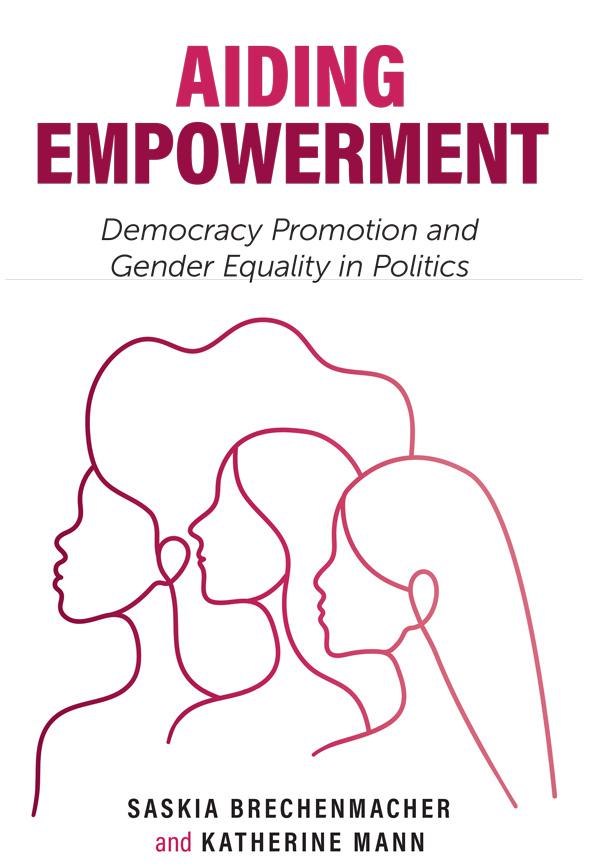
International assistance for women’s political empowerment has evolved significantly over the last three decades, from a first generation of aid programs aimed at integrating women into nascent democratic institutions to a second generation focused on transforming the broader political ecosystem.
Source: Oxford University Press
In recent decades, women’s political empowerment has become an important foreign policy and assistance objective. Every year, donor governments and multilateral organizations partner with hundreds of civil society groups around the world to train women to run for office, support women legislators, campaign for gender quotas, and bolster women’s networks in political parties and parliaments.
What ideas about gender, power, and political change guide these aid programs? What have practitioners and advocates learned about their strengths and weaknesses, and how might they improve their work going forward?
Drawing on extensive interviews with aid officials, women’s rights advocates, and women politicians in Western donor countries and across Kenya, Morocco, Myanmar, and Nepal, Aiding Empowerment investigates how democracy aid actors promote gender equality in politics. Saskia Brechenmacher and Katherine Mann argue that international assistance for women’s political empowerment has evolved significantly over the last three decades, from a first generation of aid programs aimed at integrating women into nascent democratic institutions to a second generation focused on transforming the broader political ecosystem hindering women’s equal political influence. However, this evolution is still unfolding, and changes in thinking have outstripped changes in aid practice. Several challenges threaten future progress, from the persistence of patriarchal norms to rising concerns about democratic erosion and backlash. In the face of these hurdles, the book presents practical recommendations for policymakers, practitioners, and advocates fighting for women’s political empowerment globally.

Senior Fellow, Democracy, Conflict, and Governance Program
Saskia Brechenmacher is a senior fellow in Carnegie’s Democracy, Conflict, and Governance Program, where her research focuses on democratic erosion, gender, and civic activism in the United States and globally. She also serves on the board of the International Center for Not-for-Profit Law.

Katherine Mann
Former PhD Candidate and Cambridge Trust Scholar, University of Cambridge
Katherine Mann is a PhD candidate and Cambridge Trust Scholar at the University of Cambridge. Her research examines the role of gender in conflict, armed group dynamics, and conflict-related sexual and reproductive violence.
Carnegie does not take institutional positions on public policy issues; the views represented herein are those of the author(s) and do not necessarily reflect the views of Carnegie, its staff, or its trustees.
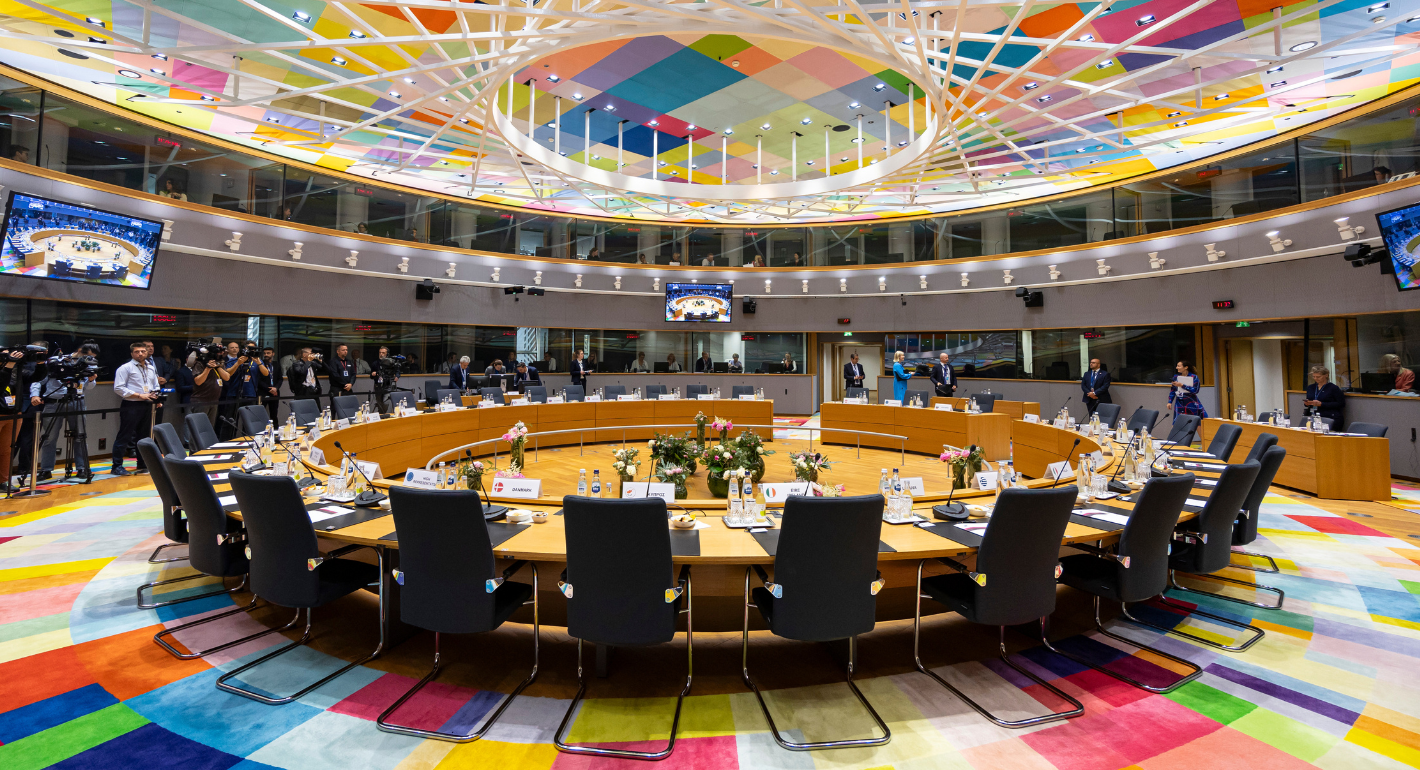
Countries face several hurdles in joining the EU, including the final stage of ratifying their accession treaties. Procedural reforms and substantive adjustments could help move the process forward.

Stefan Lehne
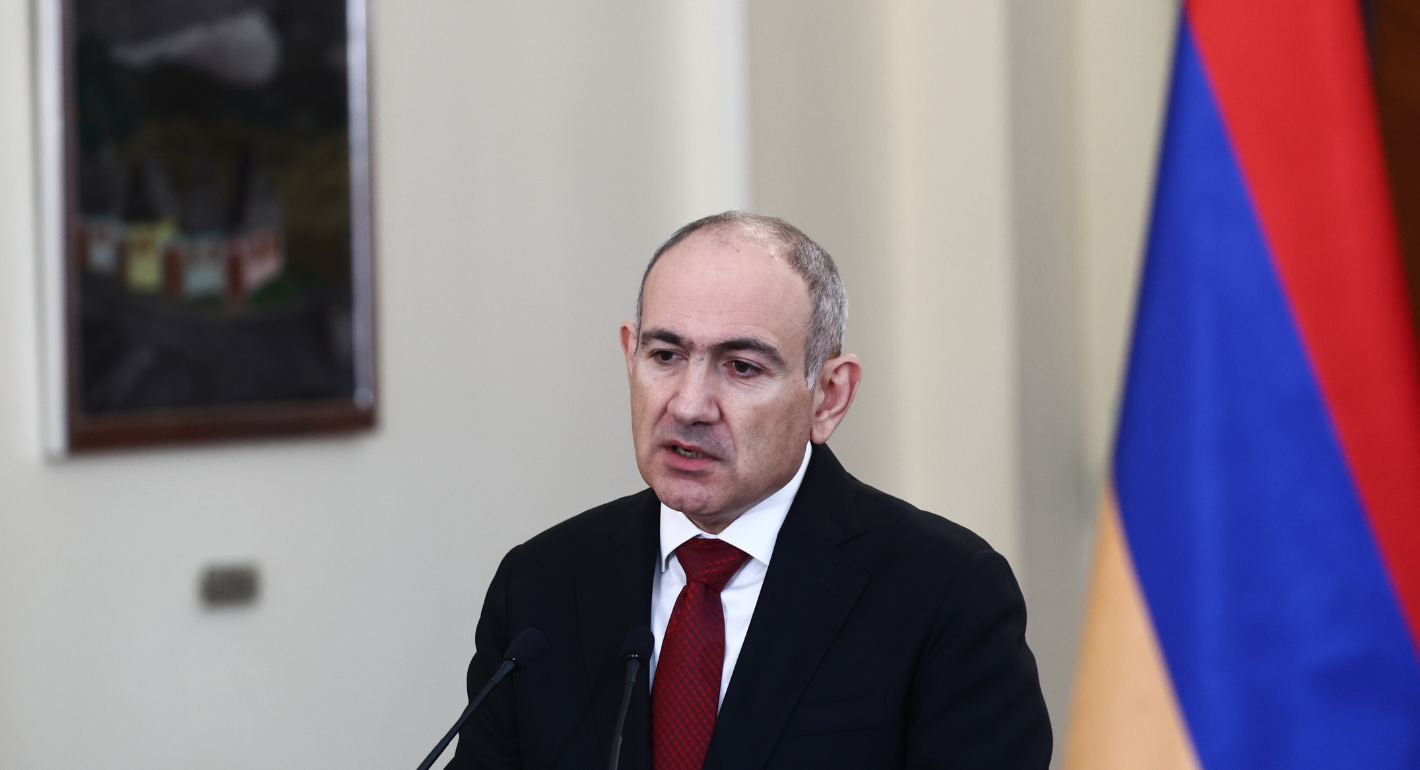
Europe has an interest in supporting Armenian leader Nikol Pashinyan as he tries to make peace with neighbors and loosen ties with Russia. But it is depersonalized support in the long term, not quickfire flash, that will win the day.

Thomas de Waal
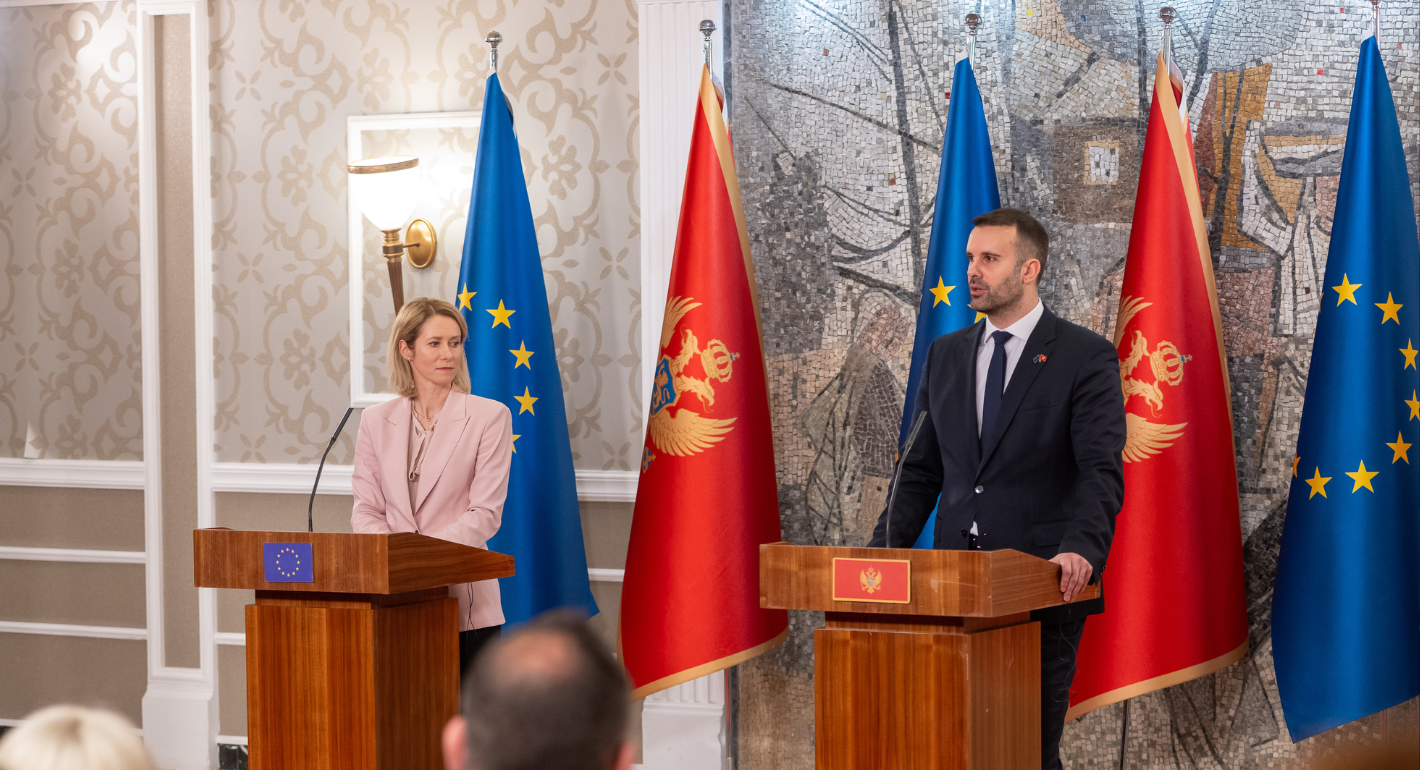
Montenegro and Albania are frontrunners for EU enlargement in the Western Balkans, but they can’t just sit back and wait. To meet their 2030 accession ambitions, they must make a strong positive case.


Dimitar Bechev, Iliriana Gjoni
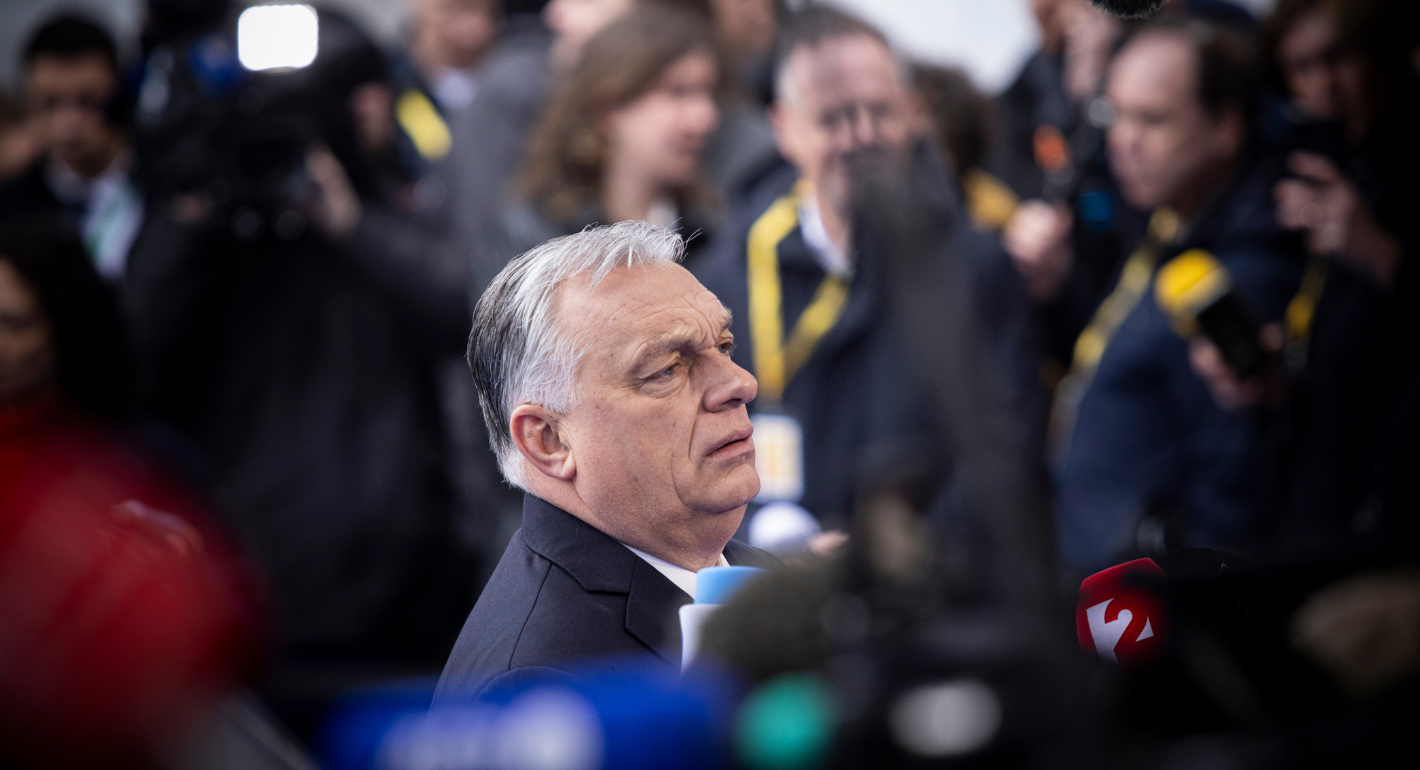
Hungarians head to the polls on April 12 for an election of national and European consequence. Three different outcomes are on the cards, each with their own implications for the EU.
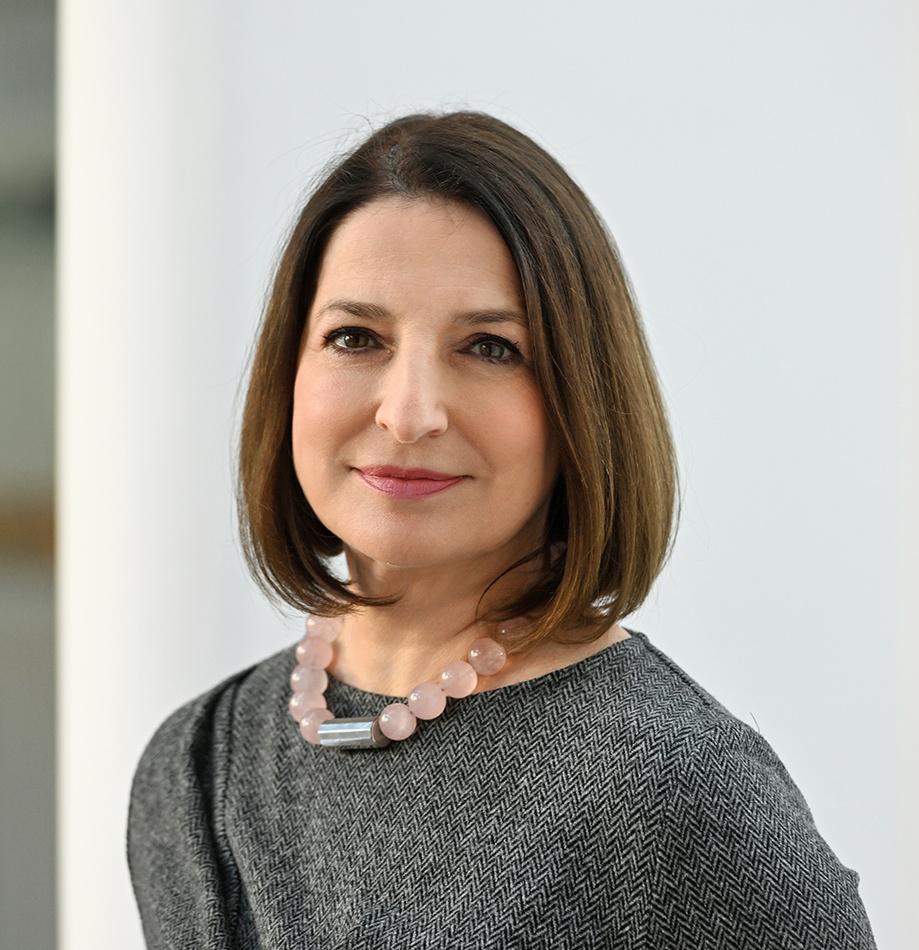
Zsuzsanna Szelényi
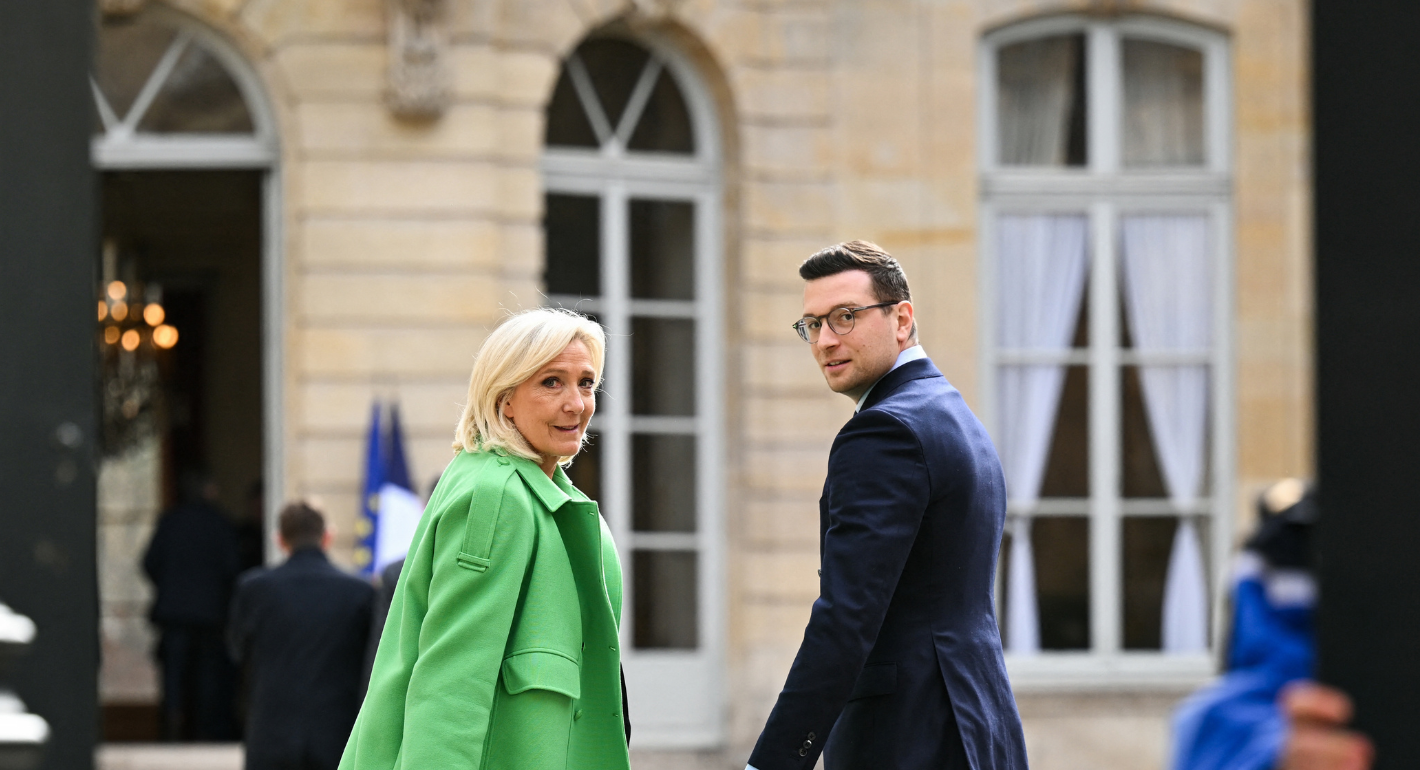
The far right failed to win big in France’s municipal elections. But that’s not good news for the country’s left wing, which remained disunited while the broader right consolidated its momentum ahead of the 2027 presidential race.

Catherine Fieschi