
• Research
  • Strategic Europe
  • About
  • Experts
Carnegie Europe logoCarnegie lettermark logo
EUUkraine
  • Donate
Affective Polarization and Democratic Backsliding
Research

Affective Polarization and Democratic Backsliding

Evidence is strong that affective polarization and democratic backsliding are interlinked phenomena.

Link Copied
By Jennifer McCoy and Murat Somer
Published on Oct 26, 2024
Read the Publication

About the Authors

Jennifer McCoy

Nonresident Scholar, Democracy, Conflict, and Governance Program

Jennifer McCoy is a nonresident scholar in the Democracy, Conflict, and Governance Program, where she focuses on political polarization and democratic resilience in the U.S. and around the world.

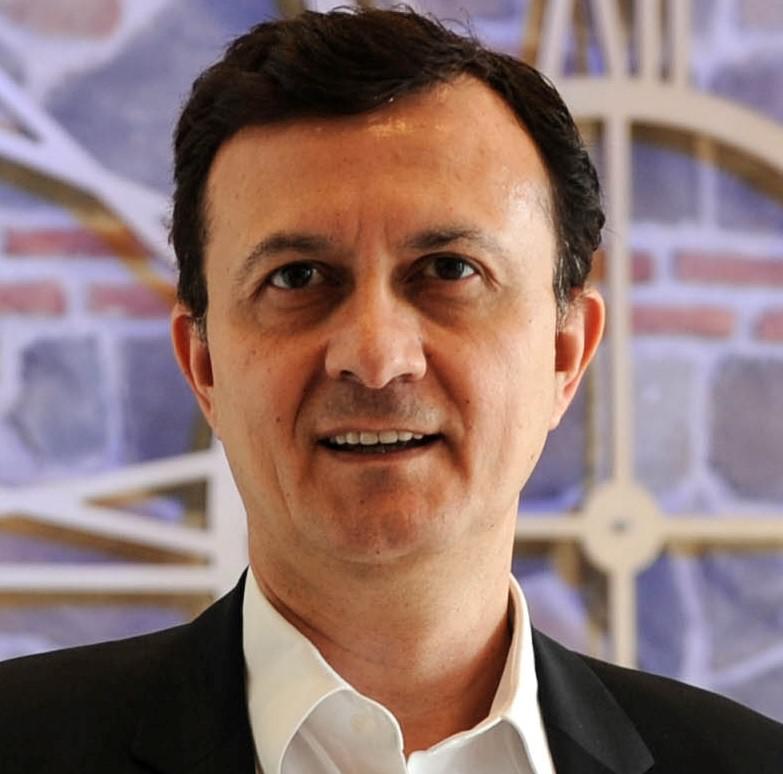
Murat Somer

Murat Somer is a professor of political science at Koç University in Istanbul and an expert on political polarization, religious and secular politics, ethnic conflict, autocratization, and democratization in Turkey and around the world.

Authors

Jennifer McCoy
Nonresident Scholar, Democracy, Conflict, and Governance Program
Jennifer McCoy
Murat Somer

Murat Somer is a professor of political science at Koç University in Istanbul and an expert on political polarization, religious and secular politics, ethnic conflict, autocratization, and democratization in Turkey and around the world.

Murat Somer
Democracy

Carnegie does not take institutional positions on public policy issues; the views represented herein are those of the author(s) and do not necessarily reflect the views of Carnegie, its staff, or its trustees.

More Work from Carnegie Europe

  • Commentary
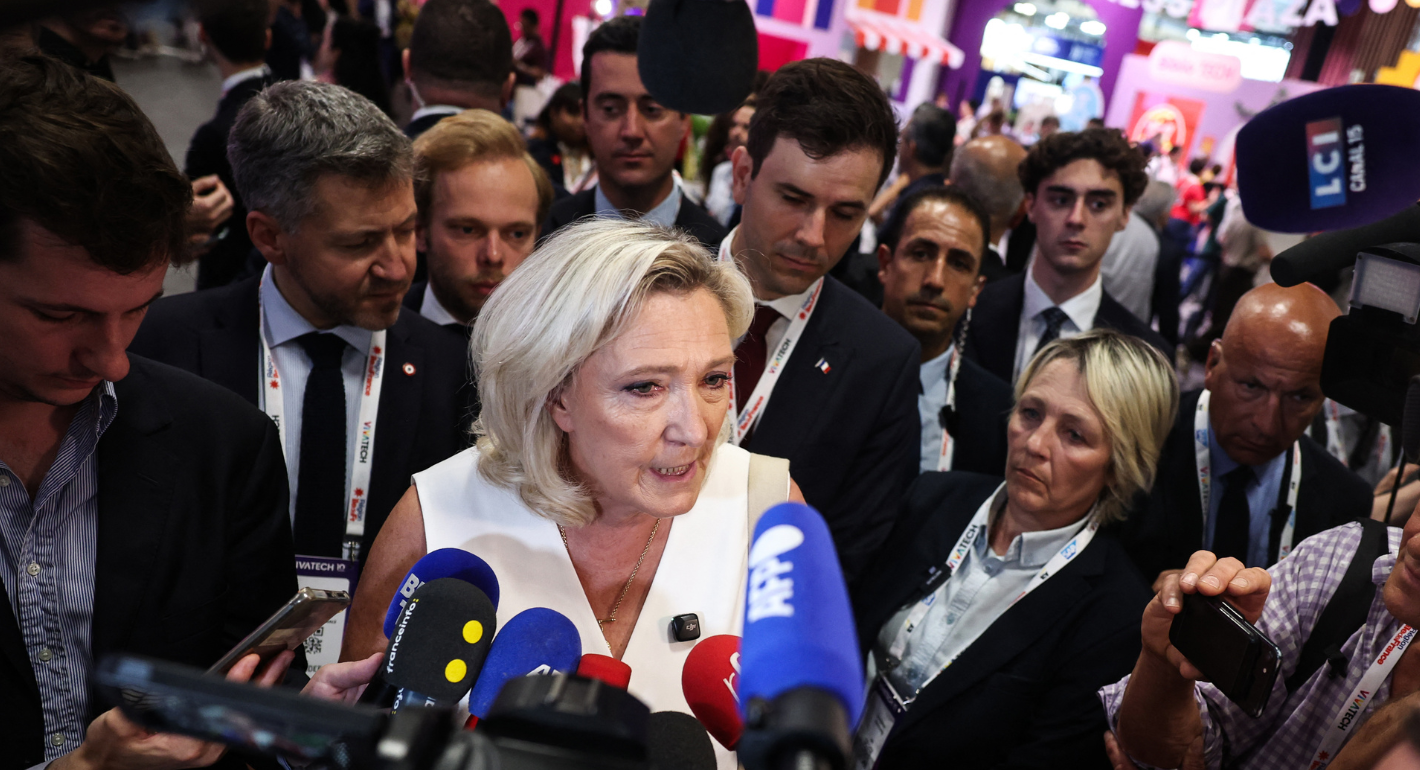
    Is the Radical-Right Threat Existential or Overstated?

    Amid increased polarization and the influence of disinformation, radical-right parties are once again gaining traction across Europe. With landmark elections on the horizon in several countries, are the EU’s geostrategic vision and fundamental values under existential threat?

      Catherine Fieschi, Cas Mudde

  • Commentary
    Strategic Europe
    The EU Needs a Third Way in Iran

    European reactions to the war in Iran have lost sight of wider political dynamics. The EU must position itself for the next phase of the crisis without giving up on its principles.

      Richard Youngs

  • Research
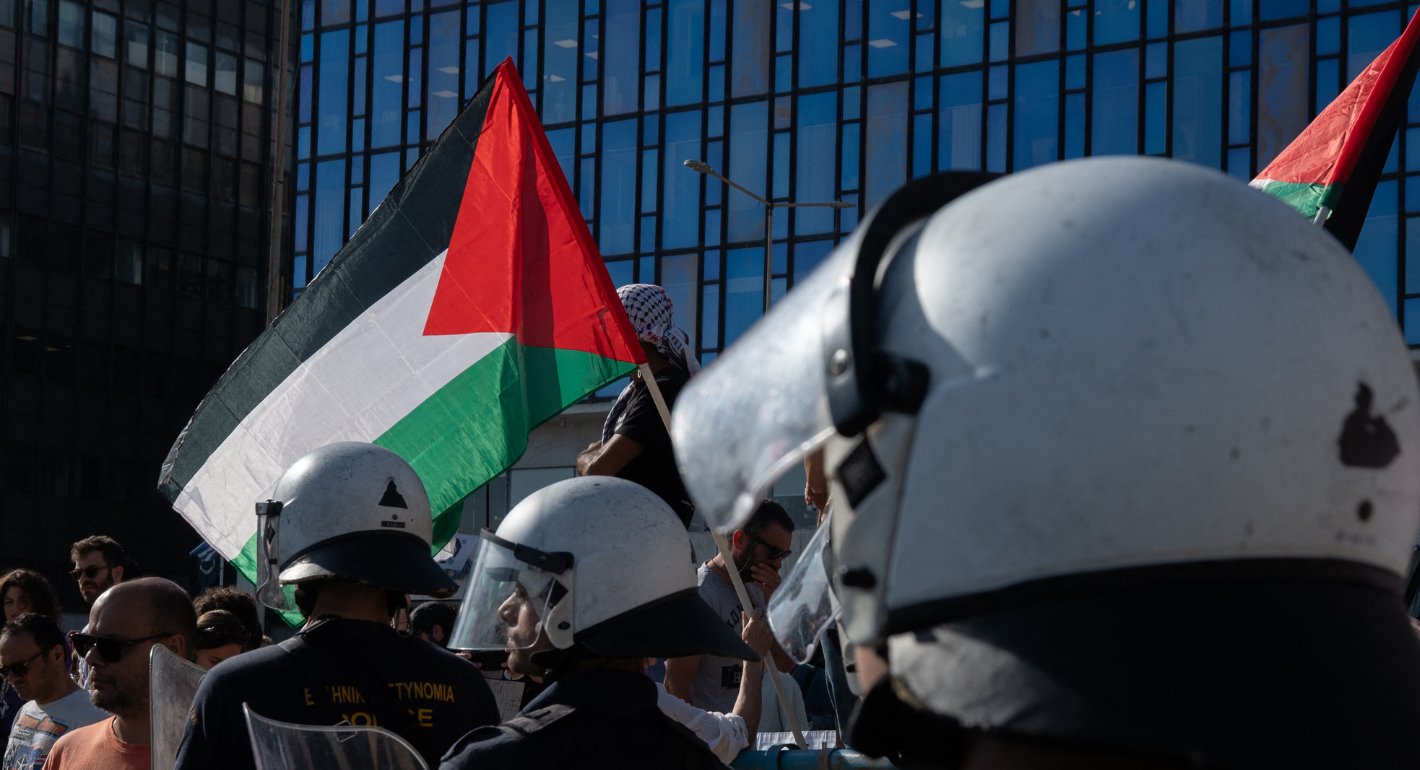
    New Approaches to Defending Global Civil Society

    New thinking is needed on how global civil society can be protected. In an era of major-power rivalry, competitive geopolitics, and security primacy, civil society is in danger of getting squeezed – in some countries, almost entirely out of existence.

      Richard Youngs, ed., Elene Panchulidze, ed.

  • Commentary
    Strategic Europe
    How Europe Can Survive the AI Labor Transition

    Integrating AI into the workplace will increase job insecurity, fundamentally reshaping labor markets. To anticipate and manage this transition, the EU must build public trust, provide training infrastructures, and establish social protections.

      Amanda Coakley

  • EU democracy support policies
    Paper
    European Democracy Support Annual Review 2025

    European democracy support strategy in 2025 prioritized protecting democratic norms within Europe. This signals the start of a structural recalibration of the EU’s approach to democracy support.

      • Elena-Viudes-Egea
      • +6

      Richard Youngs, ed., Elena Viudes Egea, Zselyke Csaky, …

Get more news and analysis from
Carnegie Europe
Carnegie Europe logo, white
Rue du Congrès, 151000 Brussels, Belgium
  • Research
  • Strategic Europe
  • About
  • Experts
  • Projects
  • Events
  • Contact
  • Careers
  • Privacy
  • For Media
  • Gender Equality Plan
Get more news and analysis from
Carnegie Europe
© 2026 Carnegie Endowment for International Peace. All rights reserved.