

Commentary
Nathalie Tocci, Jan Techau
{
  "authors": [
    "Jan Techau"
  ],
  "type": "commentary",
  "blog": "Strategic Europe",
  "centerAffiliationAll": "",
  "centers": [
    "Carnegie Endowment for International Peace",
    "Carnegie Europe"
  ],
  "collections": [],
  "englishNewsletterAll": "",
  "nonEnglishNewsletterAll": "",
  "primaryCenter": "Carnegie Europe",
  "programAffiliation": "",
  "programs": [],
  "projects": [],
  "regions": [
    "Europe"
  ],
  "topics": [
    "Climate Change",
    "EU"
  ]
}
Source: Getty
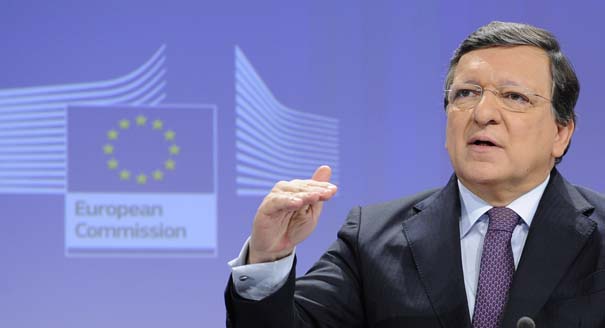
European Commission President Barroso’s appearance at the ESPAS conference revealed how the economic crisis is blinkering Brussels’ strategic thinking.
It was a small occasion, but it could not have been more revealing.
Yesterday, European Commission President José Manuel Barroso opened the European Strategy and Policy Analysis System (ESPAS) conference in Brussels. Hosted by the Bureau of European Policy Advisors, the Commission’s in-house think tank, the ESPAS project is a worthy undertaking. Through the scenarios it builds, it attempts to provide the EU with a strategic foresight tool similar to those employed by various intelligence and defense agencies in the United States. Its flagship product, the Global Trends 2030 report, outlines the long-term developments that will likely shape international politics over the next two decades or so. The project’s explicit goal is to “develop strategic thinking” in the EU, a place usually better known for its short-breathed management of “events, dear boy, events.” The project is unusual in that it makes all EU institutions stakeholders in the process, which certainly doesn’t make the internal workings any easier. Apparently, the internal bureaucratic politics of ESPAS are pretty fierce.
So Barroso came, opened the day’s deliberations with a speech, and even stayed for a brief Q&A session with the audience. Unfortunately, the Commission president was not in the mood for strategy. In his speech he offered two main objectives for EU policy over the next few years: balancing budgets and implementing economic reforms to increase competitiveness in Europe. Both are, no doubt, important goals—and very difficult to achieve. But they are hardly the stuff that an audience from around the globe expects to hear from the head of the Commission at a conference dedicated to global strategy. Both goals, while having acquired additional relevance through the EU’s protracted economic crisis, come from the Lisbon Strategy of 2000. On this occasion, they just sounded stale, as if to prove that no new thoughts are to be had in Brussels these days. A fellow think tanker sitting next to me leaned over and said: “That’s incredibly domestic, isn’t it?” I nodded, but it got even worse.
In the Q&A session, a senior Chinese analyst asked Barroso to single out the most important challenge for the EU in the coming years. Barroso, to his credit, did not dodge the question. But his answer says everything about the level of ambition and the mode of thinking in leading EU policy circles today. Barroso’s answer was: “We have to work hard so that Europe can keep its basic model—what is called the European social model—in the age of globalization.”
My think tank friend and I sighed simultaneously. I leaned over to him and said: “It’s not only domestic; it’s all about preserving the old, about not creating anything new.” Robin Niblett, director of Chatham House, who was also in the room, immediately tweeted: “Barroso top priority is to ensure Europe ‘can retain its model of a social market economy in this era of gloablisation’—defensive role?” Yes, defensive role. But worse than that, not even the language of the future. Just the stale old stuff that energizes no one. The Chinese scholar will certainly have taken note.
To be sure, this is not about slamming the Commission president. Far from it. In a marked contrast to Catherine Ashton, the EU’s foreign policy chief and head of the European External Action Service, Barroso at least showed up, spoke and even took some questions. Between consultations at the European Parliament and a meeting with the prime minister of Mali, he cared enough about the issues to find 30 minutes in his agenda. That not only scored him points with the strategy community, but also made for smart bureaucratic politics in the internal haggling over project ownership.
The key point here is that Barroso very likely gave an accurate description of current European strategic thinking: survival mode, clinging on to what we have, inward-looking perspective, fearful of the future, perceiving globalization as a threat, and oblivious to the political signals it is sending out to international audiences. And all of this showed at a conference deliberately designed to open the horizons to a more proactive embrace of the strange new world we are all heading for.
The conclusion is clear: forget strategy for a moment. The crisis has clearly worked itself too deeply into our heads—much deeper than we are aware of. It has evolved from a political problem into a psychological predisposition. It sucks the air out of all big thinking and has turned political leaders into timid administrators of malaise. Traditionally, EU folks have little appetite for strategy, even under normal circumstances. Now, it’s worse. Before we can even get to strategy and embrace a project like ESPAS, we must first get rid of the mental blockade that prevents us from looking forward. It’s therapy before strategy for the EU. All we can hope for is that it does not take too long.

Director, Europe Team, Eurasia Group
Techau is director with Eurasia Group's Europe team, covering Germany and European security from Berlin. Previously, he was director of Carnegie Europe.
Recent Work

Nathalie Tocci, Jan Techau
Jan Techau
Carnegie does not take institutional positions on public policy issues; the views represented herein are those of the author(s) and do not necessarily reflect the views of Carnegie, its staff, or its trustees.
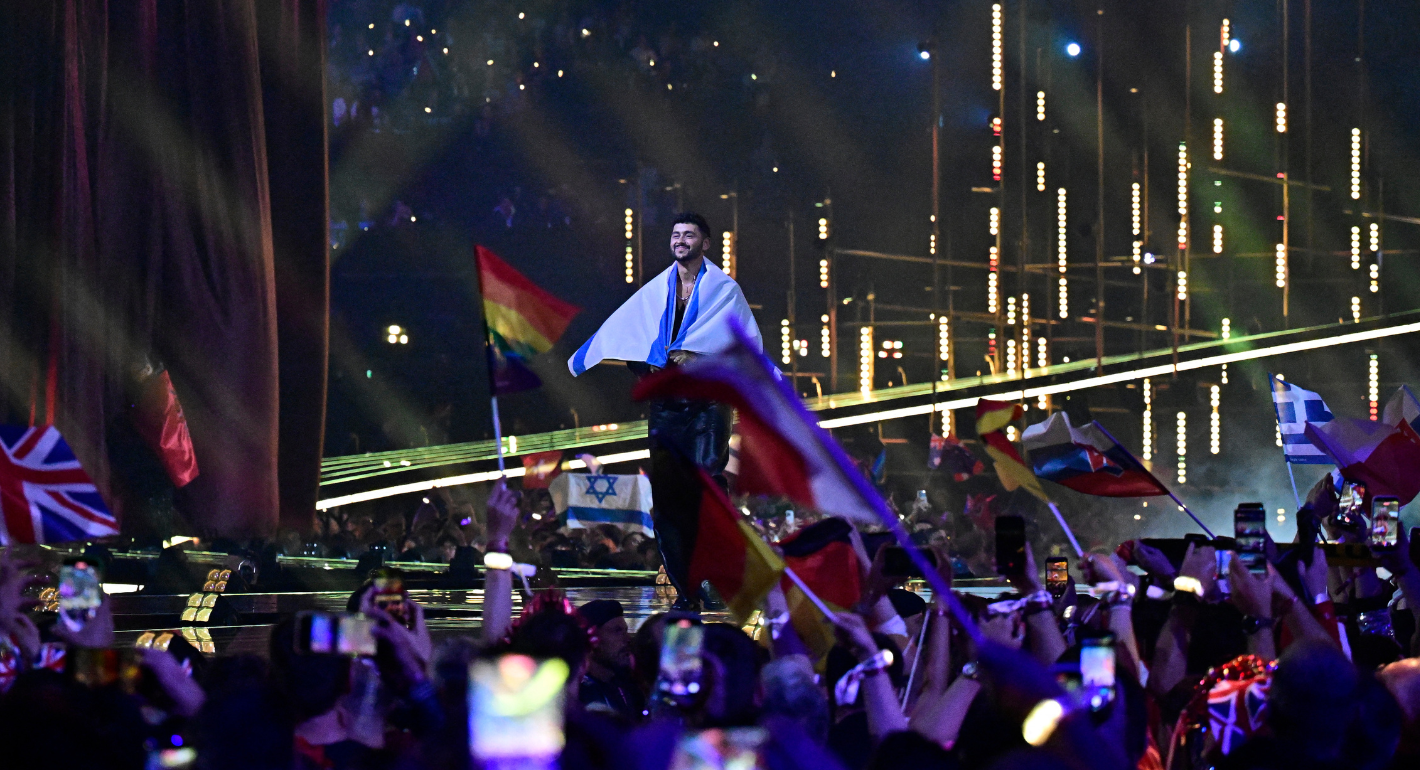
Five countries staged the biggest political boycott in Eurovision history over Israel’s participation. With the FIFA World Cup and other sporting or cultural touchstones on the horizon, are boycotts effective?

Rym Momtaz, ed.
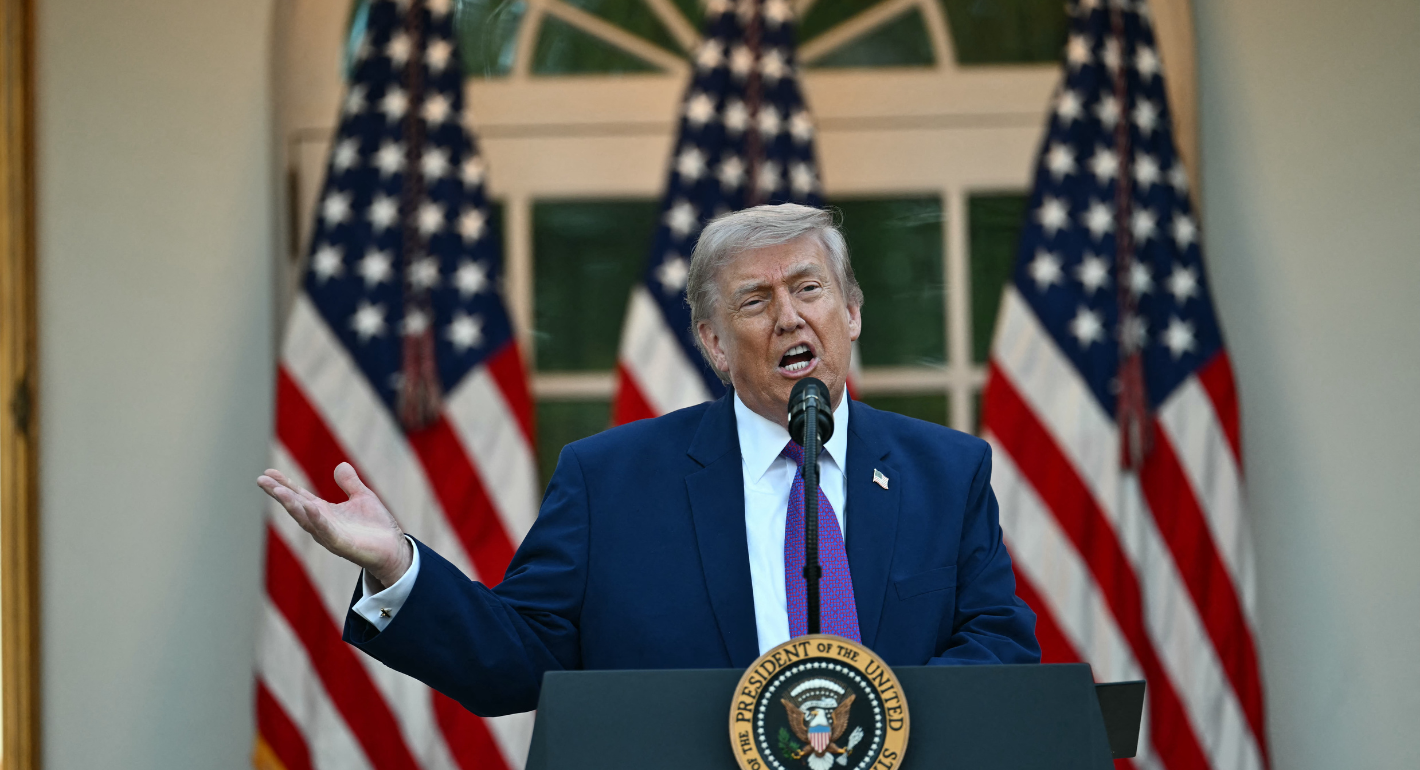
The full list of humiliations Europe has endured since Donald Trump returned to the White House makes for grim reading. But Washington’s adversarial approach to its allies undermines its own power base.
Rym Momtaz

The closure of the Strait of Hormuz has triggered a global energy crisis, but Europe is stuck in reaction mode. Without more strategic foresight, the EU will remain dependent on fossil fuels and will never be truly secure.


Milo McBride, Pauline Gerard
After spending much of 2025 trying to placate Donald Trump, some European leaders are starting to change posture. But is even a hostile Washington still so important to Europe that the U.S. president’s outbursts are worth putting up with?
Rym Momtaz, ed.
European leaders have now not only lost faith in Donald Trump’s U.S. presidency, but also in America’s hegemony as a whole. But short-term challenges make an immediate divorce unwise.
Rym Momtaz