

Commentary
Judy Dempsey
{
  "authors": [
    "Judy Dempsey"
  ],
  "type": "commentary",
  "blog": "Strategic Europe",
  "centerAffiliationAll": "",
  "centers": [
    "Carnegie Endowment for International Peace",
    "Carnegie Europe"
  ],
  "collections": [],
  "englishNewsletterAll": "",
  "nonEnglishNewsletterAll": "",
  "primaryCenter": "Carnegie Europe",
  "programAffiliation": "",
  "programs": [],
  "projects": [],
  "regions": [
    "Middle East",
    "North America"
  ],
  "topics": [
    "Security"
  ]
}
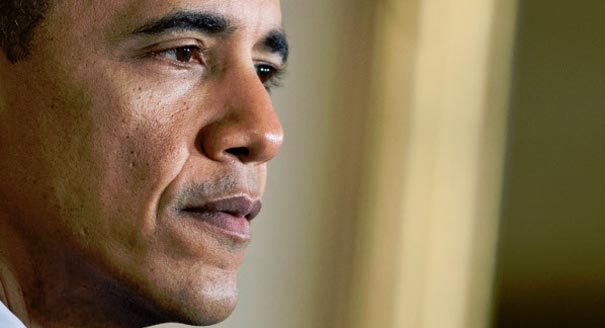
Source: Getty
Every week leading experts answer a new question from Judy Dempsey on the foreign and security policy challenges shaping Europe’s role in the world.
Every week leading experts answer a new question from Judy Dempsey on the foreign and security policy challenges shaping Europe’s role in the world.
U.S. President Barack Obama is far from a lame-duck president.
Such charges often arise when a politician is facing difficulties, and it is true that Obama has not been as adroit as he might have been on issues such as Syria. But if Syrian stocks of poison gas are put under international control, as was proposed this week, he will in fact gain in both influence and reputation.
And the reality is that the U.S. economy is improving, the nation’s overseas military involvements are being cut back, and the Republicans continue to self-destruct.
There is rough sledding ahead, but the president has more than enough political capital to deal with the problems he faces.
There is certainly a strong case for applying the label of “lame duck” to the situation in which President Obama finds himself—both domestically and internationally.
As for his foreign and defense policies, Obama is paralyzed and, as a consequence, ineffectual in carrying out his rather ambitious agenda. That is due to a combination of opposition at home and the general international political climate, which is currently not conducive to any significant breakthrough on conflicts such as Syria. Barring a major change, the president looks set to become more of a lame duck during the remainder of his second term.
However, Obama’s performance following the Syrian chemical-weapons attack of August 21 has nothing—or little—to do with the question of whether he is a lame duck. There is no doubt that much is at stake in his response to the use of chemical weapons by the Syrian regime. But that does not explain the almost amateurish decisionmaking process of the last two weeks. Irrespective of how Obama ends up responding to the crisis, his handling of it so far will haunt him for the rest of his presidency.
While he might not be a lame duck yet, President Obama could become one soon.
Tied up in knots, Obama is presiding over what might be the most significant change in Western foreign policy doctrine since the end of the Cold War. A strategic pause before pulling the trigger might not be a bad thing. Allowing time for reflection does not necessarily have to mean a total free-for-all the world over. It might even lead others to rethink their positions, as the Iranian President Hassan Rouhani seems to have done.
How this transition in foreign policy doctrine is handled depends on whether Obama will put his beliefs to good use. So far, he has been frightened to come out of the shadow of his predecessors. He now needs to put more trust in the power of human and societal transformation that he has argued passionately for in the past. He was at his most authentic two years ago, when he spoke about the aspirations of the Arab people, comparing their revolts with the U.S. struggle for independence.
Throwing his weight behind stabilization and reform in the Middle East and engaging in negotiations with Iran could still prove Obama right. He will be a lame duck if he does neither of those things—refusing to stand by his redlines and showing disinterest in the forces of change around the world that he once inspired.
It is still too soon to write President Obama off, but his mishandling of the Syrian situation is not a good sign.
That was the first real test for his new foreign policy team and the results are not encouraging. Although Obama is responsible for getting himself into the box he finds himself in, with his loose comments on redlines, his team has not handled the rationale or the follow-through well. The result is a potential fiasco.
Obama has decided to rely on those close to him, and this has created some dangerous blind spots. He has diverted his time and attention toward his domestic agenda and has sidelined more important foreign policy initiatives such as the Transatlantic Trade and Investment Partnership. He has also provided more ammunition for the Republican opposition and has demoralized and divided his own party.
Second terms are generally not kind to U.S. presidents. Ronald Reagan was substantially weakened after the Iran-Contra scandal, and George W. Bush was clearly a lame duck after Hurricane Katrina and the 2006 congressional elections. Neither president was able to produce major foreign policy or domestic successes in their final year.
Presidential second-term agendas tend to drift into foreign policy, given the president’s greater independence from Congress in that sphere. Obama’s room for maneuver on foreign policy has been restricted not only by his loss of credibility as a leader but also by the lack of a meaningful agenda with Russia, Europe’s continued navel-gazing, and the volatility of the Middle East.
In short, Obama may not be a lame duck yet but the prospects are not promising.

Nonresident Senior Fellow, Carnegie Europe
Judy Dempsey is a nonresident senior fellow at Carnegie Europe
Recent Work
Judy Dempsey
Judy Dempsey
Carnegie does not take institutional positions on public policy issues; the views represented herein are those of the author(s) and do not necessarily reflect the views of Carnegie, its staff, or its trustees.
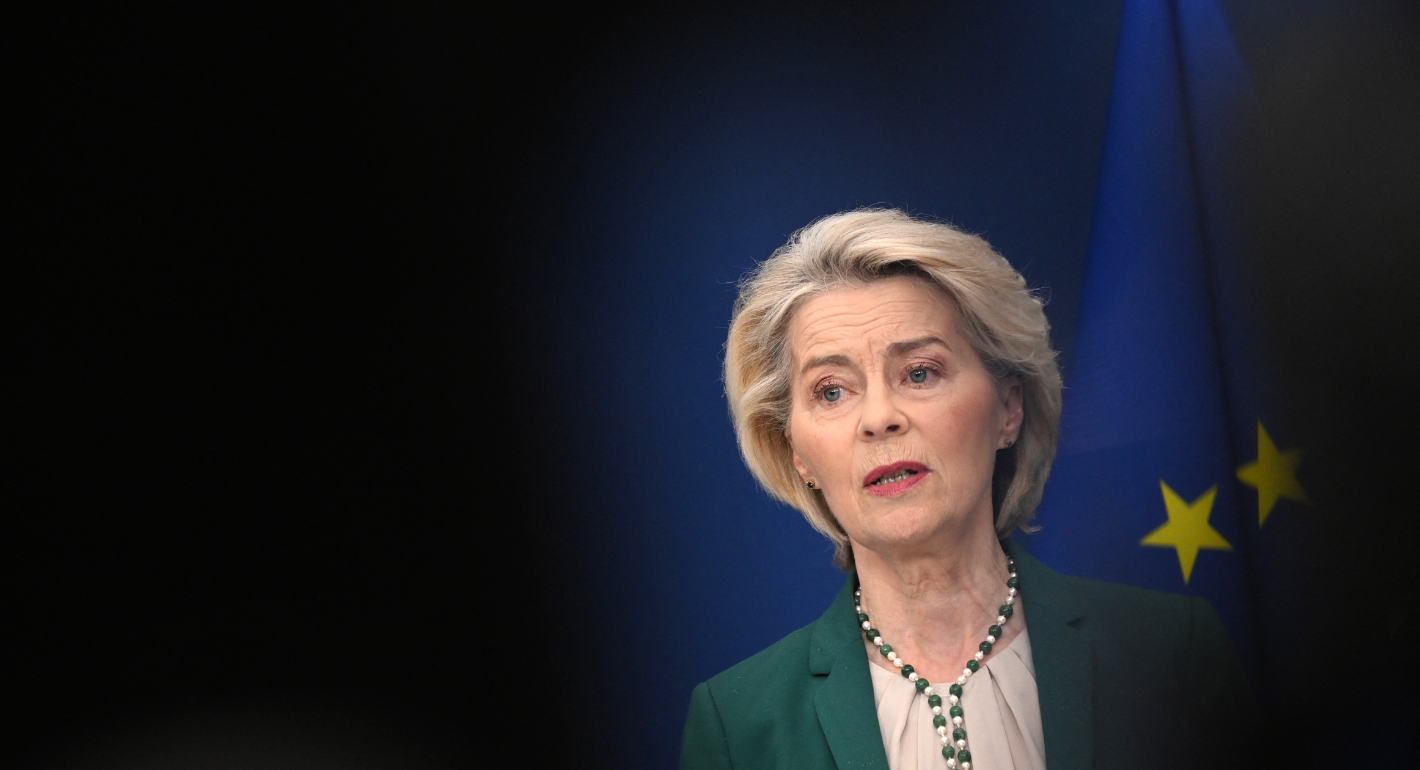
Following Ursula von der Leyen’s gaffe equating Turkey to Russia and China, relations with Ankara risk deteriorating even further. Without better, more consistent diplomatic messaging, how can the EU pretend to be a geopolitical power?

Sinan Ülgen
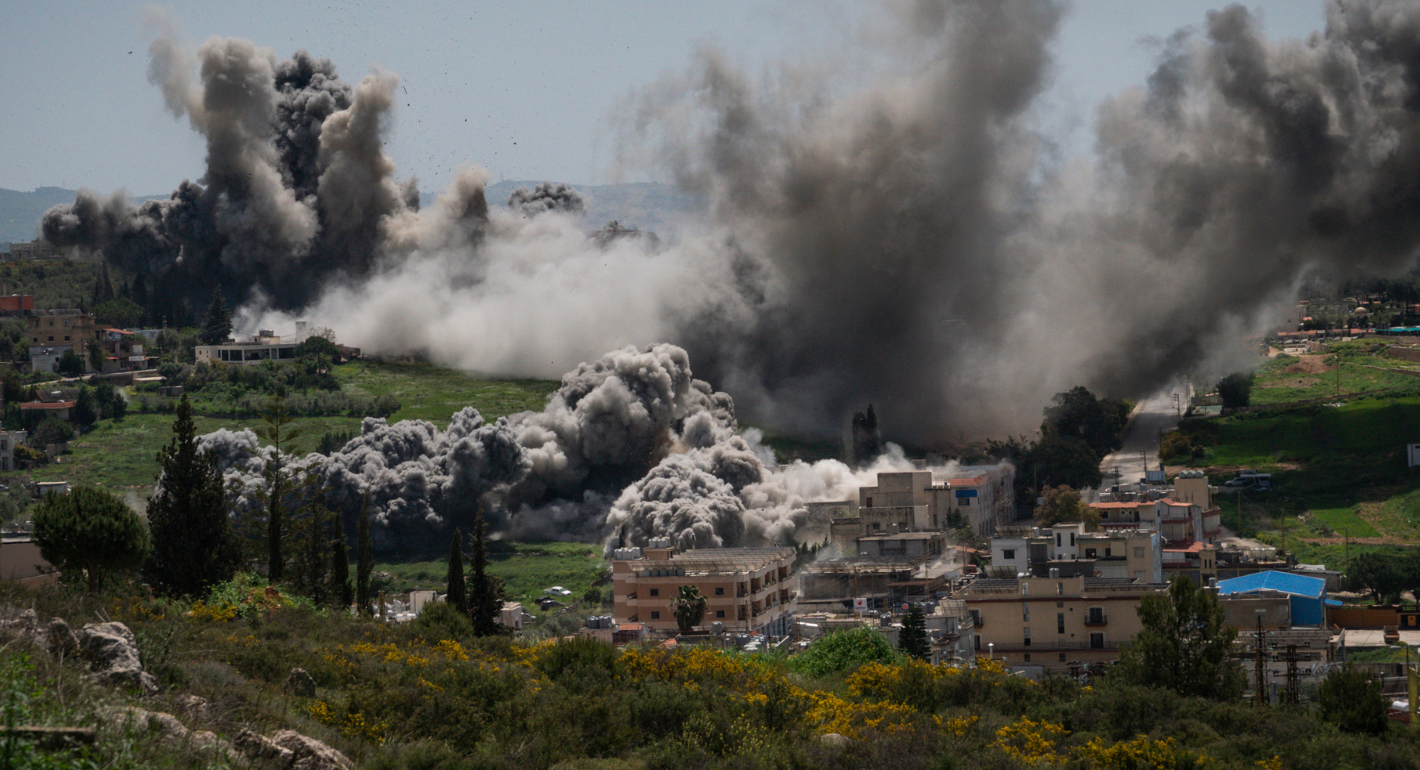
Europe has been standing by while its Southern neighborhood is being redrawn by force. To establish a path to peace between Israel and Lebanon, it’s time for Europeans to get involved with hard power.

Rym Momtaz
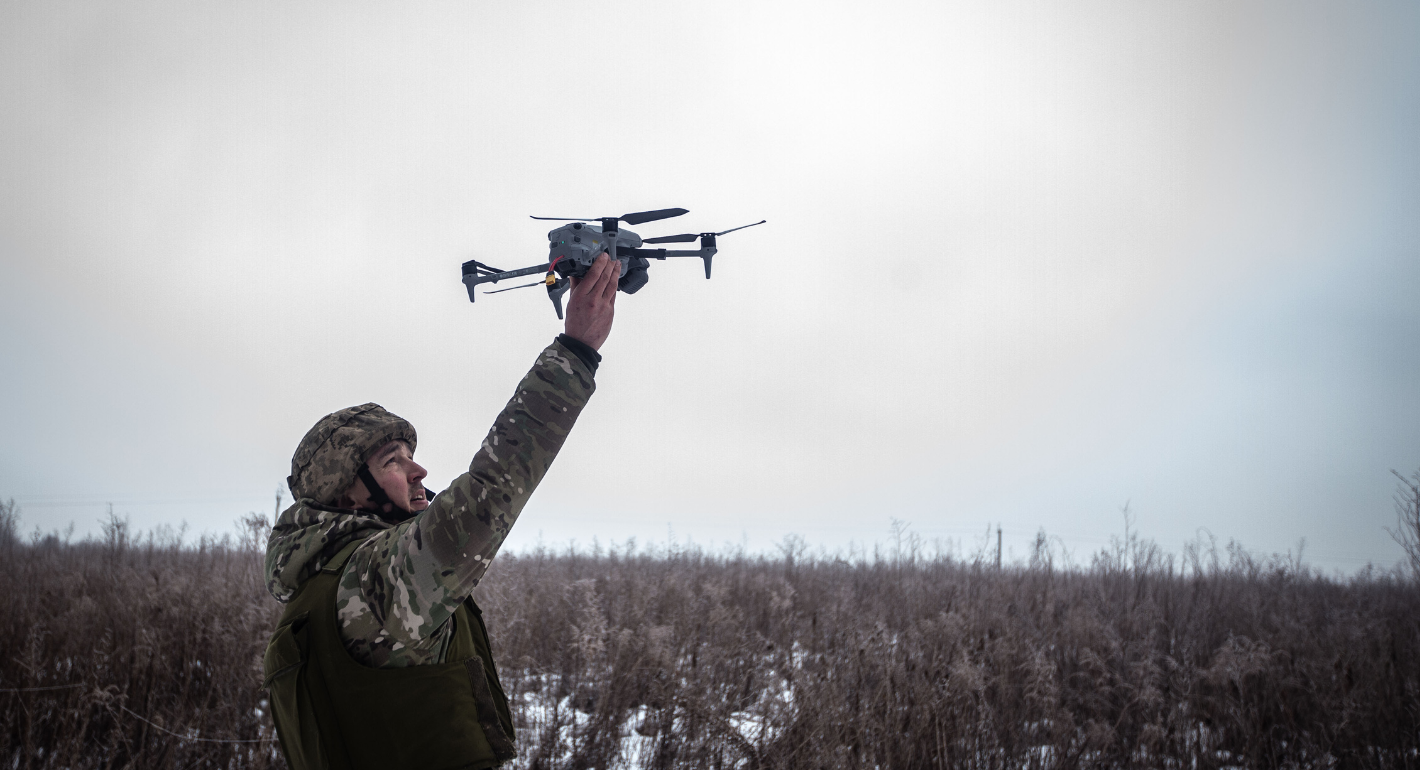
In Ukraine, Gaza, and Iran, AI warfare has come to dominate, with barely any oversight or accountability. Europe must lead the charge on the responsible use of new military technologies.

Raluca Csernatoni
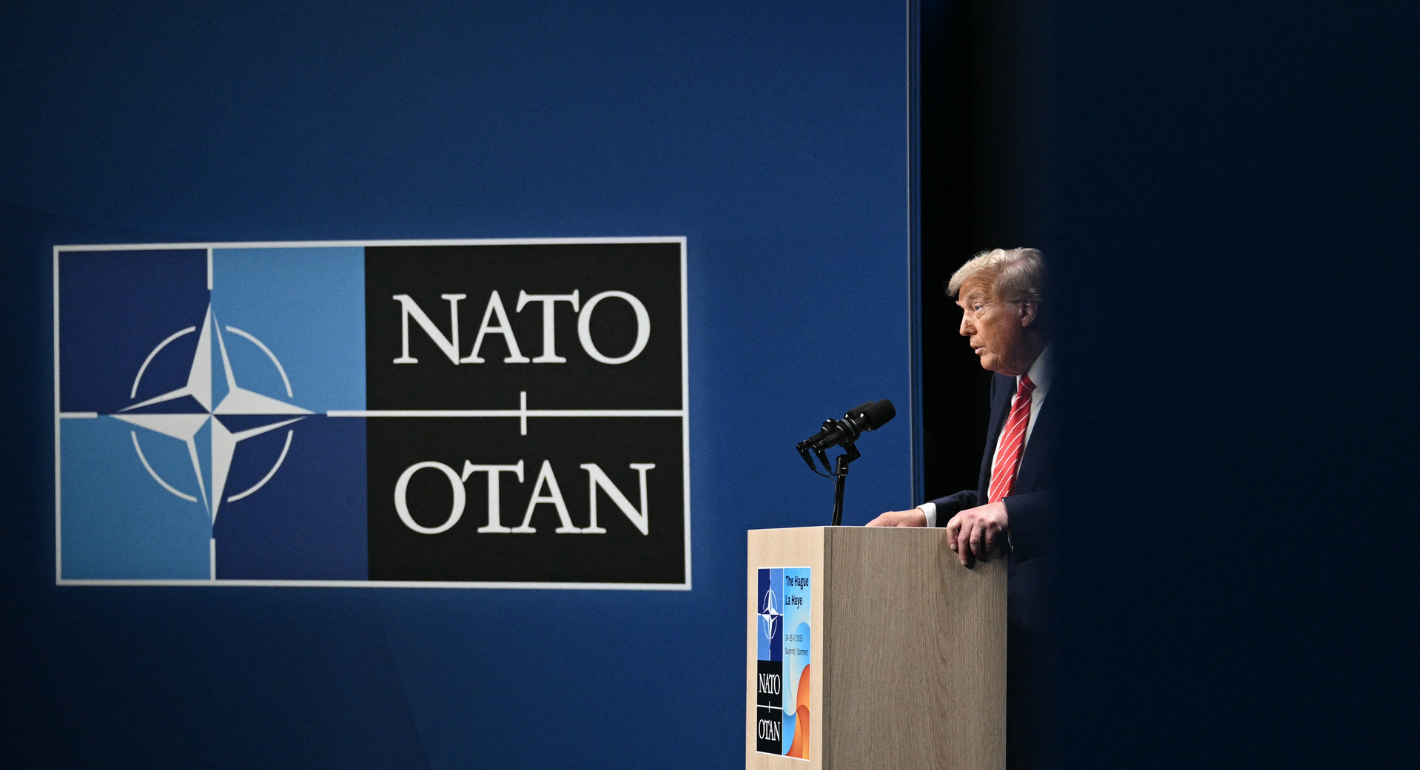
Donald Trump has repeatedly bashed NATO and European allies, threatening to annex Canada and Greenland and deploring their lack of enthusiasm for his war of choice in Iran. Is this latest round of abuse the final straw?
Rym Momtaz, ed.
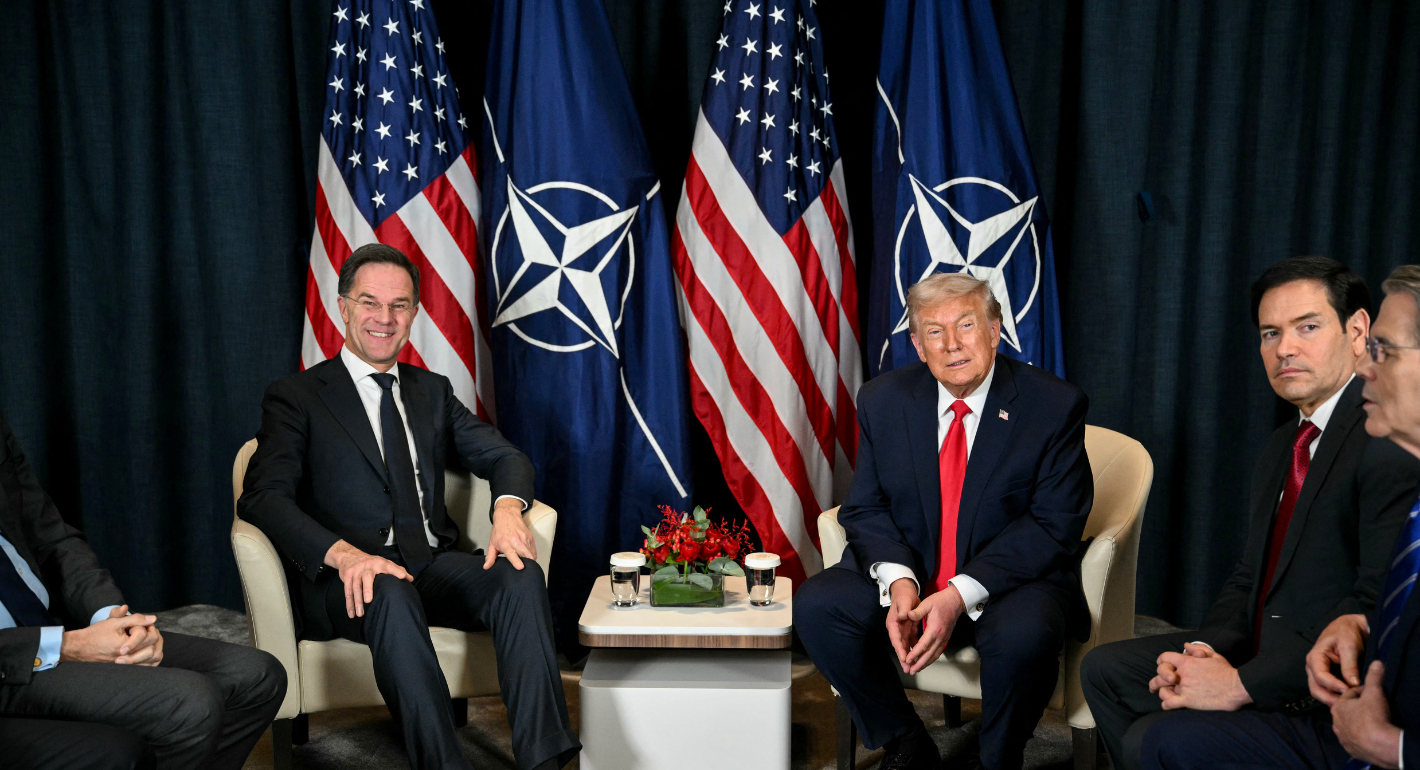
Donald Trump has demanded that European allies send ships to the Strait of Hormuz while his war of choice in Iran rages on. He has constantly berated NATO while the alliance’s secretary-general has emphatically supported him.
Rym Momtaz, ed.