

Commentary
In Ukraine, Gaza, and Iran, AI warfare has come to dominate, with barely any oversight or accountability. Europe must lead the charge on the responsible use of new military technologies.
Raluca Csernatoni
{
  "authors": [
    "Mikayel Zolyan"
  ],
  "type": "commentary",
  "blog": "Strategic Europe",
  "centerAffiliationAll": "",
  "centers": [
    "Carnegie Endowment for International Peace",
    "Carnegie Europe"
  ],
  "collections": [
    "Europe’s Eastern Neighborhood"
  ],
  "englishNewsletterAll": "",
  "nonEnglishNewsletterAll": "",
  "primaryCenter": "Carnegie Europe",
  "programAffiliation": "",
  "programs": [],
  "projects": [],
  "regions": [
    "Russia",
    "Eastern Europe",
    "Caucasus",
    "Armenia"
  ],
  "topics": [
    "Foreign Policy",
    "EU"
  ]
}
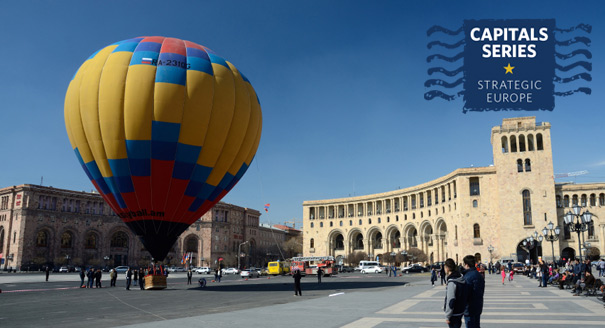
Source: Getty
Armenia needs to find its own voice on foreign policy and ensure that its international partnerships do not limit the country’s ability to make sovereign decisions.
Strategic Europe continues the second phase of its Capitals Series exploring how EU foreign policy is viewed by six countries in Europe’s Eastern neighborhood. We have asked our contributors from each capital to give a candid assessment of the EU’s policies toward their country, with a ranking on a scale from “miserable” to “excellent.” This week, the spotlight is on Armenia.
*
The European Commission received authorization on October 12 to start negotiations with Armenia on a comprehensive agreement formalizing relations between Yerevan and the EU. Two years ago, Armenia had completed negotiations on an EU-Armenia Association Agreement, which was expected to be signed at the EU’s Eastern Partnership summit in Vilnius in November 2013. But on September 3, Armenian President Serzh Sargsyan made headlines when he announced that Armenia would be joining the Customs Union of Russia, Belarus, and Kazakhstan, which later developed into the Eurasian Economic Union. In doing so, Armenia effectively ditched the agreement with the EU.

However, one should not forget that what happened in September 2013 was a major failure for both Yerevan and Brussels. As a consequence of that failure, any new EU-Armenian agreement is bound to be more limited in scope than the document negotiated in 2013, since Armenia is now a member of a different economic bloc—the Eurasian Economic Union. To make sure that EU policies toward Armenia in the future are more adequate, the causes of that failure need to be understood.
Back in 2013, Armenia’s decision to abandon the deal with the EU was one of the first signs of changing times in Russia’s neighborhood. For years, Armenia’s foreign policy had been shaped by what Yerevan called “complementarity,” which essentially came down to advancing cooperation with Russia and the West simultaneously. Cooperation with the West, particularly the EU, on such fields as economy and good governance was supposed to complement Armenia’s geopolitical partnership with Russia.

Yet as Armenia’s U-turn in 2013 showed, relations between the EU and Armenia were built on a fragile foundation: both sides did their best not to notice the elephant in the room, namely the immense influence Moscow enjoyed in Armenia. Hence the shock and surprise at Armenia’s supposedly sudden decision to abandon the Association Agreement.
Moscow’s increasingly assertive stance toward the post-Soviet space, particularly its active pursuit of the Eurasian integration project, has left the Armenian government in desperate need of a new foreign policy strategy. So far, Armenia has taken a wait-and-see approach, desperately trying to advance its old policies of complementarity whenever possible. But Yerevan is under severe pressure from Moscow to choose sides, and it is becoming quite difficult to resist that pressure.
The EU's policies toward #Armenia can be assessed as satisfactory.Tweet This
Russian influence in Armenia is vast. Russian companies enjoy monopolistic positions in such vital fields as communication, transportation, and energy. Russian media dominate the information sphere and are the main source of information about the outside world for many Armenians, including a large part of the political and intellectual elite. Russia remains the most common destination for migrant workers, and the remittances they send back home are vital for keeping the Armenian economy afloat.
However, the most effective leverage that Moscow has on Yerevan’s policies stems from Armenia’s unresolved security issues linked to the Nagorno-Karabakh conflict and Armenian-Turkish relations. Ultimately, it is these security challenges that have tied Armenia to Moscow. While Russia can hardly match the opportunities for economic development and democratic reform that the EU has to offer, the benefits of cooperation with the EU may appear irrelevant if Armenia is unable to cope with the challenges to its security. And this is where Russia steps in.
Moscow’s approach to Armenia and Azerbaijan has been pragmatic—if not cynical. On the one hand, Armenia hosts a Russian military base and is a member of the Russian-dominated Collective Security Treaty Organization. On the other hand, not only has Moscow refrained from openly supporting the Armenian stance on Nagorno-Karabakh but it has also been supplying the Azerbaijani military with arms. Billion-dollar arms deals between Azerbaijan and Russia have served as a reminder to Yerevan of what could happen if Armenia chose to walk away from its partnership with Moscow.
Economic factors also played their role in determining Yerevan’s choice in 2013. Armenian business elites were afraid to lose their traditional links with the Russian economy and found it hard to accommodate to the more transparent rules of the game in European markets. The prospect of Armenian guest workers being sent home was a major fear for Armenia. And there were hopes, amplified by Russian and pro-government media, that membership in the Russian-dominated economic bloc would open up new trade and investment opportunities.
But as the so-called Electric Yerevan protests in June 2015 showed, Armenia’s participation in the Eurasian integration project has so far done little to improve the lives of ordinary Armenians. The protests, triggered by ineffective management and corruption in a Russian-owned electricity monopoly, highlighted a stagnating economy and worsening social conditions.
Russia, weakened by Western sanctions and falling oil prices, can hardly help Armenia’s economy overcome its own problems. At the same time, Armenia’s leaders have so far failed to introduce structural reforms that would reduce corruption and liberalize the economy. Unlike Brussels, Moscow would hardly assist Yerevan in carrying out such reforms.
#Armenia is bound to look to Europe if it wants to modernize.Tweet This
Thus, ultimately, Armenia is bound to look toward Europe if it wants to achieve the successful modernization of its economic and political systems. The extent to which such cooperation would be possible in the current conditions remains to be seen. Most probably, the partnership with Russia is bound to remain a part of the picture, at least in the short term. But Yerevan also needs to find its own voice when it comes to foreign policy and make sure that any partnership in which it is involved does not limit Armenia’s ability to make sovereign decisions based on the interests of the country.
So, is there anything that the EU could have done to change the situation? It may seem that the current geopolitical context has made Armenia’s choice almost inevitable. From this perspective, the EU has pursued the optimal approach: respecting Armenia’s choice and maintaining links with Armenia as much as possible—in other words, a strategy aimed at minimizing harm.
But if one looks at the bigger picture, EU policies toward Armenia reveal some of the weaknesses of the EU’s approach to post-Soviet states. During the negotiations on the Association Agreement, the EU focused on working with the government in Yerevan but did little to educate Armenian society about the benefits of the accord. As a result, many Armenians were either ignorant of the agreement in general and its potential benefits or, worse, saw it as a threat to Armenia’s sovereignty and national identity.
Hence, it was easy for Armenia’s government to ditch the deal, and only a small group of civil society activists protested when that happened. This is a reflection of a larger issue: the EU has been unwilling or unable to match Moscow’s immense soft power in the post-Soviet space with an adequate effort of its own.
In addition, the EU should be paying more attention to the Nagorno-Karabakh conflict. The EU cannot take on the functions of the Organization for Security and Cooperation in Europe or NATO when it comes to dealing with armed conflicts. But more involvement from the EU on the levels of both diplomacy and civil society could help mitigate the danger of a full-blown escalation in Nagorno-Karabakh before it is too late.
Mikayel Zolyan is an analyst at the Regional Studies Center in Yerevan.
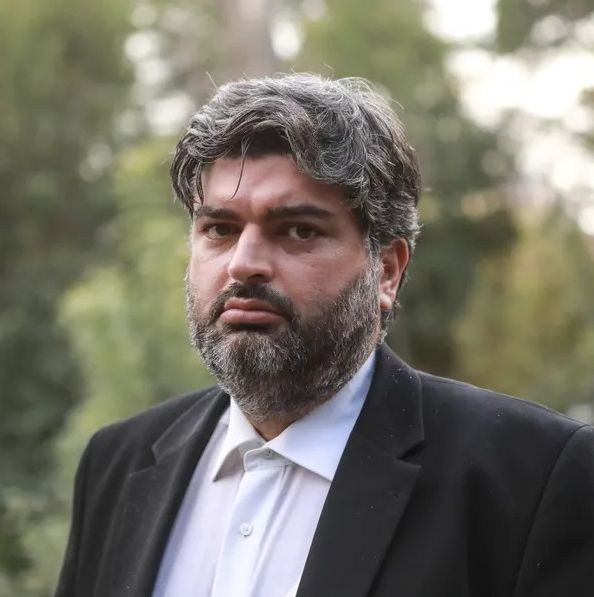
Mikayel Zolyan
Former member of Armenian Parliament
Carnegie does not take institutional positions on public policy issues; the views represented herein are those of the author(s) and do not necessarily reflect the views of Carnegie, its staff, or its trustees.
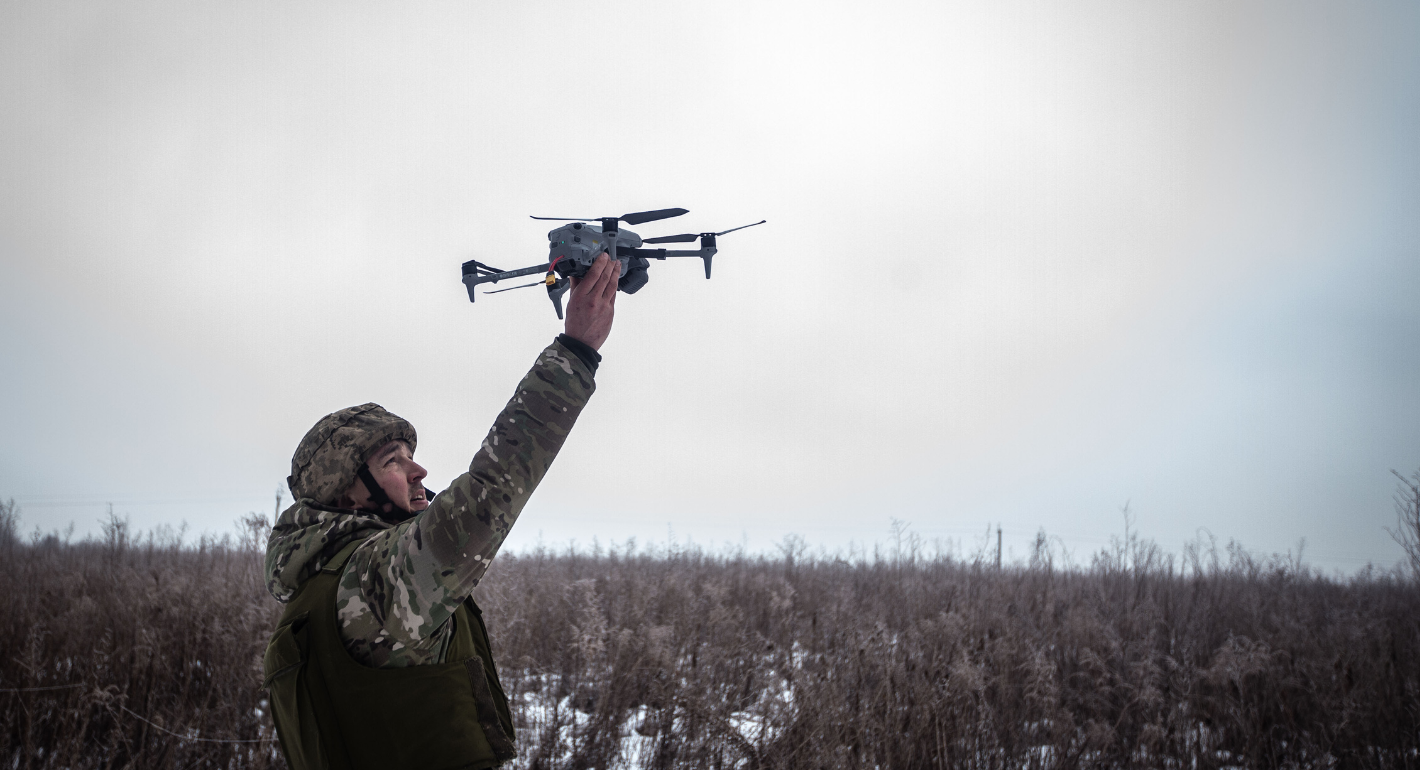
In Ukraine, Gaza, and Iran, AI warfare has come to dominate, with barely any oversight or accountability. Europe must lead the charge on the responsible use of new military technologies.

Raluca Csernatoni
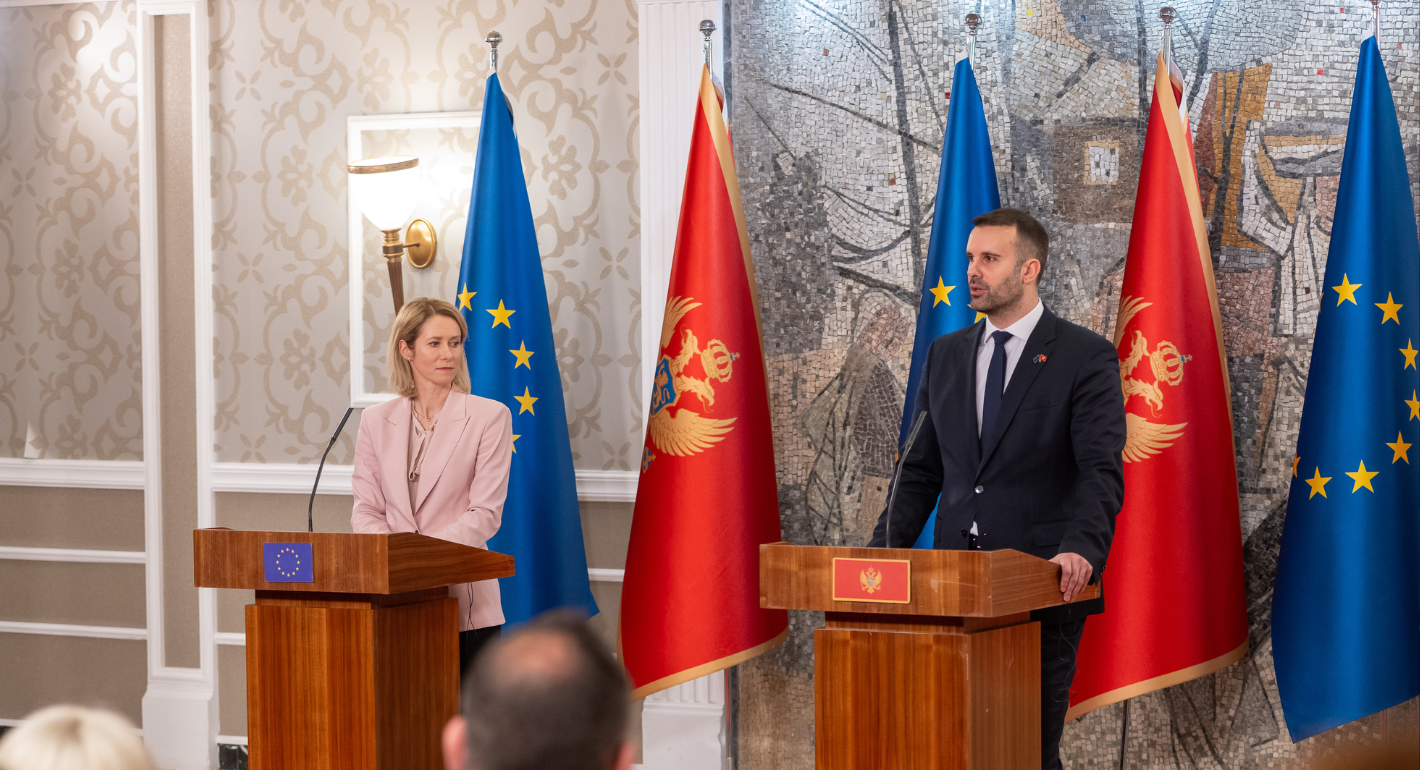
Montenegro and Albania are frontrunners for EU enlargement in the Western Balkans, but they can’t just sit back and wait. To meet their 2030 accession ambitions, they must make a strong positive case.


Dimitar Bechev, Iliriana Gjoni
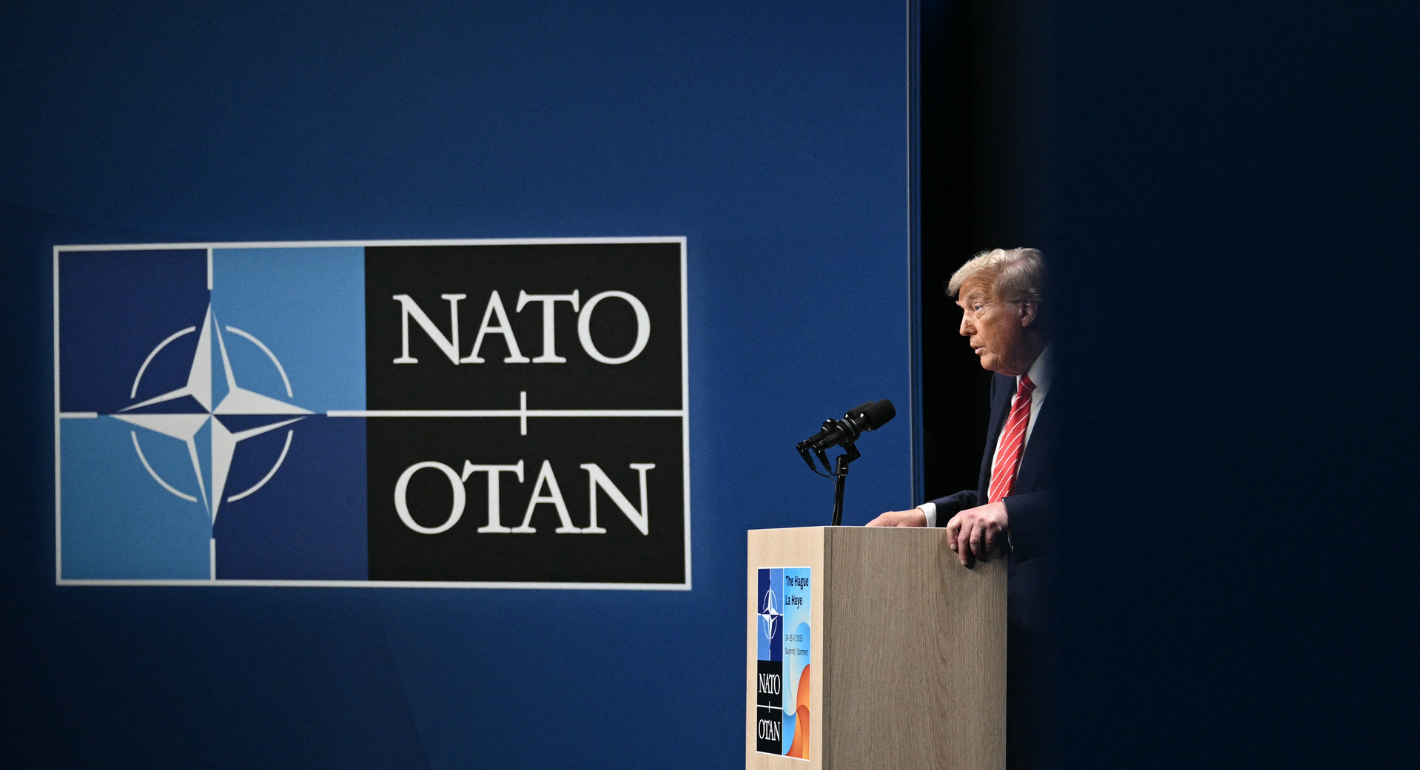
Donald Trump has repeatedly bashed NATO and European allies, threatening to annex Canada and Greenland and deploring their lack of enthusiasm for his war of choice in Iran. Is this latest round of abuse the final straw?

Rym Momtaz, ed.
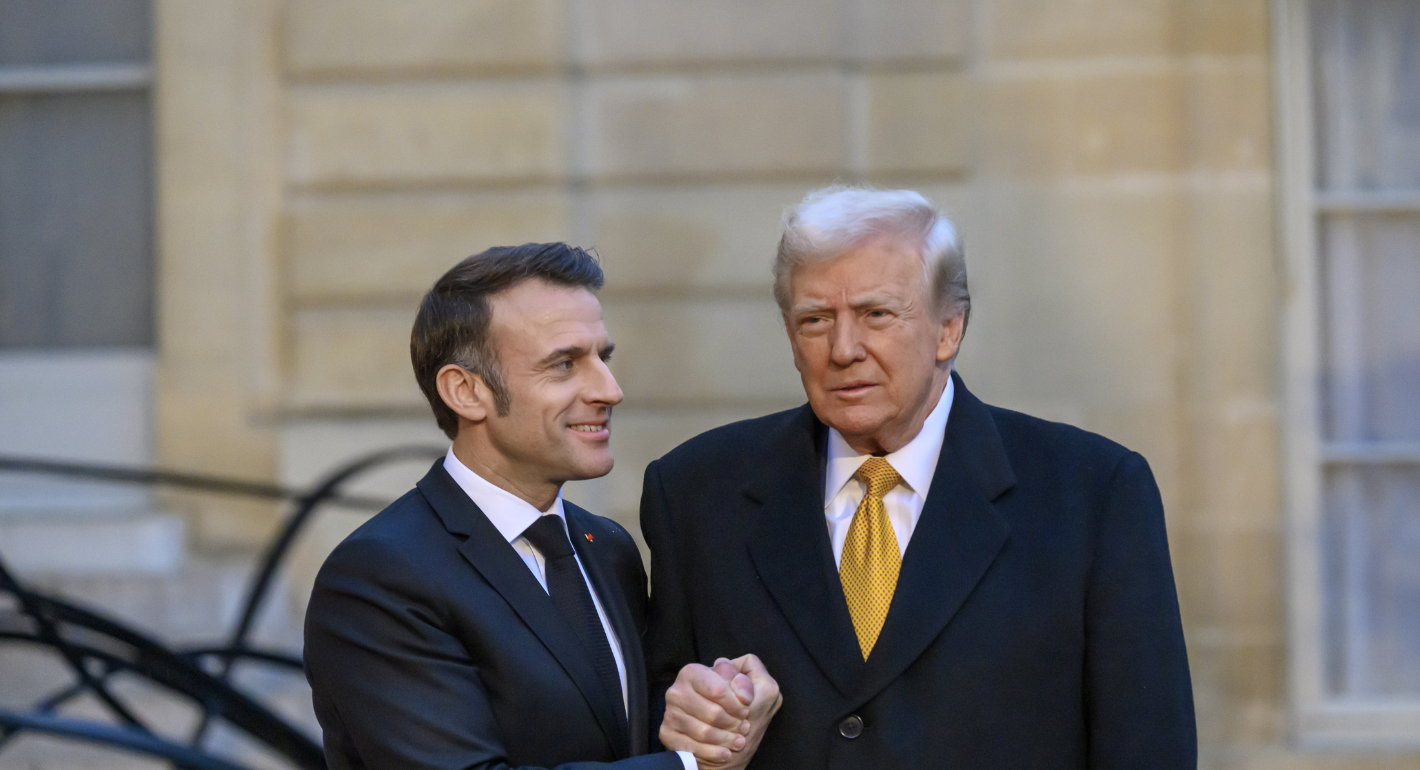
Donald Trump’s repudiation of NATO goes against the Make America Great Again vision of a U.S.-centered foreign policy. If the goal is to preserve the alliance by boosting Europe’s commitments, leaning into France’s vision is the most America First way forward.
Rym Momtaz
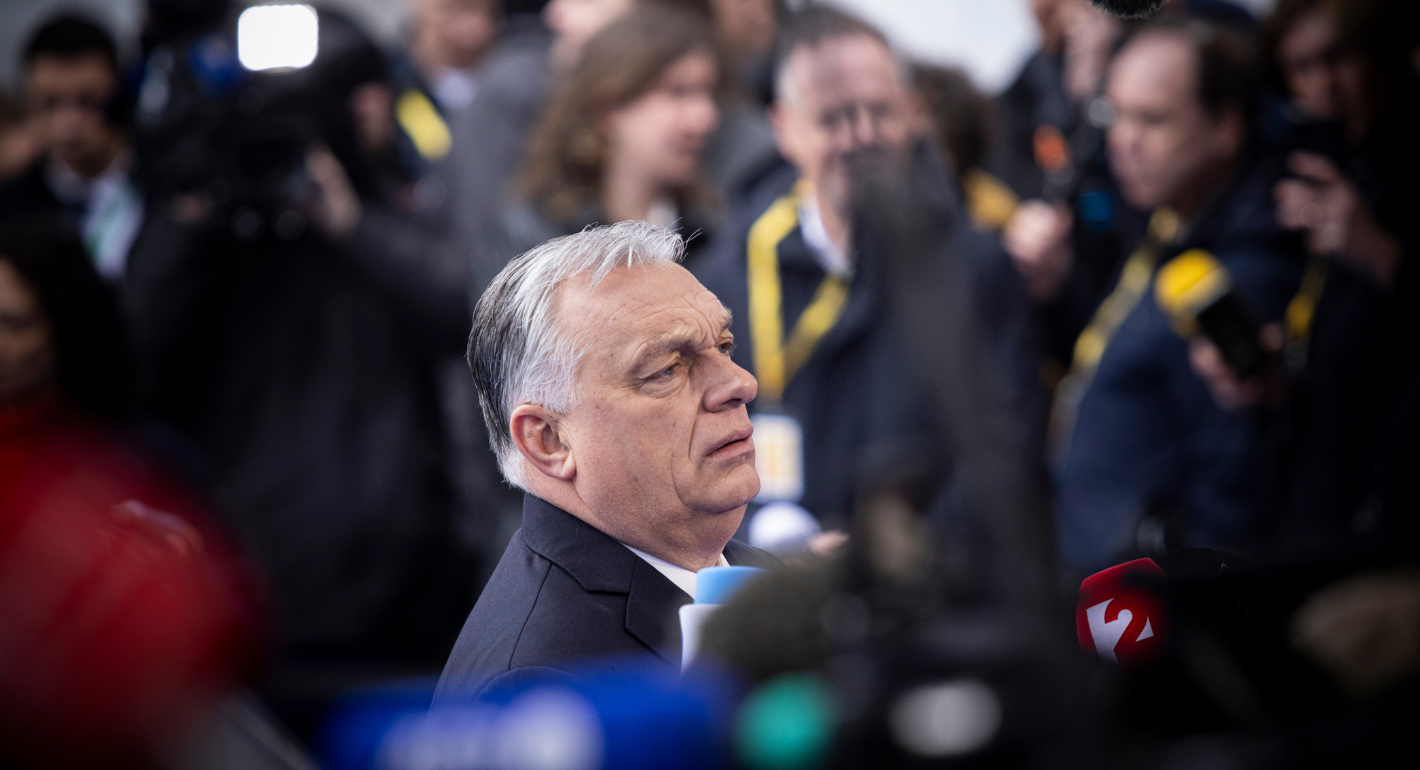
Hungarians head to the polls on April 12 for an election of national and European consequence. Three different outcomes are on the cards, each with their own implications for the EU.

Zsuzsanna Szelényi