

{
  "authors": [
    "Mohanad Hage Ali",
    "Afrah Nasser",
    "Maged al-Madhaji",
    "Ahmed Nagi",
    "Farea Al-Muslimi"
  ],
  "type": "event",
  "centerAffiliationAll": "",
  "centers": [
    "Carnegie Endowment for International Peace",
    "Malcolm H. Kerr Carnegie Middle East Center"
  ],
  "englishNewsletterAll": "",
  "nonEnglishNewsletterAll": "",
  "primaryCenter": "Malcolm H. Kerr Carnegie Middle East Center",
  "programAffiliation": ""
}
Yemen at a Crossroads: What Has Changed?
Thu, October 15th, 2026
4:00 PM - 5:00 PM (GMT+3)
Virtual
Invalid video URL
Yemen has seen a flurry of political, military and security developments in recent weeks, with escalating tensions and shifting balances of power on the ground—most notably, the Houthi group’s seizure of the coastline adjacent to the Bab al-Mandab Strait. These shifts coincide with growing complexities in the peace process and the intertwining of the Yemen file with broader regional tensions, including maritime security in the Red Sea and the conflict between the United States and Iran.
After years of relative calm, Yemen’s conflict is now entering a new phase, marked by renewed military hostilities between the Houthis and the Yemeni government; heightened tensions between the Houthis and Saudi Arabia; and escalating hostilities between the group and various tribes within the areas its controls. These developments have prompted debate over the power dynamics that have governed the conflict in recent years, and whether this escalation represents a temporary shift or the start of a new military and political trajectory. They also raise questions over what options are available to the parties to the conflict to navigate these shifting circumstances amidst a broader regional escalation.
The Malcolm H. Kerr Carnegie Middle East Center is organizing a virtual panel discussion to examine the dynamics of the current escalation in Yemen, the repercussions of both domestic and regional confrontations, and their impact on the future of a political settlement amidst an increasingly turbulent regional environment. The discussion will be held on Thursday, October 15, at 4:00 PM Beirut time (9:00 AM Washington, D.C. time). It will feature: Ahmed Nagi, Senior Analyst at the International Crisis Group; Farea Al-Muslimi, Research Fellow at Chatham House; Maged Al-Madhaji, chairperson and co-founder of the Sana’a Center for strategic studies, and Afrah Nasser, Non-resident Fellow at the Arab Center Washington DC.
The discussion will be conducted in Arabic and moderated by Mohanad Hage Ali, deputy director for research at the Malcolm H. Kerr Carnegie Middle East Center in Beirut.
Viewers may submit questions to the speakers via the chat function during the livestream, accessible via Facebook or YouTube.
For further information, please contact Najwa Yassine via email at: najwa.yassine@carnegie-mec.org
Carnegie does not take institutional positions on public policy issues; the views represented herein are those of the author(s) and do not necessarily reflect the views of Carnegie, its staff, or its trustees.
Event Speakers
Deputy Director for Research, Malcolm H. Kerr Carnegie Middle East Center
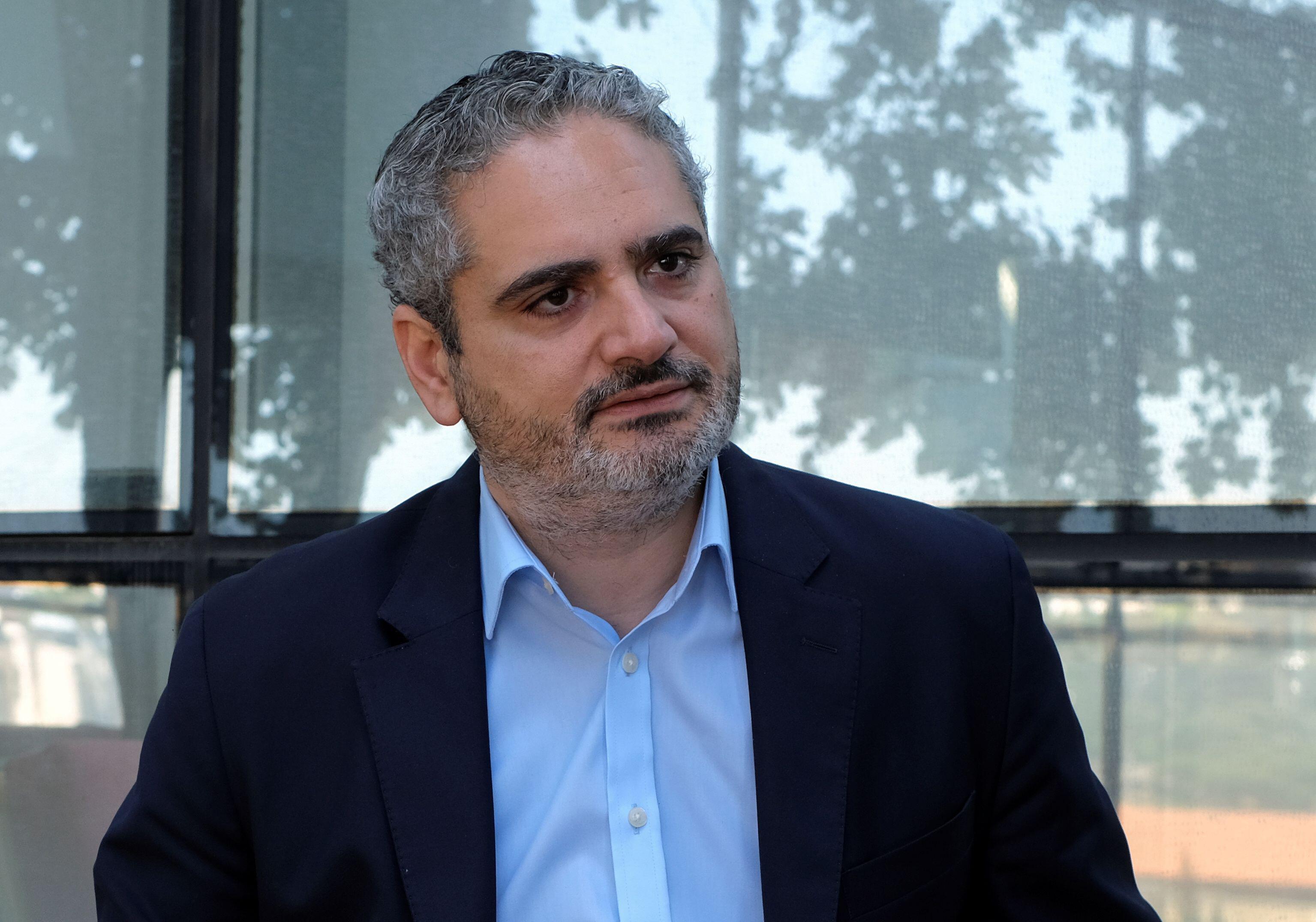
Mohanad Hage Ali is the deputy director for research at the Malcolm H. Kerr Carnegie Middle East Center.
Afrah Nasser
Non-Resident Fellow at the Arab Center in Washington D.C.
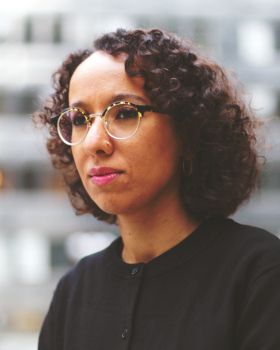
Afrah Nasser is a Non-resident Fellow at Arab Center Washington DC. She is also a freelance journalist and a human rights defender who previously worked as a researcher at Human Rights Watch, investigating international humanitarian law and human rights law violations and abuses in Yemen. Nasser is the recipient of many awards, including the Committee to Protect Journalists’ International Press Freedom Award, and her blog has been featured on CNN as one of the top 10 must-read blogs from the Middle East.
Maged al-Madhaji
Senior Analyst at the International Crisis Group
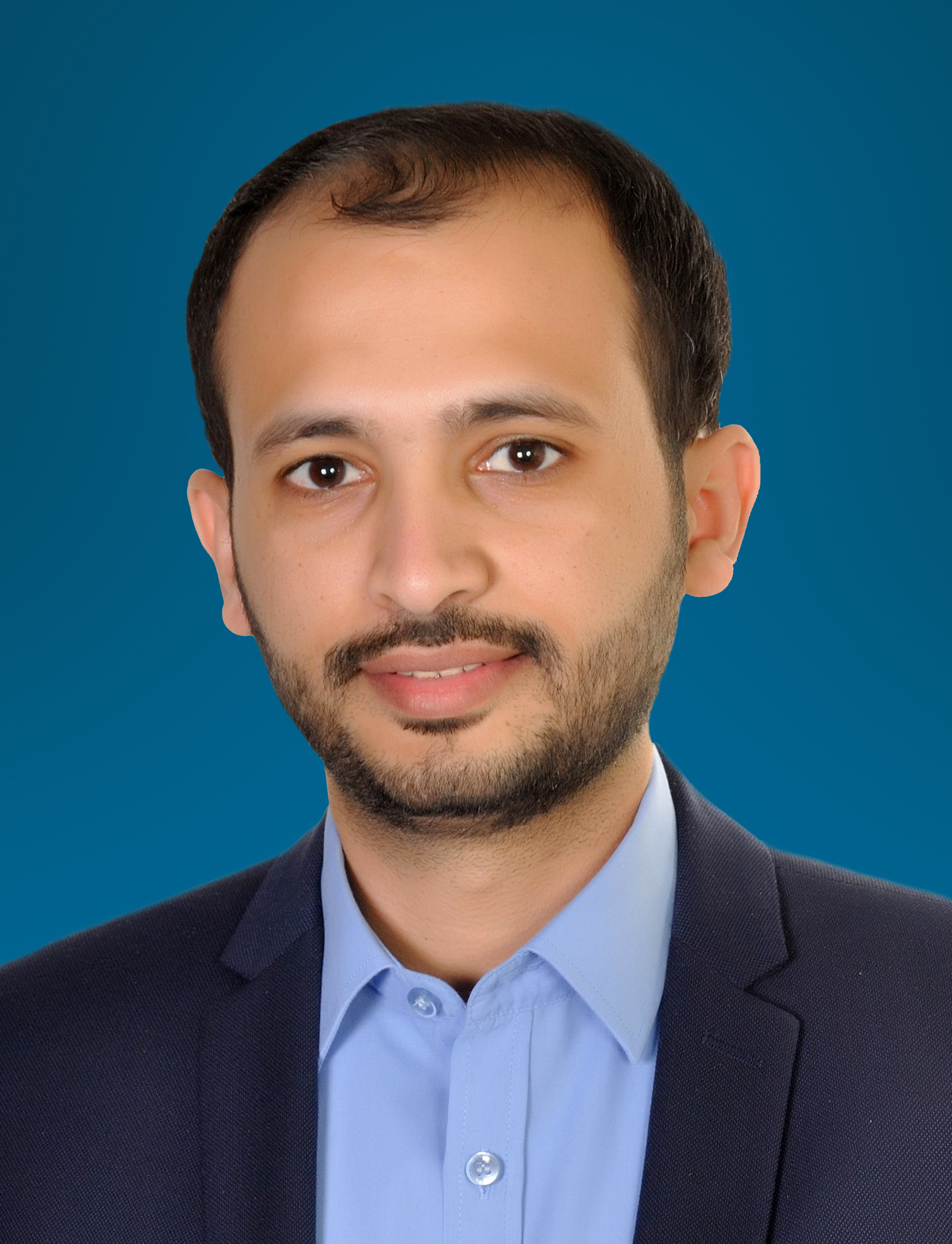
Ahmed Nagi is a senior Analyst at the International Crisis Group.
Research fellow at Chatham House’s Middle East and North Africa Programme
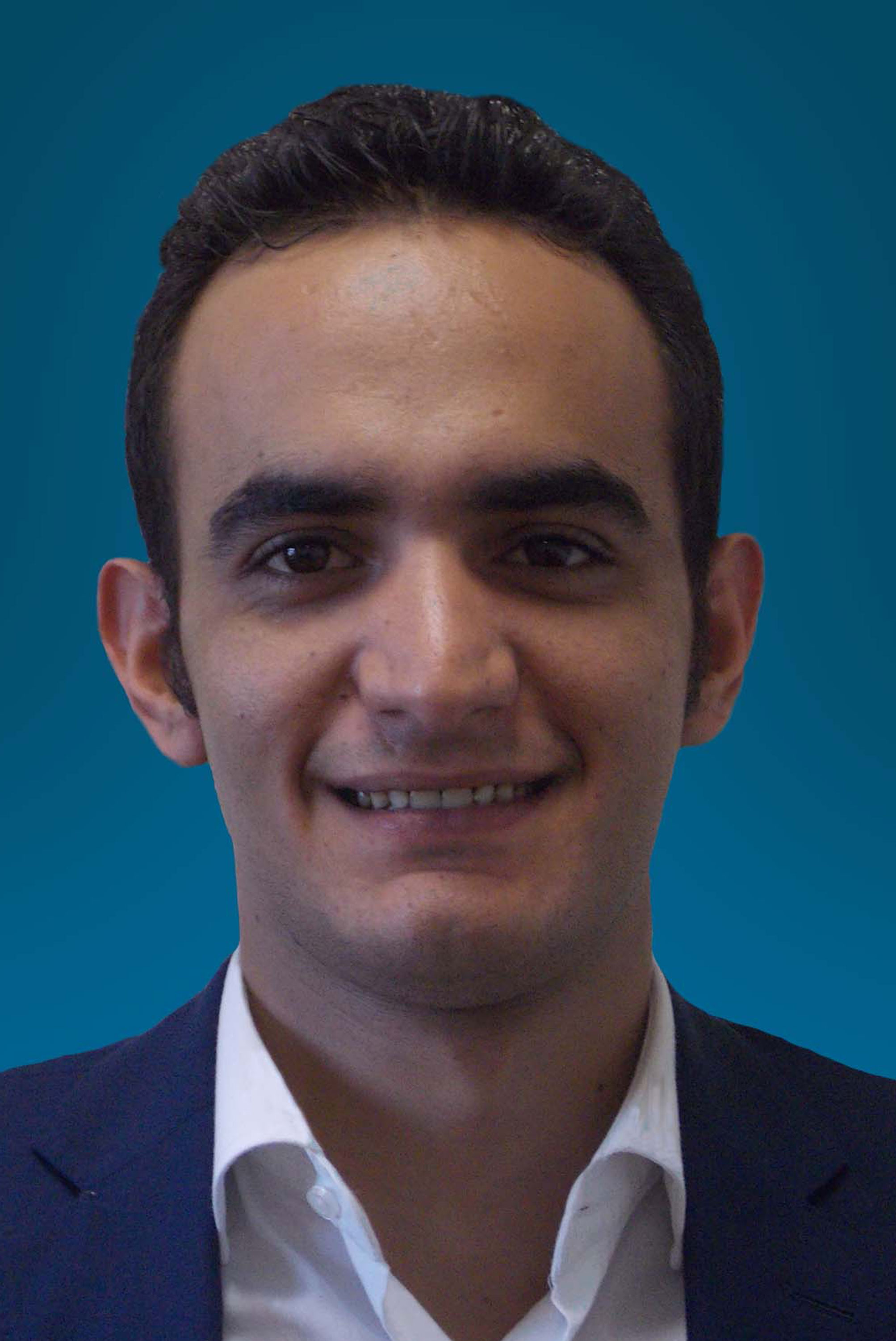
Farea Al-Muslimi is a research fellow at Chatham House’s Middle East and North Africa Programme.