

{
  "authors": [
    "Marwan Muasher",
    "Perry Cammack",
    "Shibley Telhami",
    "Joyce Karam"
  ],
  "type": "event",
  "centerAffiliationAll": "dc",
  "centers": [
    "Carnegie Endowment for International Peace"
  ],
  "collections": [
    "Arab Awakening"
  ],
  "englishNewsletterAll": "menaTransitions",
  "nonEnglishNewsletterAll": "",
  "primaryCenter": "Carnegie Endowment for International Peace",
  "programAffiliation": "MEP",
  "programs": [
    "Middle East"
  ],
  "projects": [
    "Arab Horizons"
  ],
  "regions": [
    "Middle East",
    "Iran",
    "Israel",
    "Türkiye",
    "North Africa",
    "Sudan",
    "Egypt",
    "Libya",
    "Algeria",
    "Mauritania",
    "Morocco",
    "Tunisia",
    "Iraq",
    "Lebanon",
    "Jordan",
    "Palestine",
    "Syria",
    "Bahrain",
    "Saudi Arabia",
    "United Arab Emirates",
    "Yemen",
    "Mali"
  ],
  "topics": [
    "Political Reform",
    "Civil Society",
    "Religion"
  ]
}
Arab Voices on the Challenges of the New Middle East
Fri, February 12th, 2016
Washington, DC
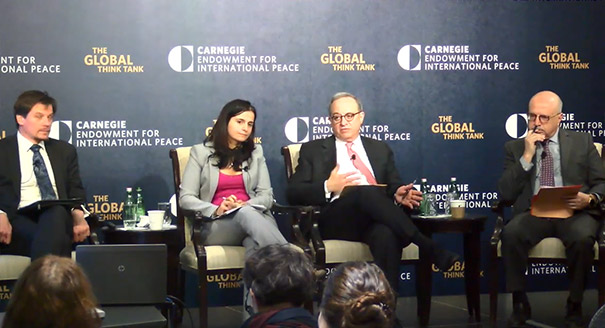
The Carnegie Endowment for International Peace hosted a review of its first Arab Experts Survey.
The results of the survey, conducted in English and Arabic, represent the views of more than one hundred accomplished political thinkers representing almost every Arab country and answer broad questions around terrorism and extremism, civil war and foreign intervention, sectarianism, corruption, and governance. The survey is part of Carnegie’s Arab World Horizons project, an effort to examine the social, political, and economic forces shaping the Arab world.
Marwan Muasher, Perry Cammack, and Shibley Telhami discussed the findings of the survey, and Joyce Karam moderated. Join the conversation on Twitter with #ArabWorldHorizons.
Marwan Muasher
Marwan Muasher is vice president for studies at the Carnegie Endowment for International Peace.
Perry Cammack
Perry Cammack is an associate in Carnegie's Middle East Program.
Shibley Telhami
Shibley Telhami is the Anwar Sadat Professor for peace and development at the University of Maryland.
Joyce Karam
Joyce Karam is Washington bureau chief for Al-Hayat.
Carnegie India does not take institutional positions on public policy issues; the views represented herein are those of the author(s) and do not necessarily reflect the views of Carnegie, its staff, or its trustees.
Event Speakers
Vice President for Studies

Marwan Muasher is vice president for studies at Carnegie, where he oversees research in Washington and Beirut on the Middle East. Muasher served as foreign minister (2002–2004) and deputy prime minister (2004–2005) of Jordan, and his career has spanned the areas of diplomacy, development, civil society, and communications.
Former Nonresident Fellow, Middle East Program
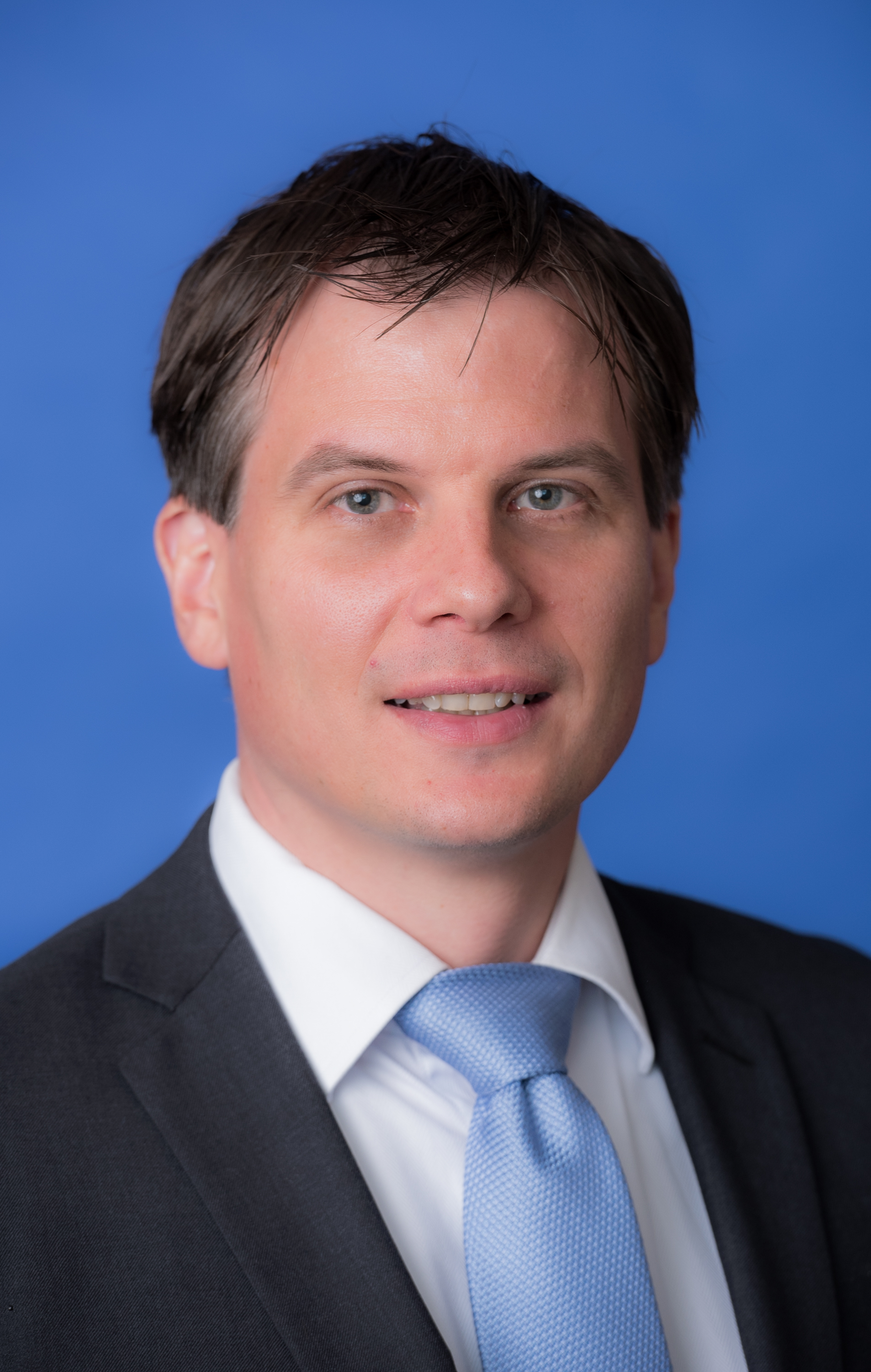
Perry Cammack was a nonresident fellow in the Middle East Program at the Carnegie Endowment for International Peace, where he focuses on long-term regional trends and their implications for American foreign policy.
Shibley Telhami
Joyce Karam
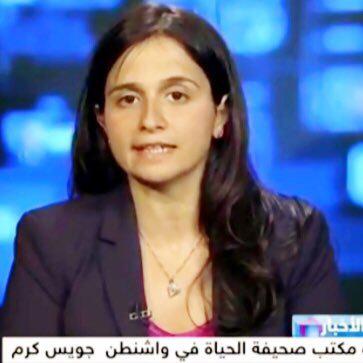
Joyce Karam is a Washington correspondent for the National and has covered American politics extensively since 2004, with a focus on U.S. policy towards the Middle East.