

Commentary
Dmitri Trenin
{
  "authors": [
    "Dmitri Trenin"
  ],
  "type": "commentary",
  "centerAffiliationAll": "",
  "centers": [
    "Carnegie Endowment for International Peace",
    "Carnegie Russia Eurasia Center"
  ],
  "collections": [
    "Iranian Proliferation"
  ],
  "englishNewsletterAll": "",
  "nonEnglishNewsletterAll": "",
  "primaryCenter": "Carnegie Russia Eurasia Center",
  "programAffiliation": "",
  "programs": [],
  "projects": [
    "Eurasia in Transition"
  ],
  "regions": [
    "North America",
    "United States",
    "Middle East",
    "Iran",
    "Syria",
    "South Asia",
    "Afghanistan",
    "East Asia",
    "China",
    "Japan",
    "Central Asia",
    "Russia",
    "North Korea"
  ],
  "topics": [
    "Security",
    "Military",
    "Foreign Policy",
    "Nuclear Policy",
    "Arms Control",
    "Global Governance"
  ]
}
Source: Getty
In 2013, Europe was a peaceful place, but elsewhere in Eurasia, things were not as peaceful. This eventful year promises an interesting 2014.
In 2013, Europe was a peaceful place, as Tom de Waal wrote last week. But elsewhere in Eurasia, things were not as peaceful.
In East Asia, 2013 has seen a further hardening of Sino-Japanese relations. Ostensibly about the islands in the East China Sea, the simmering Sino-Japanese conflict challenges the notion of China's peaceful rise. Japan is increasingly concerned with the growing military might of China, and its new assertiveness. Reacting to this, Prime Minister Shinzo Abe is seeking to make Japan a "normal country" by chipping away at the legal pacifism of the postwar Constitution. Both countries are showing their resolve by symbolic steps and statements. Even though the Sino-Japanese economic relations have not been seriously damaged so far, the dynamic is worrying. For the third party to the situation, the United States, East Asia presents the most serious test of statesmanship and diplomatic skills since the end of the Cold War.
The first full year in power for the third ruler of North Korea's Kim dynasty has led to a spike of tensions with South Korea and a purge within the DPRK. Essentially, there is not much that is new here: Pyongyang has been using its nuclear program as a survival policy and a tool for blackmailing its neighbors, and internally the regime has been one of the most expressive in the world. The new element is the very young and inexperienced leader, whose very personality may precipitate crisis. The Korean Peninsula remains one of the most volatile places on Earth, requiring cooperation among the five powers dealing with the DPRK: China, Japan, South Korea, Russia, and the United States.
In anticipation of the withdrawal of ISAF forces, Afghanistan's war continues with fewer coalition casualties and more bombings in Kabul. It is unlikely that, once the bulk of the foreign forces leave, Afghanistan will be a threat to the security of the region. It is equally unlikely though that the question, who rules Afghanistan, will be decided exclusively at elections. The neighbors and regional powers, which will be involved, one way or another, need to see that their competition, beyond a certain level, may fuel the Afghan conflict further, undermining their own security. From 2014, it will be Afghanistan's direct neighbors, plus Russia, which will need to take on more responsibility for that country.
Finally, the Middle East has demonstrated two trends: a military disengagement by the United States and the steep rise in regional tensions. Even as the United States has partnered with Russia on Syria and engaged directly with Iran, the relations within the region, between the Saudi-led Sunni bloc and the Shiite Iran and its allies, have reached the point of a war by proxy, fought from Syria to the Gulf to Yemen. This conflict is about regional primacy, and it is likely to intensify even if the interim deal with Iran holds and paves the way to a more general arrangement. Geopolitics will play along domestic developments to continue to undermine regimes, redraw borders, lead to unlikely alliances, and threaten regional peace—but unless world powers are involved (and they might be, if Israel is), the Middle Eastern conflagrations will remain a regional matter.
All this promises an interesting 2014, and the lessons learned from the first global conflict, whose centenary will be marked next August, are of more than academic significance today.
Former Director, Carnegie Moscow Center
Trenin was director of the Carnegie Moscow Center from 2008 to early 2022.
Recent Work
Dmitri Trenin
Dmitri Trenin
Carnegie India does not take institutional positions on public policy issues; the views represented herein are those of the author(s) and do not necessarily reflect the views of Carnegie, its staff, or its trustees.
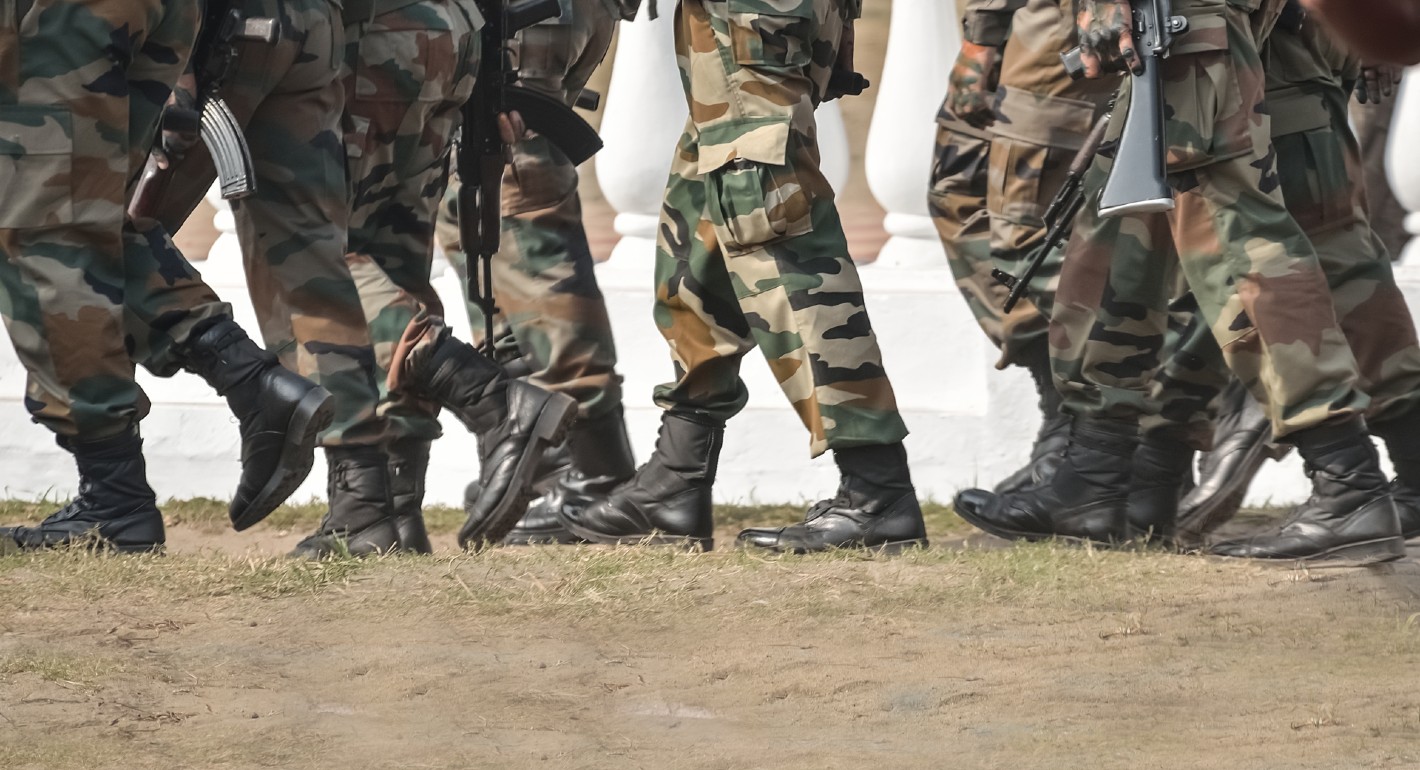
In any defense establishment, change is an ongoing process. However, despite the best of intentions, existing bureaucracies, bound by habit and years of socialization, have their limits in implementing transformative change.
Anit Mukherjee

How is AI reshaping space security, creating governance challenges, and where does international diplomacy stand today?

Tejas Bharadwaj, Almudena Azcárate Ortega
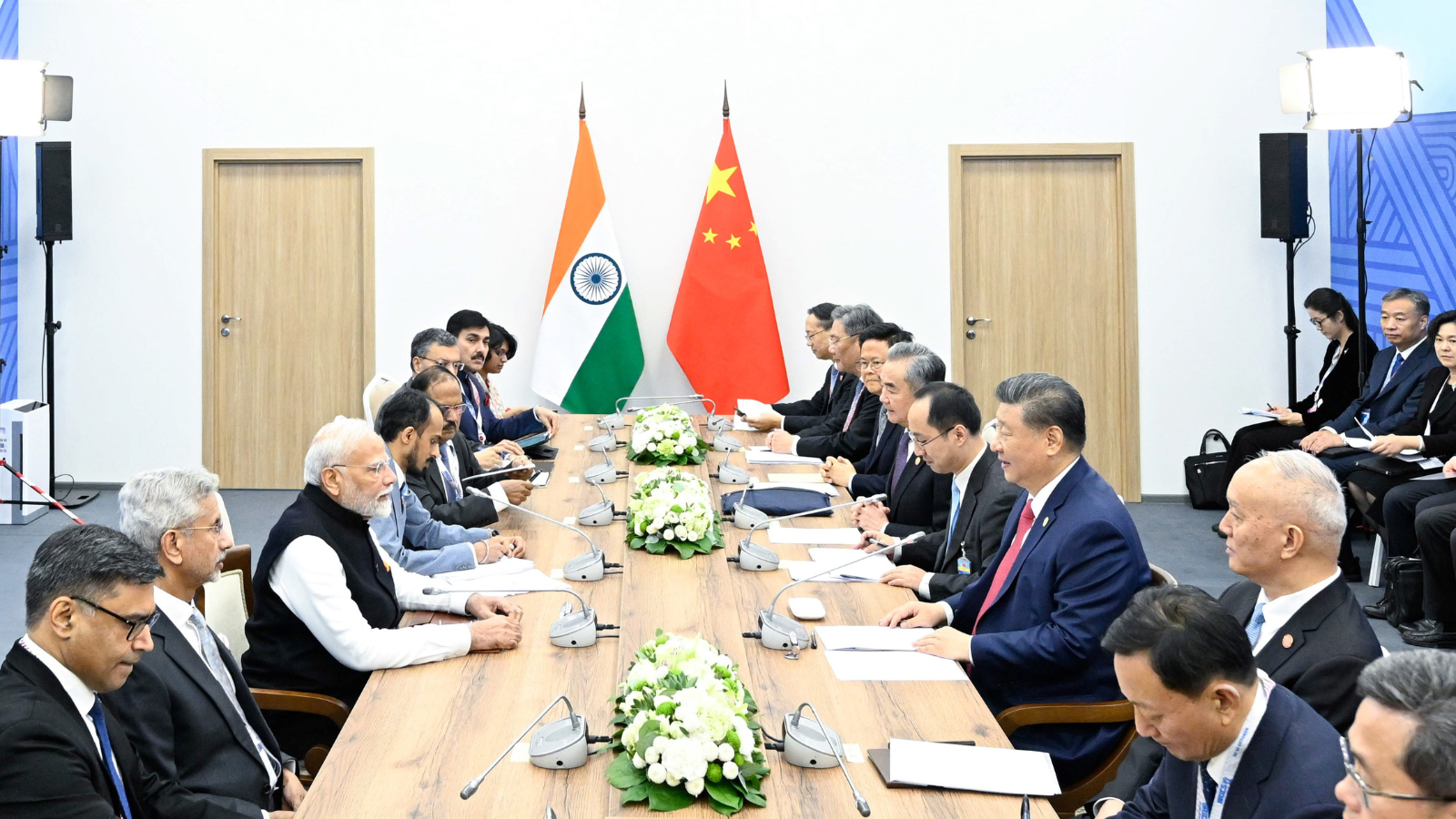
After the chill in ties between 2020 and 2024 that brought India–China relations to their lowest point in several decades, the two countries have engaged each other afresh. This paper argues that there are predominantly four imperatives guiding India’s approach to China, and they exist in an order of priority.
Saheb Singh Chadha

This piece argues that India’s central challenge is not managing a single flashpoint but resolving the underlying tension between expansion and institutional coherency of the BRICS grouping.
Vrinda Sahai

A partnership between India, a country of subcontinental size, and Africa, a continent of fifty-four countries, may seem asymmetric until one notes that both are home to nearly the same number of people—1.4 billion. This essay spells out the existing challenges to the partnership, its optimal potential, and the possible pathways to realize it over the next quarter-century.
Rajiv Bhatia