

In any defense establishment, change is an ongoing process. However, despite the best of intentions, existing bureaucracies, bound by habit and years of socialization, have their limits in implementing transformative change.
Anit Mukherjee

{
"authors": [
"Renad Mansour",
"Gerard Russell",
"Philip Luther"
],
"type": "legacyinthemedia",
"centerAffiliationAll": "dc",
"centers": [
"Carnegie Endowment for International Peace",
"Malcolm H. Kerr Carnegie Middle East Center"
],
"collections": [],
"englishNewsletterAll": "menaTransitions",
"nonEnglishNewsletterAll": "",
"primaryCenter": "Malcolm H. Kerr Carnegie Middle East Center",
"programAffiliation": "MEP",
"programs": [
"Middle East"
],
"projects": [],
"regions": [
"Gulf",
"Levant",
"Syria",
"Iraq",
"Middle East"
],
"topics": [
"Political Reform",
"Security"
]
}Source: Getty
Abductions and killings by Islamic State fighters in Syria and Iraq threaten ancient minorities.
Source: Al Jazeera Inside Story
Last July, ISIL issued a decree to the dwindling population of Christians in eastern Syria and northern Iraq, ordering them to convert to Islam or pay a special religious levy.
And if they did not, “there is nothing to give them but the sword,” the group said.
Since then, ISIL has released a trademark video showing the apparent beheading of 21 Egyptian Christians in Libya.
At least 70 Christians have also been reported abducted in northeastern Syria. And they are not alone.
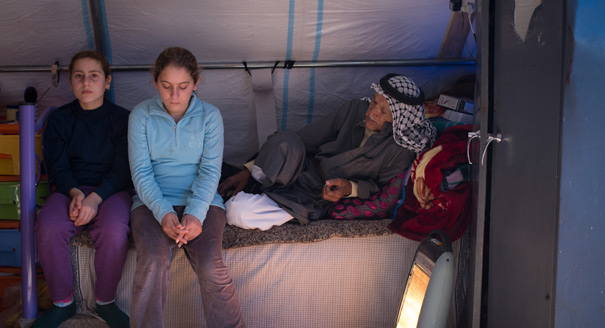
The unfolding conflict in the region is forcing thousands of Christians and other minority groups to leave their ancestral homelands, where they had co-existed with other religious communities for nearly 2,000 years.
It has moved one commentator to observe that “we are watching a living history and all that comprises disappear.”
Inside Story asks: Is a rich tapestry of history at risk of being lost in the cradle of civilization?
This interview was originally broadcast on Al Jazeera Inside Story.
Former El-Erian Fellow, Middle East Center
Mansour was an El-Erian fellow at the Carnegie Middle East Center, where his research focuses on Iraq, Iran, and Kurdish affairs.
Gerard Russell
Philip Luther
Carnegie India does not take institutional positions on public policy issues; the views represented herein are those of the author(s) and do not necessarily reflect the views of Carnegie, its staff, or its trustees.
In any defense establishment, change is an ongoing process. However, despite the best of intentions, existing bureaucracies, bound by habit and years of socialization, have their limits in implementing transformative change.
Anit Mukherjee

After the chill in ties between 2020 and 2024 that brought India–China relations to their lowest point in several decades, the two countries have engaged each other afresh. This paper argues that there are predominantly four imperatives guiding India’s approach to China, and they exist in an order of priority.
Saheb Singh Chadha
This piece argues that the present Indian strategy, based on opportunistic diversification and utilization of limited strategic reserves, remains inadequate when confronting supply disruptions. It evaluates India’s options in the short, medium, and long terms.
Vrinda Sahai
This piece examines India’s response to U.S. sanctions and tariffs, specifically assessing the immediate market consequences, such as alterations in import costs, and the broader strategic implications for India’s energy security and foreign policy orientation.
Vrinda Sahai
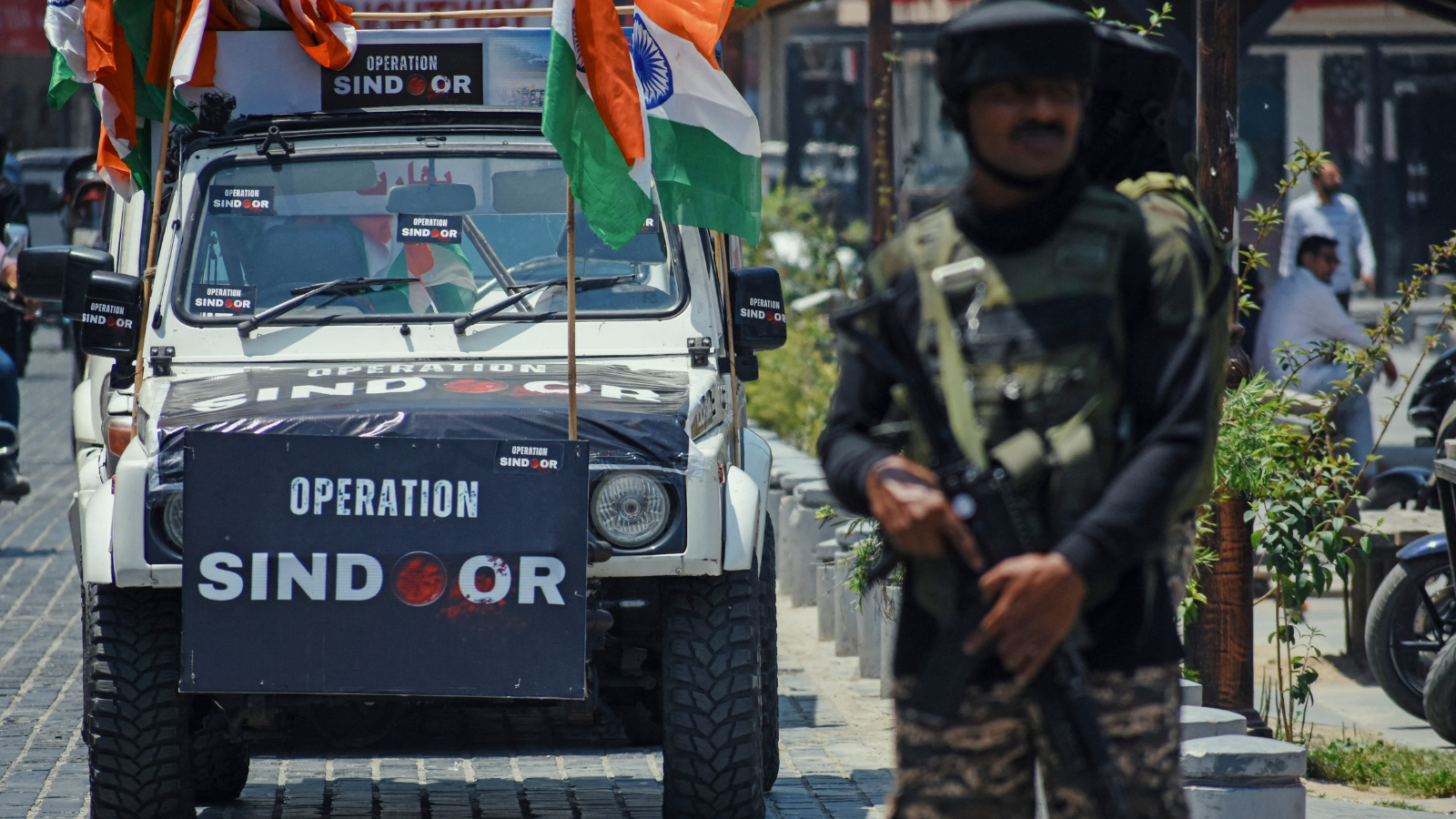
The India-Pakistan conflict that played out between May 6 and May 10, 2025, offers several military lessons. This article presents key takeaways from Operation Sindoor and breaks down how India’s preparations shaped the outcome and what more is needed to strengthen future readiness.
Dinakar Peri