

Commentary
Maha Yahya
{
  "authors": [
    "Maha Yahya"
  ],
  "type": "legacyinthemedia",
  "centerAffiliationAll": "dc",
  "centers": [
    "Carnegie Endowment for International Peace",
    "Malcolm H. Kerr Carnegie Middle East Center"
  ],
  "collections": [
    "Arab Spring 2.0",
    "Decoding Lebanon"
  ],
  "englishNewsletterAll": "menaTransitions",
  "nonEnglishNewsletterAll": "",
  "primaryCenter": "Malcolm H. Kerr Carnegie Middle East Center",
  "programAffiliation": "MEP",
  "programs": [
    "Middle East"
  ],
  "projects": [],
  "regions": [
    "Levant",
    "Maghreb",
    "North Africa",
    "Lebanon",
    "Syria",
    "Jordan",
    "Iraq",
    "Tunisia",
    "Algeria",
    "Middle East",
    "Egypt",
    "Morocco"
  ],
  "topics": [
    "Political Reform"
  ]
}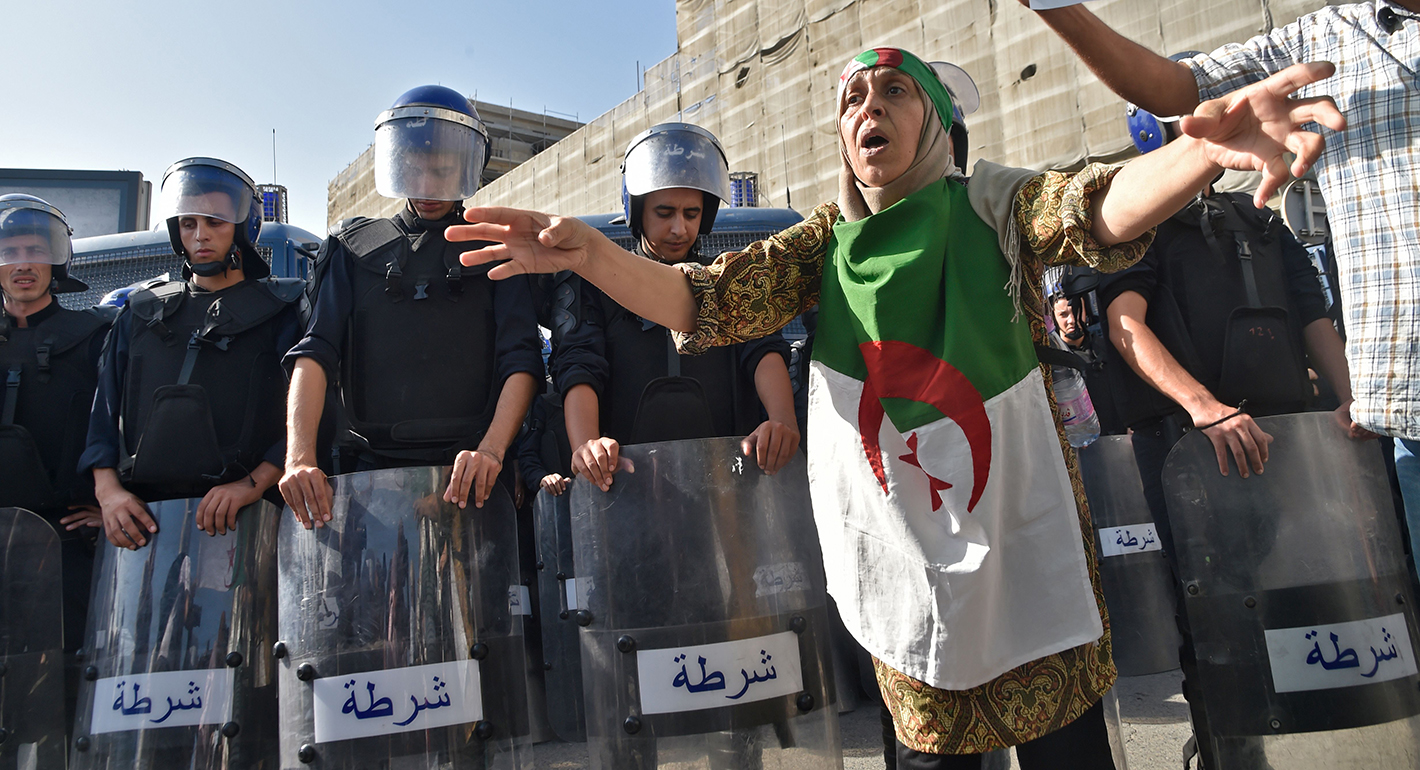
Source: Getty
Development, dissent, and the future of the Arab world.
Source: Foreign Affairs
Since the 9/11 attacks, the Arab world’s relative economic, social, and political underdevelopment has been a topic of near-constant international concern. In a landmark 2002 report, the UN Development Program (UNDP) concluded that Arab countries lagged behind much of the world in development indicators such as political freedom, scientific progress, and the rights of women. Under U.S. President George W. Bush, this analysis helped drive the “freedom agenda,” which aimed to democratize the Middle East—by force if necessary—in order to eradicate the underdevelopment and authoritarianism that some officials in Washington believed were the root causes of terrorism. Bush’s successor, Barack Obama, criticized one of the cornerstones of the freedom agenda—the U.S. invasion of Iraq in 2003—but he shared Bush’s diagnosis. In his first major foreign policy speech as president, delivered in Cairo in 2009, Obama called on Middle Eastern governments to make progress in democracy, religious freedom, gender equality, and “economic development and opportunity.” Implicit in his remarks was a widely shared view among Western observers of the Middle East: that the Arab world’s dysfunction was a product of social and political arrangements that thwarted human potential, furthered inequality, and favored a small elite to the detriment of the broader population.

Director, Malcolm H. Kerr Carnegie Middle East Center
Maha Yahya is director of the Malcolm H. Kerr Carnegie Middle East Center, where her research focuses on citizenship, pluralism, and social justice in the aftermath of the Arab uprisings.
Recent Work
Maha Yahya
Maha Yahya
Carnegie India does not take institutional positions on public policy issues; the views represented herein are those of the author(s) and do not necessarily reflect the views of Carnegie, its staff, or its trustees.

A partnership between India, a country of subcontinental size, and Africa, a continent of fifty-four countries, may seem asymmetric until one notes that both are home to nearly the same number of people—1.4 billion. This essay spells out the existing challenges to the partnership, its optimal potential, and the possible pathways to realize it over the next quarter-century.

Rajiv Bhatia
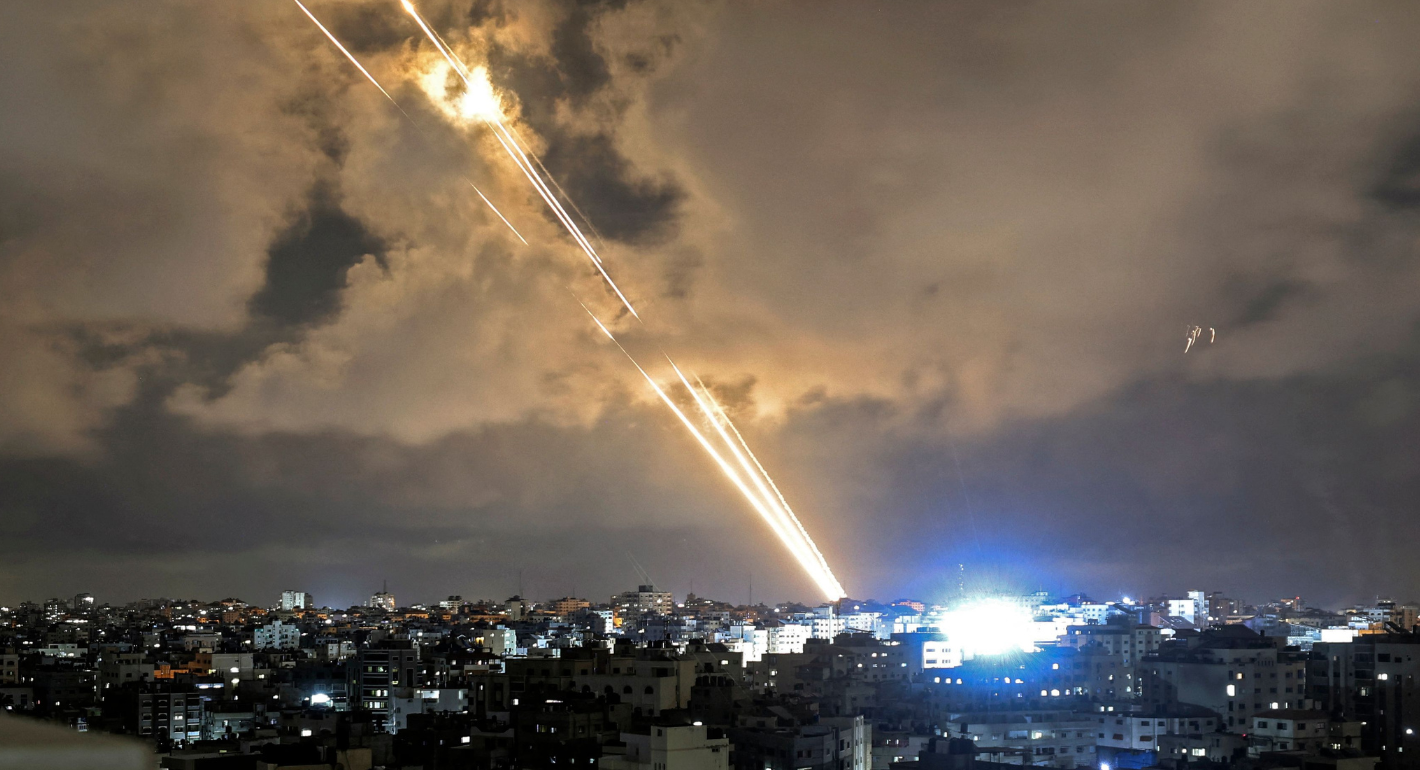
An Israeli response to Iran’s October 1 attack is imminent. The key question is of its intensity and potential fallout, both within Iran, in terms of nuclear security policy changes, and across the broader region. The coming days are likely to reshape West Asia irreversibly.
Gaddam Dharmendra
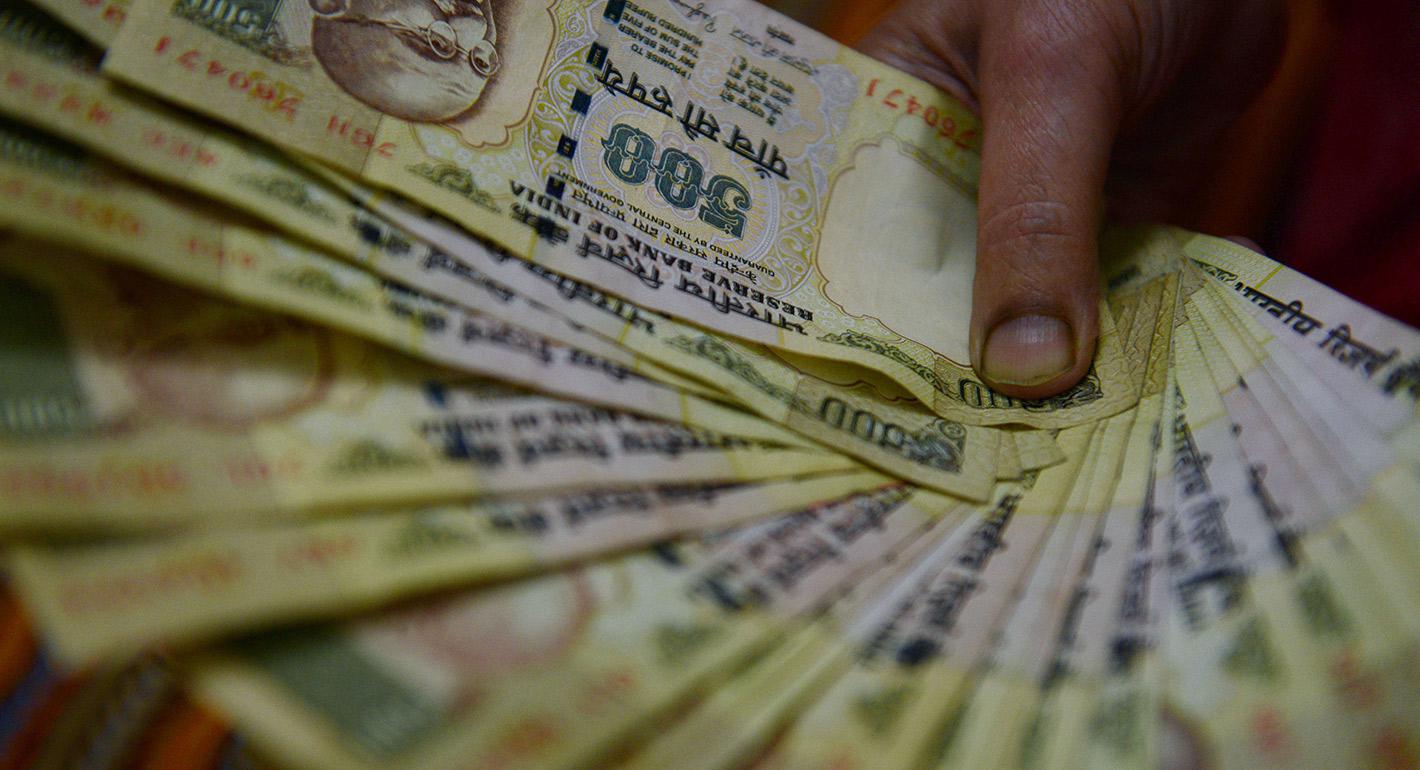
As India’s economy recovers from the coronavirus pandemic, Indian businesses need efficient financial structures to regain their ground. Key reforms to India’s Insolvency and Bankruptcy Code could fill these gaps.

Anirudh Burman

Access to cross-border data is an integral piece of the law enforcement puzzle. India is well placed to lead the discussions on international data agreements subject to undertaking necessary surveillance reforms.
Smriti Parsheera, Prateek Jha
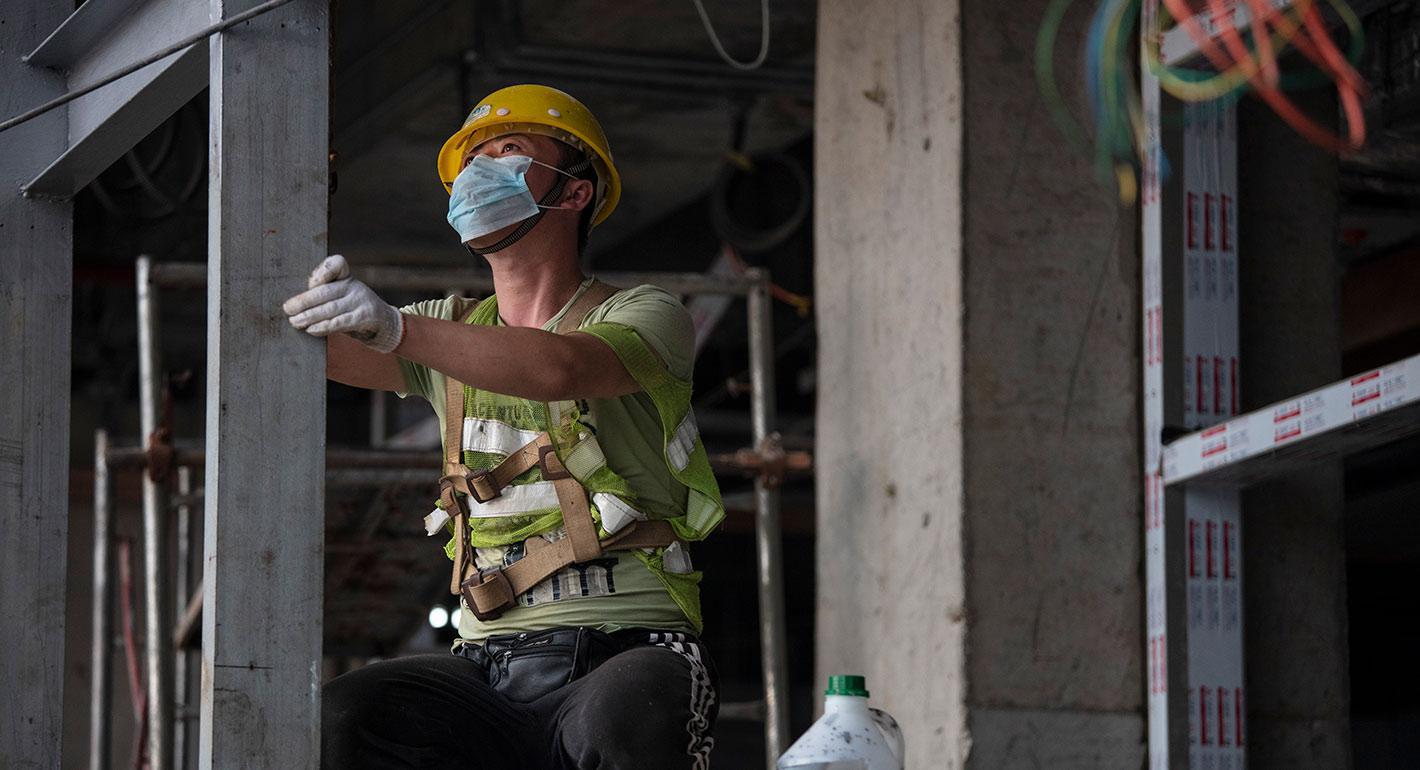
After the coronavirus pandemic wanes, how will China’s reorientation of the Belt and Road Initiative to address global health concerns influence its relationships with South Asian countries?
Deep Pal, Rahul Bhatia