

Q&A
Aaron David Miller, David Rennie
{
  "authors": [
    "Aaron David Miller"
  ],
  "type": "commentary",
  "blog": "Diwan",
  "centerAffiliationAll": "dc",
  "centers": [
    "Carnegie Endowment for International Peace",
    "Malcolm H. Kerr Carnegie Middle East Center"
  ],
  "collections": [],
  "englishNewsletterAll": "menaTransitions",
  "nonEnglishNewsletterAll": "",
  "primaryCenter": "Carnegie Endowment for International Peace",
  "programAffiliation": "MEP",
  "programs": [
    "Middle East"
  ],
  "projects": [],
  "regions": [
    "North America",
    "United States",
    "Middle East",
    "Israel",
    "Palestine",
    "Levant"
  ],
  "topics": [
    "Political Reform",
    "Foreign Policy"
  ]
}
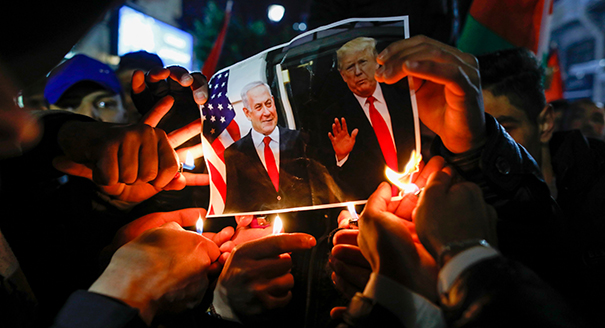
Source: Getty
What I told Jared Kushner when he solicited my advice for his Palestinian-Israeli peace plan.
After assuming his position as President Donald Trump’s senior adviser in charge of formulating a peace plan for the Israelis and Palestinians, Jared Kushner spoke to a number of former U.S. officials who had worked on Arab-Israeli negotiations. This included Aaron David Miller, currently a senior fellow at the Carnegie Endowment for International Peace. Miller served at the State Department as an historian, analyst, negotiator, and advisor to Republican and Democratic secretaries of state, in which he helped formulate U.S. policy on the Middle East and the Arab-Israel peace process. He also served as deputy special Middle East coordinator for Arab-Israeli negotiations and as senior member of the State Department’s policy planning staff. In a number of conversations with Kushner, Miller offered him this advice.

Senior Fellow, American Statecraft Program
Aaron David Miller is a senior fellow at the Carnegie Endowment for International Peace, focusing on U.S. foreign policy.
Recent Work
Aaron David Miller, David Rennie
Daniel C. Kurtzer, Aaron David Miller
Carnegie does not take institutional positions on public policy issues; the views represented herein are those of the author(s) and do not necessarily reflect the views of Carnegie, its staff, or its trustees.
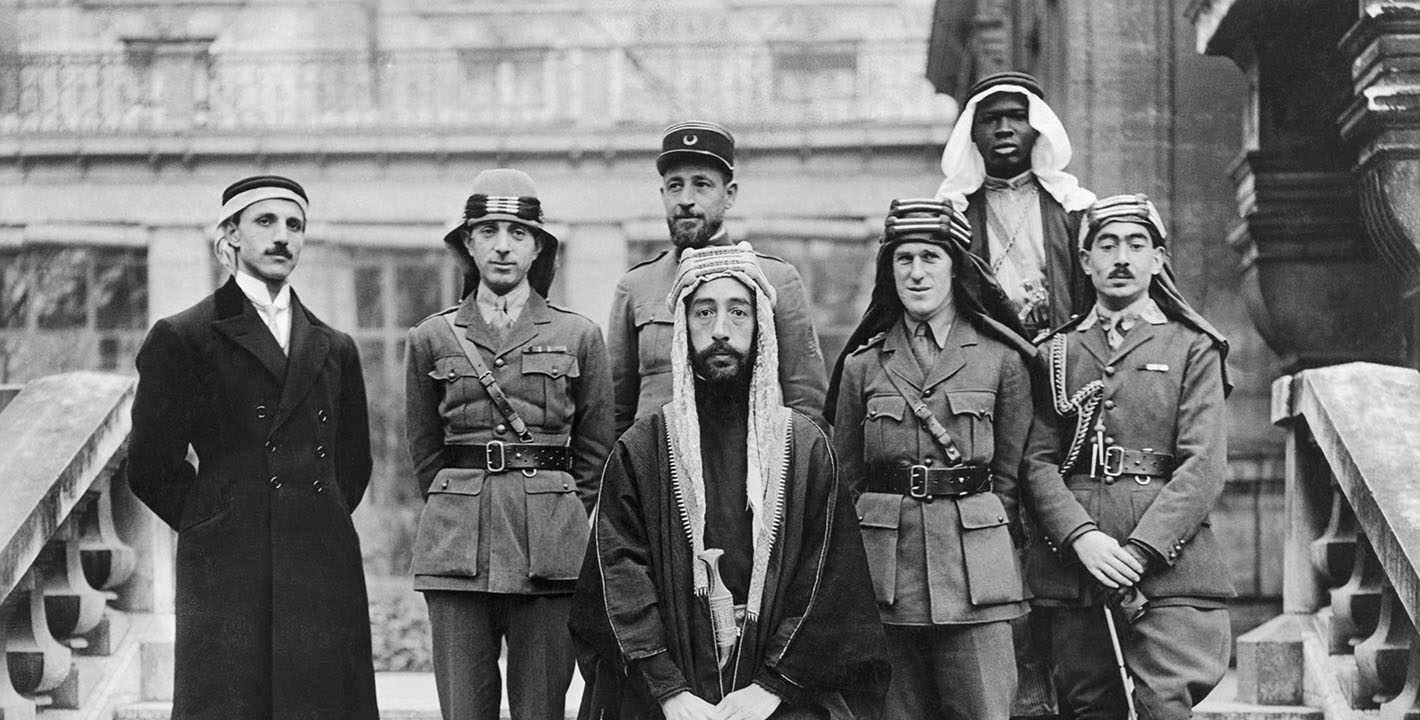
In an interview, Elizabeth Thompson recalls how the country formulated a liberal constitution in 1920, before being denied by France and Britain.

Michael Young
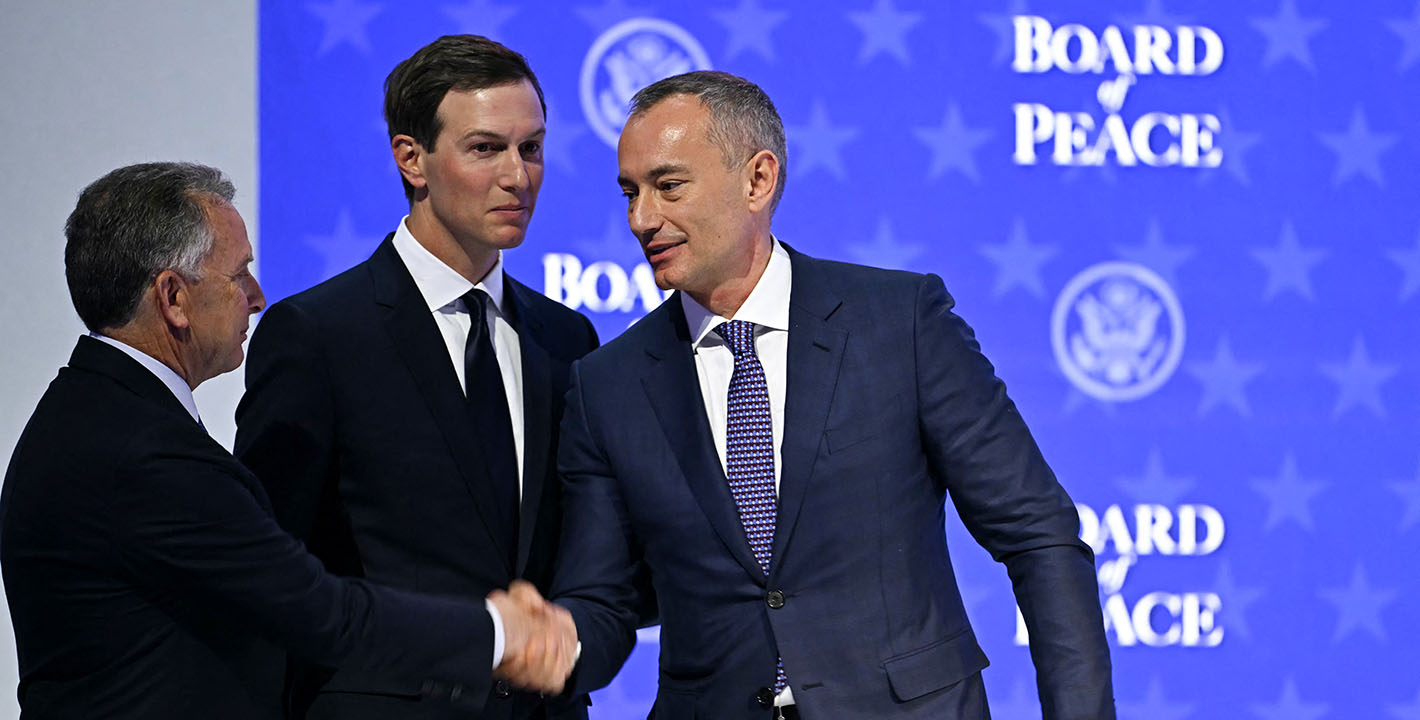
Policy discussion is ignoring that the Palestinian national project is hollowed out and apartheid is a present danger.

Nathan J. Brown
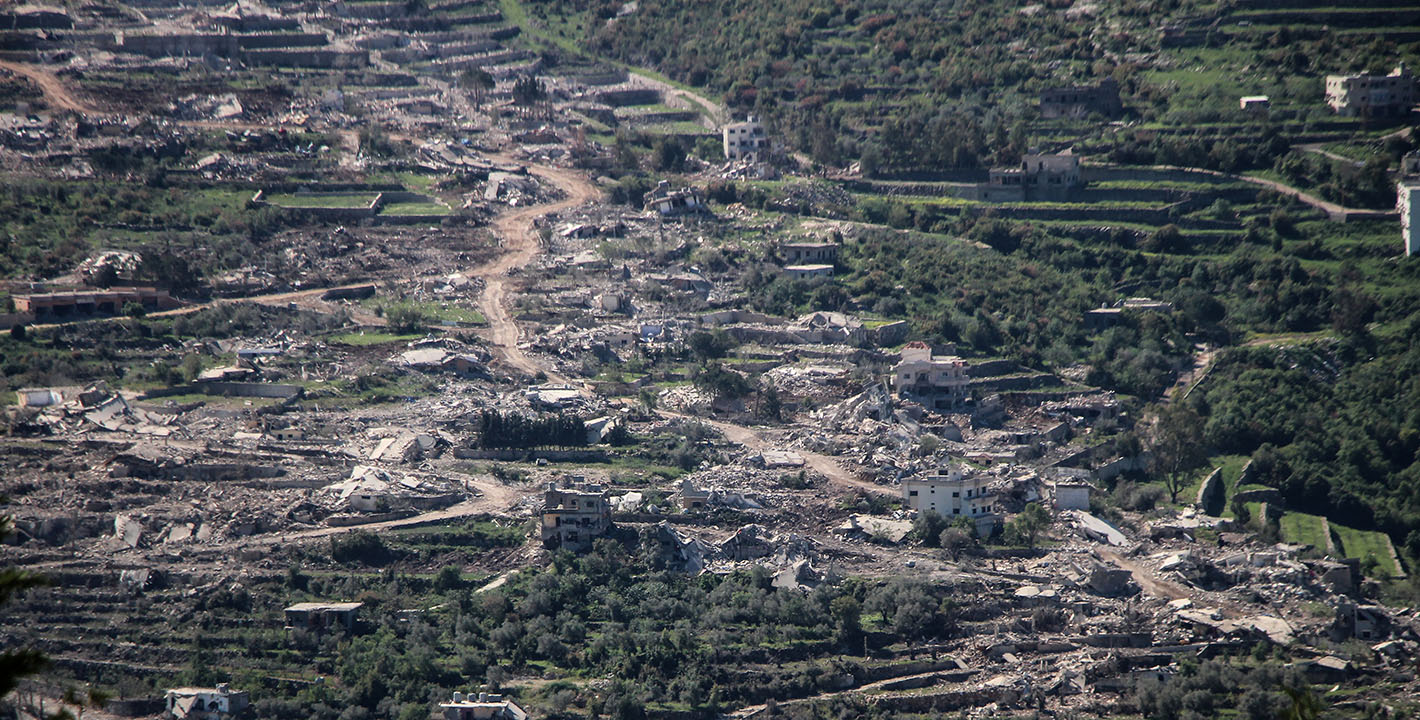
As negotiations with Iran and Lebanon continue, chaos is at the heart of the Netanyahu government’s calculations.
Michael Young
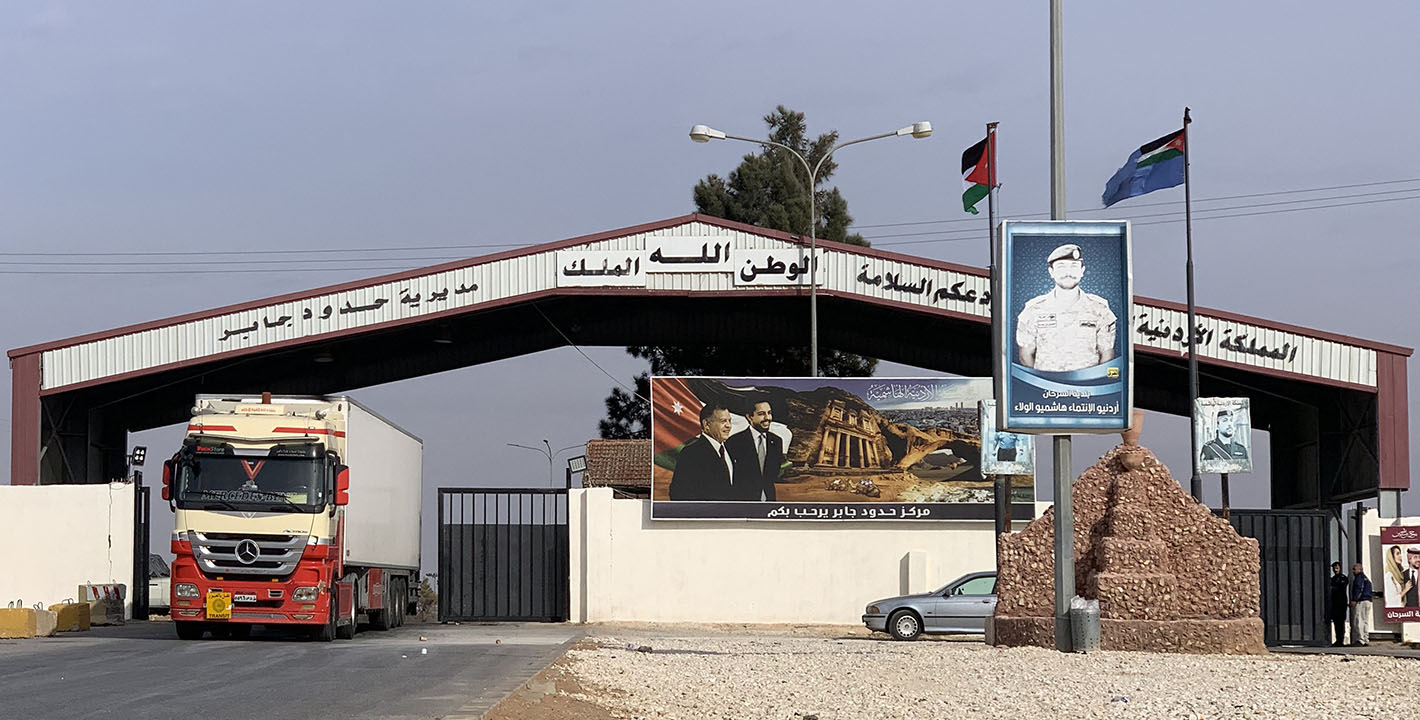
Trade statistics show why Amman has more reason than Damascus to welcome the improvement in bilateral commerce.

Armenak Tokmajyan
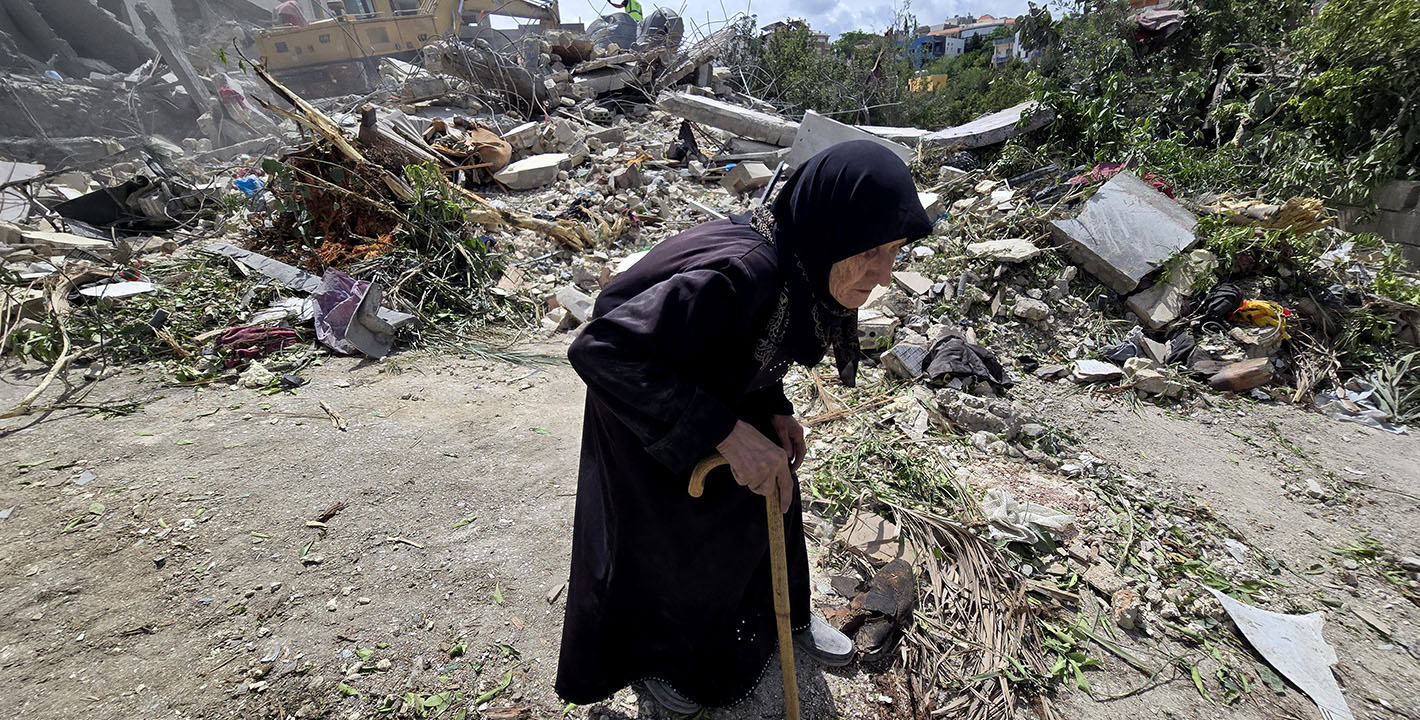
Adversaries are to be degraded so deeply, that reconstitution becomes difficult or impossible.
Nathan J. Brown