

In The Media
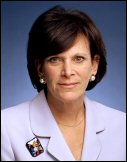
Jessica Tuchman Mathews
{
  "authors": [
    "Jessica Tuchman Mathews"
  ],
  "type": "legacyinthemedia",
  "centerAffiliationAll": "",
  "centers": [
    "Carnegie Endowment for International Peace"
  ],
  "collections": [],
  "englishNewsletterAll": "",
  "nonEnglishNewsletterAll": "",
  "primaryCenter": "Carnegie Endowment for International Peace",
  "programAffiliation": "",
  "programs": [],
  "projects": [],
  "regions": [
    "Middle East",
    "Iraq"
  ],
  "topics": [
    "Security",
    "Military",
    "Foreign Policy",
    "Nuclear Policy",
    "Nuclear Energy"
  ]
}
Source: Getty
Before attention is lost in the controversies over the war itself and in the challenges of its aftermath, the UN must capture, clarify, and publicize the record of international inspections in Iraq: for itself, for member governments, and for the public.
Source: Global Governance

Before attention is lost in the controversies over the war itself and in the
challenges of its aftermath, the UN must capture, clarify, and publicize
the record of international inspections in Iraq: for itself, for member
governments, and for the public. Was the process encompassing the UN
Special Commission (UNSCOM), the International Atomic Energy
Agency (IAEA), and the UN Monitoring, Verification and Inspection
Commission (UNMOVIC) from 1991 to 2003 a success? Or was it the
bumbling embarrassment, the “sham,” portrayed by top U.S. officials
and still understood that way by the American public—and perhaps by
the public elsewhere?
Click here for full text
Reprinted by permission of Global Goverance, (Vol 10,
Issue 3, July-Sept. 2004), Lynne Rienner Publishers.

Distinguished Fellow
Mathews is a distinguished fellow at the Carnegie Endowment for International Peace. She served as Carnegie’s president for 18 years.
Recent Work
Jessica Tuchman Mathews
Jessica Tuchman Mathews
Carnegie does not take institutional positions on public policy issues; the views represented herein are those of the author(s) and do not necessarily reflect the views of Carnegie, its staff, or its trustees.

Just look at Iraq in 1991.

Marwan Muasher
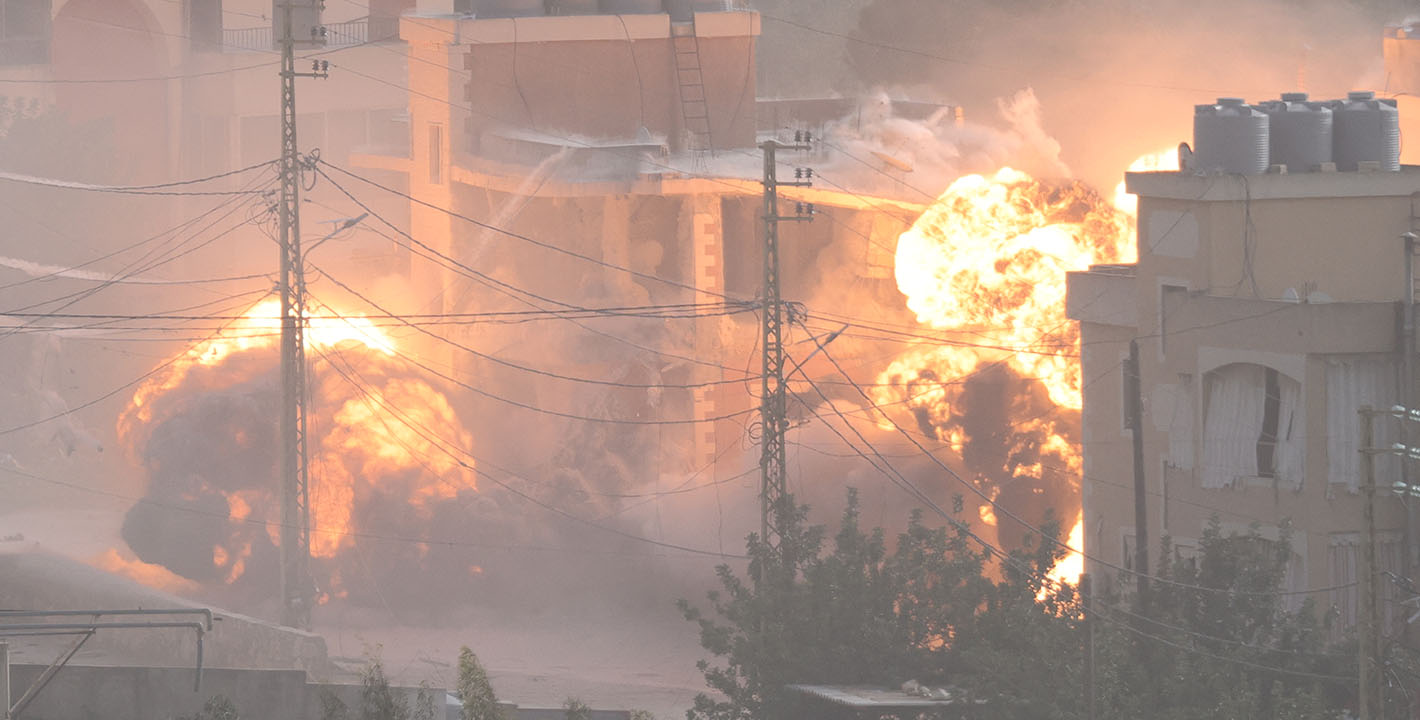
As Iran defends its interests in the region and its regime’s survival, it may push Hezbollah into the abyss.

Michael Young
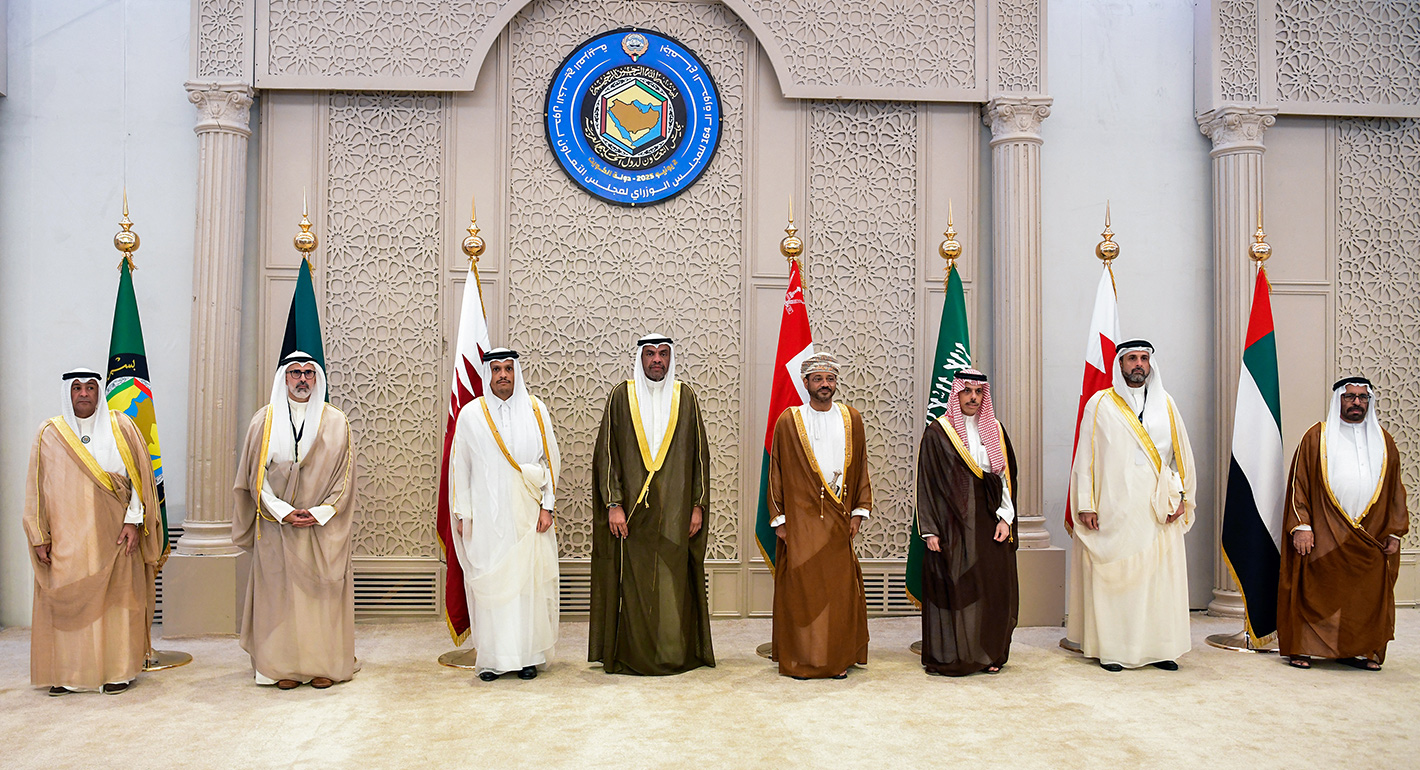
Without structural reform, the organization, which is racked by internal rivalries, risks sliding into irrelevance.

Hesham Alghannam

A coalition of states is seeking to avert a U.S. attack, and Israel is in the forefront of their mind.
Michael Young

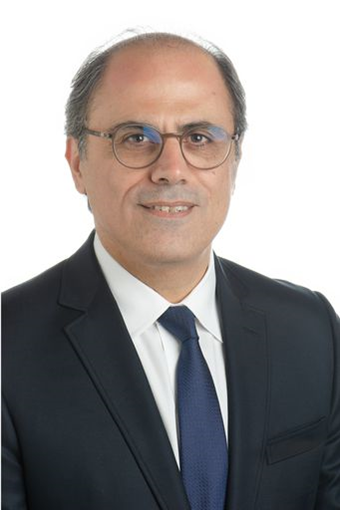
Fifteen years after the Arab uprisings, a new generation is mobilizing behind an inclusive growth model, and has the technical savvy to lead an economic transformation that works for all.
Jihad Azour